
Skin Tags

Overview
Skin tags are small, soft growths that form where skin repeatedly rubs against skin or clothing, most often on the neck, armpits, eyelids and groin. They are benign and rarely painful, though many people find them bothersome when they catch on jewellery, clothing or shaving. Skin tags are also linked to insulin resistance: Singapore’s National Population Health Survey 2022 (Health Promotion Board and Ministry of Health) found 8.5% of Singapore residents had diabetes, with prevalence nearly doubling with each decade after age 40, one of several factors behind skin tag formation. At DR+, our GPs assess skin tags in-clinic and offer same-day removal as one of our minor surgical procedures when treatment is wanted.
What Are Skin Tags?
A skin tag, medically termed an acrochordon, is a small overgrowth of skin cells, blood vessels and collagen fibres attached to the surrounding skin by a thin, narrow stalk. This stalk gives a skin tag its characteristic soft, floppy feel, in contrast to a mole or wart, which sit flatter and firmer against the skin. Skin tags range from a few millimetres to over a centimetre and can appear singly or in clusters. They are extremely common, affect men and women equally, and tend to increase in number with age.
What Are the Symptoms of Skin Tags?
Most skin tags cause no symptoms beyond the physical presence of the growth. Common presentations include::
A Soft Growth on a Narrow Stalk
The defining feature of a skin tag is its soft, mobile texture and narrow point of attachment. It moves slightly when touched and does not sit flush against the skin the way a mole or wart typically does.
Irritation From Friction or Snagging
Skin tags in areas exposed to jewellery, clothing or shaving, such as the neck, underarms or groin, can become nicked or irritated, leading to temporary redness, soreness or minor bleeding at that spot.
Occasional Itching in Skin Folds
Skin tags in warm, moist areas such as the groin or underarms can occasionally itch, particularly with sweating, though this usually settles once the area is kept clean and dry.
When to Seek Urgent Medical Attention
Book a doctor’s review if a growth bleeds without an obvious injury, grows noticeably larger or changes shape over a few weeks, develops uneven or darkening colour, feels hard and firmly fixed to the skin, becomes persistently painful, or does not heal. These features can occasionally point to a different type of skin lesion that needs closer assessment.
Bothered By Skin Tags
Consult one of our DR+ GPs today for an in-clinic assessment and same-day removal.
What Causes Skin Tags?
Skin tags have several well-established contributing factors, though no single cause fully explains why they form.
Friction and Skin Folds
Constant rubbing of skin against skin, or against clothing and jewellery, irritates the surface layer and encourages extra cells and blood vessels to bulge outward as a soft growth. This is why skin tags cluster in the neck, armpits, groin, eyelids and under the breasts.
Genetics
Skin structure and how readily it forms these growths is partly inherited, so skin tags often run in families and can appear earlier in people with a strong family history.
Age
As skin loses collagen and elasticity and repairs itself more slowly with age, years of accumulated friction gradually produce more skin tags. They are most common in middle-aged and older adults.
Weight and Insulin Resistance
Excess weight creates more skin folds that rub together, and higher insulin levels linked to excess weight or insulin resistance can drive skin cell growth. A sudden cluster of new skin tags is sometimes flagged as a soft marker worth a general health check, given the association with insulin resistance and type 2 diabetes.
Hormonal Changes
Pregnancy and other hormonal shifts raise levels of growth-related hormones that can prompt new skin tags to form or existing ones to enlarge, most often noticed in the second and third trimester.
How Are Skin Tags Diagnosed?
Clinical Examination
At DR+ our doctor examines the size, shape, colour, texture and attachment point of the growth, and gently palpates it to confirm the soft, mobile, stalk-like quality of a true skin tag. This examination also rules out other lesions that can resemble a skin tag at a glance, such as seborrheic keratoses, which sit flatter and look waxier, filiform warts, which are viral and can spread, and neurofibromas, which can feel different at the base. A growth that feels fixed, firm or broad-based is assessed further before being confirmed as a skin tag.
When Further Testing Is Needed
If a growth shows atypical features such as an irregular border, uneven colour or a fixed base, your doctor may remove it and send the tissue for laboratory analysis as a precaution. If several new skin tags have appeared suddenly, your GP may also suggest a simple blood glucose or HbA1c check as part of a broader metabolic health review.
What Are the Treatment Options for Skin Tags?
Snip Excision
The tag is trimmed away at its base using sterile surgical scissors, typically the quickest option for smaller, stalked tags.
Electrocautery
A fine heated instrument removes the tag and seals the small blood vessels at its base at the same time, often selected for larger tags or areas with more blood flow.
Cryotherapy
Liquid nitrogen is applied to freeze the tag, causing it to die off and fall away naturally over one to two weeks, an option that avoids a cut and may suit smaller or more delicate areas such as the eyelids.
Our doctor will recommend the most suitable method after examining the tag’s size, location and your skin type. Removing a skin tag at home with nail clippers, thread or over-the-counter creams is not advised, since it carries a real risk of infection, uneven bleeding and scarring, and skips the step of confirming what the growth actually is. For other common skin concerns, DR+’s dermatology services cover assessment and in-clinic treatment of moles, cysts and related benign lesions.
Our Doctors

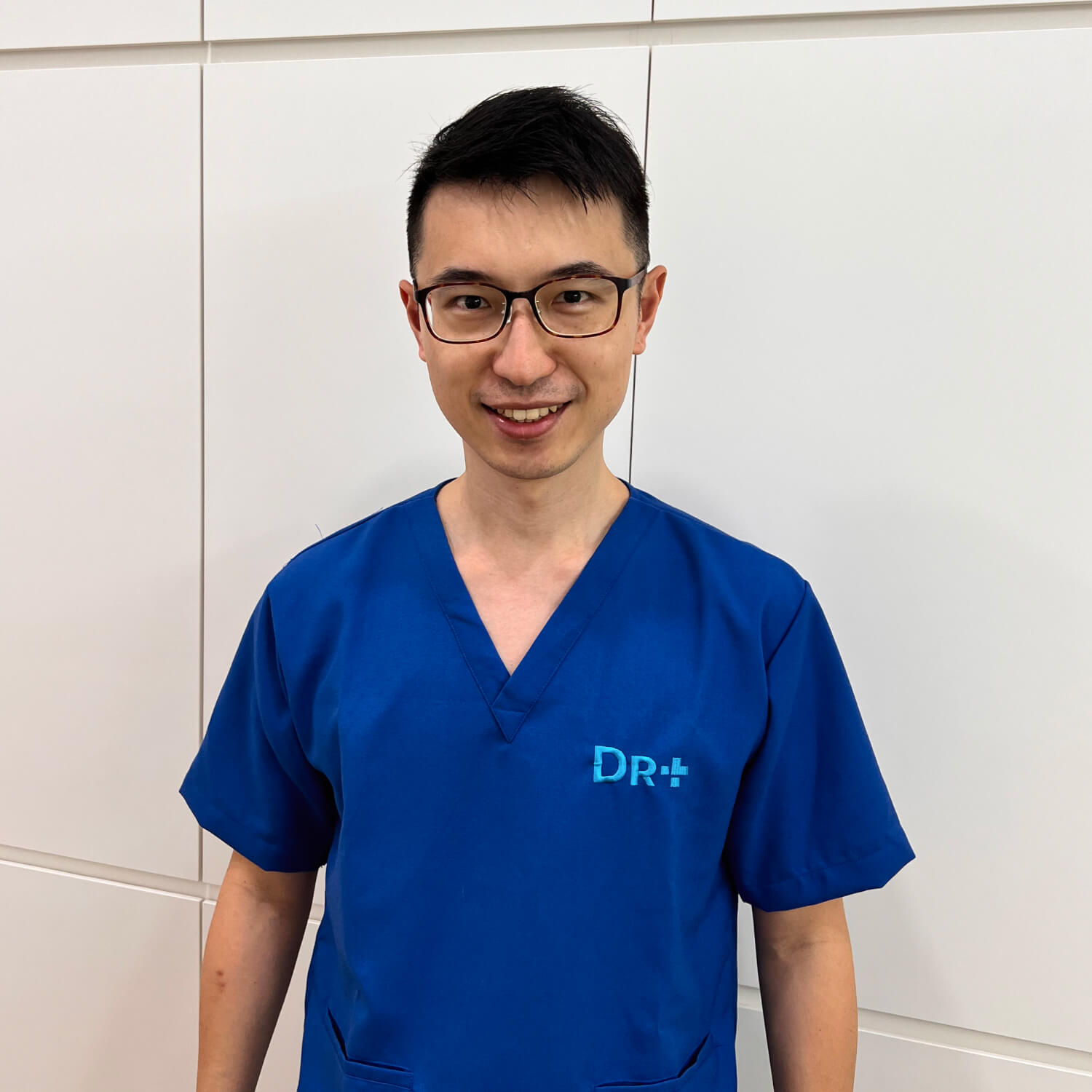
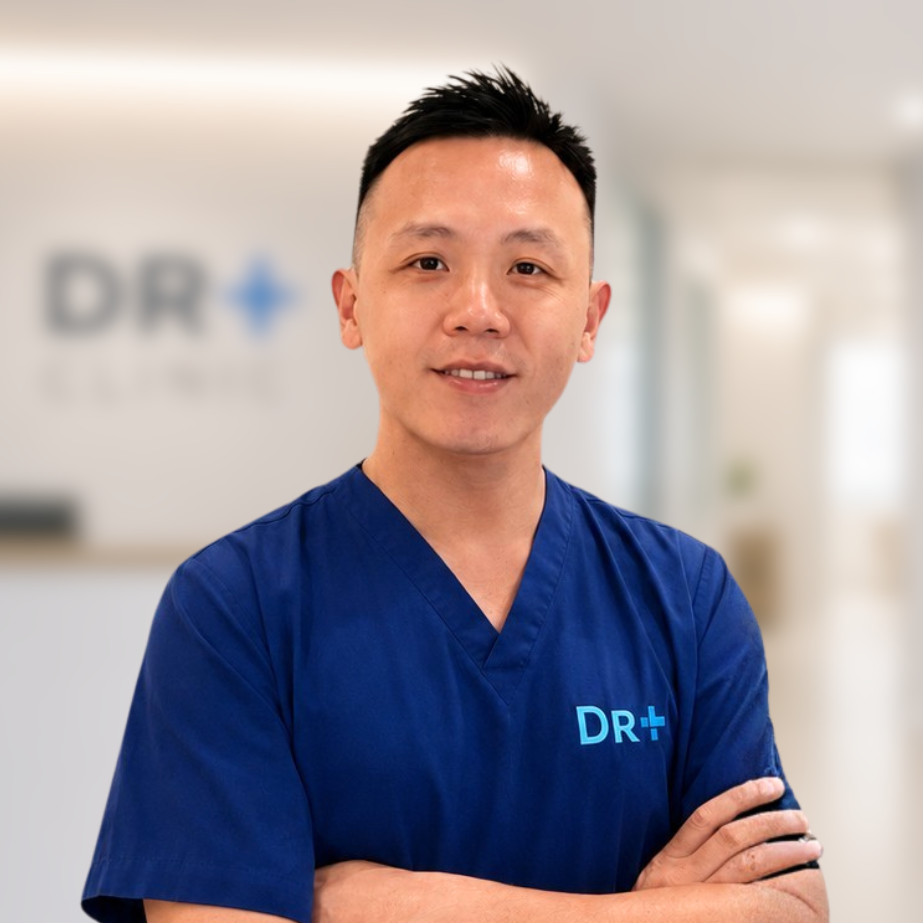




How Can You Prevent Skin Tags?
- Wear loose-fitting clothing around the neck, underarms and groin to reduce friction in fold-prone areas.
- Remove or adjust necklaces, bra straps or watches that repeatedly catch on a skin tag.
- Keep skin folds clean and dry, particularly areas prone to sweating.
- Maintain a healthy weight and manage insulin resistance or blood sugar where relevant, since both are linked to skin tag formation.
- Avoid attempting to remove skin tags at home, which raises the risk of infection, bleeding and scarring.
- Monitor existing skin tags for any change in size, colour or texture and flag this to your doctor.
Frequently Asked Questions (FAQ) About Skin Tags in Singapore
Are Skin Tags a Sign of Skin Cancer?
No. Skin tags themselves are benign and are not a form of skin cancer. However, some skin cancers can occasionally resemble a skin tag in their early stages. Any growth that bleeds, changes colour, grows quickly or feels hard and fixed is worth having assessed by a doctor to confirm what it actually is.
Can Skin Tags Fall Off By Themselves?
Occasionally, a skin tag can twist on its narrow stalk, cut off its own blood supply, and drop off on its own, sometimes after turning dark or black first. Most skin tags, however, remain unchanged indefinitely unless physically removed, so this cannot be relied upon as a treatment method.
Does Skin Tag Removal Hurt?
DR+ GPs use local or topical anaesthesia before removal, so the procedure itself is generally not painful. You may feel a small pinch or pressure during the anaesthetic injection, and mild tenderness or scabbing for a few days afterwards while the area heals.
How can I tell if my neck pain is serious?
Warning signs that indicate serious neck pain include: pain following trauma or a fall, numbness or weakness spreading into both arms or legs, loss of bladder or bowel control, fever with neck stiffness (possible meningitis), or pain that is progressively worsening despite rest. These require urgent medical attention.
How Much Does Skin Tag Removal Cost in Singapore?
Cost depends on the number and size of tags and the removal method used, and is confirmed transparently during your consultation before any treatment proceeds. Skin tag removal at DR+ falls under minor surgical procedures, and Medisave is claimable for the in-house procedure.
Can a Skin Tag Grow Back After It Is Removed?
A skin tag that has been fully removed at its base does not typically regrow in the same spot. However, since skin tags reflect an underlying tendency of your skin, it is common to develop new, separate skin tags elsewhere over time, particularly in the same friction-prone areas.
Our Clinics
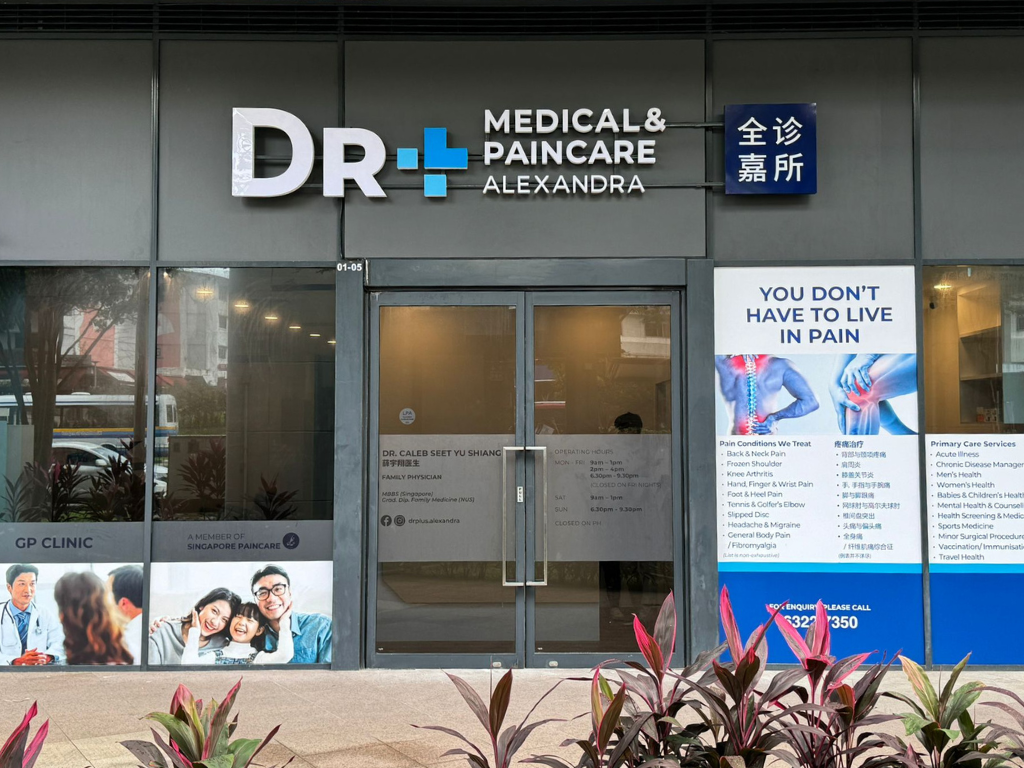
- Mon & Tue: 9am to 1pm, 2pm to 4pm, 6:30pm to 9:30pm
- Wed, Thu & Fri: 9am to 1pm, 2pm to 5pm
- Sat: 9am to 1pm
- Closed on Sun & PH
-
(Kindly note that clinic’s last registration is 15 minutes before closing time.)
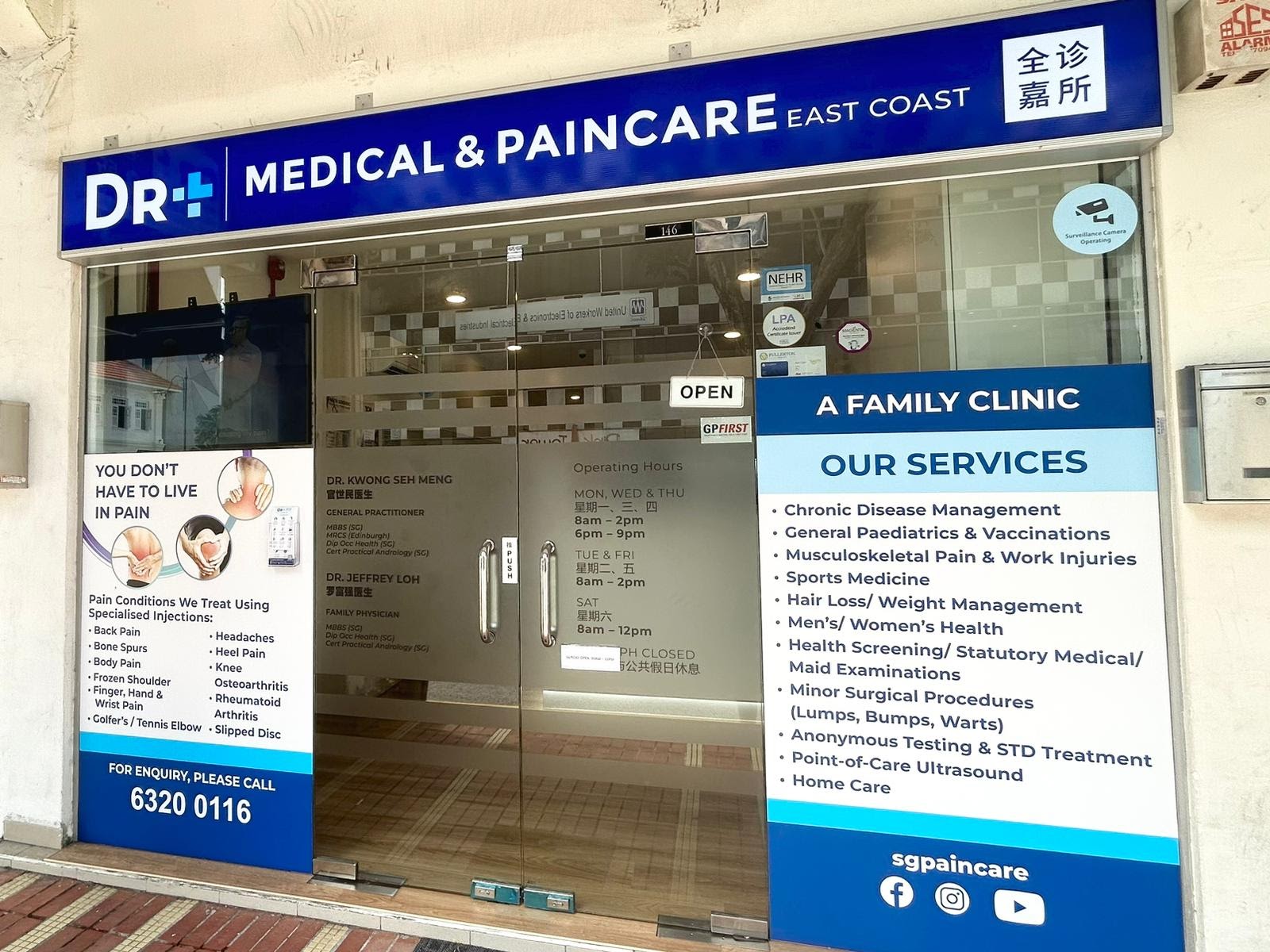
- Mon: 8:00am – 2:00pm, 6:00pm – 9:00pm
- Tue & Wed: 8:00am – 3:00pm
- Thu: 8:00am – 3:00pm, 6:00pm – 9:00pm
- Fri: 8:00am – 2:00pm
- Sat: 8:00am – 12:00pm
- Sun: 10:00am – 1:00pm
- PH: Closed

#01-54 The Midtown, Singapore 533971
- Mon & Tue: 8:00am – 12:30pm, 1:30pm – 5:00pm, 6:00pm – 9:00pm
- Wed: 8:00am – 12:30pm, 6:00pm – 9:00pm
- Thu: 8:00am – 12:30pm, 1:30pm – 5:00pm
- Fri: 8:00am – 12:30pm, 6:00pm – 9:00pm
- Sat: 8:00am – 12:00pm
- Sun & PH: Closed
(Kindly note that clinic’s last registration is 15 minutes before closing time.)
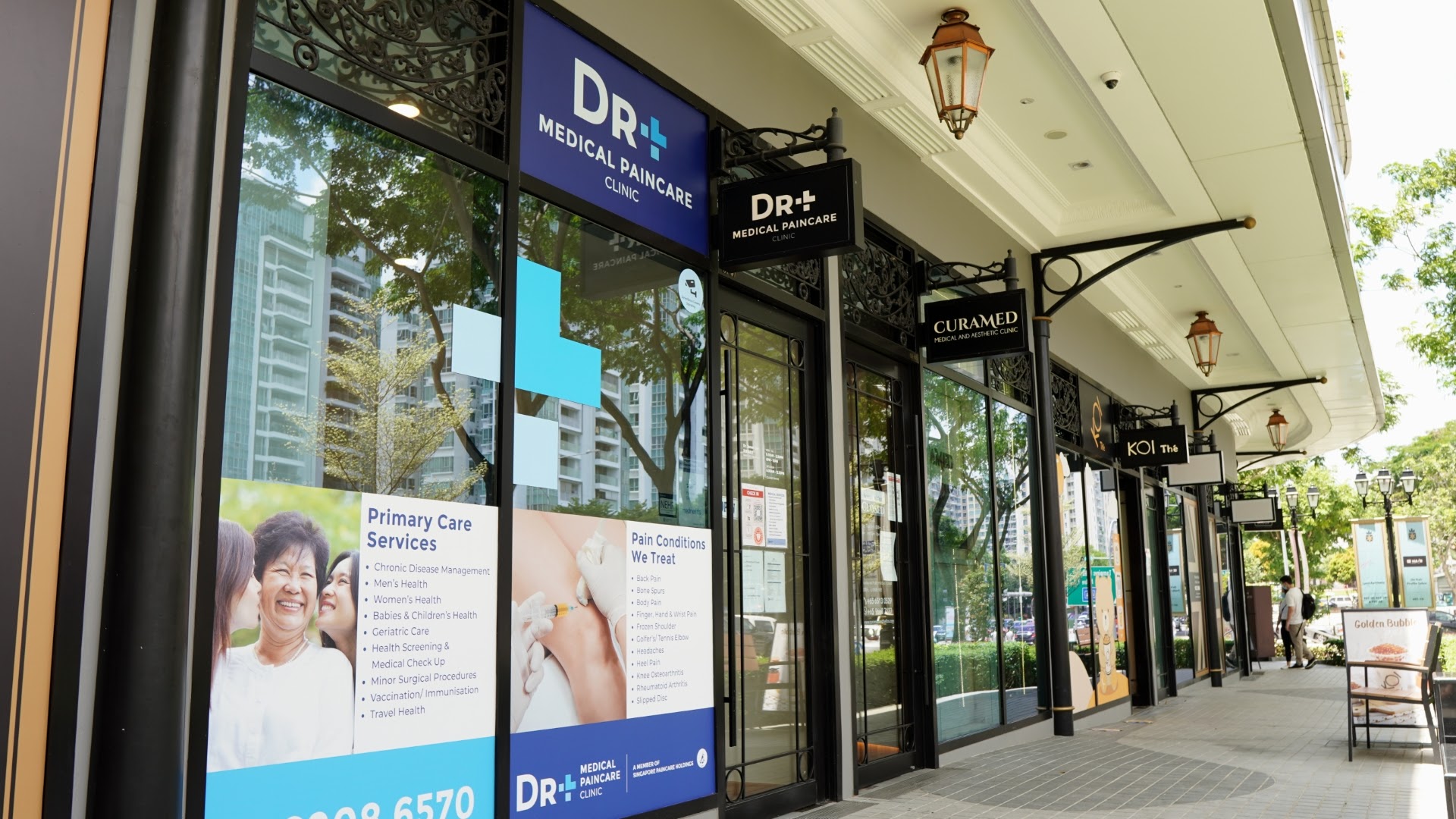
988 Upper Serangoon Rd, Singapore 534733
- Mon to Fri: 8:30am – 2:30pm, 6:00pm – 10:00pm
- Sat & Sun: 8:30am – 12:30pm
- PH: Closed
-
(Kindly note that clinic’s last registration is 15 minutes before closing time.)

Singapore 730018
- Mon: 8:00am – 9:00pm
- Tue – Fri: 8:00am – 4:30pm, 7:00pm – 9:00pm
- Sat: 8:00am – 12:30pm
- Sun & PH: Closed
-
Kindly note that clinic’s last registration is 15 minutes before closing time.
-
(Last registration timing – Mon: 8:45pm, Tue – Fri: 4:15pm & 8:45pm, Sat: 12:15pm)

Thomson Imperial Court, Singapore 574424
- Mon to Wed: 8:30am – 10:00pm
- Thu: 8:30am – 3:00pm, 6:00pm-9:30pm
- Fri: 8:30am – 6:00pm
- Sat & Sun: 9:00am – 3:00pm
- PH: Closed
-
(Kindly note that clinic’s last registration is 15 minutes before closing time.)

- Mon, Wed & Fri: 8:30am – 12:30pm, 1:30pm – 4:30pm, 6:00pm – 9:00pm
- Tue & Thu: 8:30am – 12:30pm, 1:30pm – 4:30pm
- Sat: 8:30am – 12:30pm
- Closed on Sun & PH
-
(Kindly note that clinic’s last registration is 15 minutes before closing time.)
Need Advice On Your Condition?
Please fill out the form and we will be in touch with you shortly.