
Obesity

Overview
Obesity is a chronic condition involving excess body fat. It raises the risk of health problems such as type 2 diabetes, high blood pressure and heart disease. In Singapore, adults are classified as obese at a BMI of 27.5 kg/m² or higher. This is lower than the Western cutoff of 30, because Asian populations tend to develop metabolic complications at lower BMI levels.
At DR+, our GPs provide a comprehensive weight management assessment, including blood tests and hormonal screening. This identifies what is actually driving the difficulty, so we can build a personalised, medically supervised plan around it.
What is Obesity?
Obesity happens when energy intake and energy use fall out of balance over time. The surplus is stored as fat. This fat is not distributed evenly. Central or visceral fat, stored around the abdomen and internal organs, carries a different health risk from fat stored under the skin in the hips and thighs.
In Singapore, the Ministry of Health’s National Population Health Survey 2024 found that obesity is rising. The proportion of obese residents, with a BMI of 30.0 or above, rose from 10.5% in 2019 to 2020, to 12.7% in 2023 to 2024. Residents with a BMI of 27.5 or higher, a threshold linked to greater risk of diabetes and cardiovascular disease, also rose, from 20.7% to 22.8% over the same period.
What Causes Obesity?
Obesity develops from an interaction of several factors, and rarely from a single cause.
Energy imbalance
When calorie intake consistently exceeds what the body uses for daily activity and basic metabolic function, the surplus is stored as fat over time.
Genetics and family history
Genes influence how the body regulates appetite, stores fat and responds to overeating. This is why obesity often runs in families, even when environment and habits are similar.
Hormonal and metabolic conditions
Thyroid dysfunction, polycystic ovary syndrome (PCOS), insulin resistance and, less commonly, Cushing’s syndrome can all make weight gain more likely and weight loss harder. Often, the individual has no idea a hormonal factor is involved.
Sedentary lifestyle
Long working hours, desk-based jobs and reduced incidental activity, all common in Singapore’s urban environment, lower the amount of energy the body burns each day.
Diet quality
Diets high in refined carbohydrates, sugar-sweetened beverages and energy-dense processed food make it easier to consume excess calories without a corresponding sense of fullness.
Sleep deprivation
Poor or irregular sleep disrupts the hormones that regulate hunger and satiety, ghrelin and leptin, which can increase appetite and cravings for high-calorie food.
Medication side effects
Certain medications, including some corticosteroids, antidepressants and antipsychotics, list weight gain as a known side effect. Patients on long-term medication for other conditions should discuss this with their doctor.
Psychological and behavioural factors
Stress eating and emotional eating can also contribute. This matters most when eating becomes an established coping pattern, not just an occasional response to a hard day.
What Are the Symptoms of Obesity?
Obesity is often accompanied by symptoms beyond the number on the scale. Common presentations include:
Fatigue and low energy: Partly due to poor sleep quality and partly due to the additional physical effort required for daily movement.
Breathlessness on exertion: Noticeable even during light activity such as climbing stairs.
Joint discomfort: Particularly in the knees, hips and lower back, as extra body weight increases the load these joints absorb with every step.
Skin issues: Chafing, rashes in skin folds, and acanthosis nigricans, darkened, thickened skin usually around the neck or armpits, linked to insulin resistance.
Snoring and disrupted sleep: Sometimes pointing to obstructive sleep apnoea, and frequently under-reported by patients.
Certain symptoms warrant more urgent medical attention:
- Loud snoring with episodes of gasping or choking during sleep
- Chest pain or breathlessness at rest
- Swelling in the legs or ankles
- Excessive thirst, frequent urination or unexplained fatigue
- Sudden, unexplained weight gain or loss
- Joint pain severe enough to limit daily movement
Struggling to Manage Your Weight
Consult one of our DR+ doctors today for a detailed consultation and a personalised assessment.
What Are the Complications of Obesity?
Left unaddressed, obesity is linked to a wide range of health complications across multiple body systems.
Not every person with obesity develops these conditions, but the risk rises with higher BMI and, in particular, with central abdominal fat.
Type 2 diabetes
Excess fat, particularly around the abdomen, reduces the body’s sensitivity to insulin. Over time, this insulin resistance can progress to type 2 diabetes, one of the most common obesity-related complications in Singapore.
Cardiovascular disease
Obesity is associated with high blood pressure, high cholesterol and an increased risk of coronary heart disease and stroke. These risks compound when obesity occurs alongside diabetes or high cholesterol.
Obstructive sleep apnoea
Excess tissue around the neck and airway can narrow the airway during sleep, causing repeated breathing pauses. This often presents as loud snoring and disrupted sleep, and can go undiagnosed for years.
Knee and joint osteoarthritis
Extra body weight increases the mechanical load on weight-bearing joints, particularly the knees. Over time, this accelerates cartilage wear and raises the risk of osteoarthritis.
Non-alcoholic fatty liver disease
Excess fat can accumulate in the liver, leading to inflammation and, in more advanced cases, scarring. This is usually silent in its early stages and is often picked up through routine blood tests.
Reproductive and hormonal effects
In women, obesity is linked to irregular periods, PCOS and reduced fertility. In men, it is associated with lower testosterone levels, which can affect energy, mood and sexual function.
Mental health impact
Obesity is associated with a higher likelihood of low mood, anxiety and reduced self-esteem, partly linked to the physical and social impact of the condition. This is a genuine health consideration, not a secondary concern.
How Is Obesity Diagnosed?
BMI calculation
Diagnosis begins with a BMI calculation, using weight and height. Singapore uses Asian-specific thresholds: a BMI of 27.5 kg/m² or above is classified as obese, compared with 30 kg/m² under Western criteria.
Waist circumference
BMI alone does not show fat distribution, so doctors commonly measure waist circumference too. In Singapore, using Asian cut-offs, a waist circumference above 90cm in men or 80cm in women generally signals central obesity and higher health risk.
Blood tests
A GP assessment for obesity typically includes blood tests for three things. These are fasting blood glucose or HbA1c (a marker of blood sugar control over time), a lipid profile (cholesterol and triglycerides), and thyroid function.
Further testing
Where the clinical picture suggests it, additional tests may screen for conditions such as PCOS or insulin resistance. This identifies any underlying factor that needs to be addressed alongside lifestyle changes.
What Are the Treatment Options for Obesity?
Treatment for obesity in Singapore generally follows a conservative-first approach, starting with lifestyle changes and reserving medication for cases where a clinical need is identified.
GP Assessment and Blood Tests
The starting point of any structured programme is a GP assessment that establishes a metabolic and hormonal baseline. This checks whether factors such as insulin resistance, thyroid dysfunction or PCOS may be contributing to the difficulty. DR+’s GP-supervised weight management programme begins with this assessment at the first appointment.
Nutrition, Lifestyle and Behavioural Support
For most patients, the foundation of treatment is nutrition guidance, physical activity planning and behavioural support. This is adjusted to the individual’s health profile and to what has or has not worked for them before.
Prescription Weight Management Medication
Where clinically indicated, doctors may discuss prescription options, including GLP-1 receptor agonists. A full assessment must confirm suitability first. These medications are used alongside lifestyle changes, not instead of them. Medication is not a requirement of weight management, and many patients manage their weight through nutrition and lifestyle changes alone.
Ongoing Monitoring and Long-Term Maintenance
Because obesity behaves as a chronic, relapsing condition, treatment does not end once a target weight is reached. Reviews typically track blood markers, waist circumference and blood pressure at every visit, not weight alone, with a long-term maintenance plan confirmed once a target is reached.
Readers can find out more about the GP-supervised weight management programme available across DR+’s clinics in Singapore.
When Should You See a Doctor for Obesity?
Not all cases need immediate medical attention, but some situations do. See a DR+ doctor if:
- BMI is 27.5 or above, the Asian threshold for obesity
- Weight has increased steadily despite consistent effort
- Weight gain is accompanied by excessive thirst, fatigue or irregular periods
- Joint pain is limiting daily movement
- Snoring or breathing pauses during sleep are noticed by yourself or a partner
- There is a family history of diabetes, hypertension or cardiovascular disease
Our Doctors











How Can You Prevent & Management Obesity?
Balanced nutrition: A diet built around whole foods, adequate protein and controlled portions makes it easier to manage calorie intake without willpower being the deciding factor.
Regular physical activity: 150 to 300 minutes of moderate-intensity exercise a week supports both weight management and overall cardiovascular health.
Sleep quality: Poor sleep disrupts the hormones that regulate hunger and can undermine otherwise consistent effort elsewhere.
Tracking beyond the scale: Waist circumference, energy levels and how clothing fits can provide a more complete picture of progress than weight alone.
Routine health screening: Regular blood pressure, blood glucose and lipid checks help catch obesity-related complications early. This matters most for those with a family history of diabetes or heart disease.
Support systems: Family, friends or a structured programme tend to improve consistency over time. These are supportive measures, not substitutes for a proper diagnosis.
Frequently Asked Questions (FAQ) About Obesity
What BMI is considered obese in Singapore?
In Singapore, a BMI of 27.5 kg/m² or above is classified as obese for Asian populations, lower than the Western threshold of 30 kg/m². This adjustment reflects evidence that Asians tend to develop obesity-related health risks, such as type 2 diabetes and cardiovascular disease, at lower BMI levels than other populations. A BMI between 23 and 27.4 is considered overweight under the same Asian-specific guidelines.
Can obesity be reversed without medication?
Yes, for many patients. A structured approach involving nutrition guidance, regular physical activity and behavioural support can achieve meaningful weight loss and health improvement without medication. A weight loss of 5 to 10 percent of body weight is generally enough to produce measurable improvements in blood pressure, cholesterol and blood sugar control. Medication is considered only for patients who meet specific clinical criteria or who have not achieved sufficient results through lifestyle changes alone.
What is GLP-1 medication and who can take it for weight management?
GLP-1 receptor agonists are a class of prescription medication that can support weight management by affecting appetite regulation, among other effects. In Singapore, they are available only by prescription, after a doctor confirms clinical suitability through a full medical assessment. They are introduced at the lowest suitable dose alongside lifestyle changes, not as a substitute for them.
Is obesity a disease or a lifestyle choice?
Obesity is recognised as a chronic medical condition. It involves a complex mix of genetic, hormonal, environmental and behavioural factors, not a simple lack of willpower. Conditions such as insulin resistance, thyroid dysfunction and PCOS can drive weight gain on their own. This is why a proper medical assessment is often the more effective starting point.
How does obesity affect joint health, particularly the knees?
Excess body weight increases the load the knees, hips and lower back absorb with every step. Over time, this can wear down cartilage faster and contribute to conditions such as knee osteoarthritis. For patients whose main concern is joint pain, a doctor will typically consider weight management and joint health together, as part of the same assessment.
Our Clinics

- Mon & Tue: 9am to 1pm, 2pm to 4pm, 6:30pm to 9:30pm
- Wed, Thu & Fri: 9am to 1pm, 2pm to 5pm
- Sat: 9am to 1pm
- Closed on Sun & PH
-
(Kindly note that clinic’s last registration is 15 minutes before closing time.)
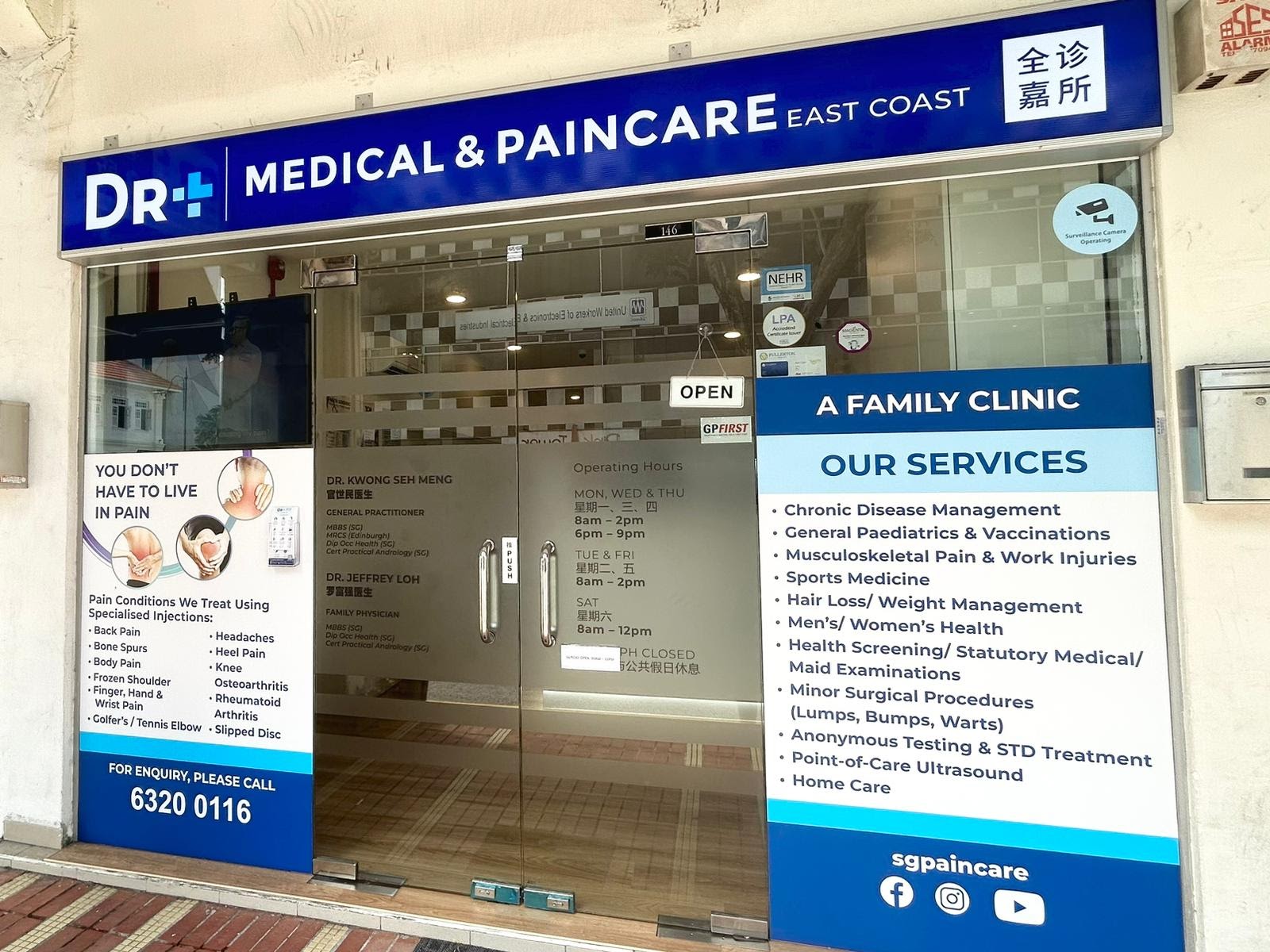
- Mon: 8:00am – 2:00pm, 6:00pm – 9:00pm
- Tue & Wed: 8:00am – 3:00pm
- Thu: 8:00am – 3:00pm, 6:00pm – 9:00pm
- Fri: 8:00am – 2:00pm
- Sat: 8:00am – 12:00pm
- Sun: 10:00am – 1:00pm
- PH: Closed

#01-54 The Midtown, Singapore 533971
- Mon & Tue: 8:00am – 12:30pm, 1:30pm – 5:00pm, 6:00pm – 9:00pm
- Wed: 8:00am – 12:30pm, 6:00pm – 9:00pm
- Thu: 8:00am – 12:30pm, 1:30pm – 5:00pm
- Fri: 8:00am – 12:30pm, 6:00pm – 9:00pm
- Sat: 8:00am – 12:00pm
- Sun & PH: Closed
(Kindly note that clinic’s last registration is 15 minutes before closing time.)

988 Upper Serangoon Rd, Singapore 534733
- Mon to Fri: 8:30am – 2:30pm, 6:00pm – 10:00pm
- Sat & Sun: 8:30am – 12:30pm
- PH: Closed
-
(Kindly note that clinic’s last registration is 15 minutes before closing time.)

Singapore 730018
- Mon: 8:00am – 9:00pm
- Tue – Fri: 8:00am – 4:30pm, 7:00pm – 9:00pm
- Sat: 8:00am – 12:30pm
- Sun & PH: Closed
-
Kindly note that clinic’s last registration is 15 minutes before closing time.
-
(Last registration timing – Mon: 8:45pm, Tue – Fri: 4:15pm & 8:45pm, Sat: 12:15pm)

Thomson Imperial Court, Singapore 574424
- Mon to Wed: 8:30am – 10:00pm
- Thu: 8:30am – 3:00pm, 6:00pm-9:30pm
- Fri: 8:30am – 6:00pm
- Sat & Sun: 9:00am – 3:00pm
- PH: Closed
-
(Kindly note that clinic’s last registration is 15 minutes before closing time.)

- Mon, Wed & Fri: 8:30am – 12:30pm, 1:30pm – 4:30pm, 6:00pm – 9:00pm
- Tue & Thu: 8:30am – 12:30pm, 1:30pm – 4:30pm
- Sat: 8:30am – 12:30pm
- Closed on Sun & PH
-
(Kindly note that clinic’s last registration is 15 minutes before closing time.)
Need Advice On Your Condition?
Please fill out the form and we will be in touch with you shortly.