
Extracorporeal Shockwave Therapy (ESWT)
Non-invasive treatment for chronic and acute tendon, muscle, and musculoskeletal pain.
Overview
Shockwave therapy (extracorporeal shockwave therapy, or ESWT) is a non-invasive treatment that sends acoustic pressure waves into painful tendons, ligaments and soft tissue to stimulate the body’s own healing. Shockwave therapy is available at two of our clinics: DR+ Medical & Paincare East Coast and Doctors For Life Medical at Pickering Street.
What is shockwave therapy?
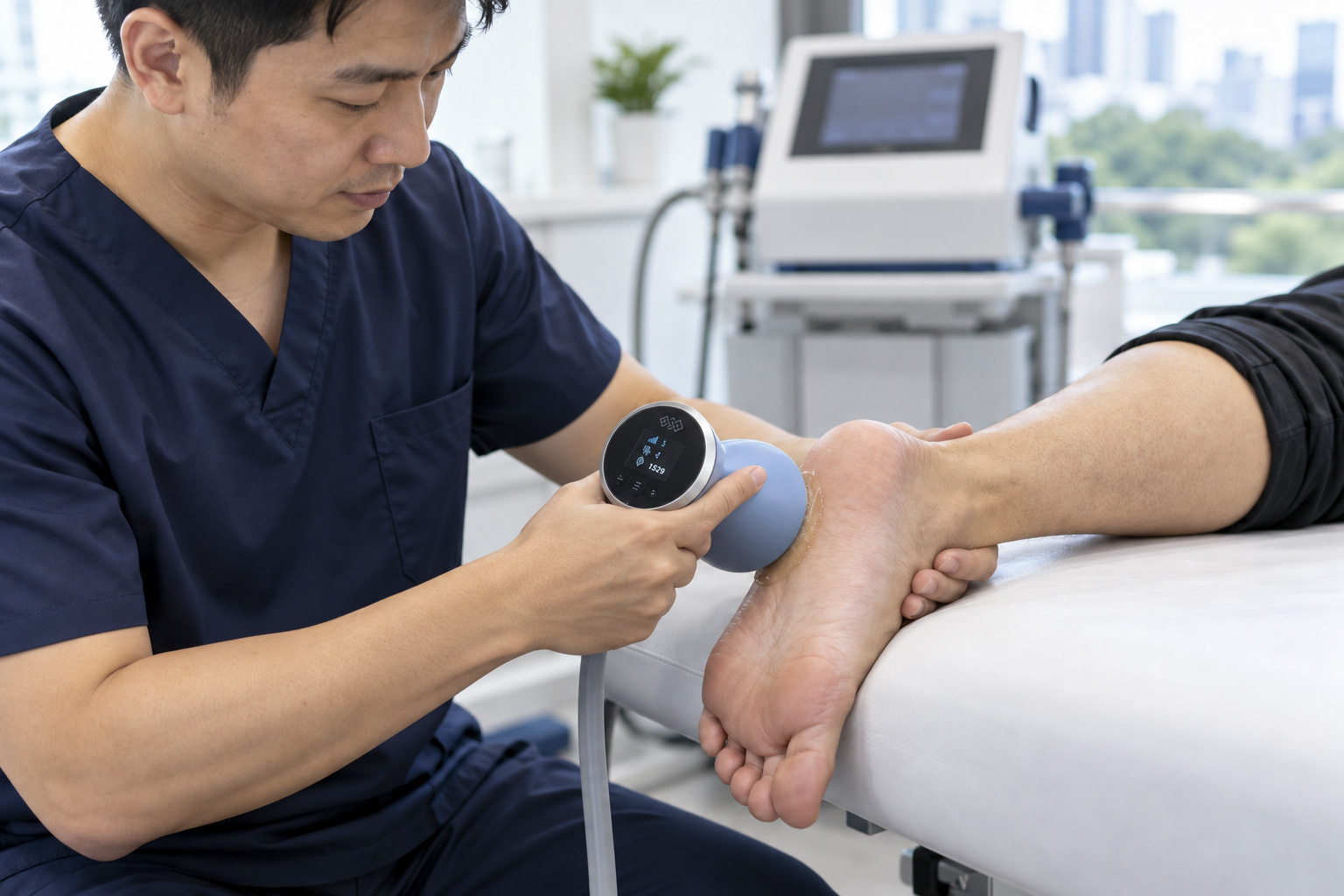
Shockwave therapy is a doctor- or therapist-delivered treatment that uses a hand-held applicator to pass short bursts of acoustic energy through the skin into injured tissue. The word “extracorporeal” means the energy is generated outside the body. It is mainly used for musculoskeletal pain, especially in deep or hard-to-reach tissues such as tendons, ligaments, and joints.
How Does Shockwave Therapy Work?
Shockwaves deliver controlled acoustic energy directly to the injured tissue. This mechanical stress triggers your body’s natural healing process to:
- Stimulate local blood flow and promotes the growth of new micro-vessels at the treated area.
- Trigger the release of growth factors that support tissue repair
- Break down hardened calcium build-ups that cause painful internal friction and inflammation.
- Desensitise local nerve endings to block pain signals to the brain
The result is a gradual repair process, which is why improvement is usually felt over weeks rather than immediately.
What Can Shockwave Therapy Do?
Plantar fasciitis
A repetitive strain injury causing painful micro-tears in the foot’s arch tissue. It results in sharp heel pain that is worst with the first steps in the morning.
Tennis elbow and golfer's elbow
Overuse injuries that create micro-tears in the forearm tendons from repetitive motions. This causes persistent pain on either the outer or inner side of the elbow.
De Quervain’s Tenosynovitis
Inflammation of the protective tendon sheaths on the thumb side of the wrist. It causes painful swelling that worsens when gripping, lifting a baby, or using a phone.
Achilles Tendinopathy
A chronic wear-and-tear injury affecting the main tendon connecting the calf to the heel. It results in ongoing pain and stiffness at the back of the heel.
Calcific shoulder tendinitis and rotator cuff tendinitis
Tissue degeneration or painful calcium build-up within the shoulder tendons. This leads to sharp, restrictive shoulder pain when lifting the arm.
Frozen shoulder
Thickening and tightening of the connective tissue surrounding the shoulder joint capsule. It is treated as part of a wider plan to ease severe pain and stiffness.
Knee pain and Patellar Tendinopathy
Repetitive stress and strain on the tendon connecting the kneecap to the shin bone. This creates localized pain below the kneecap, often in active people.
Myofascial Pain and Chronic Muscle Pain
Painful trigger points caused by localized muscle strain or prolonged tension. It forms tight, tender knots across the neck, shoulders, or back.
Benefits of Shockwave Therapy
Non-invasive
A therapeutic treatment providing an effective alternative to cortisone injections or surgery.
Supports natural healing
Works with your body's repair process rather than masking pain.
Short sessions
About 10–20 minutes, done in the clinic.
Little downtime
Most people go back to work and daily activities the same day.
Are Your Symptoms Affecting Your Quality Of Life?
Speak to a DR+ doctor about your pain
What to expect during a shockwave therapy session
Before
Your doctor takes a history and examines the painful area. If needed, further imaging such as an X-ray or MRI may be arranged. Tell the doctor about any blood thinners, pregnancy, pacemaker or recent steroid injection.
During
Gel is applied to the skin and the shockwave applicator is placed over the affected area. You will feel rapid tapping pulses. The intensity starts low and is adjusted to what you can tolerate. The session takes about 10–20 minutes.
After
Mild soreness, redness or tingling in the area is common for a day or two. You can usually walk out and resume normal daily activities. Avoid strenuous sport on the treated area for about 48 hours and avoid ice or anti-inflammatory painkillers unless your doctor advises otherwise, as they may dampen the healing response.
Is Shockwave Therapy Safe for Everyone?
Shockwave therapy is generally well-tolerated. Possible short-term side effects include temporary pain, redness, swelling, bruising, or numbness over the treated area.
ESWT is typically not suitable for:
- Pregnant women
- Individuals under 18 years old/li>
- Individuals with bleeding disorders or taking blood-thinning medication
- Individuals with an active infection, open wounds or skin conditions at the treatment site
- Individuals with tumours or cancer in the treatment area
- Individuals with pacemakers or other implanted electronic devices near the treatment site
Shockwave therapy cost
| Item | Cost |
|---|---|
| Consultation | $35 |
| Shockwave Therapy | From $250 / session |
The cost of shockwave therapy depends on the condition being treated, the number of sessions needed and whether a doctor’s consultation or imaging is required. At DR+, your doctor will explain the recommended course and fees before you start.
Prices listed are for DR+ Medical & Paincare East Coast only. Other DR+ clinics may have different charges.
Why Choose DR+ Medical & Paincare for Shockwave Therapy

Find the source of your pain
Your doctor examines you to identify the true source of your pain before recommending shockwave therapy. At DR+ East Coast, this can include a quick point-of-care ultrasound (POCUS) scan.

Personalised treatment plan
The number of sessions, intensity and spacing are tailored to your condition, and adjusted based on how you respond.

CHAS Accredited
Eligible Singapore Citizens receive subsidised GP consultations under the Community Health Assist Scheme (CHAS). Shockwave therapy sessions are not covered by CHAS.

Your lifelong health partner
Beyond shockwave therapy, DR+ is your neighbourhood family doctor for everyday GP care, chronic disease management, health screening and follow-up.
Our Clinics
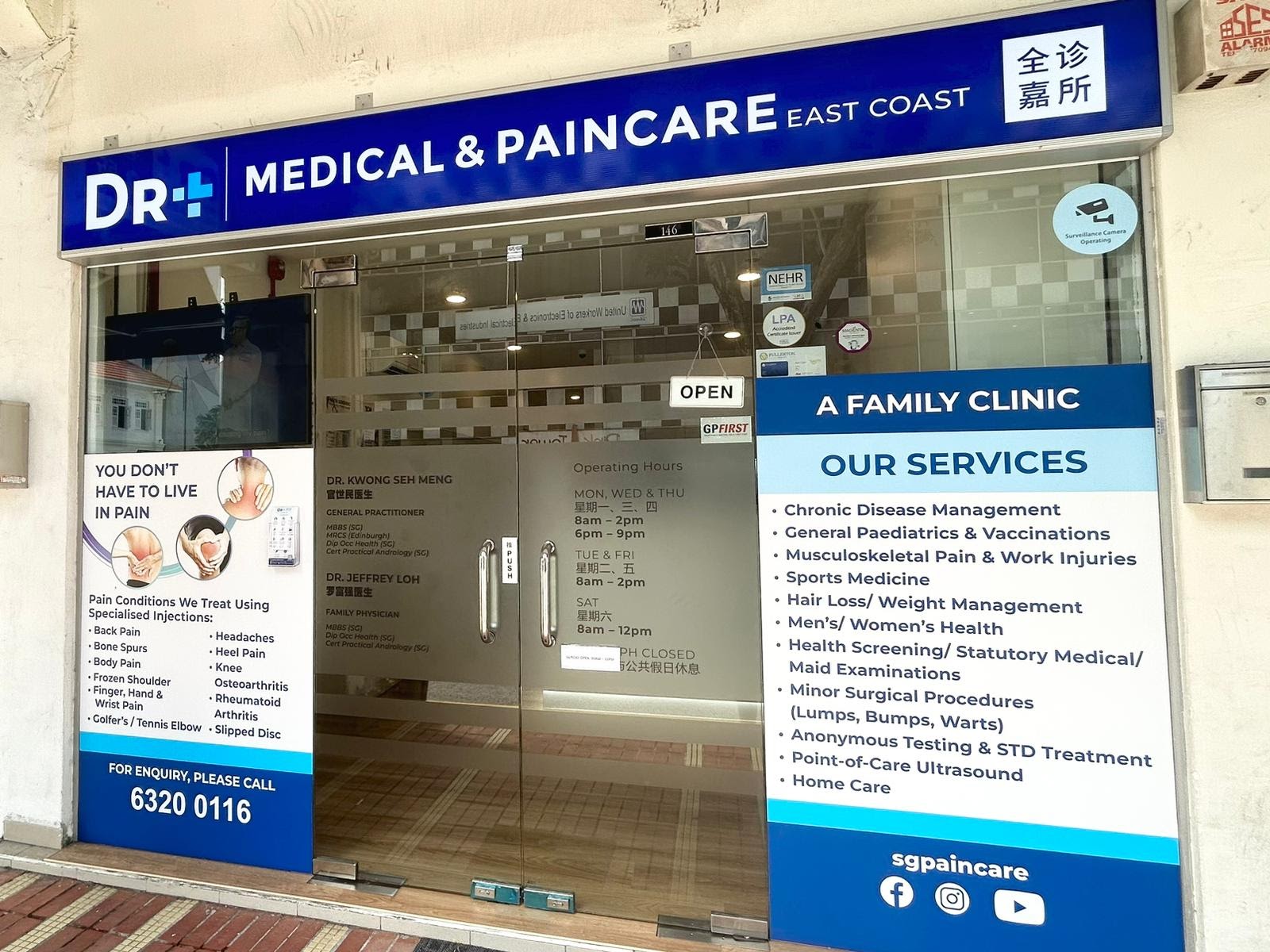
- Mon: 8:00am – 2:00pm, 6:00pm – 9:00pm
- Tue & Wed: 8:00am – 3:00pm
- Thu: 8:00am – 3:00pm, 6:00pm – 9:00pm
- Fri: 8:00am – 2:00pm
- Sat: 8:00am – 12:00pm
- Sun: 10:00am – 1:00pm
- PH: Closed
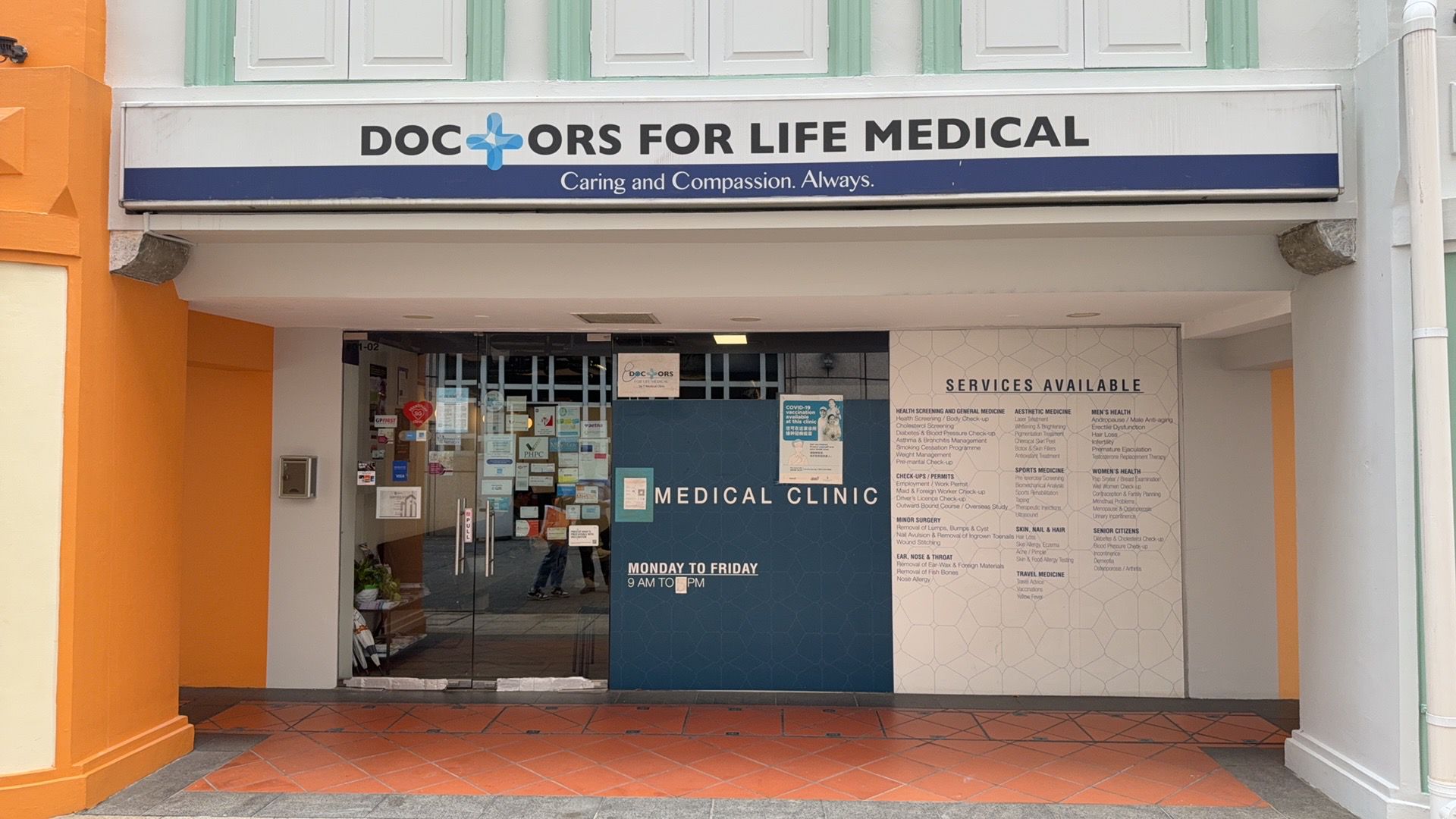
- Mon – Fri: 9:00 am–5:30 pm
- Closed on Sat, Sun & PH
-
(Kindly note that clinic’s last registration is 15 minutes before closing time.)
POCUS-guided shockwave therapy at DR+ East Coast
At DR+ East Coast, shockwave therapy can be guided by point-of-care ultrasound (POCUS). This is available only at our East Coast clinic.
- Find the pain source: the doctor scans the painful area to look for tendon thickening, tears, calcium deposits or fluid.
- Target the treatment: the exact spot is located and marked on ultrasound before the shockwave applicator is placed.
- Track progress: the area can be re-scanned at follow-up visits to see how the tissue is changing.
Ultrasound scanning is quick, painless and uses no radiation. Enquire DR+ East Coast to ask about POCUS-guided shockwave therapy.
Need Advice On Your Condition?
Please fill out the form and we will be in touch with you shortly.
Frequently Asked Questions
Does shockwave therapy work?
Shockwave therapy can reduce pain and improve function in chronic tendon conditions that have not responded to simpler treatments, and it is supported by NICE guidance for conditions such as plantar fasciitis and tennis elbow. Results vary between individuals and depend on the condition and how long it has been present.
Is shockwave therapy painful?
Shockwave therapy can feel stronger over very tender or inflamed areas, which is why some people find the first session the most uncomfortable. No anaesthesia is needed, and you can tell your doctor at any time if it feels too strong so the intensity can be lowered.
How long do shockwave therapy results last?
Once the treated tissue has healed, many people find the improvement lasts, especially when they keep up the exercises and activity changes their doctor recommends. Pain can return if the original cause, such as overuse or unsuitable footwear, continues.
Can shockwave therapy be repeated?
Shockwave therapy can be repeated if your pain has improved only partly. Your doctor will review your progress first and decide whether a further course, a different treatment or a referral is more suitable.
Is shockwave therapy covered by insurance, CHAS or MediSave?
Shockwave therapy sessions are not covered by CHAS and are generally not claimable under MediSave, although eligible Singapore Citizens can use CHAS subsidies for their GP consultation. Some private or corporate insurance plans may cover shockwave therapy, so please check with your insurer and our clinic team.
Do I need a referral for shockwave therapy?
You do not need a referral for shockwave therapy at DR+. You can walk in or WhatsApp the clinic, and a doctor will assess you first to confirm that shockwave therapy is suitable.
Last Updated 1 Oct 2026, Medically reviewed by Dr Kwong Seh Meng, MBBS (Singapore) | MRCS (Edinburgh) | Grad Dip Occ Health (NUS) | Grad Dip Sports Med (NTU) | Grad Dip Paediatrics (Ireland) , DR+ Medical & Paincare East Coast