

Weight Management
GP Guided Weight Management
You’ve tried diets, workouts, maybe a few quick fixes, with limited or short-lived results. That’s rarely about discipline alone. Hormones, metabolism, genetics and lifestyle all play a part. DR+ GPs assess your full health picture and build a plan around it, whether that’s nutrition and activity coaching, behavioural support, or medical options where appropriate.
Oveview
GP weight management in Singapore is a structured, doctor-led approach to managing body weight and related health risks. A GP assesses your medical history, metabolic health and lifestyle. From there, they recommend a plan combining nutrition guidance, physical activity, behavioural support and, for eligible patients, medical or prescription options — all under ongoing supervision.
Why losing weight is harder than "eat less, move more"
Many patients who come to us have already tried calorie counting, intermittent fasting, gym programmes and meal plans. Some lost weight initially, only to see it return. This pattern is common, and it isn’t a personal failing.
When you reduce calorie intake, your body responds by increasing hunger signals and slowing your metabolism, a survival mechanism called metabolic adaptation. The more diet cycles you’ve been through, the stronger this response tends to become, which is why repeated dieting often gets harder, not easier, over time.
In Singapore, this is compounded by long working hours, food courts on every corner, irregular sleep and high day-to-day stress. Genetics, hormonal shifts, certain medications and underlying conditions such as thyroid disorders or PCOS can also make weight harder to manage, regardless of effort.
This is why a medical assessment matters. It identifies what’s actually driving the difficulty, so your plan addresses the cause rather than repeating the same approach that hasn’t worked.
Health conditions linked to excess weight
Excess body weight, especially visceral fat around the abdomen, significantly increases the risk of a wide range of conditions. Managing weight is not only about how you look or feel — it directly affects your long-term health.
Type 2 diabetes and insulin resistance
Excess fat, particularly around the abdomen, impairs the body’s ability to use insulin effectively. Over time, prediabetes progresses to type 2 diabetes. Even a 5–10% reduction in body weight improves blood sugar control in many patients.
High blood pressure and cardiovascular risk
Additional body mass increases the demand on the heart and blood vessels. Hypertension, high cholesterol and elevated risk of heart attack and stroke are strongly associated with overweight and obesity.
Fatty liver disease (MASLD)
Metabolic dysfunction-associated steatotic liver disease (formerly NAFLD) is closely linked to obesity. It progresses silently over years and can lead to liver inflammation and scarring if unmanaged.
PCOS and hormonal imbalances
In women, excess weight is associated with polycystic ovary syndrome (PCOS), which affects hormonal balance, menstrual regularity and fertility. Thyroid disorders can also contribute to weight gain and make weight loss harder. A GP assessment can identify whether a hormonal factor is at play.
Joint pain and osteoarthritis
Every additional kilogram increases the load on weight-bearing joints. Knee pain, hip pain, lower back discomfort and plantar fasciitis are all worsened by excess weight. Weight reduction, even modest, reliably improves joint symptoms.
Sleep apnoea and fatigue
Excess fat around the neck and throat narrows the airway during sleep, contributing to obstructive sleep apnoea. This leads to poor sleep quality, chronic fatigue and daytime impairment — and is significantly improved by weight loss.
When is medical weight management appropriate?
Not everyone needs a structured medical programme. But the following are clear signals that a GP assessment is the right next step.
No results despite diet and exercise
If consistent calorie control and regular physical activity aren’t producing results, a clinical assessment can identify underlying causes, such as insulin resistance, thyroid dysfunction, PCOS or metabolic adaptation from repeated dieting.
Weight-related health conditions present
Type 2 diabetes, high blood pressure, fatty liver, high cholesterol, sleep apnoea or joint pain make weight loss more complex and benefit from medical supervision. Your GP can manage these alongside your weight programme.
Suspected hormonal or metabolic cause
Unexplained weight gain, difficulty losing weight despite effort, fatigue, irregular periods or other hormonal symptoms may point to a treatable underlying condition. A GP blood panel can screen for thyroid dysfunction, PCOS and related issues.
How do I know if I need a GP-guided weight management programme?
Two key measures help answer this — BMI and waist circumference. For Asian populations in Singapore, the risk thresholds are lower than Western standards, so many people are at elevated metabolic risk without realising it. Use the calculator below as a starting point, then speak to a DR+ GP for a full clinical picture.
Asian BMI thresholds (Singapore)
- BMI 23–27.4: Overweight. Elevated metabolic risk begins here for Asian populations.
- BMI 27.5–29.9: Obese Class I. Significant risk of diabetes, hypertension and cardiovascular disease.
- BMI 30+: Obese Class II or above. High priority for medical assessment.
Waist circumference (Asian thresholds)
- Men: above 90 cm signals excess abdominal fat and increased metabolic risk.
- Women: above 80 cm is the threshold for elevated risk in Asian populations.
- A high waist circumference alongside a borderline BMI is a clear indicator that a medical assessment is worthwhile.
Where do you stand? Check your BMI
BMI is a screening tool, not a diagnosis. But it’s a useful starting point, and in Singapore, the healthy thresholds for Asian populations are lower than the Western standard most online calculators use.
Not sure if medical support is right for you?
A DR+ GP assessment will clarify your options. No commitment required.
How your consultation works?
Every programme begins with a structured medical assessment, not a generic diet sheet. Understanding what's driving your weight is the foundation of a plan that actually holds.
Comprehensive assessment
Your GP reviews your BMI, body composition, blood markers (glucose, lipids, liver function) and medical history. Thyroid and hormonal factors are assessed where clinically relevant, alongside your weight-related health risks.
Personalised plan
Your GP recommends a combination of nutrition guidance, physical activity, behavioural support and, for eligible patients, medical or prescription options under supervision. No two plans are identical.
Regular progress reviews
Most patients return monthly at first, then every 2 to 3 months once things stabilise. Blood markers are rechecked, your plan is adjusted, and any medication dosage is reviewed.
Maintenance and long-term plan
Once you reach your goal, your GP helps you transition to a maintenance plan. This may include continued lifestyle coaching, periodic reviews, and, where medication was used, a gradual tapering approach to support lasting results.
Weight Management Approaches at DR+ Medical & Paincare Clinic

Nutrition guidance
Practical, realistic dietary changes tailored to your routine, food preferences and any existing conditions such as diabetes or high cholesterol. You won’t be asked to give up your favourite hawker dishes entirely, just to rethink portions and frequency.

Physical activity planning
Activity recommendations that account for joint pain, mobility limitations or other physical constraints, built up gradually. Aim for around 150 minutes of moderate activity weekly, plus strength training, where appropriate for you.

Behavioural and habit support
Ongoing check-ins to support sustainable habit change, address emotional or stress-driven eating patterns, and keep you accountable between visits, without judgement.

Medical support, where appropriate
For eligible patients, this may include prescription-only medications such as GLP-1 receptor agonists, available only after a full clinical assessment confirms suitability, alongside lifestyle support.
What is GLP-1 Receptor Agonists?
How GLP-1 receptor agonists work??
Appetite regulation
These medications mimic a natural hormone (GLP-1) produced in your gut after eating, helping the brain receive stronger fullness signals and reducing hunger and cravings between meals.
Slower digestion, better blood sugar control
Originally developed for type 2 diabetes, these medications slow gastric emptying and stimulate insulin release, improving blood sugar control alongside weight changes.
HSA-regulated in Singapore
Certain GLP-1-based medications are approved by Singapore’s Health Sciences Authority (HSA) for weight management in eligible adults under defined BMI and health criteria. These remain prescription-only medicines.
What are the Side Effects of GLP-1 receptor agonists
GLP-1-based medications are generally well-tolerated when doses are increased gradually, typically over the first 12 to 16 weeks. Your DR+ GP will explain what’s normal during this adjustment period and what to flag.
Common — usually temporary
Less common — tell your doctor
Our Doctors












Our Clinics
- Mon – Fri: 9:00 am–5:30 pm
- Closed on Sat, Sun & PH
-
(Kindly note that clinic’s last registration is 15 minutes before closing time.)

- Mon, Wed & Fri: 8:30am – 12:30pm, 1:30pm – 4:30pm, 6:00pm – 9:00pm
- Tue & Thu: 8:30am – 12:30pm, 1:30pm – 4:30pm
- Sat: 8:30am – 12:30pm
- Closed on Sun & PH
-
(Kindly note that clinic’s last registration is 15 minutes before closing time.)

- Mon & Wed: 8:30am – 3:30pm, 5pm – 8pm
- Tue , Thu & Fri: 8:30am – 3:30pm
- Sat: 8:30am – 12:30pm
- Closed on Sun & PH
-
(Kindly note that clinic’s last registration is 15 minutes before closing time.)

Singapore 640221
- Mon to Fri: 8:00am – 4:00pm
- Sat: 8:00am – 12:00pm
Sun: Closed - PH: Closed
-
(Kindly note that clinic’s last registration is 15 minutes before closing time.)
- Mon & Tue: 9am to 1pm, 2pm to 4pm, 6:30pm to 9:30pm
- Wed, Thu & Fri: 9am to 1pm, 2pm to 5pm
- Sat: 9am to 1pm
- Closed on Sun & PH
-
(Kindly note that clinic’s last registration is 15 minutes before closing time.)

#01-54 The Midtown, Singapore 533971
- Mon & Tue: 8:00am – 12:30pm, 1:30pm – 5:00pm, 6:00pm – 9:00pm
- Wed: 8:00am – 12:30pm, 6:00pm – 9:00pm
- Thu: 8:00am – 12:30pm, 1:30pm – 5:00pm
- Fri: 8:00am – 12:30pm, 6:00pm – 9:00pm
- Sat: 8:00am – 12:00pm
- Sun & PH: Closed
(Kindly note that clinic’s last registration is 15 minutes before closing time.)
- Mon: 8:00am – 2:00pm, 6:00pm – 9:00pm
- Tue & Wed: 8:00am – 3:00pm
- Thu: 8:00am – 3:00pm, 6:00pm – 9:00pm
- Fri: 8:00am – 2:00pm
- Sat: 8:00am – 12:00pm
- Sun: 10:00am – 1:00pm
- PH: Closed
Singapore 520844
- Mon, Tue, Thu, Fri: 8:00am – 4:00pm
- Wed: 8:00am – 4:00pm, 6:00pm – 9:00pm
- Sat: 8:30am – 12:30pm
- Sun & PH: Closed
-
-
(Our clinic is open during lunch hours)
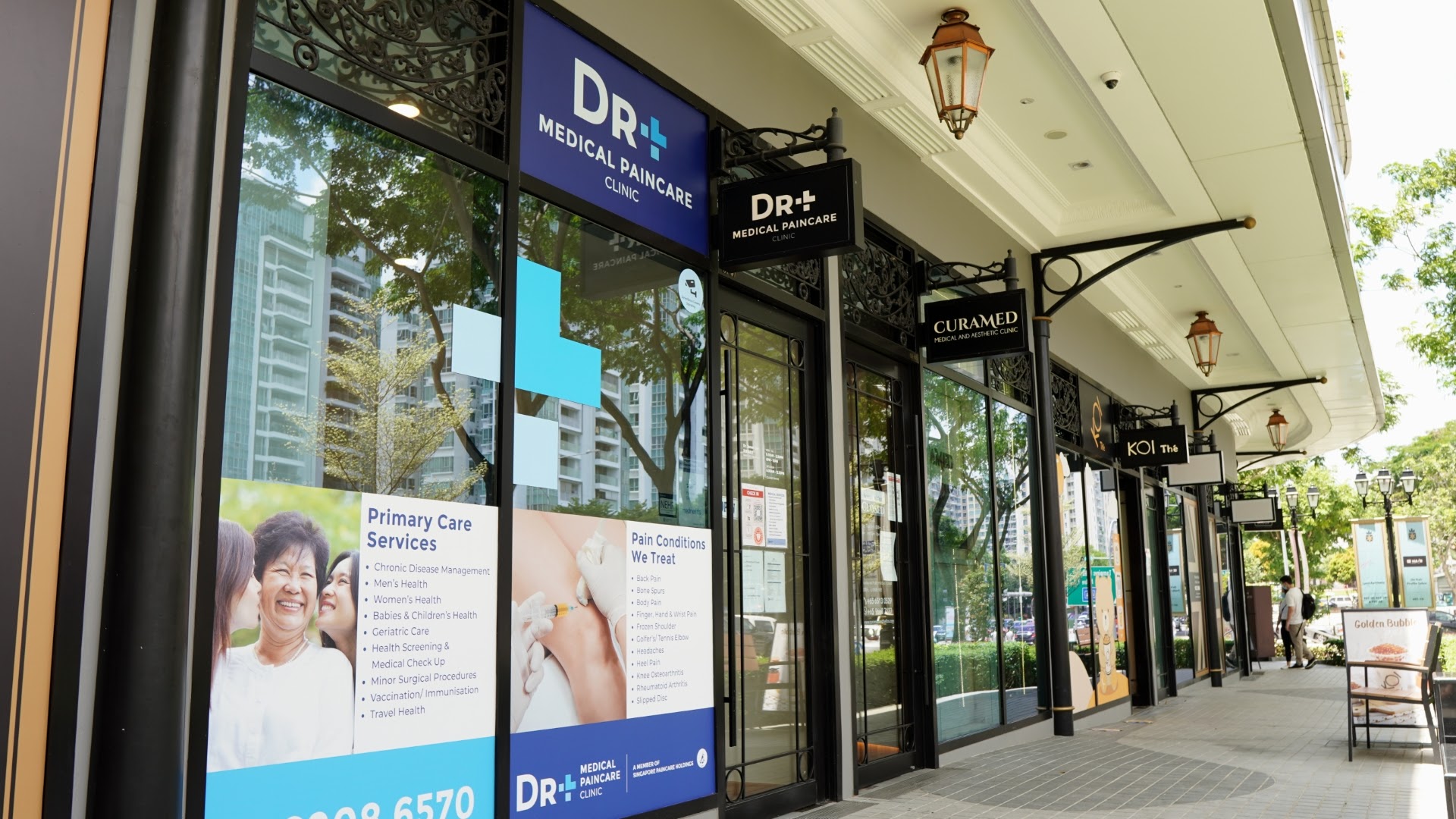
988 Upper Serangoon Rd, Singapore 534733
- Mon to Fri: 8:30am – 2:30pm, 6:00pm – 10:00pm
- Sat & Sun: 8:30am – 12:30pm
- PH: Closed
-
(Kindly note that clinic’s last registration is 15 minutes before closing time.)
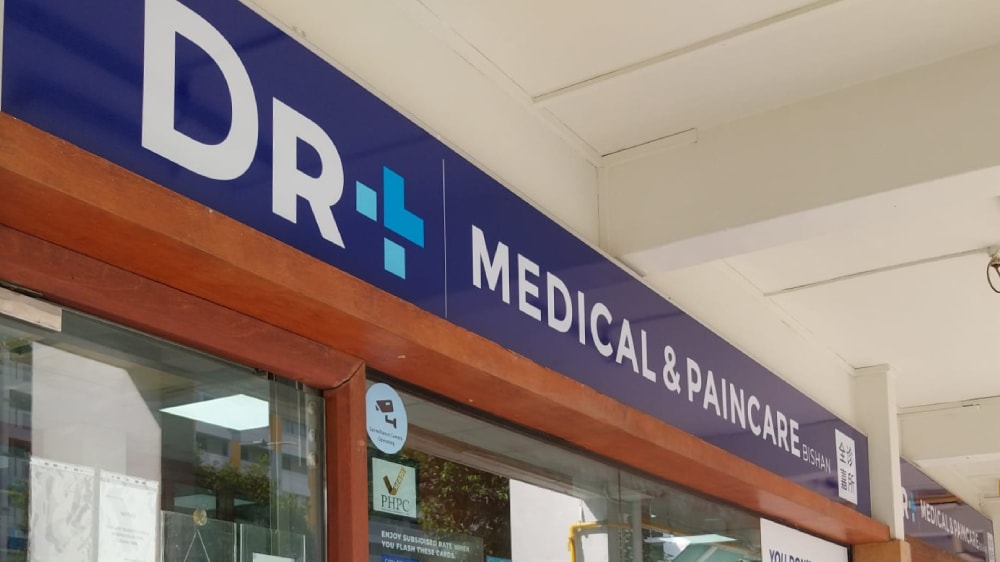
#01-95, Singapore 570121
- Mon, Wed, Thu & Fri: 8:00am – 5:00pm, 6:00pm – 9:00pm
- Tue: 8:00am – 5:00pm
- Sat & Sun: 8:00am – 1:00pm
- PH: Closed
-
(Kindly note that clinic’s last registration is 15 minutes before closing time but may close earlier if the queue is unusually long.)

Thomson Imperial Court, Singapore 574424
- Mon to Wed: 8:30am – 10:00pm
- Thu: 8:30am – 3:00pm, 6:00pm-9:30pm
- Fri: 8:30am – 6:00pm
- Sat & Sun: 9:00am – 3:00pm
- PH: Closed
-
(Kindly note that clinic’s last registration is 15 minutes before closing time.)

Singapore 730018
- Mon: 8:00am – 9:00pm
- Tue – Fri: 8:00am – 4:30pm, 7:00pm – 9:00pm
- Sat: 8:00am – 12:30pm
- Sun & PH: Closed
-
Kindly note that clinic’s last registration is 15 minutes before closing time.
-
(Last registration timing – Mon: 8:45pm, Tue – Fri: 4:15pm & 8:45pm, Sat: 12:15pm)
Frequently Asked Questions
1. Can a GP in Singapore prescribe weight management medications?
Yes. Licensed GPs in Singapore can prescribe weight management medications, including HSA-approved prescription-only medicines, after a clinical assessment confirms eligibility. DR+ GPs conduct a comprehensive medical review before recommending any prescription treatment, to ensure it is appropriate for your individual health profile and medical history.
2. What is the Asian BMI threshold for being overweight in Singapore?
In Singapore, a BMI of 23 or above is considered overweight for Asian populations, and 27.5 or above signals elevated metabolic risk, including higher likelihood of type 2 diabetes and cardiovascular disease. These thresholds are lower than the Western standard of 25 and 30 respectively. Your DR+ GP will explain how your BMI relates to your personal health risk.
3/ Do I have to go on medication for weight management at DR+?
No. Many patients manage their weight through nutrition guidance, physical activity planning and behavioural support alone. Medical or prescription options are only considered for patients who meet specific clinical criteria, and are discussed as one part of a broader plan, never a requirement.
4/ What happens after I reach my target weight?
Your DR+ GP will guide you through a maintenance plan to help sustain your results, which may include continued lifestyle coaching, periodic reviews, and, where medication was used, a gradual tapering plan. Obesity is treated as a chronic condition, so ongoing follow-up matters even after your goal is reached.
5. Is weight management covered by Medisave or CHAS?
Consultations at DR+ may be claimable under CHAS for eligible patients. Healthier SG-enrolled patients can access subsidised health screenings that monitor key markers relevant to weight management, including fasting glucose and lipid profiles. Medication costs are generally out-of-pocket and not covered by Medisave.
6. Do I need a referral to see a DR+ GP for weight management?
No referral is needed. Walk-ins are welcome at all 12 DR+ clinics during operating hours. You can also book an appointment via our website or WhatsApp. Last registration is 15 minutes before closing time.
7. Can hormones or PCOS cause weight gain that's hard to treat?
Yes. Hormonal imbalances — including thyroid dysfunction, polycystic ovary syndrome (PCOS), insulin resistance and cortisol dysregulation — can cause weight gain or make it significantly harder to lose weight, even with consistent diet and exercise. A GP blood panel can screen for these conditions as part of your initial assessment at DR+. Where a hormonal cause is identified, it is managed alongside your weight programme.
Need Advice On Your Condition?
Please fill out the form and we will be in touch with you shortly.