
Postherpetic Neuralgia

Overview
Postherpetic neuralgia (PHN) is chronic nerve pain that persists in the area of a healed shingles rash, typically lasting beyond three months after the rash clears. It develops when the varicella-zoster virus damages nerve fibres during a shingles outbreak. According to SingHealth, PHN affects approximately 10 to 20 percent of people who develop shingles, with the proportion rising to as much as 50 percent among those aged 60 and above. At DR+, our pain-trained GPs assess and manage PHN in-clinic, from medication to nerve block procedures where needed.
What Is Postherpetic Neuralgia?
Postherpetic neuralgia develops after shingles, also known as herpes zoster, which itself is caused by reactivation of the varicella-zoster virus, the same virus responsible for chickenpox. After a chickenpox infection, the virus remains dormant in nerve tissue near the spinal cord for decades before reactivating in some people as shingles, producing a painful, blistering rash along the path of a single nerve. In most people the nerves recover as the rash heals. In others, the damaged nerves continue sending distorted or exaggerated pain signals to the brain long after the skin has cleared, and this ongoing nerve pain is what defines postherpetic neuralgia.
What Are the Symptoms of Postherpetic Neuralgia?
Symptoms are typically confined to the same skin area where the shingles rash previously occurred. Common presentations include:
Persistent Burning, Stabbing or Aching Pain
The hallmark symptom is pain that lasts more than three months after the shingles rash has healed. It is often described as burning, stabbing, aching or throbbing, and may be constant or come and go.
Allodynia
An unusual sensitivity in which ordinary contact, such as clothing, bedsheets or a light breeze, becomes painful. This is one of the most distinctive and disruptive features of PHN.
Paresthesia
Tingling, itching or numbness in the affected area, sometimes present alongside the pain rather than instead of it.
Pain That Follows the Original Rash Pattern
Because PHN pain is tied to the specific nerve affected by shingles, its location generally matches the area of the earlier rash. Pain on one side of the chest or upper back usually reflects a thoracic nerve, the most commonly affected site. Pain around the forehead, scalp or eye suggests the ophthalmic branch of the trigeminal nerve, which warrants closer monitoring given the risk to vision. Pain in the neck or shoulder points to a cervical nerve, while pain in the lower back, buttock or leg suggests a lumbar or sacral nerve. This is a general guide only and does not replace clinical assessment, since other conditions can produce pain in similar areas.
Sleep Disturbance and Fatigue
Pain is often worse at night, which disrupts sleep. Over time, this can contribute to fatigue, low mood and difficulty concentrating, particularly when pain has been present for several months.
When to Seek Urgent Medical Attention
Book a doctor’s review if pain or a new rash involves the eye, forehead or tip of the nose, since this may signal risk to vision. Urgent assessment is also needed for new weakness or loss of movement in the affected area, fever or spreading redness at the site of a healed rash, pain that is rapidly worsening rather than gradually settling, confusion or neck stiffness alongside the pain, or any new rash appearing well outside the original band, particularly in someone with a weakened immune system.
Living with Nerve Pain After Shingles?
Consult one of our DR+ GPs today for an in-clinic assessment and treatment plan
What Causes Postherpetic Neuralgia?
Postherpetic neuralgia has several well-established risk factors, though not everyone who develops shingles will go on to develop PHN.
Age
Nerve fibres in older adults recover more slowly from viral injury, so the risk of PHN rises steadily after age 60 and increases further after 70.
Severity of the Shingles Outbreak
A more extensive rash or more intense pain during the acute phase usually reflects greater nerve involvement, and is associated with a higher risk of PHN afterward.
Delayed Antiviral Treatment
Starting antiviral medication within 72 hours of the rash appearing helps limit viral replication and nerve damage. A delay beyond this window is associated with a higher chance of lingering pain.
Weakened Immune System
Conditions such as diabetes, cancer or HIV, and medications that suppress immune function, can reduce the body’s ability to control the virus and repair affected nerves.
Location of the Rash
Shingles affecting the face, particularly around the eye, or the torso appears to carry a somewhat higher likelihood of progressing to PHN compared with other sites.
Nerve Sensitisation
PHN involves both nerve damage at the original injury site and changes within the central nervous system, where repeated pain signals can lead to heightened, self-sustaining pain processing even after the skin has healed. This is why pain can persist well beyond the point where the rash looks fully resolved.
How Is Postherpetic Neuralgia Diagnosed?
Clinical History and Examination
There is no laboratory test that confirms PHN. A DR+ pain-trained GP will ask about a prior episode of shingles in the same location, confirm that pain has persisted for more than three months after the rash resolved, and examine the skin for allodynia or altered sensation along the affected nerve. Most cases are identified through this consultation alone, without imaging or blood tests. A pattern worth noting: patients often assume that once the rash has crusted over, the condition is resolved, and are caught off guard when pain continues afterward. Acute shingles pain and postherpetic neuralgia are distinct phases with different underlying mechanisms, which is why the assessment and treatment approach differs once the three-month mark is passed.
When Further Testing Is Needed
In less typical presentations, such as pain without a clear history of rash, further assessment may be needed to rule out other causes of nerve pain and confirm the connection to a previous varicella-zoster virus infection.
What Are the Treatment Options for Postherpetic Neuralgia?
Treatment follows a conservative-first approach, starting with medication and progressing to targeted procedures only if pain does not respond adequately.
Anticonvulsant Medication
Gabapentin and pregabalin are usually the first medications considered. They work by calming overactive nerve signalling and are generally well tolerated, though dosing in older adults is adjusted carefully.
Tricyclic Antidepressants
Amitriptyline and nortriptyline act on chemical messengers involved in how the brain and spinal cord process pain signals, and are often used alongside anticonvulsants, particularly when pain is affecting sleep.
Topical Lidocaine Patches
Applied directly over the painful skin to numb the area and reduce nerve signalling at the source. Useful for patients who cannot tolerate oral medication or who have pain limited to a small, well-defined area.
Peripheral Nerve Block
For patients whose pain does not respond adequately to medication, a peripheral nerve block may be considered. This involves injecting local anaesthetic and anti-inflammatory medication near the affected nerve to interrupt pain signals, and can serve both a diagnostic and a therapeutic purpose. DR+ pain-trained GPs assess suitability as part of an individualised pain management plan, and cases requiring more advanced spinal-level intervention may be referred to Singapore Paincare Center.
Our doctor will recommend the most suitable combination of treatments after assessing your pain pattern, severity and response to prior treatment. The most effective way to avoid postherpetic neuralgia altogether is prevention. Shingles vaccination at DR+ significantly lowers the risk of developing shingles in the first place and reduces the likelihood of PHN if shingles does occur, and eligible Singapore Citizens and Permanent Residents may receive government subsidies under CHAS.
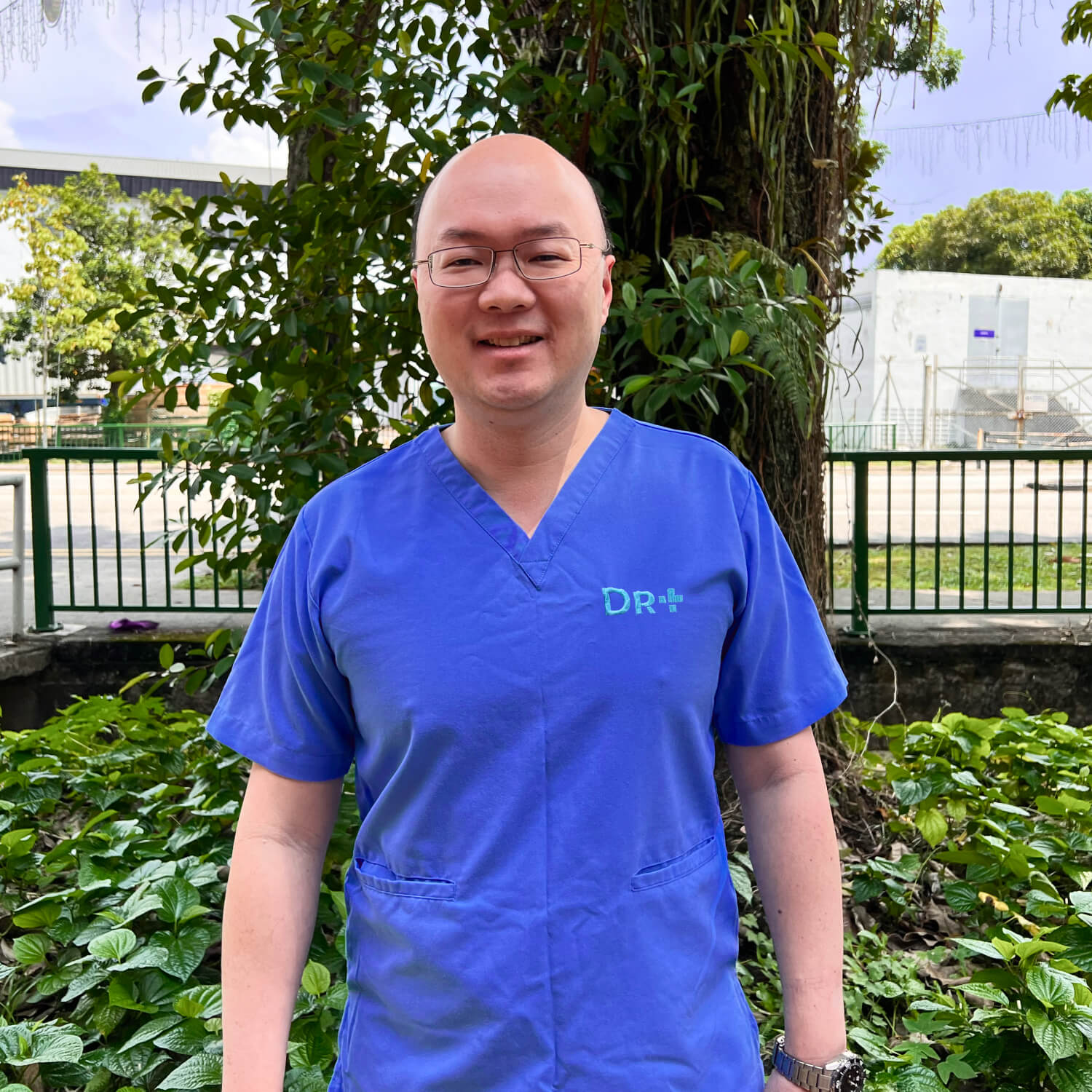
Our Doctors










How Can You Reduce Your Risk of Postherpetic Neuralgia?
- Get the shingles vaccine if you are aged 50 and above, or younger with a weakened immune system, under Singapore’s National Adult Immunisation Schedule
- Seek medical attention within 72 hours if you develop a new, painful, band-like rash, so antiviral treatment can start early
- Manage chronic conditions such as diabetes that can weaken immune function and slow nerve recovery
- Wear loose, soft clothing over any healing rash to reduce friction and irritation
- Keep a pain diary during a shingles episode to flag early signs of lingering nerve pain to your doctor
- Avoid delaying consultation if pain continues after the rash has visibly healed
Frequently Asked Questions (FAQ) About Postherpetic Neuralgia
What Is the Difference Between Shingles and Postherpetic Neuralgia?
Shingles is the acute viral infection causing a painful, blistering rash, typically lasting two to four weeks. Postherpetic neuralgia is a separate, longer-lasting condition where nerve pain continues in the same area for more than three months after the rash has fully healed, and needs a different treatment approach focused on nerve pain management rather than antiviral medication.
How Long Does Postherpetic Neuralgia Usually Last?
Duration varies widely. Some people improve gradually over several months, while others have symptoms persisting for a year or longer. Meaningful pain relief is achievable at any stage with appropriate treatment, and ongoing follow-up helps adjust the plan as symptoms change.
Can Postherpetic Neuralgia Be Prevented?
Shingles vaccination, recommended for adults aged 50 and above under Singapore’s National Adult Immunisation Schedule, is the most effective way to reduce risk. For those who already have shingles, starting antiviral treatment within 72 hours of the rash appearing can also help lower the risk of the pain becoming chronic.
Is Postherpetic Neuralgia Contagious?
No. Postherpetic neuralgia itself is not contagious. However, if the original shingles rash has active blisters, the varicella-zoster virus can spread to someone who has never had chickenpox or the chickenpox vaccine, causing chickenpox in that person rather than shingles.
Can a GP Treat Postherpetic Neuralgia?
Yes. A DR+ pain-trained GP can diagnose PHN, prescribe first-line medication, and assess suitability for a peripheral nerve block in-clinic. Cases needing more advanced spinal-level procedures may be referred to Singapore Paincare Center.
How Much Does Postherpetic Neuralgia Treatment Cost in Singapore?
Cost depends on the medications prescribed and whether procedures such as a peripheral nerve block are needed, and is confirmed transparently during your consultation before any treatment proceeds.
Our Clinics
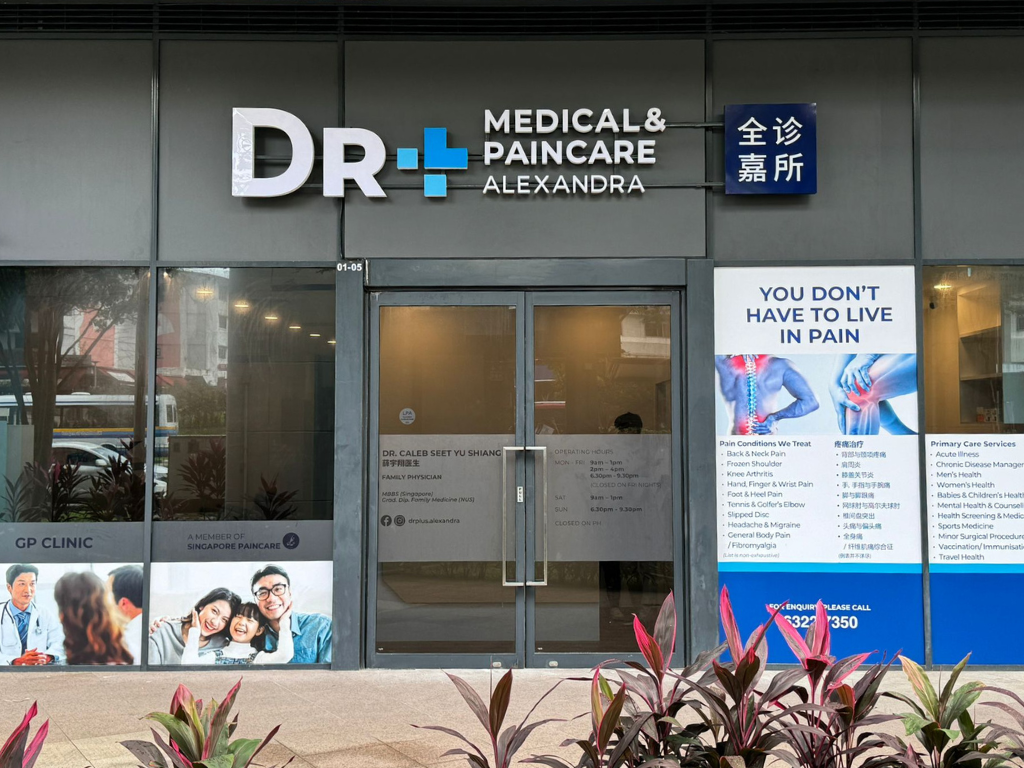
- Mon & Tue: 9am to 1pm, 2pm to 4pm, 6:30pm to 9:30pm
- Wed, Thu & Fri: 9am to 1pm, 2pm to 5pm
- Sat: 9am to 1pm
- Closed on Sun & PH
-
(Kindly note that clinic’s last registration is 15 minutes before closing time.)
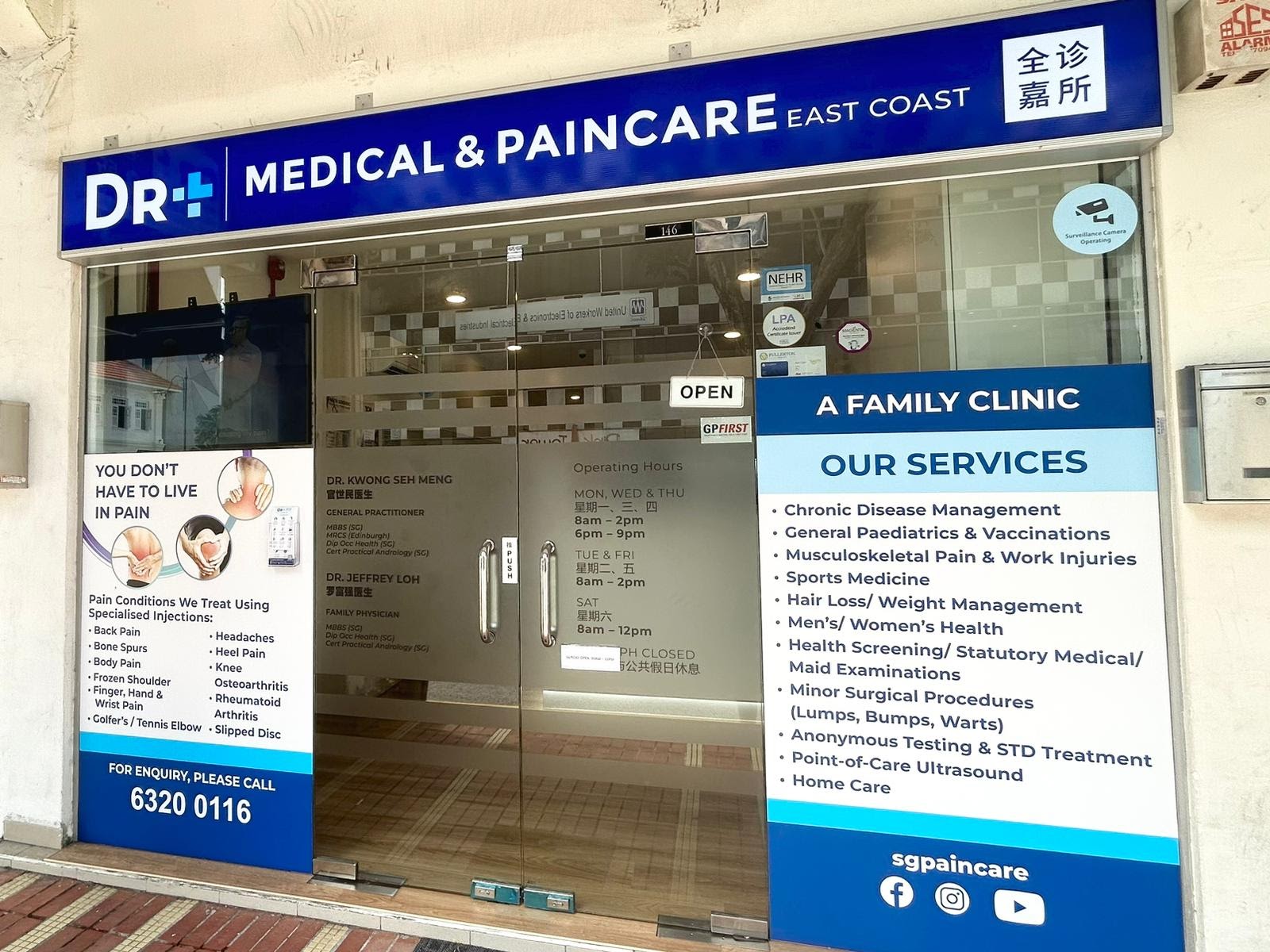
- Mon: 8:00am – 2:00pm, 6:00pm – 9:00pm
- Tue & Wed: 8:00am – 3:00pm
- Thu: 8:00am – 3:00pm, 6:00pm – 9:00pm
- Fri: 8:00am – 2:00pm
- Sat: 8:00am – 12:00pm
- Sun: 10:00am – 1:00pm
- PH: Closed

#01-54 The Midtown, Singapore 533971
- Mon & Tue: 8:00am – 12:30pm, 1:30pm – 5:00pm, 6:00pm – 9:00pm
- Wed: 8:00am – 12:30pm, 6:00pm – 9:00pm
- Thu: 8:00am – 12:30pm, 1:30pm – 5:00pm
- Fri: 8:00am – 12:30pm, 6:00pm – 9:00pm
- Sat: 8:00am – 12:00pm
- Sun & PH: Closed
(Kindly note that clinic’s last registration is 15 minutes before closing time.)
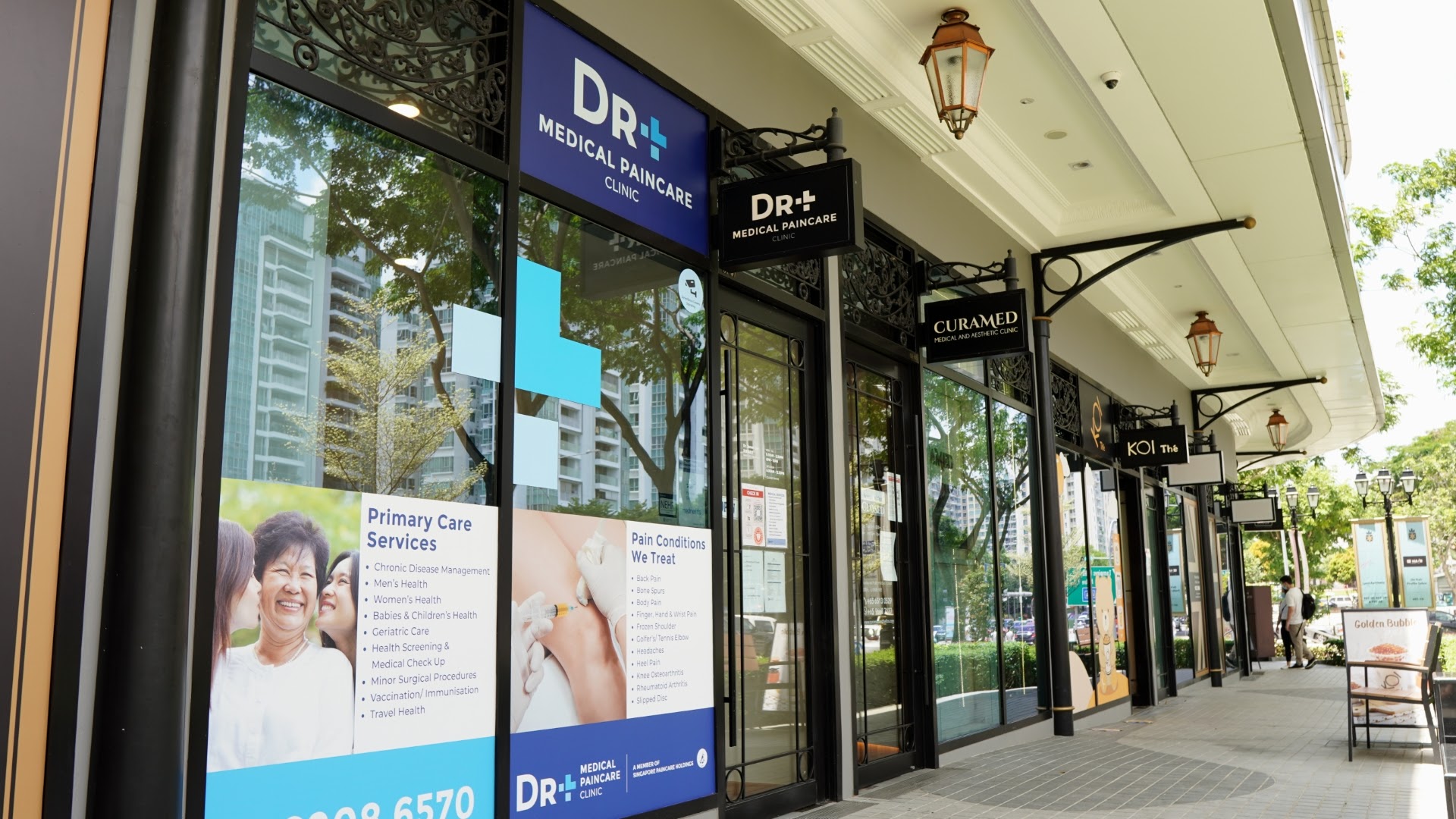
988 Upper Serangoon Rd, Singapore 534733
- Mon to Fri: 8:30am – 2:30pm, 6:00pm – 10:00pm
- Sat & Sun: 8:30am – 12:30pm
- PH: Closed
-
(Kindly note that clinic’s last registration is 15 minutes before closing time.)

Singapore 730018
- Mon: 8:00am – 9:00pm
- Tue – Fri: 8:00am – 4:30pm, 7:00pm – 9:00pm
- Sat: 8:00am – 12:30pm
- Sun & PH: Closed
-
Kindly note that clinic’s last registration is 15 minutes before closing time.
-
(Last registration timing – Mon: 8:45pm, Tue – Fri: 4:15pm & 8:45pm, Sat: 12:15pm)

Thomson Imperial Court, Singapore 574424
- Mon to Wed: 8:30am – 10:00pm
- Thu: 8:30am – 3:00pm, 6:00pm-9:30pm
- Fri: 8:30am – 6:00pm
- Sat & Sun: 9:00am – 3:00pm
- PH: Closed
-
(Kindly note that clinic’s last registration is 15 minutes before closing time.)

- Mon, Wed & Fri: 8:30am – 12:30pm, 1:30pm – 4:30pm, 6:00pm – 9:00pm
- Tue & Thu: 8:30am – 12:30pm, 1:30pm – 4:30pm
- Sat: 8:30am – 12:30pm
- Closed on Sun & PH
-
(Kindly note that clinic’s last registration is 15 minutes before closing time.)
Need Advice On Your Condition?
Please fill out the form and we will be in touch with you shortly.