

Weight Management Clinic Singapore
GP Supervised Weight Management Programme
Eating carefully. Staying active. And still not getting there. If that sounds familiar, the issue may not be effort. It may be biology.
DR+ GPs assess what’s actually driving the difficulty and build a programme around it, so the work you’re already putting in has something to build on.
Overview
GP-supervised weight management is a programme combining blood tests, hormonal screening, and an individualised nutrition, lifestyle and — where appropriate — medical plan, developed with your GP. At DR+, a weight management clinic in Singapore, your GP identifies what’s actually driving the difficulty, such as insulin resistance, thyroid dysfunction or PCOS, before building your programme around it, with ongoing review at every visit.
What Is GP Supervised Weight Management Programme?
GP-supervised weight management is a structured approach to achieving and maintaining a healthy weight, beginning with an assessment of your metabolism, hormonal profile and overall health. From there, your plan is built around your specific condition, not a generic template.
Weight loss can be more difficult than diet and exercise alone would suggest. When the body senses a calorie reduction, it increases hunger hormones and slows metabolic rate, a natural survival response known as metabolic adaptation. Conditions such as insulin resistance, thyroid dysfunction and PCOS can affect body weight in a similar way, often without the individual being aware of them. A GP assessment helps identify which of these factors may be affecting you, so your plan can be built around your specific biology.
Why Choose Our GP Supervised Weight Management Programme?
Every DR+ weight management programme is medically supervised and tailored to your condition, taking into account your health profile, your lifestyle and what has or hasn't worked for you before.
Nutrition Guidance
Practical, sustainable nutrition changes tailored to your eating patterns and schedule, reviewed and adjusted as your progress continues.
Activity Guidance
Regular check-ins with your doctor to monitor your progress and adjust your plan as needed.
Medical Treatment, Where Appropriate
Where your assessment supports it, your doctor will discuss prescription options, including a class of medications known as GLP-1 receptor agonists, for eligible patients. These are prescription-only and considered as one part of a broader plan.
Struggling To Manage Your Weight?
Consult one of our DR+ doctors today for a detailed consultation and a personalised treatment plan.
Your Weight Management Journey
First appointment
Assessment & Blood Tests
Your GP reviews your medical history and establishes your metabolic baseline. Blood tests screen for hormonal or metabolic factors that may be affecting your weight.
Weeks 1–4
Starting Your Plan
Nutrition and activity guidance begins. Where clinically appropriate, prescription options, which may include GLP-1 receptor agonists for eligible patients, are introduced at the lowest suitable dose and explained clearly.
Month 1–3
Monthly Review
Reviews cover blood markers, waist circumference and blood pressure, not just weight. Your plan is adjusted based on how your body responds.
Month 3 onwards
Long-Term Maintenance
Health markers are reviewed against your starting baseline, and a long-term maintenance plan is confirmed to support your continued progress.
Check your BMI
Most online calculators use Western BMI thresholds. For Asian populations in Singapore, the healthy range is narrower — the overweight threshold starts at BMI 23, not 25. Waist circumference matters equally, reflecting fat distribution that BMI alone doesn’t capture.
Asian BMI thresholds (Singapore)
- BMI Below 18.5: Underweight
- BMI 23–27.4: Overweight. Elevated metabolic risk begins here for Asian populations.
- BMI 27.5–29.9: Obese Class I. Significant risk of diabetes, hypertension and cardiovascular disease.
- BMI 30+: Obese Class II or above. High priority for medical assessment.
Waist circumference (Asian thresholds)
Visceral fat around the abdomen is a strong predictor of metabolic risk, independent of total body weight.
- Men: Above 90 cm — elevated risk threshold for Asians.
- Women: Above 80 cm — elevated risk threshold for Asians.
A high waist measurement alongside a borderline BMI is a signal worth acting on.
What Are the Benefits of Weight Management?
Managing your weight well does more than change how you look. The health benefits are significant — and for many patients, they arrive before the scale reflects the full picture.
Better blood sugar and energy
Improved insulin sensitivity supports steadier glucose and more consistent energy through the day.
Improved sleep
Reduced visceral fat and better metabolic health contribute to improved sleep quality, which in turn supports appetite regulation.
Less joint pain and better mobility
Reduced load on the knees, hips and lower back improves comfort and makes it easier to stay active.
Lower long-term health risk
Lower risk of type 2 diabetes, hypertension and cardiovascular disease, tracked at every visit.
Better mental clarity and mood
Stable blood glucose and better sleep both contribute to sharper focus; many patients notice this early.
Improved body composition
A plan that accounts for muscle preservation through adequate protein and activity guidance, not just a lower number on the scale.
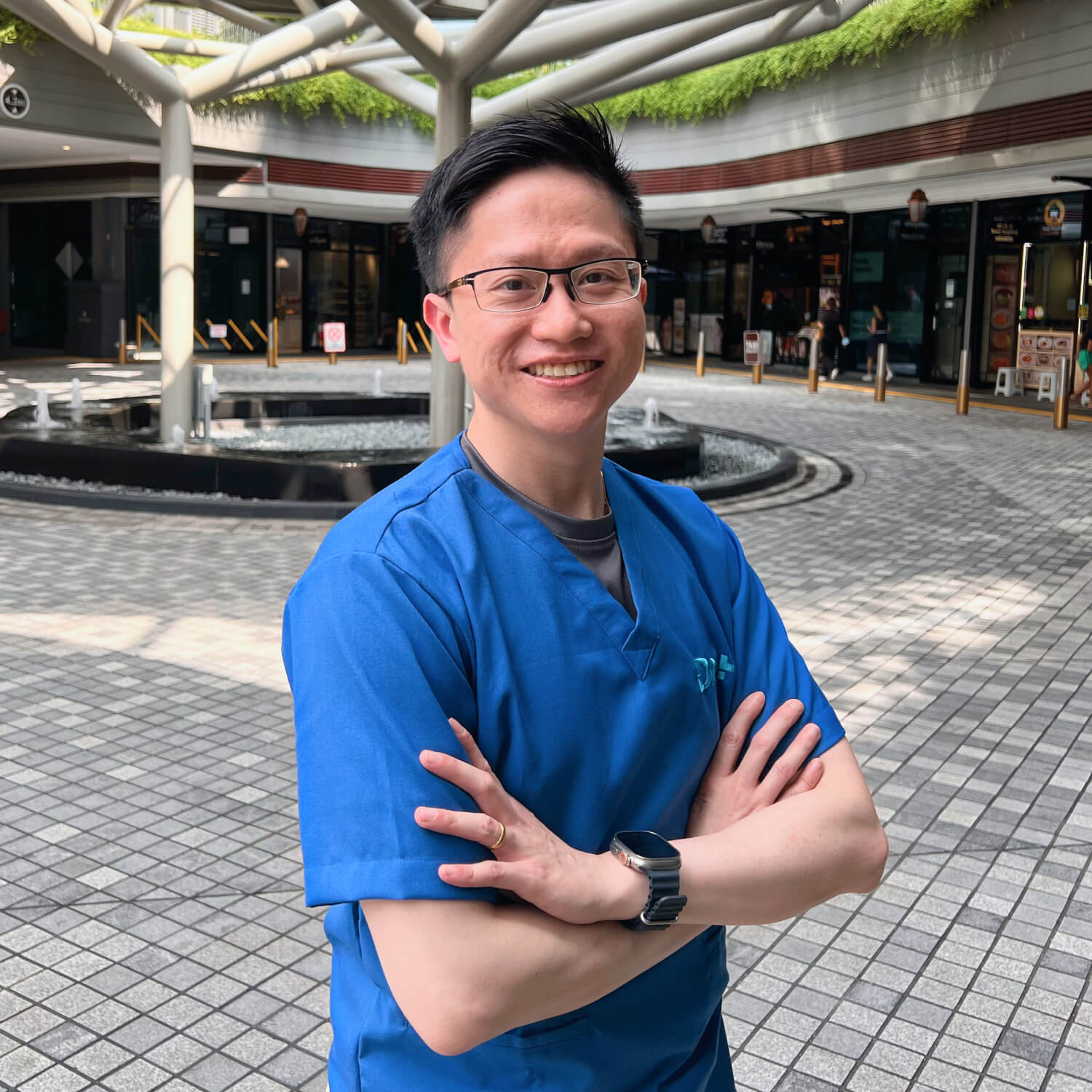
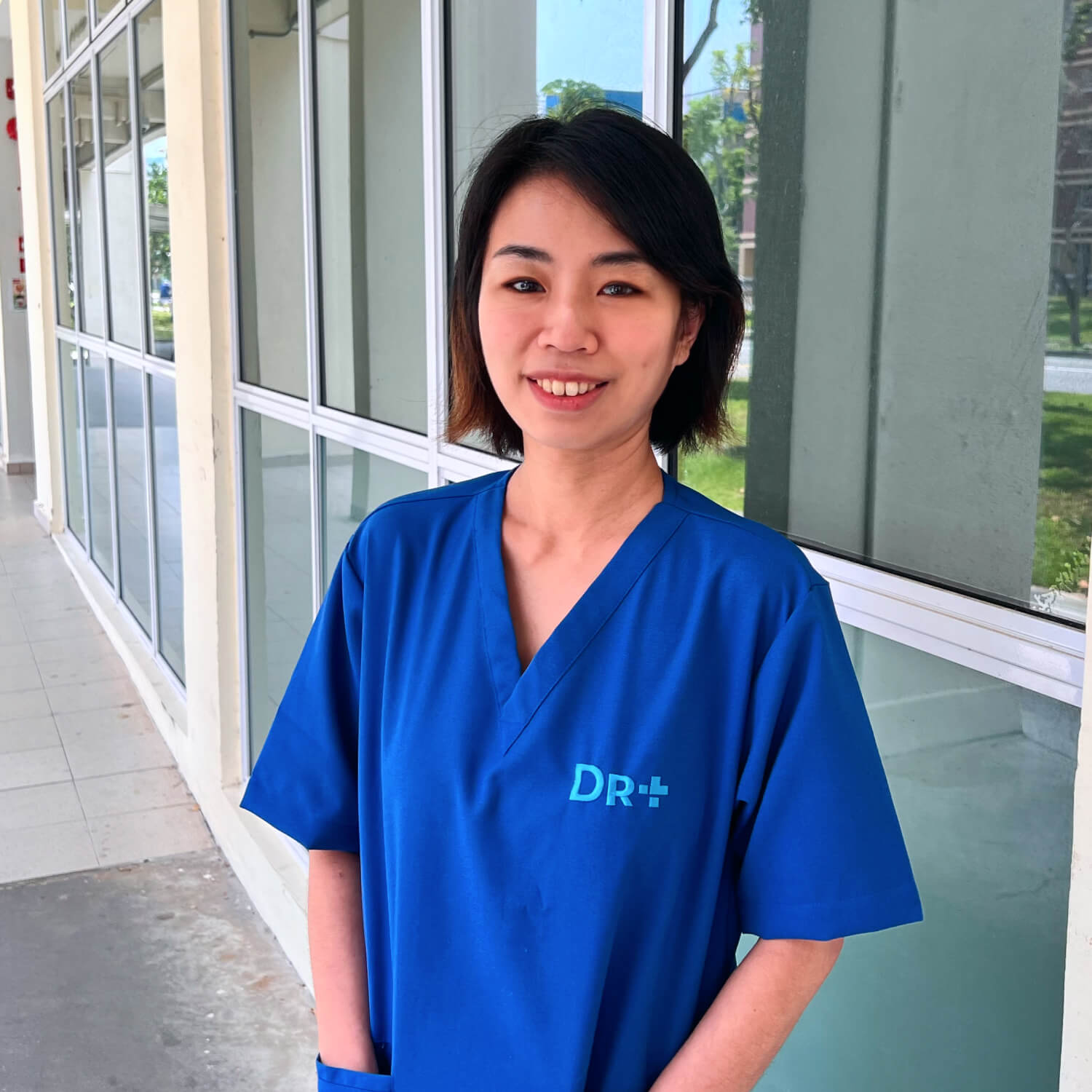
Our Doctors










Our Clinics
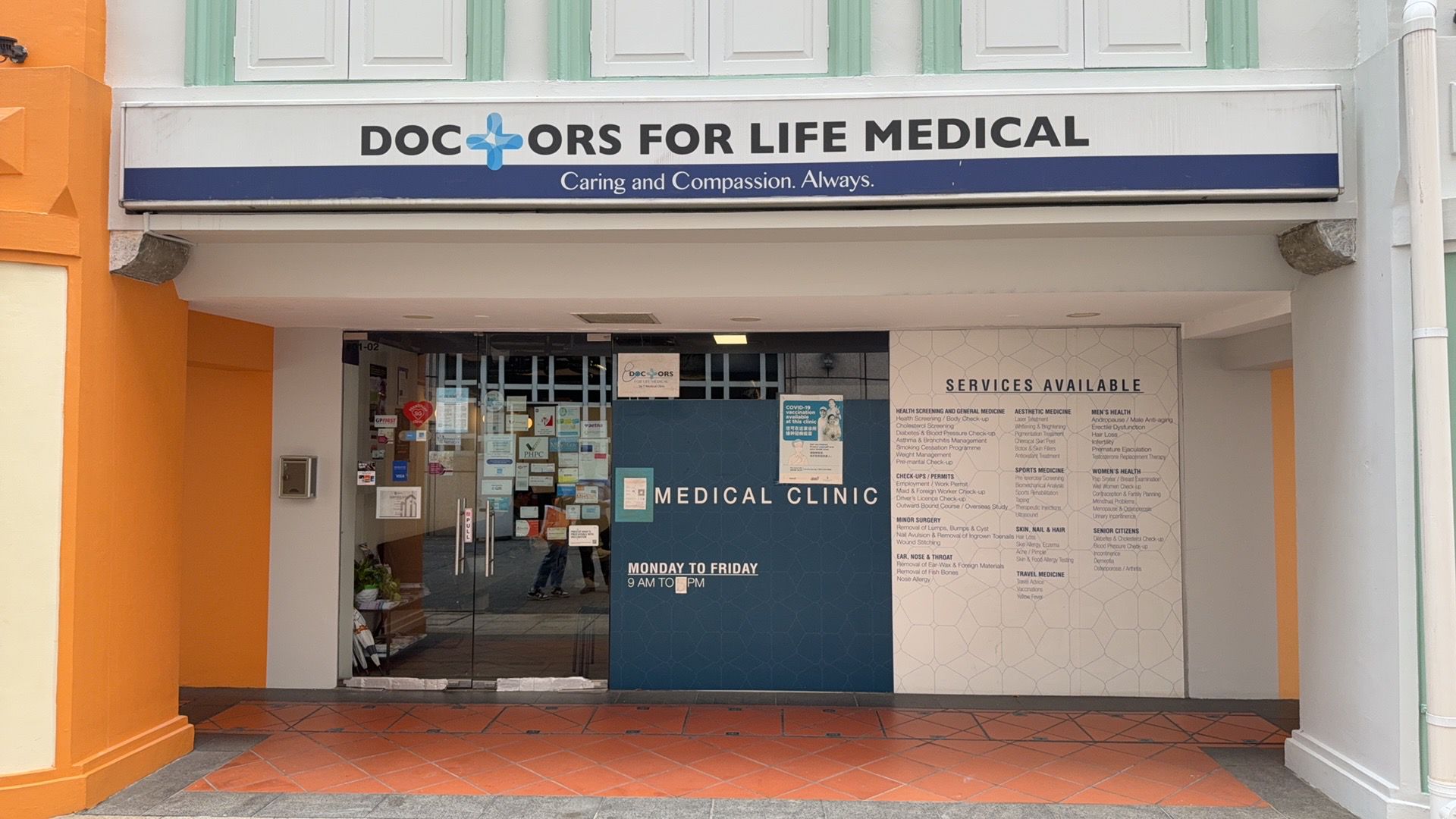
- Mon – Fri: 9:00 am–5:30 pm
- Closed on Sat, Sun & PH
-
(Kindly note that clinic’s last registration is 15 minutes before closing time.)

- Mon, Wed & Fri: 8:30am – 12:30pm, 1:30pm – 4:30pm, 6:00pm – 9:00pm
- Tue & Thu: 8:30am – 12:30pm, 1:30pm – 4:30pm
- Sat: 8:30am – 12:30pm
- Closed on Sun & PH
-
(Kindly note that clinic’s last registration is 15 minutes before closing time.)

- Mon & Wed: 8:30am – 3:30pm, 5pm – 8pm
- Tue , Thu & Fri: 8:30am – 3:30pm
- Sat: 8:30am – 12:30pm
- Closed on Sun & PH
-
(Kindly note that clinic’s last registration is 15 minutes before closing time.)

Singapore 640221
- Mon to Fri: 8:00am – 4:00pm
- Sat: 8:00am – 12:00pm
Sun: Closed - PH: Closed
-
(Kindly note that clinic’s last registration is 15 minutes before closing time.)
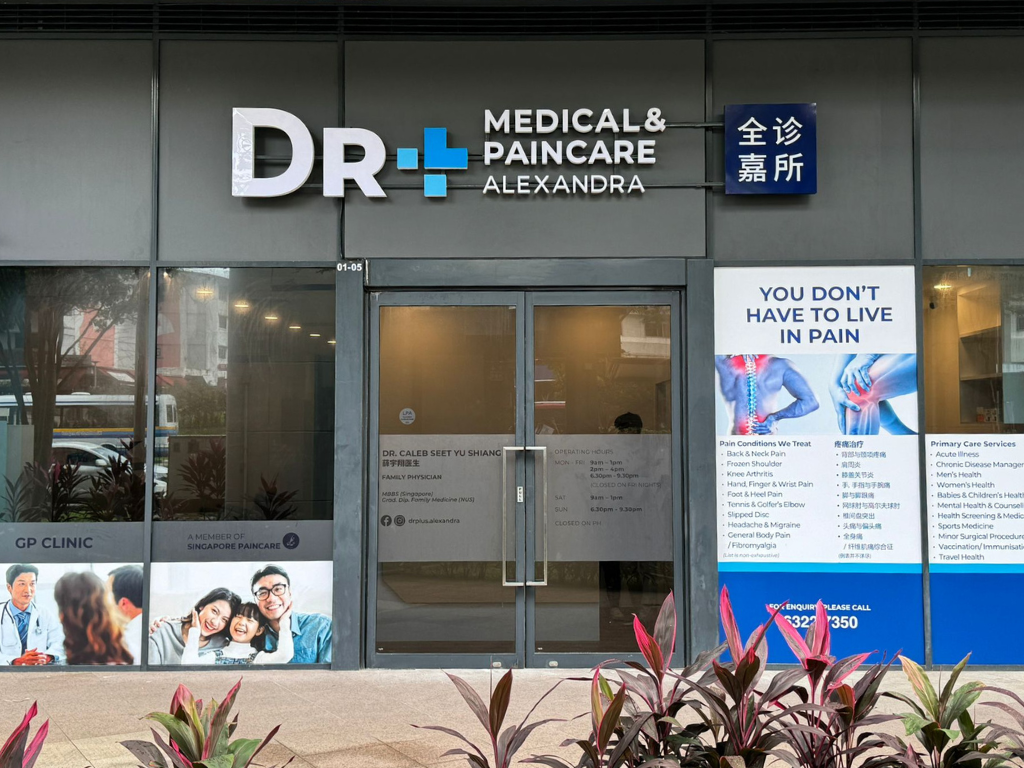
- Mon & Tue: 9am to 1pm, 2pm to 4pm, 6:30pm to 9:30pm
- Wed, Thu & Fri: 9am to 1pm, 2pm to 5pm
- Sat: 9am to 1pm
- Closed on Sun & PH
-
(Kindly note that clinic’s last registration is 15 minutes before closing time.)

#01-54 The Midtown, Singapore 533971
- Mon & Tue: 8:00am – 12:30pm, 1:30pm – 5:00pm, 6:00pm – 9:00pm
- Wed: 8:00am – 12:30pm, 6:00pm – 9:00pm
- Thu: 8:00am – 12:30pm, 1:30pm – 5:00pm
- Fri: 8:00am – 12:30pm, 6:00pm – 9:00pm
- Sat: 8:00am – 12:00pm
- Sun & PH: Closed
(Kindly note that clinic’s last registration is 15 minutes before closing time.)
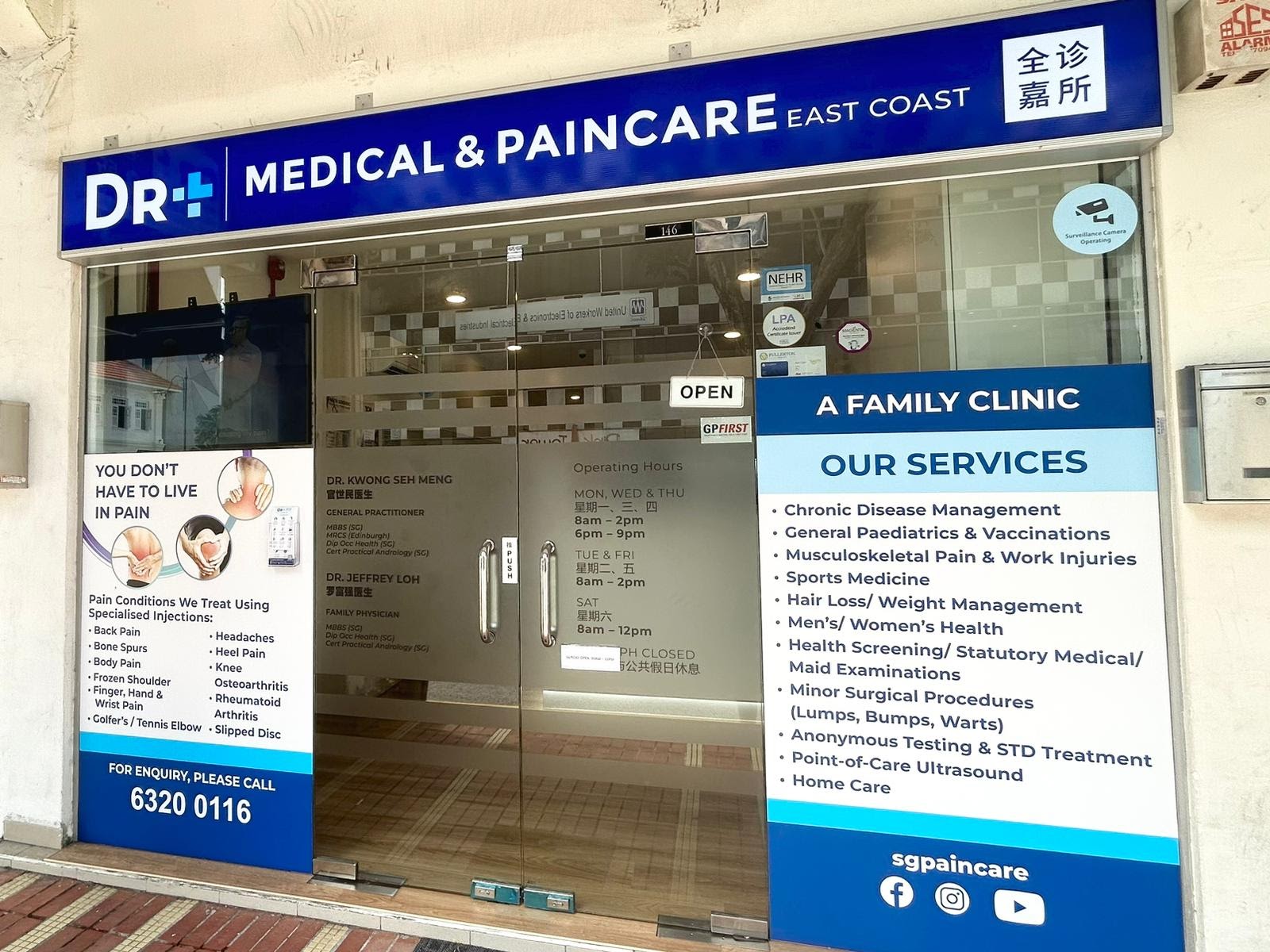
- Mon: 8:00am – 2:00pm, 6:00pm – 9:00pm
- Tue & Wed: 8:00am – 3:00pm
- Thu: 8:00am – 3:00pm, 6:00pm – 9:00pm
- Fri: 8:00am – 2:00pm
- Sat: 8:00am – 12:00pm
- Sun: 10:00am – 1:00pm
- PH: Closed
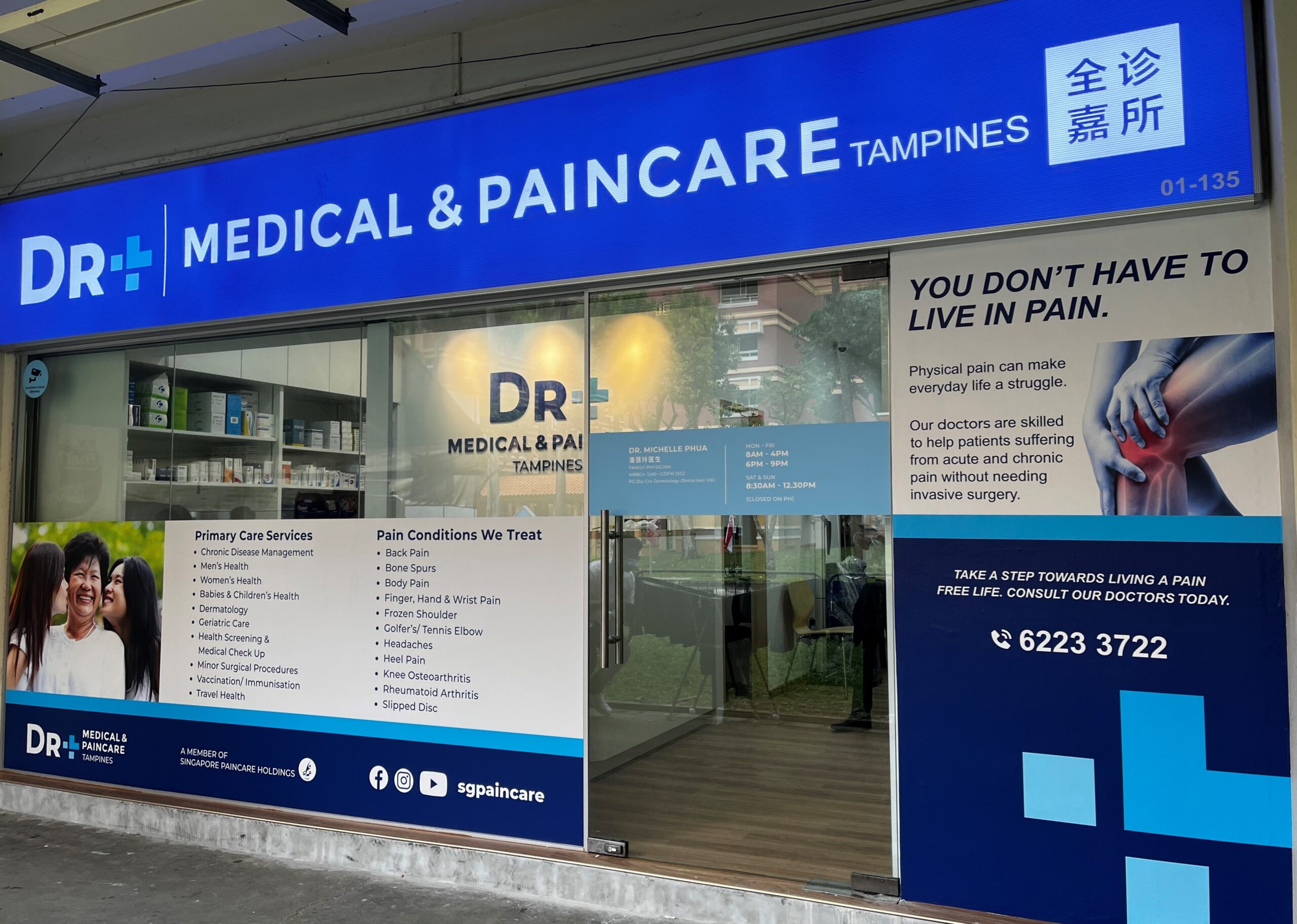
Singapore 520844
- Mon, Tue, Thu, Fri: 8:00am – 4:00pm
- Wed: 8:00am – 4:00pm, 6:00pm – 9:00pm
- Sat: 8:30am – 12:30pm
- Sun & PH: Closed
-
-
(Our clinic is open during lunch hours)
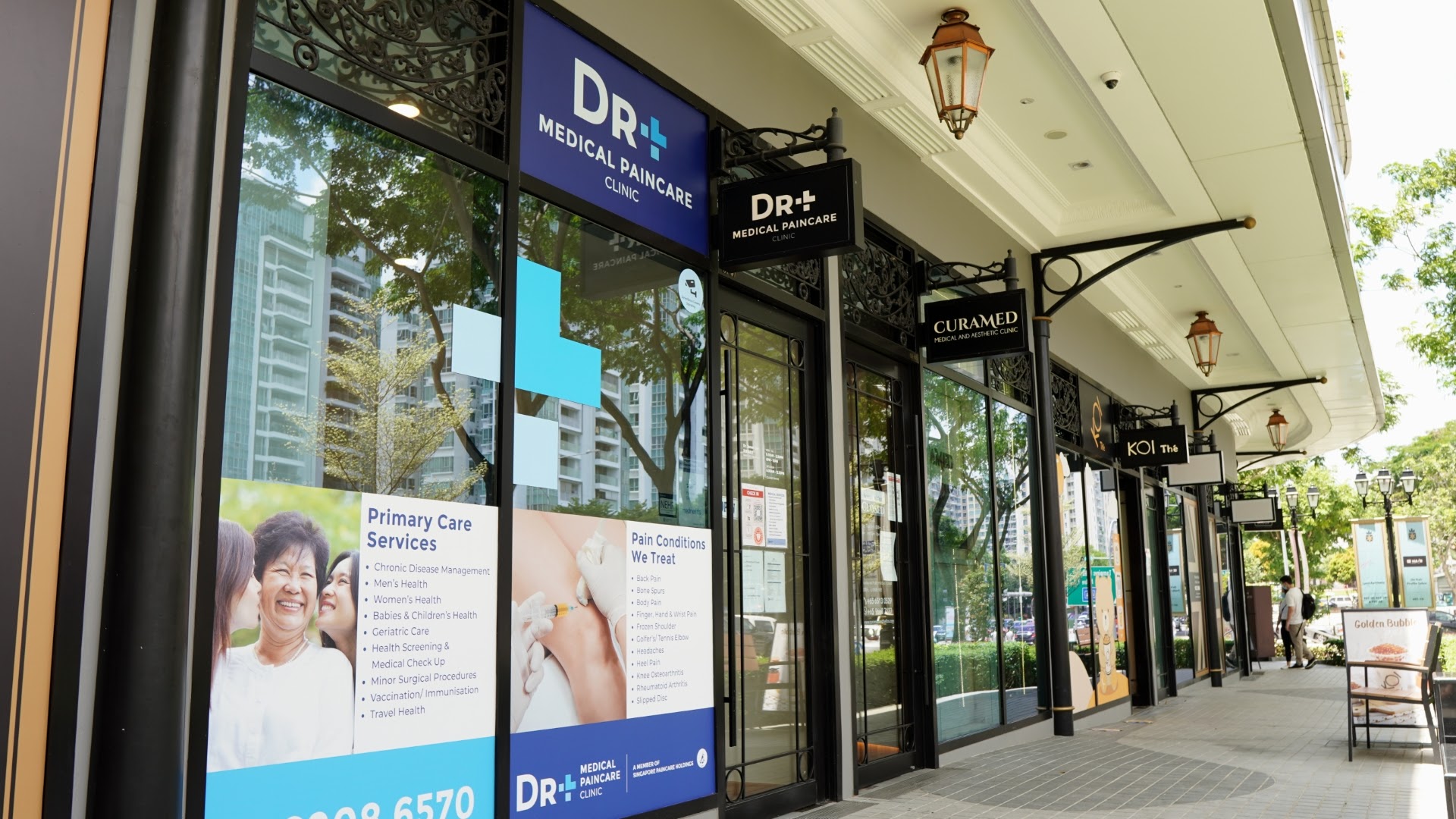
988 Upper Serangoon Rd, Singapore 534733
- Mon to Fri: 8:30am – 2:30pm, 6:00pm – 10:00pm
- Sat & Sun: 8:30am – 12:30pm
- PH: Closed
-
(Kindly note that clinic’s last registration is 15 minutes before closing time.)
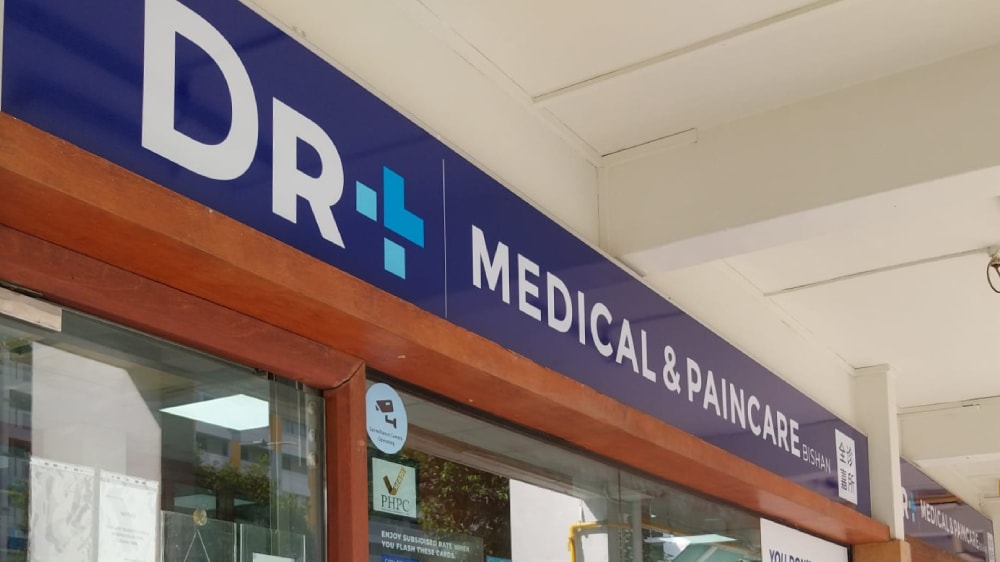
#01-95, Singapore 570121
- Mon, Wed, Thu & Fri: 8:00am – 5:00pm, 6:00pm – 9:00pm
- Tue: 8:00am – 5:00pm
- Sat & Sun: 8:00am – 1:00pm
- PH: Closed
-
(Kindly note that clinic’s last registration is 15 minutes before closing time but may close earlier if the queue is unusually long.)

Thomson Imperial Court, Singapore 574424
- Mon to Wed: 8:30am – 10:00pm
- Thu: 8:30am – 3:00pm, 6:00pm-9:30pm
- Fri: 8:30am – 6:00pm
- Sat & Sun: 9:00am – 3:00pm
- PH: Closed
-
(Kindly note that clinic’s last registration is 15 minutes before closing time.)
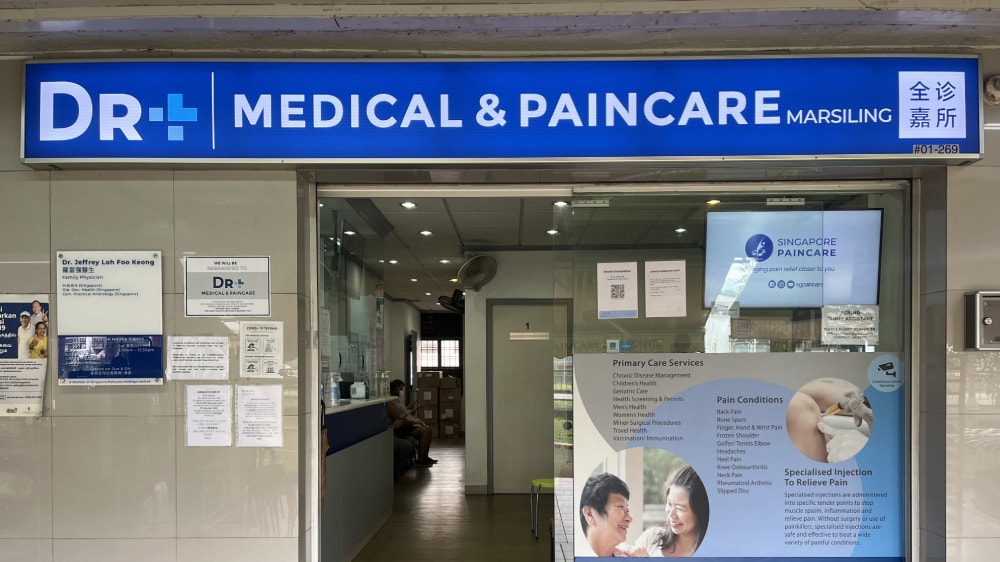
Singapore 730018
- Mon: 8:00am – 9:00pm
- Tue – Fri: 8:00am – 4:30pm, 7:00pm – 9:00pm
- Sat: 8:00am – 12:30pm
- Sun & PH: Closed
-
Kindly note that clinic’s last registration is 15 minutes before closing time.
-
(Last registration timing – Mon: 8:45pm, Tue – Fri: 4:15pm & 8:45pm, Sat: 12:15pm)
Frequently Asked Questions
1. Can a GP in Singapore prescribe weight management medications?
Yes. Licensed GPs in Singapore can prescribe weight management medications, including HSA-approved prescription-only medicines, after a clinical assessment confirms eligibility. DR+ GPs conduct a comprehensive medical review before recommending any prescription treatment, to ensure it is appropriate for your individual health profile and medical history.
2. What is the Asian BMI threshold for being overweight in Singapore?
In Singapore, a BMI of 23 or above is considered overweight for Asian populations, and 27.5 or above signals elevated metabolic risk, including higher likelihood of type 2 diabetes and cardiovascular disease. These thresholds are lower than the Western standard of 25 and 30 respectively. Your DR+ GP will explain how your BMI relates to your personal health risk.
3/ Do I have to go on medication for weight management at DR+?
No. Many patients manage their weight through nutrition guidance, physical activity planning and behavioural support alone. Medical or prescription options are only considered for patients who meet specific clinical criteria, and are discussed as one part of a broader plan, never a requirement.
4/ What happens after I reach my target weight?
Your DR+ GP will guide you through a maintenance plan to help sustain your results, which may include continued lifestyle coaching, periodic reviews, and, where medication was used, a gradual tapering plan. Obesity is treated as a chronic condition, so ongoing follow-up matters even after your goal is reached.
5. Is weight management covered by Medisave or CHAS?
Consultations at DR+ may be claimable under CHAS for eligible patients. Healthier SG-enrolled patients can access subsidised health screenings that monitor key markers relevant to weight management, including fasting glucose and lipid profiles. Medication costs are generally out-of-pocket and not covered by Medisave.
6. Do I need a referral to see a DR+ GP for weight management?
No referral is needed. Walk-ins are welcome at all 12 DR+ clinics during operating hours. You can also book an appointment via our website or WhatsApp. Last registration is 15 minutes before closing time.
7. Can hormones or PCOS cause weight gain that's hard to treat?
Yes. Hormonal imbalances — including thyroid dysfunction, polycystic ovary syndrome (PCOS), insulin resistance and cortisol dysregulation — can cause weight gain or make it significantly harder to lose weight, even with consistent diet and exercise. A GP blood panel can screen for these conditions as part of your initial assessment at DR+. Where a hormonal cause is identified, it is managed alongside your weight programme.
Need Advice On Your Condition?
Please fill out the form and we will be in touch with you shortly.