
Trigger Finger & Trigger Thumb

Overview
What is Trigger Finger and Trigger Thumb?
Trigger finger or trigger thumb occurs when fingers or thumb become stuck in a bent position, resembling squeezing a trigger. Individuals with this condition may experience stiffness when bending their fingers or hear snapping or popping noises during finger movement. Trigger finger affects approximately 2 out of 100 individuals and is more prevalent among women aged 40 and older, particularly those with diabetic conditions.
What Are the Symptoms of Trigger Finger & Trigger Thumb?
The symptoms of Trigger Finger are characterised by a range of physical manifestations that vary in intensity and frequency.
- Pain and Stiffness: Individuals may experience discomfort and rigidity in the affected finger or thumb.
- Swelling: The affected digit may exhibit signs of inflammation and swelling, contributing to discomfort.
- Finger Pops: Some individuals may notice audible popping or snapping sensations when moving the affected finger or thumb.
- Inability to Grip Objects or Close the Hand Fully: The condition may impede the ability to grasp objects or fully close the hand, affecting daily activities and dexterity.
What Are the Causes of Trigger Finger & Trigger Thumb?
The development of Trigger Finger is attributed to a combination of factors that affect the tendons and their sheaths in the fingers and thumb.
Tendon Sheath Inflammation
Diabetes Mellitus
Diabetes significantly increases the risk of trigger finger, with studies suggesting up to 10% of diabetic patients develop the condition. Elevated blood sugar promotes collagen changes in tendon sheaths and the development of stenosing tenosynovitis.
Rheumatoid Arthritis
Repetitive Gripping
Prolonged or forceful gripping of tools, steering wheels, musical instruments, or sports equipment places repeated mechanical stress on the A1 pulley and flexor tendon, promoting sheath thickening and triggering.
Hypothyroidism and Hormonal Factors
Hypothyroidism and pregnancy-related fluid retention are associated with trigger finger, likely through the accumulation of glycosaminoglycans in connective tissue and tendon sheaths.
Age and Gender
Trigger finger is more common in adults over 40 and disproportionately affects women, particularly in the perimenopausal period, suggesting a hormonal component to tendon sheath changes.
How Is Trigger Finger & Trigger Thumb Diagnosed?
Our Doctors will conduct a thorough diagnosis of your Trigger Finger. This includes a comprehensive physical examination, detailed discussions about your symptoms, and a review of your medical history. The severity of your Trigger Finger will be categorised into four different grades based on the evaluation of your finger mobility and function.
What Are the Treatment Options for Trigger Finger & Trigger Thumb?
Pain Medication
This involves the use of medications such as Non-Steroidal Anti-Inflammatory Drugs (NSAIDs), opioids, and other specialised medications designed for pain management. The type and dosage are tailored to the individual’s condition and medical history.
Myospan
Minimally invasive treatments aim to effectively relieve common pain conditions by targeting pain sources.
- Coreflex Injections: Typically contain a corticosteroid and are used for inflamed joints or tissues.
- Platelet-Rich Plasma (PRP) injections: Utilise own platelets to promote healing in damaged tissues.
- Intra-Articular Injections: Most commonly used to treat osteoarthritis in the hip or knee, but they can also be given in other joints, including shoulders, wrists, ankles, hands, and fingers.
For chronic pain conditions originating from spinal issues, Neurospan can be performed by our team of pain specialists from Singapore Paincare Center.
When Should You See a Doctor for Trigger Finger & Trigger Thumb?
Not all cases need immediate medical attention, but some situations do. See a DR+ doctor if your condition:
- A finger that catches, clicks, or locks when bending or straightening
- Waking each morning with a finger stuck in a bent position
- Pain or tenderness at the base of the finger on the palm side
- A palpable nodule at the base of the finger
- A finger that cannot be actively straightened without using the other hand
- Multiple fingers affected simultaneously, particularly in patients with diabetes
Our Doctors









Struggling With Persistent Pain?
Consult one of our doctors today for a detailed consultation & personalised treatment plan.
Prevention Strategies
Taking a break is the most beneficial action you can take. It’s likely that you’ve been exerting too much strain on your finger(s), and it’s essential to allow your body some time to recuperate. You may also consider wearing a splint at bedtime to ensure your fingers have the opportunity to recover.
Frequently Asked Questions (FAQ)
What Causes Trigger Finger?
Trigger Finger is primarily caused by inflammation and narrowing of the tendon sheath, leading to impaired movement of the tendon. This can be due to repetitive motions, gripping activities, or health conditions like rheumatoid arthritis and diabetes.
Who is at Risk of Developing Trigger Finger?
Individuals over 40, women, and those with certain medical conditions such as diabetes, rheumatoid arthritis, osteoarthritis or gout are at a higher risk. Occupations or hobbies that involve repetitive hand use also increase the risk.
How is Trigger Finger Diagnosed?
Diagnosis is primarily clinical, based on medical history and physical examination. The presence of a clicking sensation or locking of the finger during flexion and extension is a key indicator.
What Are the Non-Surgical Treatment Options for Trigger Finger?
Non-surgical treatments include rest, activity modification, splinting, NSAIDs, steroid injections, and physical therapy. These options aim to reduce inflammation and improve finger movement.
When is Surgery Recommended for Trigger Finger?
Surgery is considered when symptoms are severe or do not respond to non-surgical treatments. It involves releasing the constricted section of the tendon sheath to allow better tendon movement.
Can Trigger Finger Be Prevented?
While not all cases are preventable, reducing repetitive strain on the fingers, using ergonomic tools, and managing underlying health conditions can reduce the risk. Early treatment of symptoms can also prevent worsening.
Our Clinics
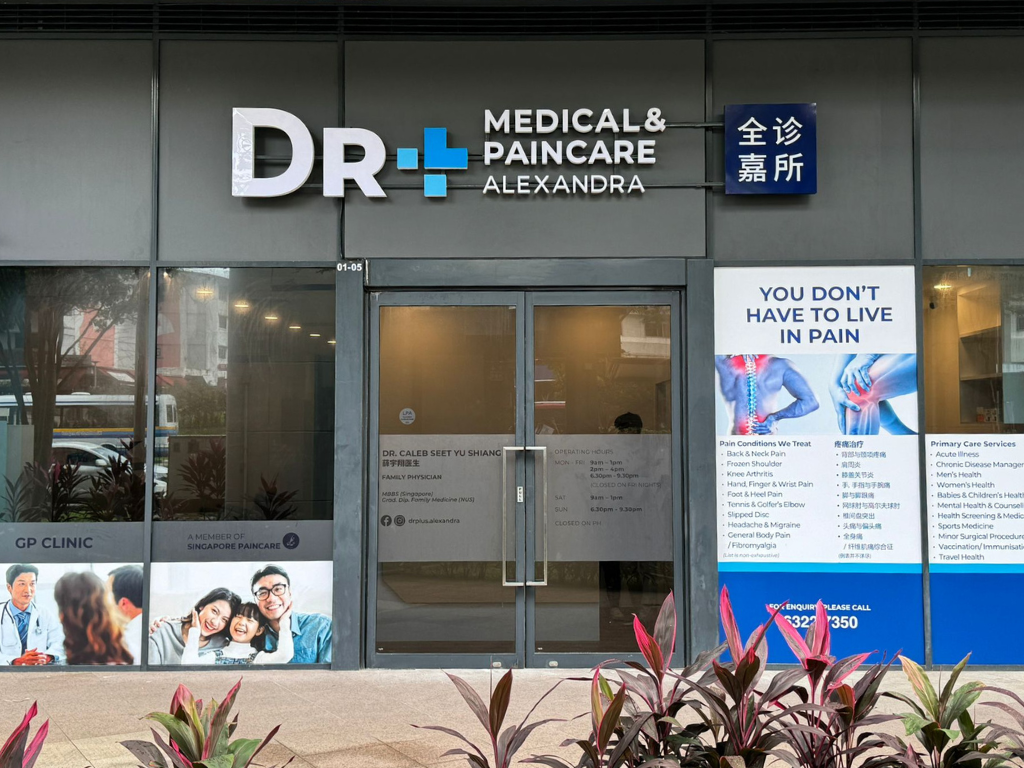
- Mon & Tue: 9am to 1pm, 2pm to 4pm, 6:30pm to 9:30pm
- Wed, Thu & Fri: 9am to 1pm, 2pm to 5pm
- Sat: 9am to 1pm
- Closed on Sun & PH
-
(Kindly note that clinic’s last registration is 15 minutes before closing time.)
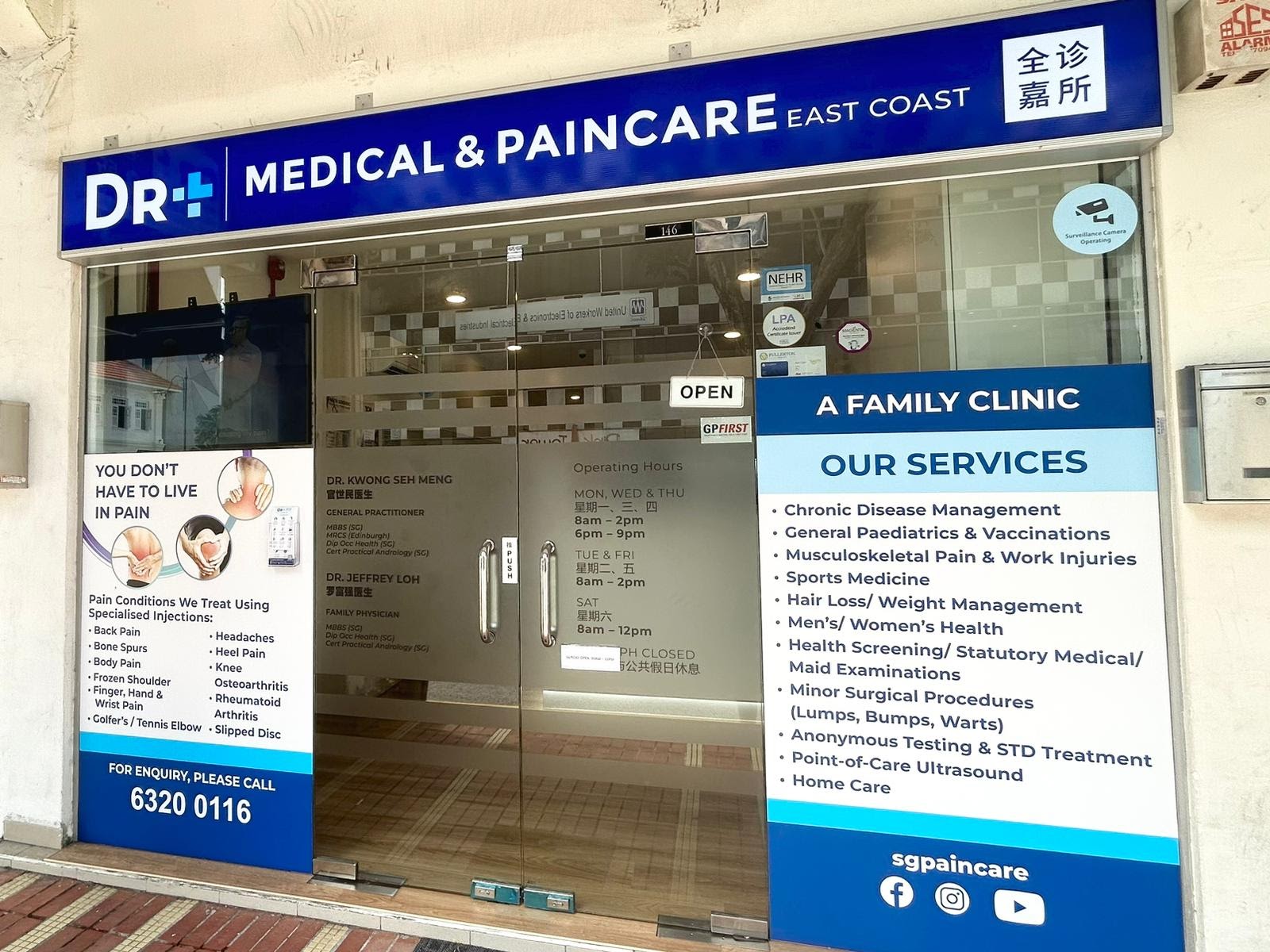
- Mon: 8:00am – 2:00pm, 6:00pm – 9:00pm
- Tue & Wed: 8:00am – 3:00pm
- Thu: 8:00am – 3:00pm, 6:00pm – 9:00pm
- Fri: 8:00am – 2:00pm
- Sat: 8:00am – 12:00pm
- Sun: 10:00am – 1:00pm
- PH: Closed

#01-54 The Midtown, Singapore 533971
- Mon & Tue: 8:00am – 12:30pm, 1:30pm – 5:00pm, 6:00pm – 9:00pm
- Wed: 8:00am – 12:30pm, 6:00pm – 9:00pm
- Thu: 8:00am – 12:30pm, 1:30pm – 5:00pm
- Fri: 8:00am – 12:30pm, 6:00pm – 9:00pm
- Sat: 8:00am – 12:00pm
- Sun & PH: Closed
(Kindly note that clinic’s last registration is 15 minutes before closing time.)
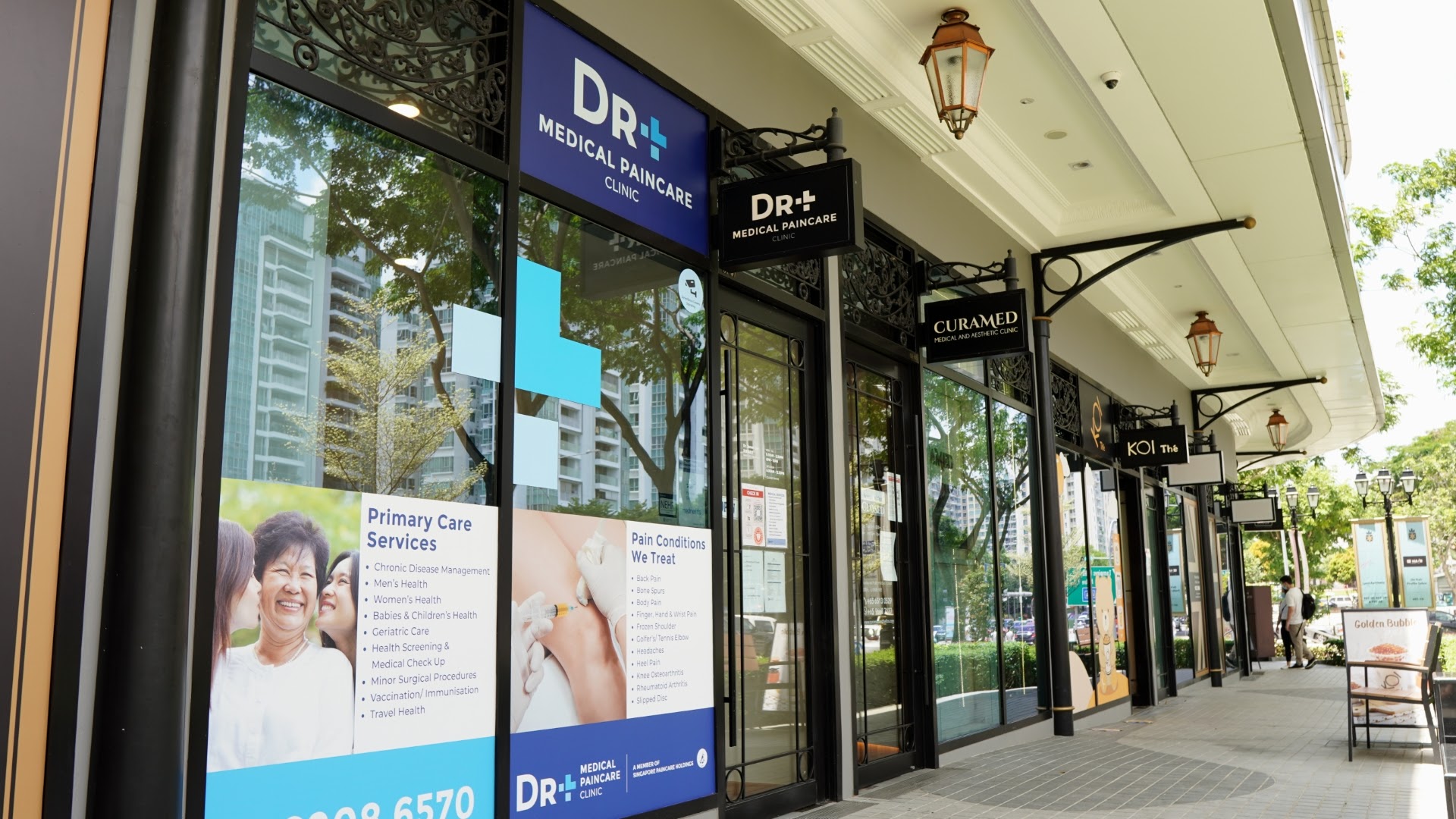
988 Upper Serangoon Rd, Singapore 534733
- Mon to Fri: 8:30am – 2:30pm, 6:00pm – 10:00pm
- Sat & Sun: 8:30am – 12:30pm
- PH: Closed
-
(Kindly note that clinic’s last registration is 15 minutes before closing time.)

Singapore 730018
- Mon: 8:00am – 9:00pm
- Tue – Fri: 8:00am – 4:30pm, 7:00pm – 9:00pm
- Sat: 8:00am – 12:30pm
- Sun & PH: Closed
-
Kindly note that clinic’s last registration is 15 minutes before closing time.
-
(Last registration timing – Mon: 8:45pm, Tue – Fri: 4:15pm & 8:45pm, Sat: 12:15pm)

Thomson Imperial Court, Singapore 574424
- Mon to Wed: 8:30am – 10:00pm
- Thu: 8:30am – 3:00pm, 6:00pm-9:30pm
- Fri: 8:30am – 6:00pm
- Sat & Sun: 9:00am – 3:00pm
- PH: Closed
-
(Kindly note that clinic’s last registration is 15 minutes before closing time.)

- Mon, Wed & Fri: 8:30am – 12:30pm, 1:30pm – 4:30pm, 6:00pm – 9:00pm
- Tue & Thu: 8:30am – 12:30pm, 1:30pm – 4:30pm
- Sat: 8:30am – 12:30pm
- Closed on Sun & PH
-
(Kindly note that clinic’s last registration is 15 minutes before closing time.)
Need Advice On Your Condition?
Please fill out the form and we will be in touch with you shortly.