
Shoulder Sprain

Overview
A shoulder sprain is an injury to the ligaments that support the shoulder joint, most commonly the acromioclavicular (AC) joint. It can occur after a fall, collision, or sudden shoulder force. Symptoms include localised pain, swelling, and difficulty lifting the arm. At DR+, our GPs with specialised training in pain management provide a comprehensive shoulder assessment to determine the underlying cause and develop a personalised, non-surgical treatment plan.
What is Shoulder Sprain?
A shoulder sprain is an injury to one or more of the ligaments that stabilise the shoulder joint complex. Ligaments are tough, fibrous bands of connective tissue that connect bones to bones — they hold the shoulder’s multiple articulating surfaces together and prevent excessive movement.
The most commonly injured ligaments are those of the acromioclavicular (AC) joint — the point where the collarbone meets the shoulder blade at the top of the shoulder. AC joint sprains account for the majority of shoulder sprains in Singapore, particularly in contact sports players and individuals who fall directly onto the shoulder.
Unlike a shoulder dislocation (where the ball of the humerus leaves the socket), a shoulder sprain involves ligament stretching or tearing without joint separation. However, severe Grade III sprains involving complete ligament rupture do require specialist orthopaedic evaluation.
What Are the Symptoms of Shoulder Sprain?
The symptoms of a shoulder sprain vary depending on the severity of the injury. Common signs include:
Pain and Stiffness
Sharp pain at the top of the shoulder immediately or shortly after injury — worsens with movement, overhead reaching, or pressing on the AC joint.
Swelling and Tenderness
Swelling and tenderness over the injured ligament site, typically the AC joint or surrounding shoulder capsule.
Visible Deformity (Grade II-III)
A raised “bump” or “step” deformity at the top of the shoulder, visible or palpable — indicates significant ligament disruption with AC joint separation.
Restricted Arm Movement
Difficulty raising the arm overhead or across the body. Range of motion is limited by pain and structural injury.
Weakness of Shoulder
Reduced strength with pushing, lifting, or overhead activities — from pain inhibition or direct muscular involvement.
Neck / Upper Arm Pain
Pain may radiate from the AC joint into the base of the neck or upper arm due to shared nerve supply and compensatory muscle tension.
Causes and Risk Factors
The development of a shoulder sprain is often linked to specific causes and risk factors:
- Direct Trauma and Impact: Falls or direct blows to the shoulder, such as falling on an outstretched arm or experiencing a collision in sports, can overstress the shoulder ligaments.
- Repetitive Motion and Overuse: Activities that involve repetitive shoulder movements, especially without adequate rest, can gradually weaken and overstretch the ligaments.
- Poor Conditioning and Muscle Imbalance: Lack of strength or imbalance in shoulder muscles can put extra strain on the ligaments, making them more susceptible to injury.
- Improper or Inadequate Warm-up: Not performing proper warm-up exercises before intense physical activities can leave the shoulder ligaments less flexible and prone to injury.
- Previous Shoulder Injuries: Individuals with a history of shoulder injuries may have weakened ligaments, making them more vulnerable to sprains.
- Age and Degeneration: As people age, ligaments can become less elastic and more prone to injury. Degenerative changes in the shoulder can also increase the risk of sprains.
Treatment Modalities
Pain Medication (Pharmacotherapy)
This involves the use of medications such as Non-Steroidal Anti-Inflammatory Drugs (NSAIDs), opioids, and other specialised medications designed for pain management. The type and dosage are tailored to the individual’s condition and medical history.
Myospan
Minimally invasive treatments aim to effectively relieve common pain conditions by targeting pain sources.
- Coreflex Injections: Typically contain a corticosteroid and are used for inflamed joints or tissues.
- Platelet-Rich Plasma (PRP) injections: Utilise own platelets to promote healing in damaged tissues.
- Intra Articular Injections: Most commonly used to treat osteoarthritis in the hip or knee, but they can also be given in other joints, including shoulders, wrists, ankles, hands, and fingers.
For chronic pain conditions originating from spinal issues, Neurospan can be performed by our team of pain specialists from Singapore Paincare Center.
When Should You See a Doctor for Shoulder Sprain?
Not all cases need immediate medical attention, but some situations do. See a DR+ doctor if your condition:
• Shoulder pain that began after a fall, collision, or direct impact to the shoulder
• Visible deformity, step deformity, or a raised bump at the shoulder tip
• Shoulder that feels loose, unstable, or like it may give way
• Pain persisting for more than two weeks despite rest and activity modification
• Significant weakness when lifting, reaching, or rotating the arm
• Numbness, tingling, or neurological symptoms radiating down the arm
Our Doctor
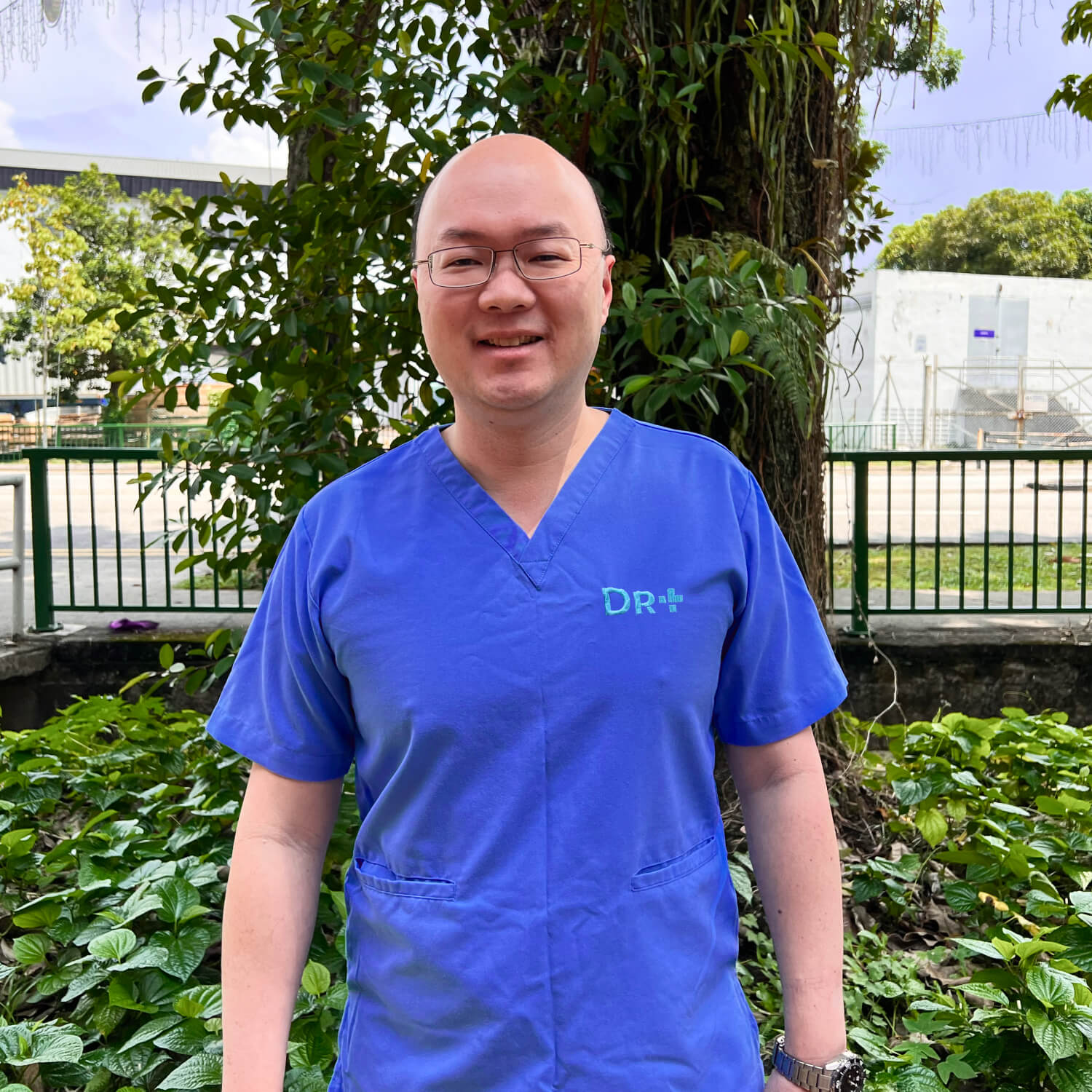
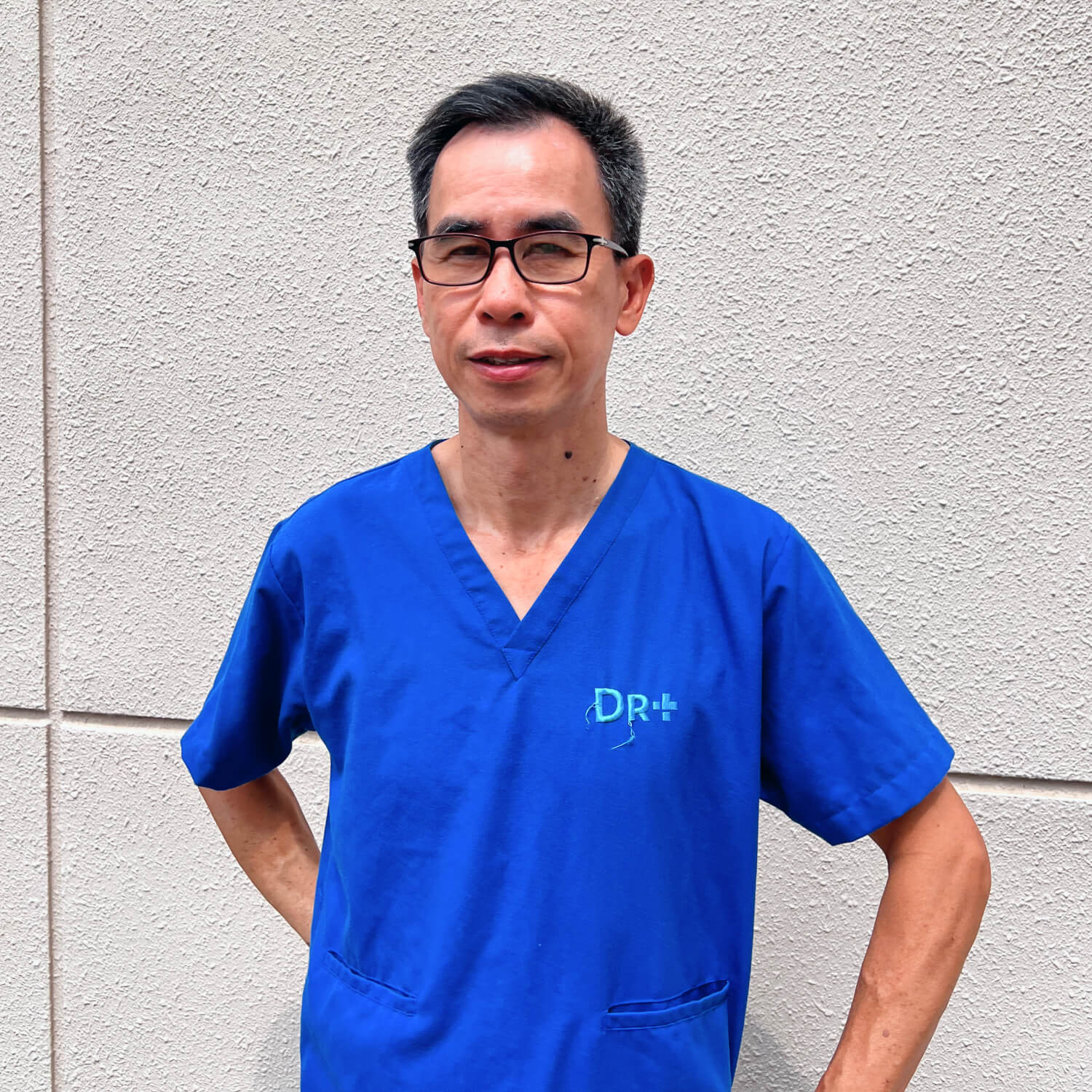
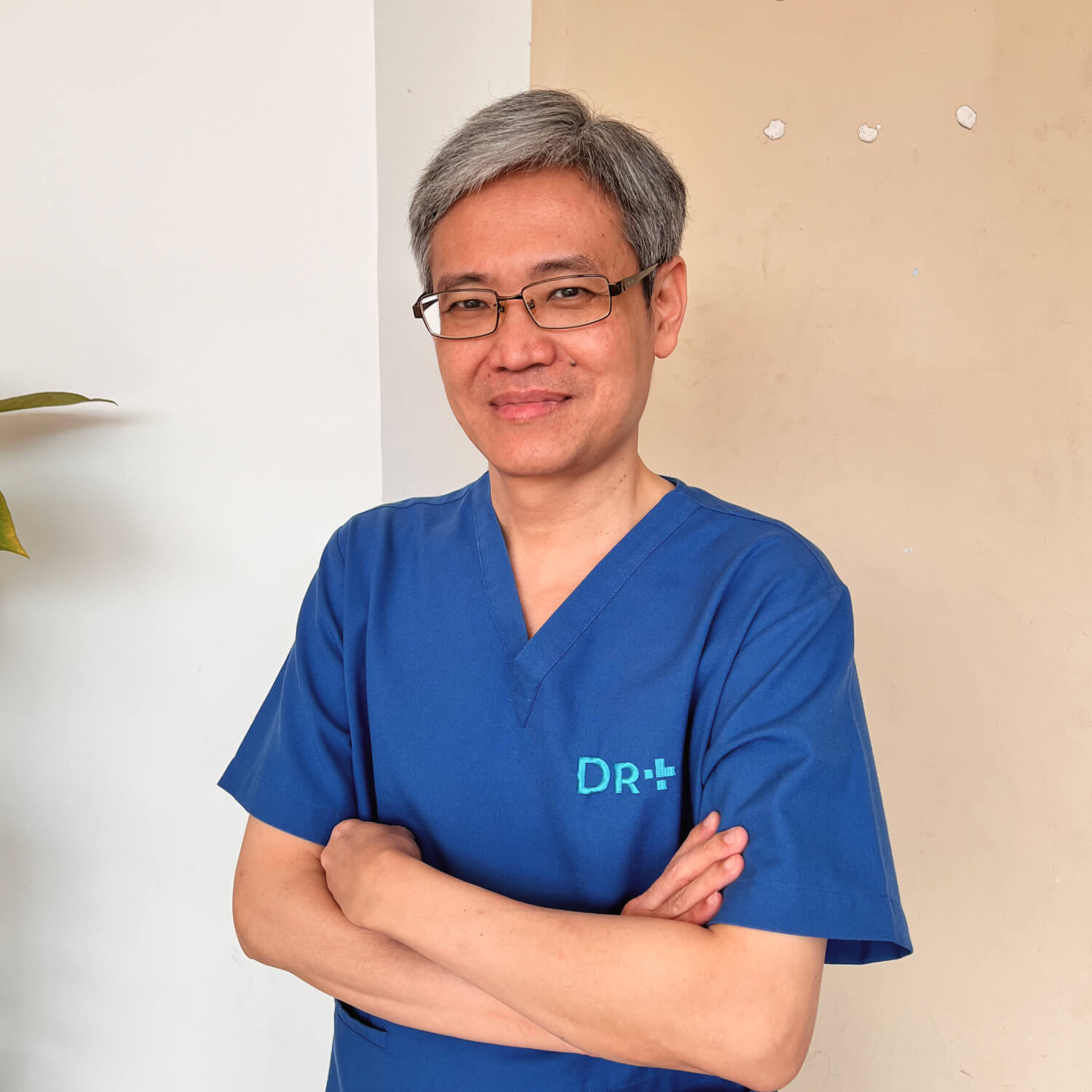
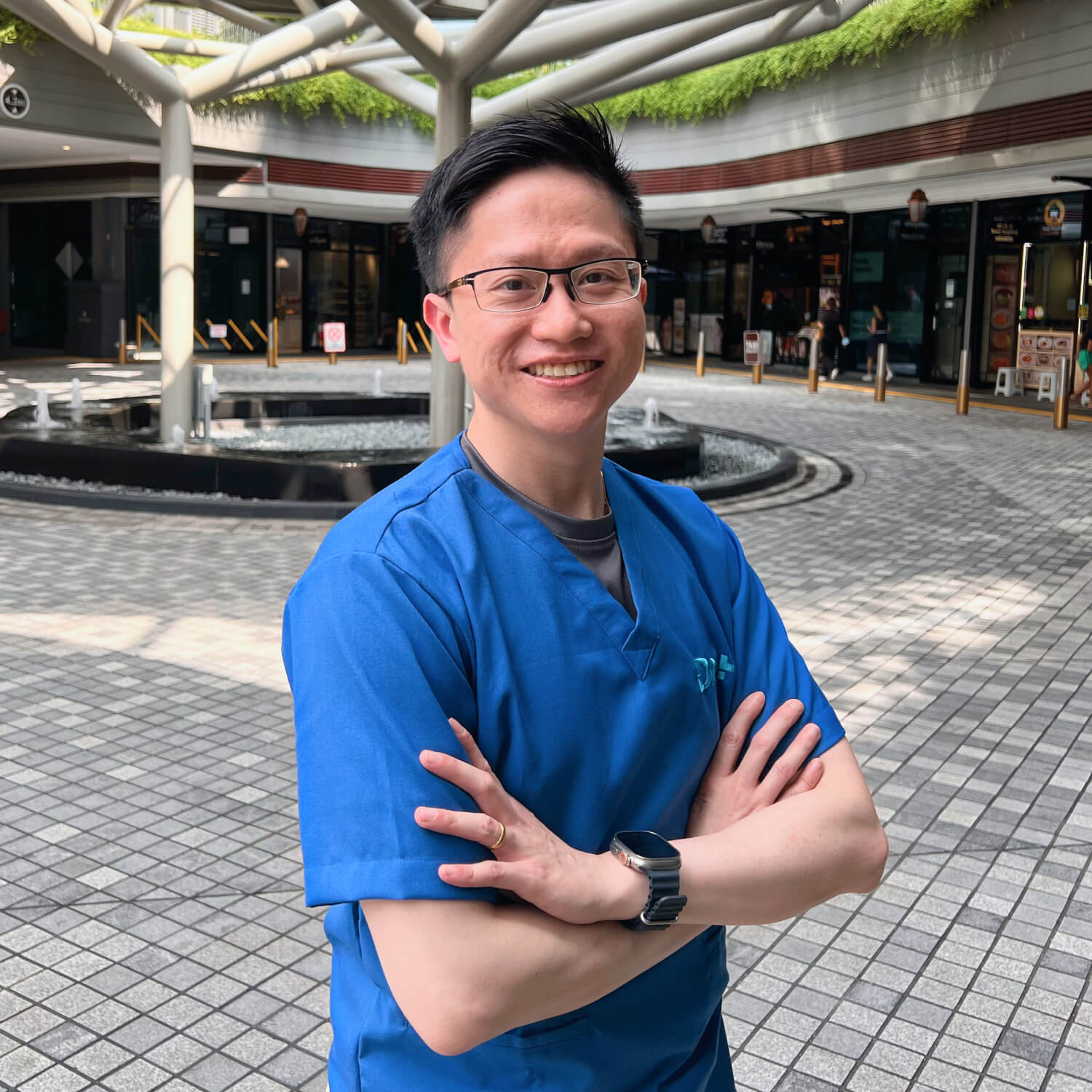
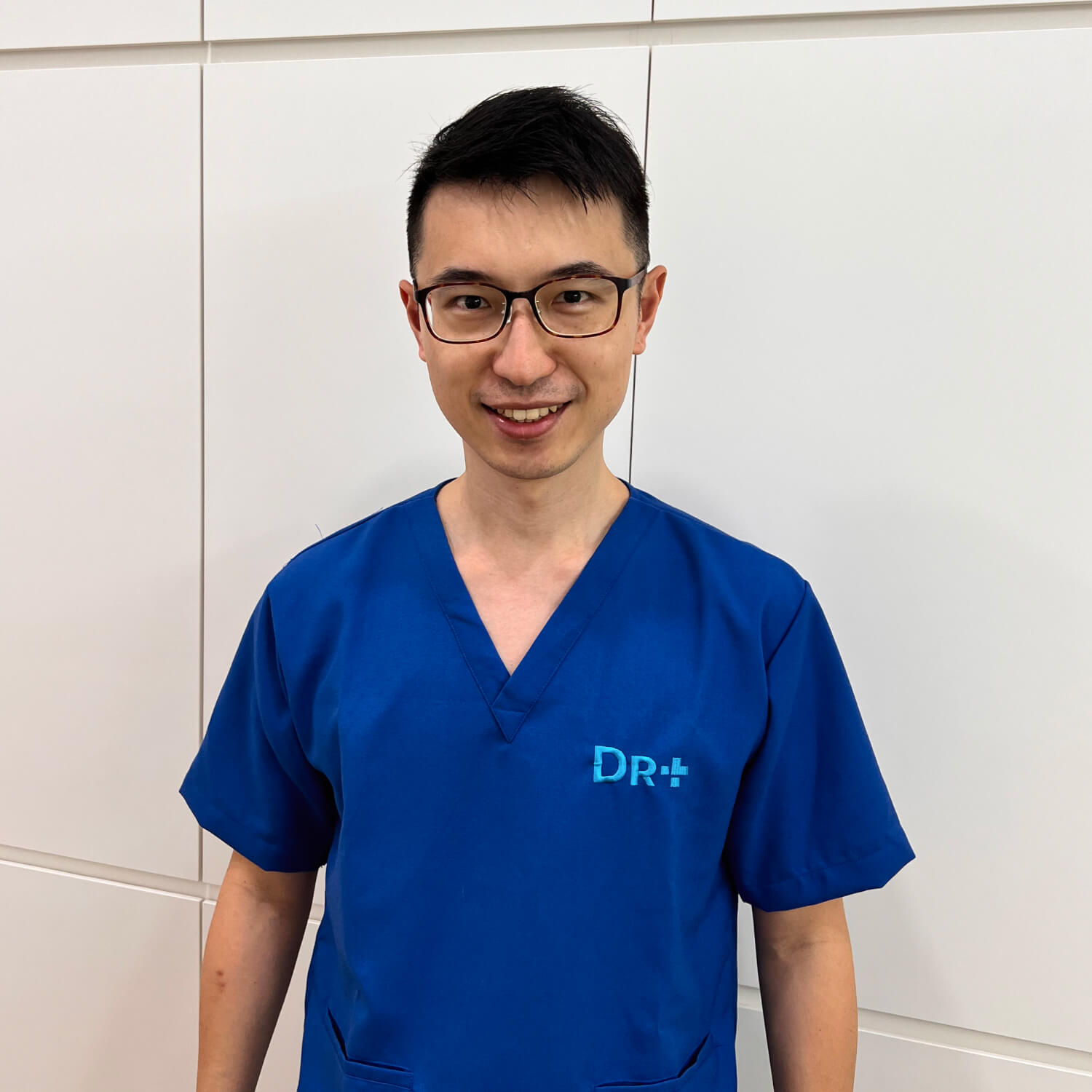
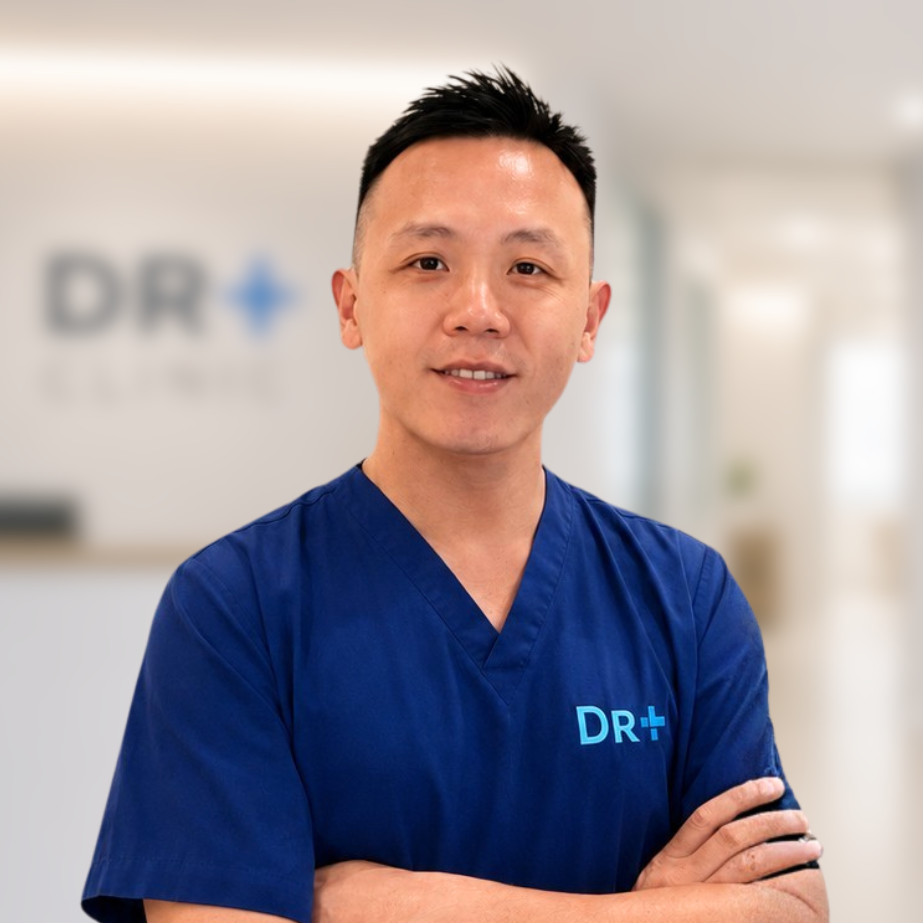
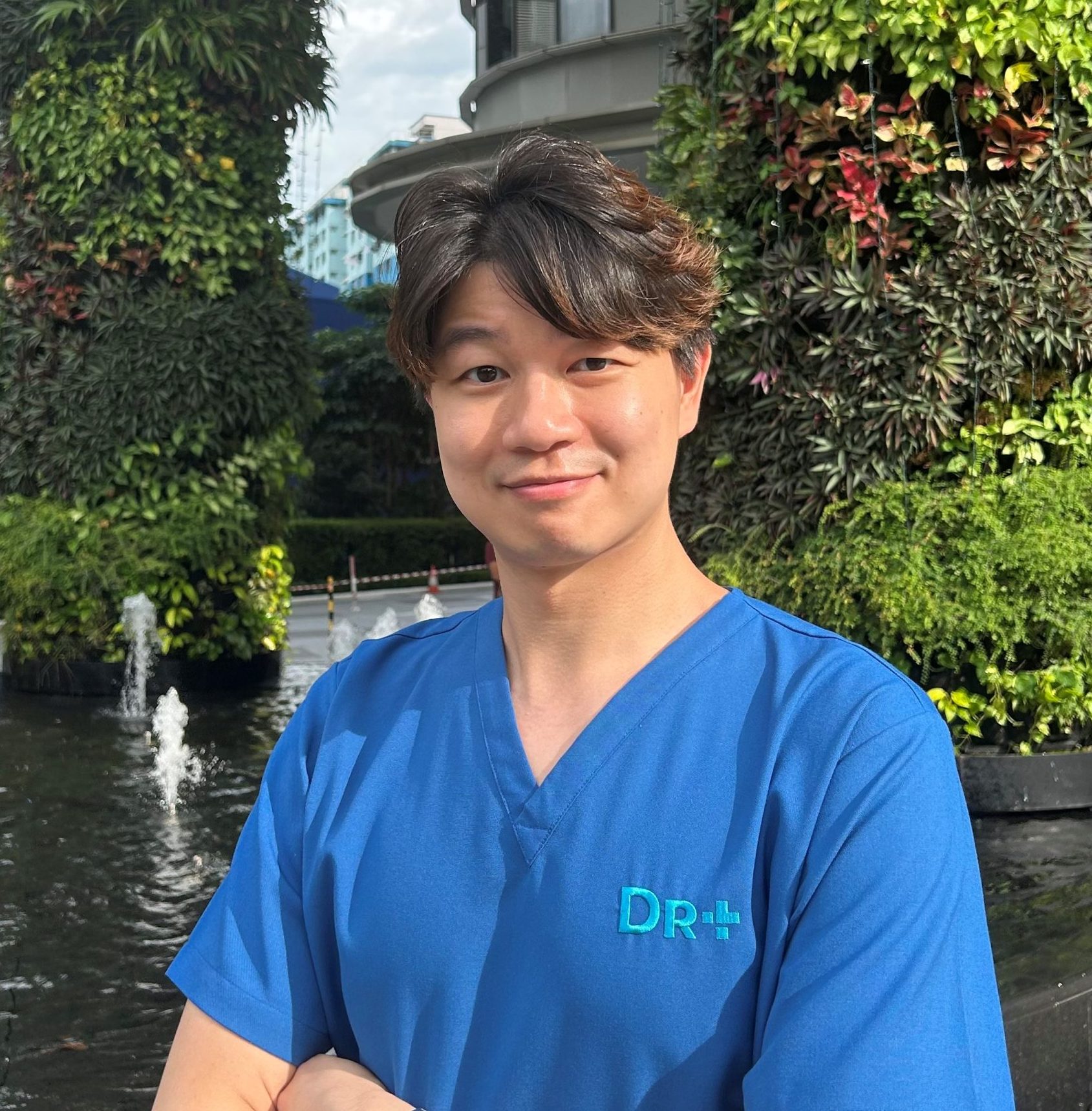
Our doctors are experienced in assessing shoulder and musculoskeletal conditions, helping patients identify the underlying cause of shoulder pain and guiding appropriate treatment or referral when necessary. All DR+ doctors undergo additional training through the Singapore Paincare Academy, where they develop skills in performing specialised injection therapies and related procedures aimed at relieving pain and improving shoulder function. This structured training allows our doctors to provide targeted, evidence-based care for patients experiencing shoulder pain while ensuring appropriate referral when more complex specialist management is required.




Struggling With Persistent Pain?
Consult one of our DR+ today for a detailed consultation & personalised treatment plan.
Prevention Strategies
To minimise the risk of a shoulder sprain, consider the following strategies:
- Proper Warm-up and Stretching: Before engaging in any physical activity, especially sports, carry out a warm-up and stretching routine. This enhances flexibility and prepares the muscles and ligaments for the stresses of activity, reducing the risk of overstretching or tearing.
- Strength Training and Conditioning: Regular exercises that strengthen the shoulder muscles and improve joint stability can reduce the risk of sprains. This includes targeted exercises for the rotator cuff and surrounding muscles.
- Ergonomic Considerations: For individuals engaged in repetitive shoulder movements at work or during sports, ergonomic adjustments can help minimise stress on the shoulder joint.
- Posture and Technique: Have a proper posture and use the correct techniques during physical activities, especially in sports and exercise routines. Incorrect movements can place undue strain on the shoulder ligaments.
- Gradual Progression in Activities: Increasing the intensity and duration of physical activities gradually gives the shoulder time to adapt, reducing the likelihood of sprains.
- Rest and Recovery: Ensuring adequate rest and recovery time between strenuous activities allows the shoulder to heal and regain strength, preventing overuse injuries.
Our Clinics
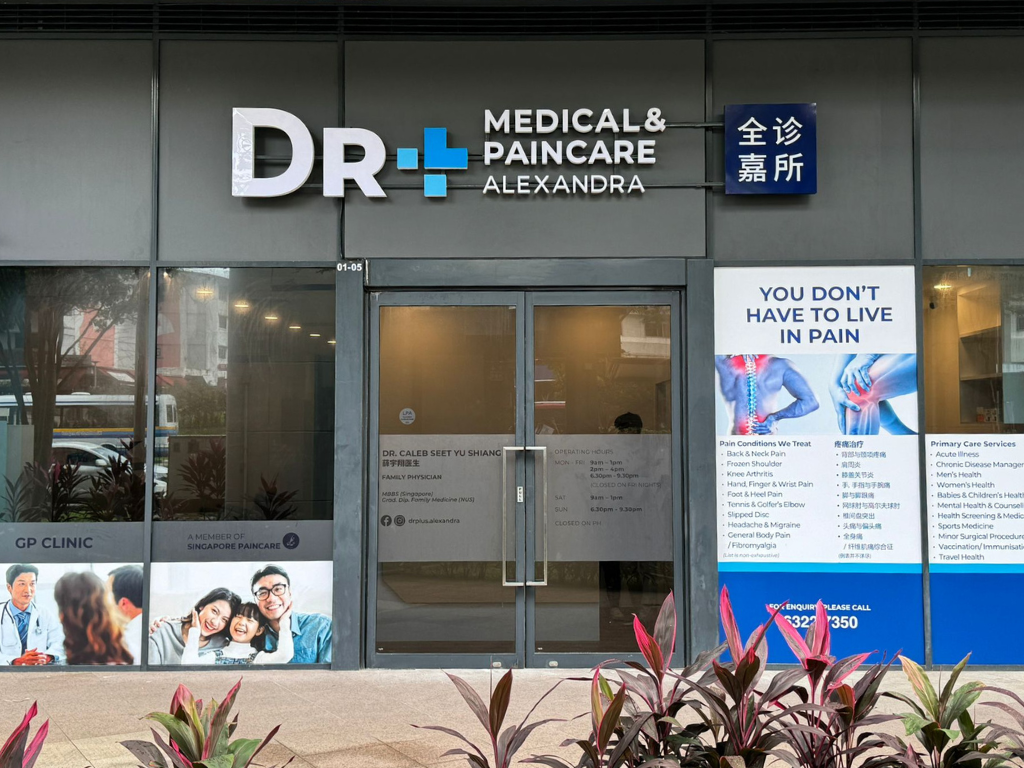
- Mon & Tue: 9am to 1pm, 2pm to 4pm, 6:30pm to 9:30pm
- Wed, Thu & Fri: 9am to 1pm, 2pm to 5pm
- Sat: 9am to 1pm
- Closed on Sun & PH
-
(Kindly note that clinic’s last registration is 15 minutes before closing time.)
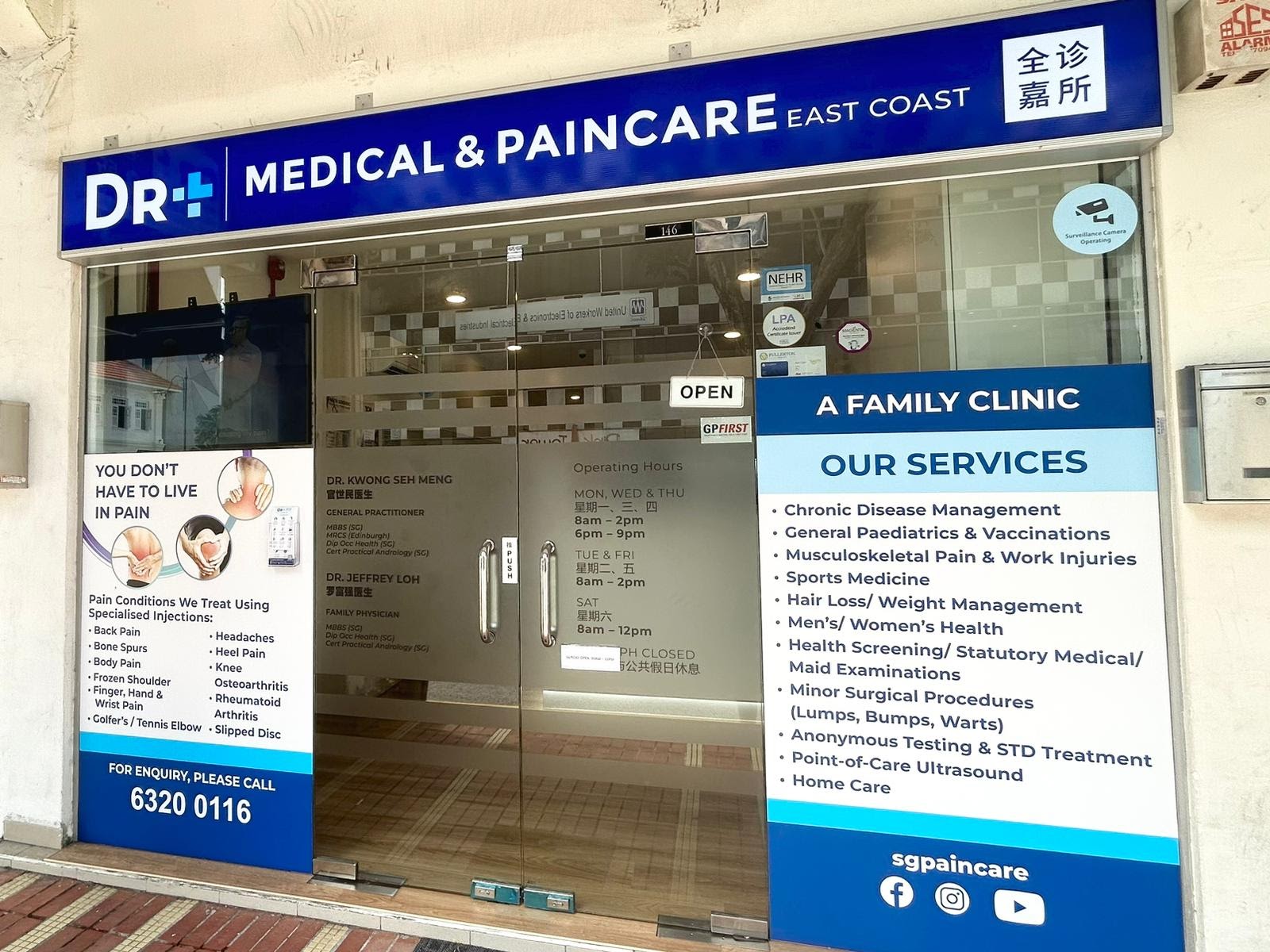
- Mon: 8:00am – 2:00pm, 6:00pm – 9:00pm
- Tue & Wed: 8:00am – 3:00pm
- Thu: 8:00am – 3:00pm, 6:00pm – 9:00pm
- Fri: 8:00am – 2:00pm
- Sat: 8:00am – 12:00pm
- Sun: 10:00am – 1:00pm
- PH: Closed

#01-54 The Midtown, Singapore 533971
- Mon & Tue: 8:00am – 12:30pm, 1:30pm – 5:00pm, 6:00pm – 9:00pm
- Wed: 8:00am – 12:30pm, 6:00pm – 9:00pm
- Thu: 8:00am – 12:30pm, 1:30pm – 5:00pm
- Fri: 8:00am – 12:30pm, 6:00pm – 9:00pm
- Sat: 8:00am – 12:00pm
- Sun & PH: Closed
(Kindly note that clinic’s last registration is 15 minutes before closing time.)
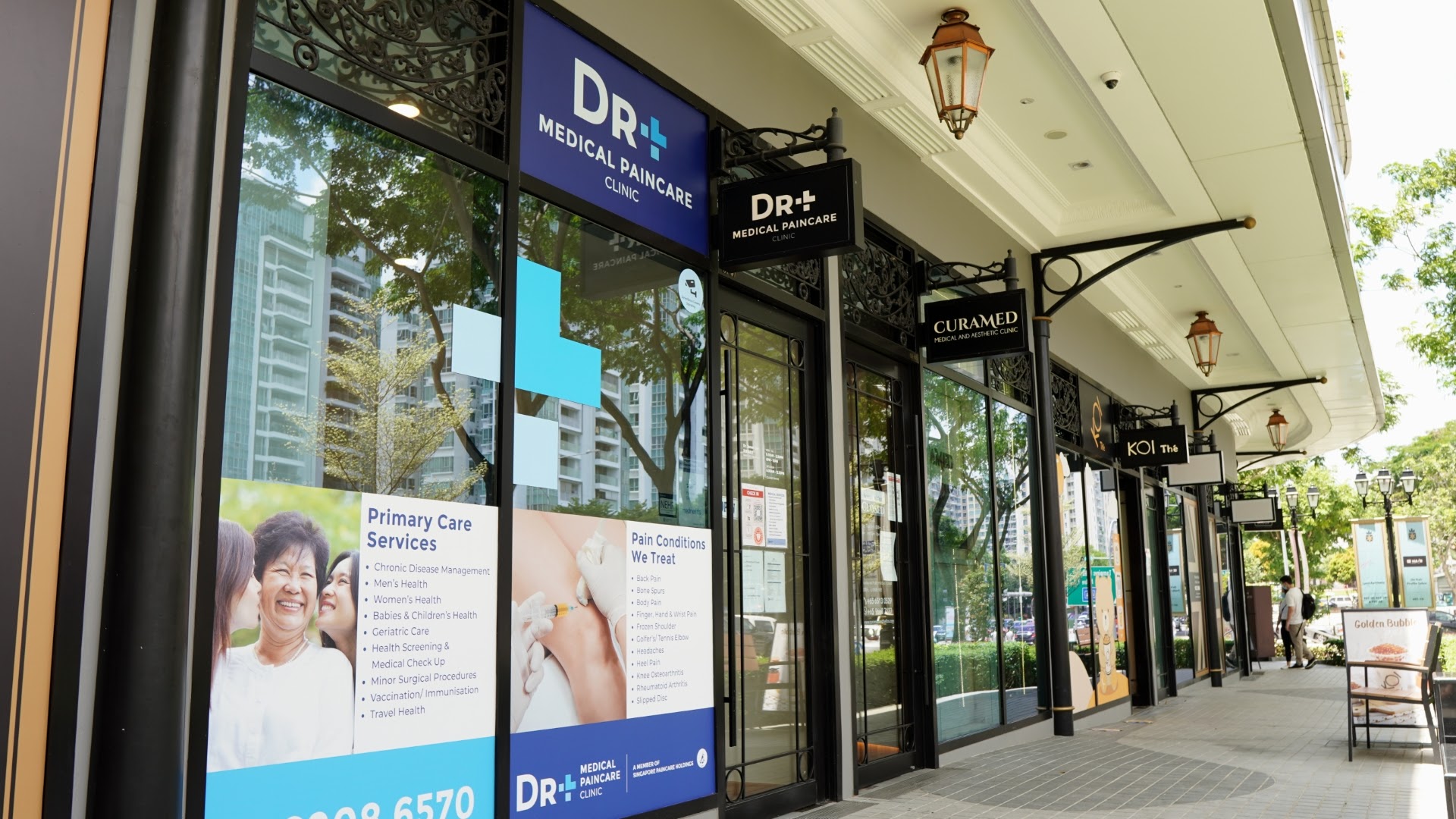
988 Upper Serangoon Rd, Singapore 534733
- Mon to Fri: 8:30am – 2:30pm, 6:00pm – 10:00pm
- Sat & Sun: 8:30am – 12:30pm
- PH: Closed
-
(Kindly note that clinic’s last registration is 15 minutes before closing time.)

Singapore 730018
- Mon: 8:00am – 9:00pm
- Tue – Fri: 8:00am – 4:30pm, 7:00pm – 9:00pm
- Sat: 8:00am – 12:30pm
- Sun & PH: Closed
-
Kindly note that clinic’s last registration is 15 minutes before closing time.
-
(Last registration timing – Mon: 8:45pm, Tue – Fri: 4:15pm & 8:45pm, Sat: 12:15pm)

Thomson Imperial Court, Singapore 574424
- Mon to Wed: 8:30am – 10:00pm
- Thu: 8:30am – 3:00pm, 6:00pm-9:30pm
- Fri: 8:30am – 6:00pm
- Sat & Sun: 9:00am – 3:00pm
- PH: Closed
-
(Kindly note that clinic’s last registration is 15 minutes before closing time.)

#01-95, Singapore 570121
- Mon, Wed, Thu & Fri: 8:00am – 5:00pm, 6:00pm – 9:00pm
- Tue: 8:00am – 5:00pm
- Sat & Sun: 8:00am – 1:00pm
- PH: Closed
-
(Kindly note that clinic’s last registration is 15 minutes before closing time but may close earlier if the queue is unusually long.)

- Mon, Wed & Fri: 8:30am – 12:30pm, 1:30pm – 4:30pm, 6:00pm – 9:00pm
- Tue & Thu: 8:30am – 12:30pm, 1:30pm – 4:30pm
- Sat: 8:30am – 12:30pm
- Closed on Sun & PH
-
(Kindly note that clinic’s last registration is 15 minutes before closing time.)
Need Advice On Your Condition?
Please fill out the form and we will be in touch with you shortly.
Frequently Asked Questions (FAQ)
What is the recovery time for a shoulder sprain?
The recovery time varies depending on the severity of the sprain. Mild sprains may heal within a few weeks, while more severe ones could take several months.
Can I still exercise with a mild shoulder sprain?
Light exercises and stretching may be beneficial for mild sprains. Try to avoid activities that exacerbate the pain. Talk to our Doctors for personalised advice.
What are the signs that a shoulder sprain is healing?
Improvement in pain levels, increased range of motion, and decreased swelling are indicators of healing.
When should I see a doctor for a shoulder sprain?
If the pain persists, intensifies, or is accompanied by swelling, bruising, or restricted shoulder mobility.
Are there any specific exercises to strengthen the shoulder after a sprain?
Yes, physical therapy exercises focused on strengthening and stabilising the shoulder can aid recovery. Your doctor can provide you with tailored exercises.
How can I differentiate between a shoulder sprain and more serious injuries?
A shoulder sprain presents with pain, swelling, and limited motion. More serious injuries may involve intense pain, deformity, or complete loss of shoulder function. Diagnostic imaging is often required for a definitive differentiation.
Is it possible for a shoulder sprain to recur?
Yes, especially if the shoulder is not properly rehabilitated or if engaging in high-risk activities without adequate preparation.