
Shoulder Rotator Cuff Tendinitis

Overview
Rotator cuff tendinitis is inflammation of one or more of the four rotator cuff tendons (supraspinatus, infraspinatus, teres minor, subscapularis) that stabilise the shoulder. It typically causes a painful arc when lifting the arm between 60 and 120 degrees and pain when lying on the affected shoulder. At DR+, our GPs with specialised training in pain management provide a comprehensive shoulder assessment to determine the underlying cause and develop a personalised, non-surgical treatment plan.
What is Shoulder Rotator Cuff Tendinitis
The rotator cuff is a group of four muscles and their tendons that surround the shoulder joint: the supraspinatus, infraspinatus, teres minor, and subscapularis. Together they are often referred to by the acronym SITS. These tendons stabilise the ball of the shoulder in its socket and enable a wide range of arm movements including lifting, rotating, and reaching overhead.
Rotator cuff tendinitis occurs when one or more of these tendons become inflamed, most commonly the supraspinatus tendon, which runs through a narrow space beneath the acromion bone. When this space is reduced through poor posture, repetitive overhead use, or age-related bony changes, the tendon is repeatedly compressed. This is known as subacromial impingement.
What Causes Shoulder Rotator Cuff Tendinitis?
Repetitive Overhead Activities:
Occupations or sports requiring repeated overhead arm movement, such as swimming, painting, warehouse work, or tennis, place sustained compression on the supraspinatus tendon beneath the acromion, promoting inflammation over time.
Ageing and Degeneration
Tendons naturally lose elasticity and vascularity with age. In patients over 40, degenerative changes in the rotator cuff tendons make them more vulnerable to inflammation and partial tearing, even without a specific injury.
Trauma or Injury
Direct injuries to the shoulder, such as falls or accidents, can cause immediate damage to the rotator cuff tendons.
Bone Spurs
Over time, bone overgrowths can develop in the shoulder, which can rub against the rotator cuff tendons, leading to tendonitis.
Sudden Increase in Activity
A rapid increase in training intensity or a return to overhead sport after a period of inactivity can overload the rotator cuff tendons before they have adapted to the new demand.
What Are the Symptoms of Shoulder Rotator Cuff Tendinitis?
Pain:
Pain often manifests in the front of the shoulder and extends to the sides of the arm. This dull sensation persists both during activity and rest, particularly worsening with arm elevation or overhead movements.
Difficulty in Lifting the Arm:
Symptoms worsen when raising the arms overhead or attempting tasks like reaching behind the body, such as retrieving objects from a car’s backseat.
Tenderness:
When to Seek Urgent Medical Attention
Sudden, severe shoulder pain with a distinct popping sensation after a fall or forced overhead movement may indicate a rotator cuff tear rather than tendinitis alone. If you experience significant arm weakness, inability to lift the arm, or rapidly increasing pain, seek prompt medical assessment.
What Are the Treatment Options for Shoulder Rotator Cuff Tendinitis?
Pain Medication
This involves the use of medications such as Non-Steroidal Anti-Inflammatory Drugs (NSAIDs), opioids, and other specialised medications designed for pain management. The type and dosage are tailored to the individual’s condition and medical history.
Myospan
Minimally invasive treatments aim to effectively relieve common pain conditions by targeting pain sources.
- Coreflex Injections: Typically contain a corticosteroid and are used for inflamed joints or tissues.
- Platelet-Rich Plasma (PRP) injections: Utilise own platelets to promote healing in damaged tissues.
- Intra-Articular Injections: Most commonly used to treat osteoarthritis in the hip or knee, but they can also be given in other joints, including shoulders, wrists, ankles, hands, and fingers.
For chronic pain conditions originating from spinal issues, Neurospan can be performed by our team of pain specialists from Singapore Paincare Center.
When Should You See a Doctor for Shoulder Rotator Cuff Tendinitis?
Not all cases need immediate medical attention, but some situations do. See a DR+ doctor if your condition:
• Shoulder pain persisting for more than two weeks, especially with overhead movement
• Waking at night from shoulder pain or inability to sleep on the affected side
• Weakness when lifting or rotating the arm against resistance
• Catching, clicking, or a sensation of the shoulder giving way during movement
• Sudden sharp pain with a pop after forced overhead movement (possible tendon tear)
• No improvement after two to four weeks of rest and over-the-counter pain relief
Our Doctor
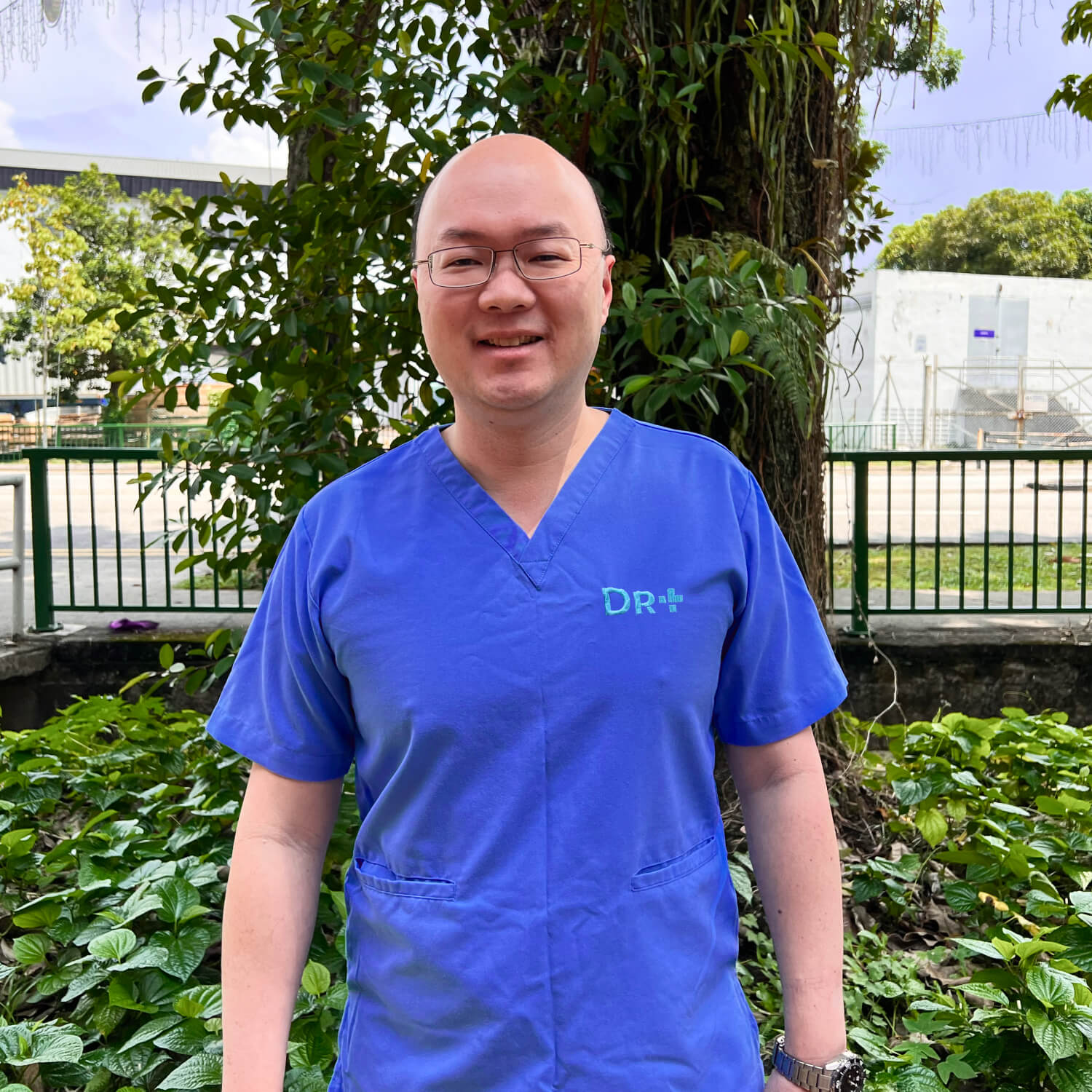
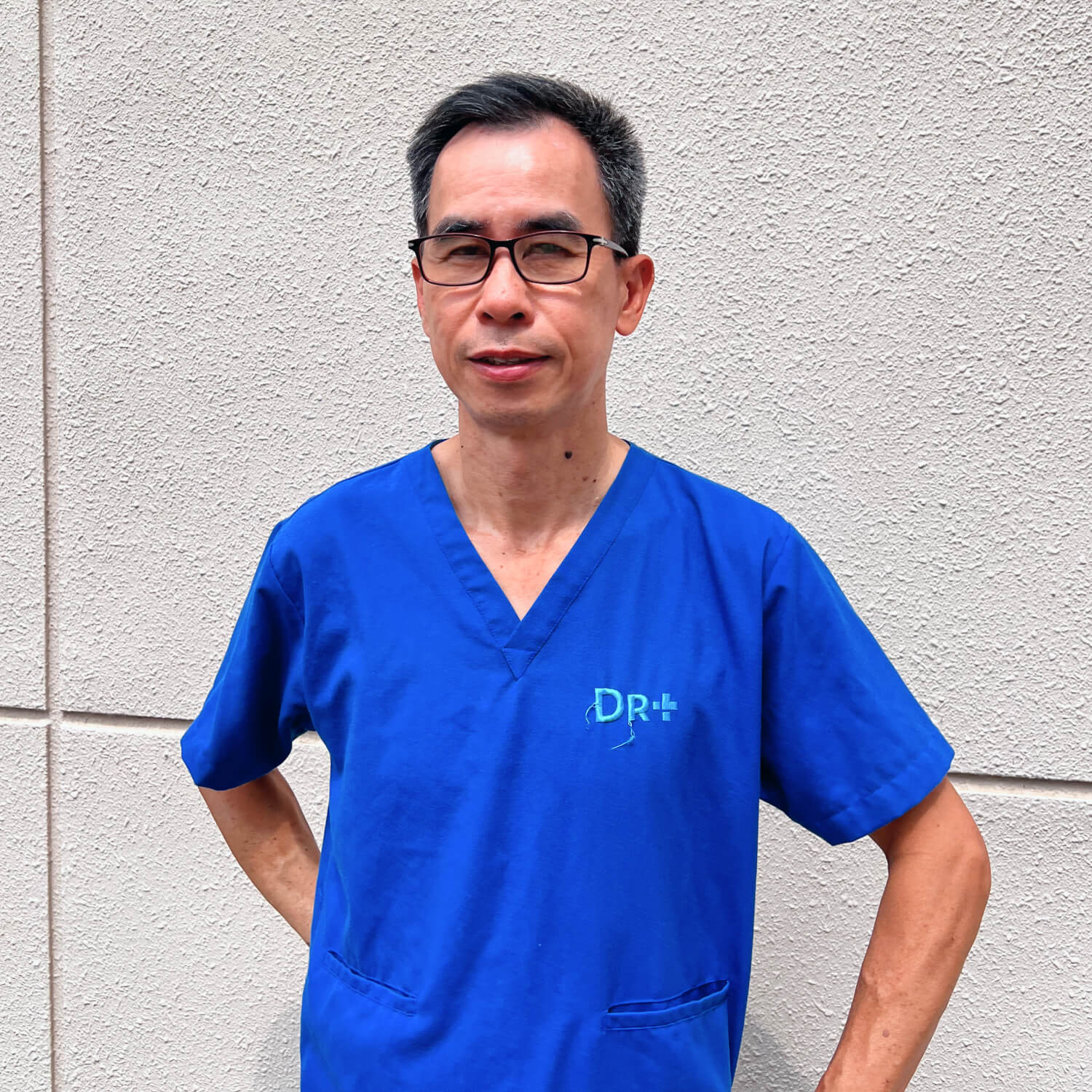
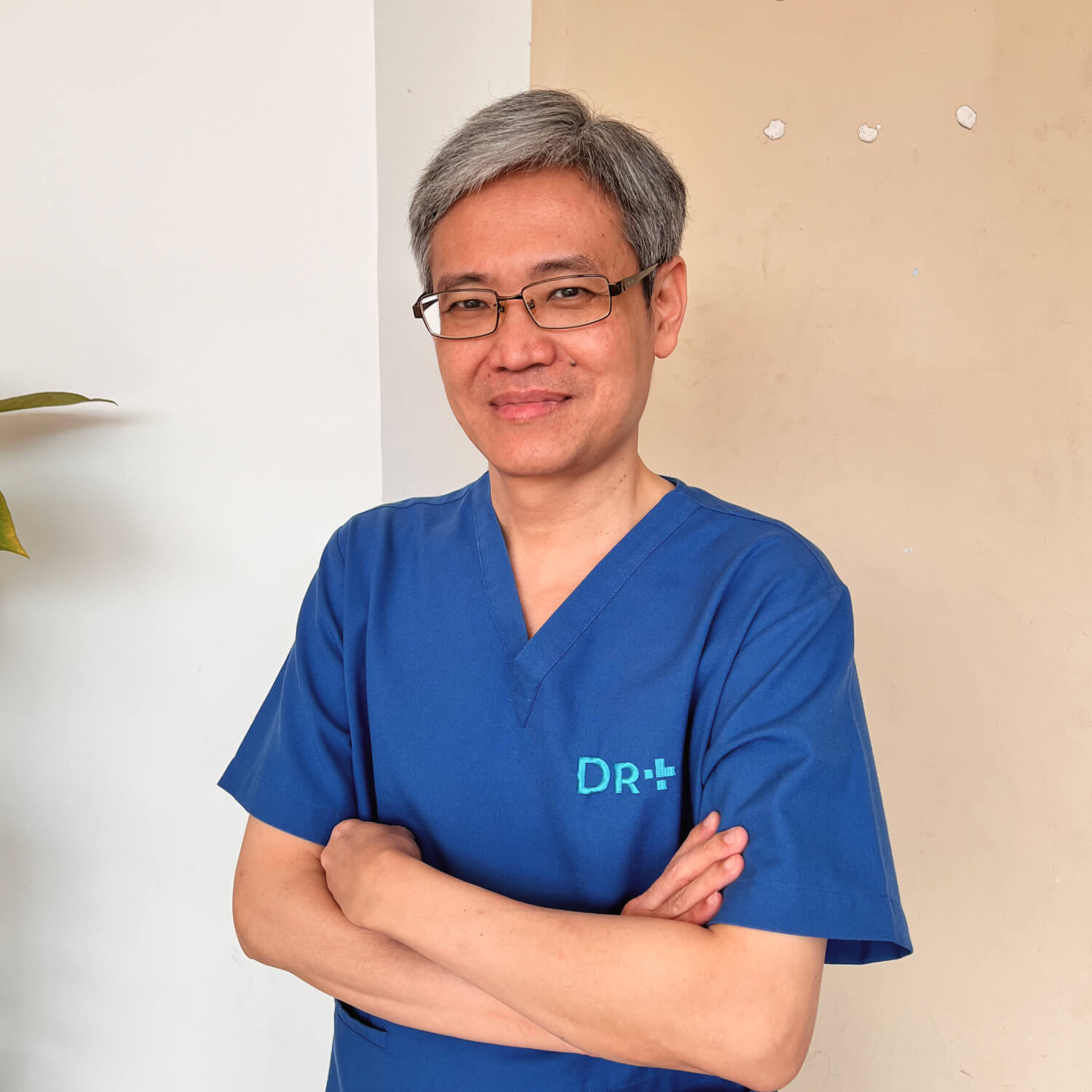
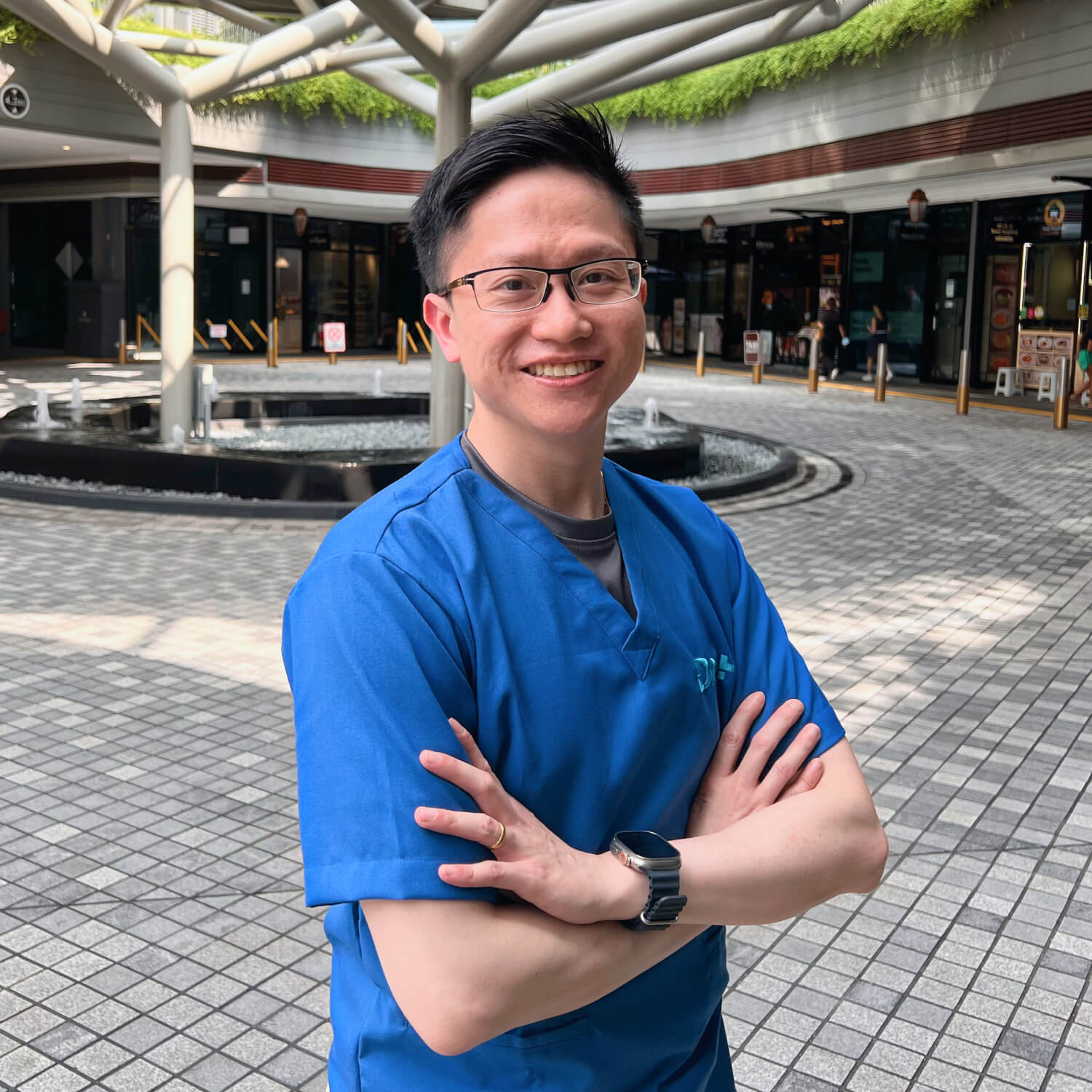
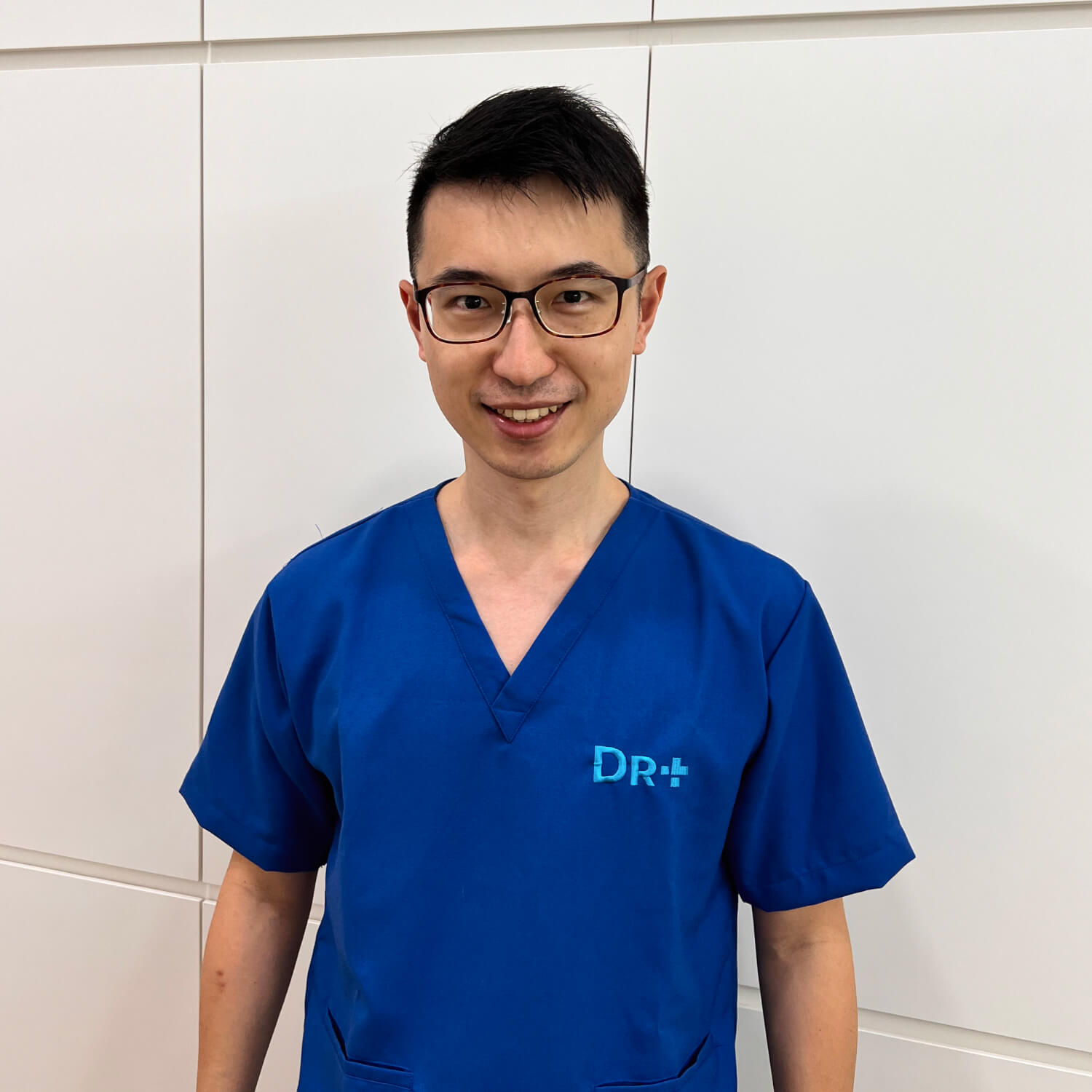
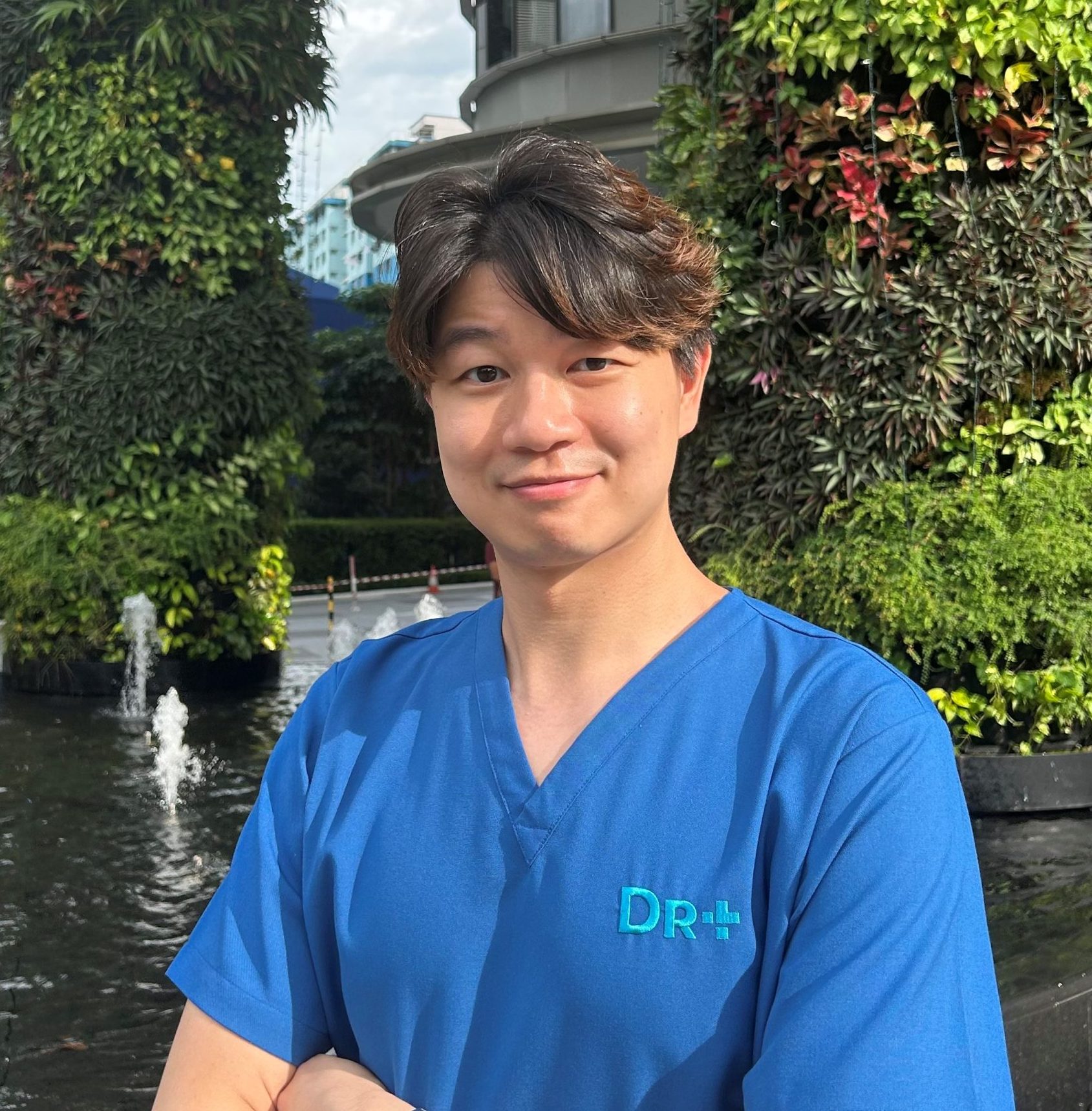
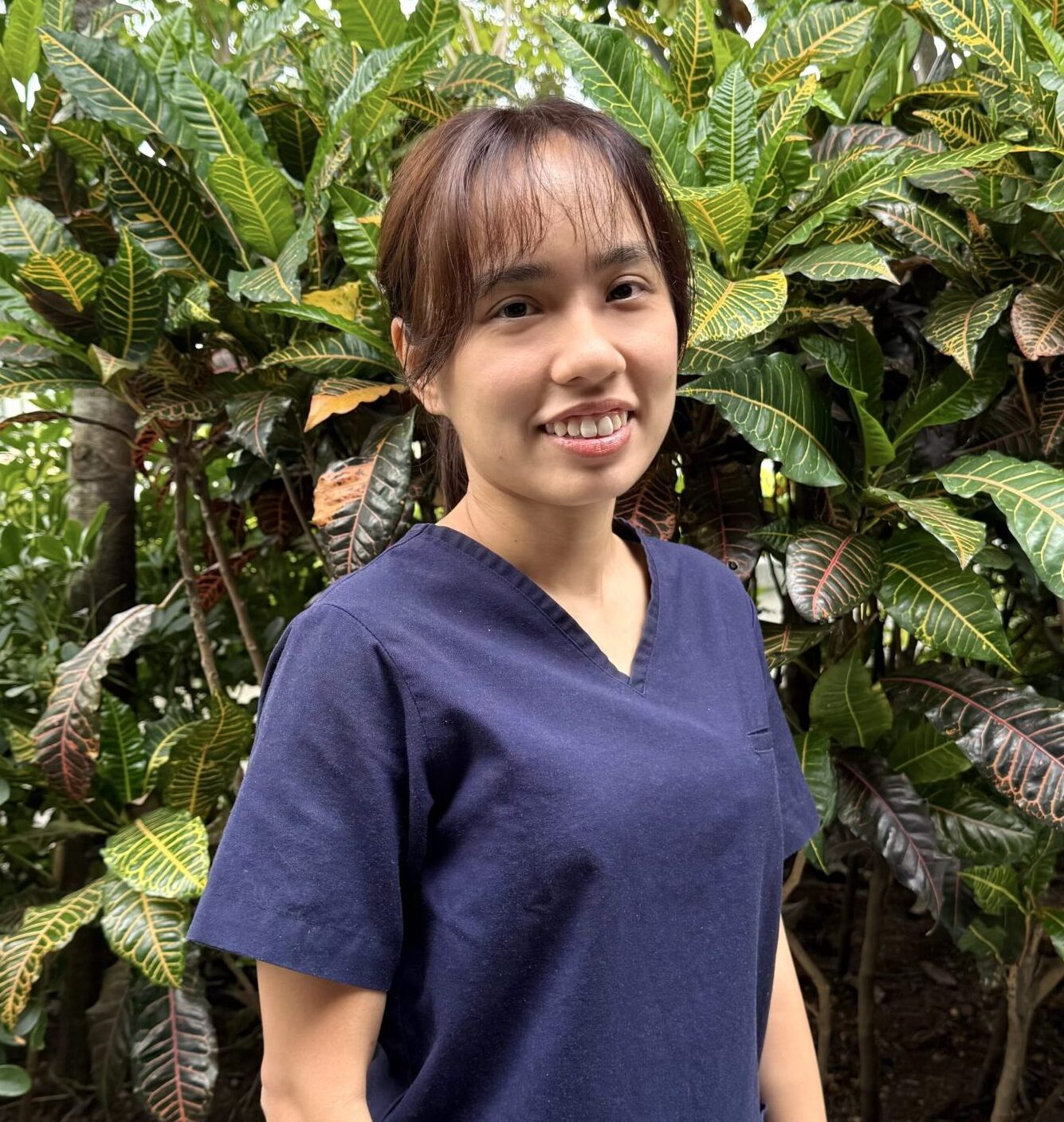
Our doctors are experienced in assessing shoulder and musculoskeletal conditions, helping patients identify the underlying cause of shoulder pain and guiding appropriate treatment or referral when necessary. All DR+ doctors undergo additional training through the Singapore Paincare Academy, where they develop skills in performing specialised injection therapies and related procedures aimed at relieving pain and improving shoulder function. This structured training allows our doctors to provide targeted, evidence-based care for patients experiencing shoulder pain while ensuring appropriate referral when more complex specialist management is required.




Recovery and Rehabilitation for
Shoulder Rotator Cuff Tendinitis
Physical Therapy and Exercises:
Physical therapy and exercises are essential for shoulder rotator cuff injuries as they promote healing, restore range of motion, and strengthen the surrounding muscles. These targeted exercises prevent stiffness, enhance stability, and alleviate pain associated with the injury.
Regular Check-ups
Periodic check-ups allow our doctors to monitor the healing process, assess the range of motion, and make any necessary adjustments to the rehabilitation plan.
Prevention Tips
- Proper Exercise Techniques:
Ensuring correct form when exercising can reduce the risk of injury.
- Regular Shoulder Strengthening Exercises:
These can bolster the shoulder muscles, providing better support to the tendons.
- Avoiding Repetitive Overhead Activities:
Taking breaks and alternating tasks can prevent overstraining.
- Ensuring Ergonomic Setups:
Proper workstation setups can reduce shoulder strain, especially for those working long hours at a desk.
Struggling With Persistent Pain?
Consult one of our doctors today for a detailed consultation & personalised treatment plan.
Frequently Asked Questions
Can GP Doctor Treats Shoulder Rotator Cuff Tendonitis
Yes. Many shoulder pain conditions, including Rotator Cuff Tendinitis, can be assessed and managed by a GP. Treatment may include medication, activity modification, rehabilitation advice, and therapies to reduce inflammation and improve mobility.
At DR+ Medical & Paincare, our doctors receive additional training through the Singapore Paincare Academy, enabling them to provide more advanced pain management approaches, including specialised injection therapies when appropriate. If the condition requires more complex care, the doctor may recommend referral for further evaluation.
What is the difference between Shoulder Rotator Cuff Tendinitis and Rotator Cuff Tear?
While both conditions involve the rotator cuff, tendinitis refers to inflammation of the tendons, whereas a tear indicates that one or more of the tendons have been partially or completely torn.
Are there any risk factors that increase the likelihood of developing Shoulder Rotator Cuff Tendinitis?
Yes, factors such as age, engaging in certain sports or occupations that involve repetitive overhead arm movements, and having a family history of shoulder issues can increase the risk.
How can I differentiate between Shoulder Rotator Cuff Tendinitis and other shoulder conditions?
While some symptoms might overlap with other shoulder conditions, a definitive diagnosis requires a physical examination and imaging tests.
Can Shoulder Rotator Cuff Tendinitis recur after treatment?
Yes, especially if individuals return to activities that strain the shoulder without proper precautions or if they don’t adhere to recommended rehabilitation exercises.
Is it safe to exercise or play sports while undergoing treatment for Shoulder Rotator Cuff Tendinitis?
It depends on the severity of the condition and the type of treatment. While some exercises can aid in recovery, high-impact activities or those involving overhead arm movements might need to be avoided temporarily.
Our Clinics
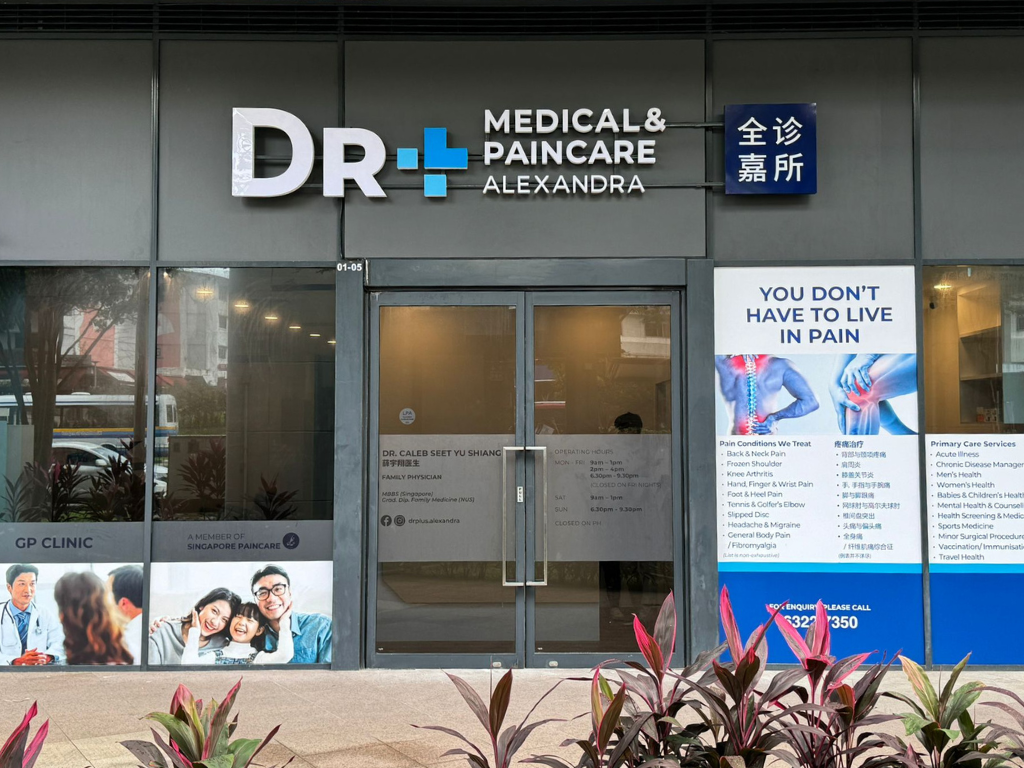
- Mon & Tue: 9am to 1pm, 2pm to 4pm, 6:30pm to 9:30pm
- Wed, Thu & Fri: 9am to 1pm, 2pm to 5pm
- Sat: 9am to 1pm
- Closed on Sun & PH
-
(Kindly note that clinic’s last registration is 15 minutes before closing time.)
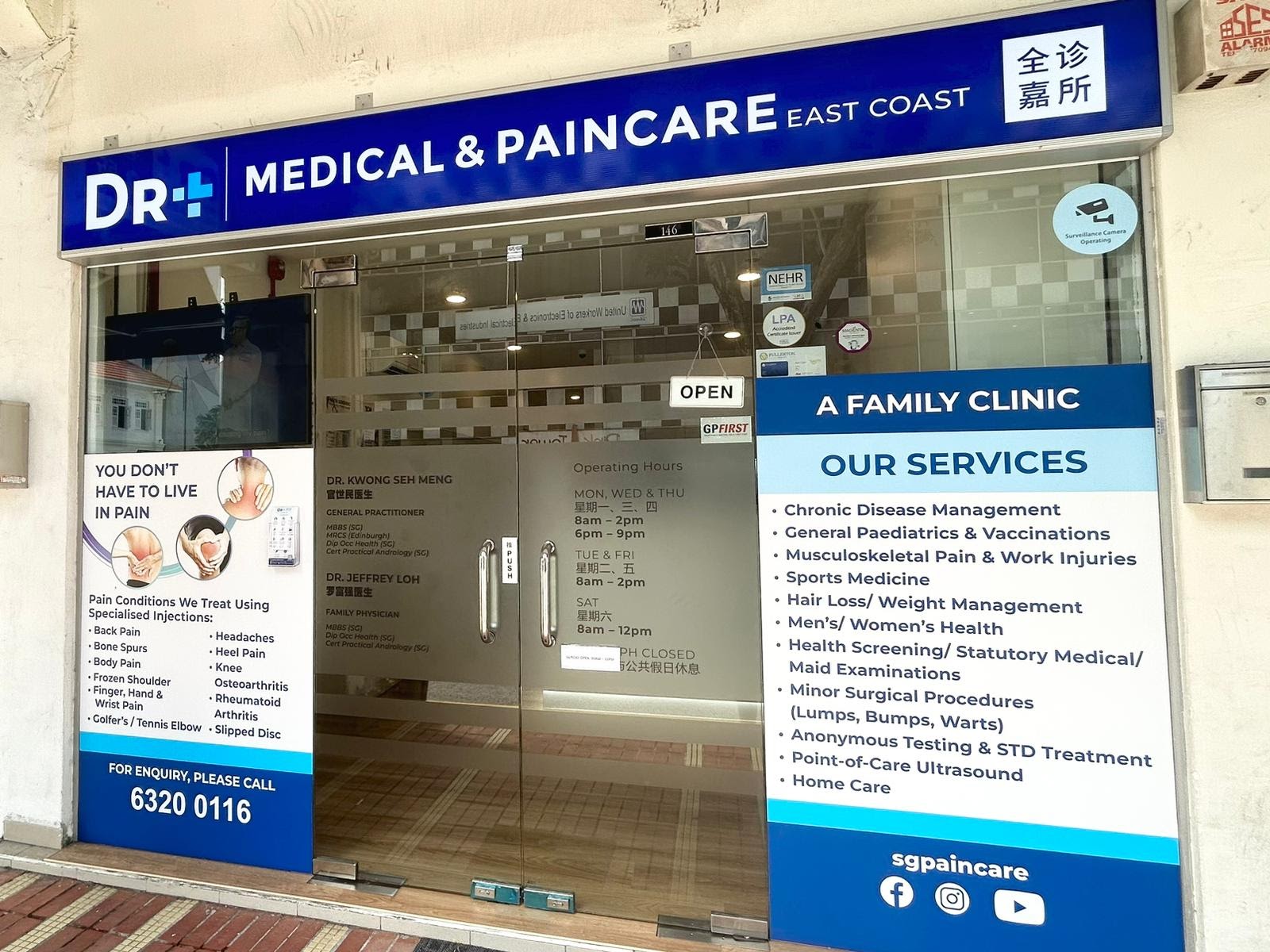
- Mon & Thu: 8:00am – 2:00pm, 6:00pm – 9:00pm
- Tue, Wed & Fri: 8:00am – 2:00pm
- Sat: 8:00am – 12:00pm
- Sun: 10:00am – 1:00pm
- PH: Closed

#01-54 The Midtown, Singapore 533971
- Mon & Tue: 8:00am – 12:30pm, 1:30pm – 5:00pm, 6:00pm – 9:00pm
- Wed: 8:00am – 12:30pm, 6:00pm – 9:00pm
- Thu: 8:00am – 12:30pm, 1:30pm – 5:00pm
- Fri: 8:00am – 12:30pm, 6:00pm – 9:00pm
- Sat: 8:00am – 12:00pm
- Sun & PH: Closed
(Kindly note that clinic’s last registration is 15 minutes before closing time.)
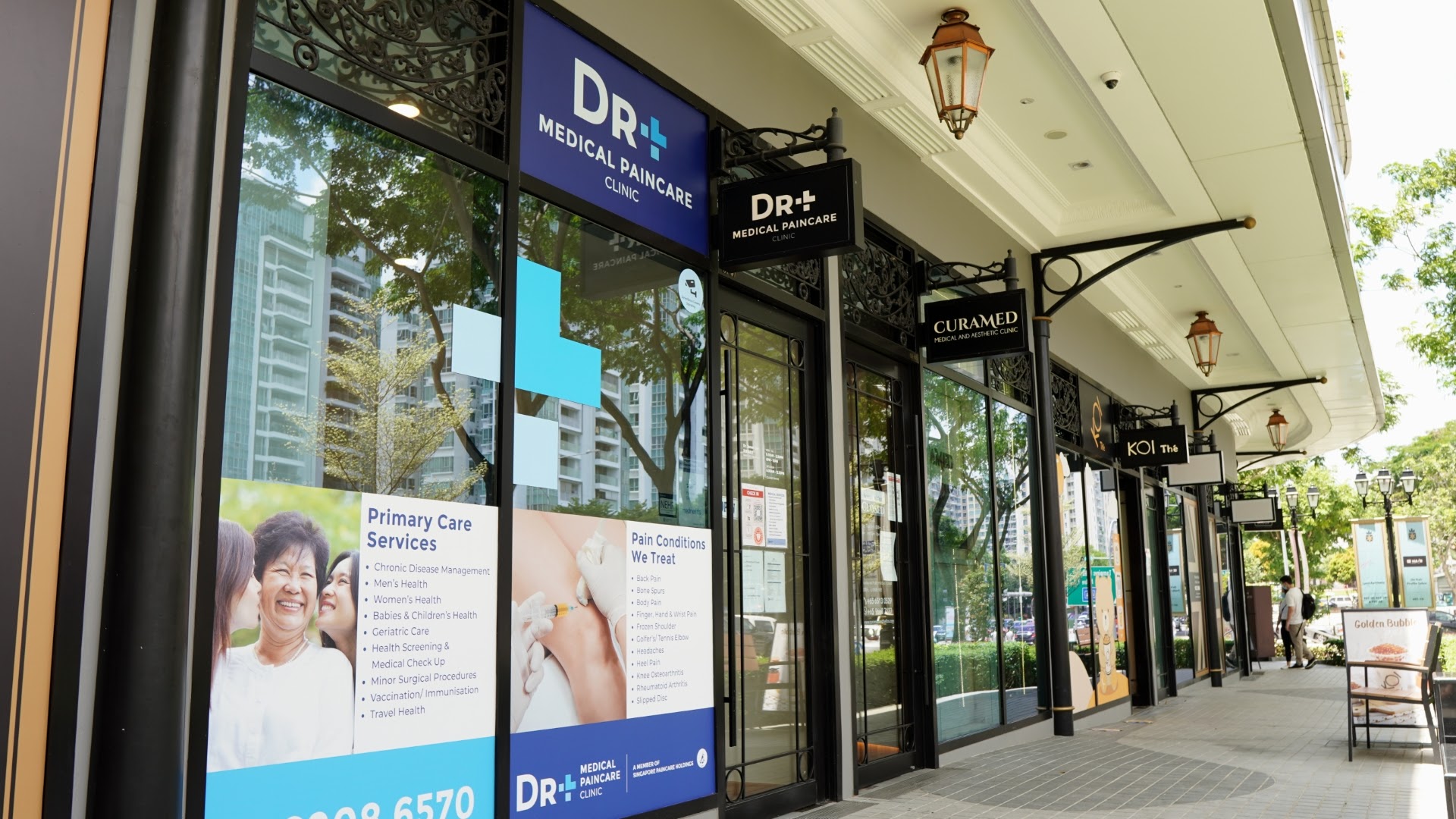
988 Upper Serangoon Rd, Singapore 534733
- Mon to Fri: 8:30am – 2:30pm, 6:00pm – 10:00pm
- Sat & Sun: 8:30am – 12:30pm
- PH: Closed
-
(Kindly note that clinic’s last registration is 15 minutes before closing time.)
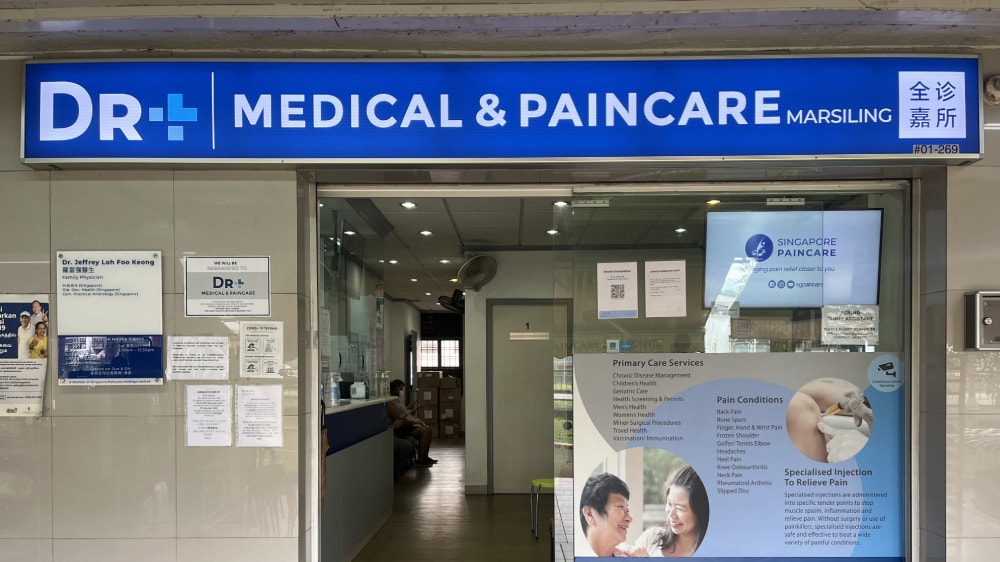
Singapore 730018
- Mon: 8:00am – 9:00pm
- Tue – Fri: 8:00am – 4:30pm, 7:00pm – 9:00pm
- Sat: 8:00am – 12:30pm
- Sun & PH: Closed
-
Kindly note that clinic’s last registration is 15 minutes before closing time.
-
(Last registration timing – Mon: 8:45pm, Tue – Fri: 4:15pm & 8:45pm, Sat: 12:15pm)

Thomson Imperial Court, Singapore 574424
- Mon to Wed: 8:30am – 10:00pm
- Thu: 8:30am – 3:00pm, 6:00pm-9:30pm
- Fri: 8:30am – 6:00pm
- Sat & Sun: 9:00am – 3:00pm
- PH: Closed
-
(Kindly note that clinic’s last registration is 15 minutes before closing time.)

- Mon, Wed & Fri: 8:30am – 12:30pm, 1:30pm – 4:30pm, 6:00pm – 9:00pm
- Tue & Thu: 8:30am – 12:30pm, 1:30pm – 4:30pm
- Sat: 8:30am – 12:30pm
- Closed on Sun & PH
-
(Kindly note that clinic’s last registration is 15 minutes before closing time.)
Need Advice On Your Condition?
Please fill out the form and we will be in touch with you shortly.