
Shoulder Pain
Get an accurate diagnosis and personalised treatment for shoulder pain from Singapore’s experienced pain doctors. Whether your pain is caused by poor posture, sports injuries, overuse, or underlying shoulder conditions — DR+ Medical & Paincare can help.

Overview
Shoulder pain is one of the most common musculoskeletal conditions in Singapore, affecting 1 in 3 people at some point in their lives. It can arise from the joint, tendons, muscles, bursae, or surrounding ligaments, and ranges from a dull ache after overuse to sharp, limiting pain that disrupts sleep and daily activity.
What Is Shoulder Pain?
Shoulder pain is one of the most common musculoskeletal complaints in Singapore, affecting 1 in 3 people at some point in their lives. It can arise from the joint, muscles, tendons, bursae, or surrounding ligaments — and ranges from a dull ache after overuse to sharp, limiting pain that affects sleep and daily activity.
The shoulder is the body’s most mobile joint. It is a ball-and-socket structure formed by three bones: the humerus (upper arm bone), the scapula (shoulder blade), and the clavicle (collarbone). This exceptional range of movement comes at a cost — the shoulder relies on a complex network of tendons, muscles, bursae, and ligaments that are all vulnerable to injury, inflammation, and wear over time.
Shoulder pain can develop suddenly after a sports injury or accident, or gradually through repetitive strain, poor posture, or age-related degeneration. When left untreated, many shoulder conditions worsen over time — making early assessment by a pain-trained GP essential.
Who is Most Affected by Shoulder Pain in Singapore?
Shoulder pain becomes increasingly common after age 40. Rotator cuff injuries are among the most prevalent causes in adults over 40 who perform repetitive overhead movements. Frozen shoulder disproportionately affects women aged 40–60, especially those with diabetes or thyroid disorders. Office workers with poor desk posture are also at higher risk of developing shoulder tendinitis and impingement.
What Causes Shoulder Pain?
The shoulder is the body’s most mobile joint — a ball-and-socket structure made up of the humerus (arm bone), scapula (shoulder blade), and clavicle (collarbone). This mobility comes at a cost: the joint relies on a network of tendons, muscles, bursae, and ligaments that are vulnerable to injury, inflammation, and wear over time. Common causes of shoulder pain include:
Rotator Cuff Injuries
The rotator cuff is a group of four muscles and their tendons that stabilise and move the shoulder. Rotator cuff injuries — including tendinitis (inflammation) and tears — are among the most common causes of shoulder pain in Singapore, particularly in people over 40 or those who perform repetitive overhead movements. Symptoms include a dull ache deep in the shoulder, weakness when lifting the arm, and pain that worsens at night.
Frozen Shoulder (Adhesive Capsulitis)
Frozen shoulder causes progressive stiffness and pain due to inflammation and thickening of the shoulder joint capsule. It typically develops in three stages — freezing, frozen, and thawing — and can last 1–3 years if left untreated. It is more common in people with diabetes, thyroid disorders, or those who have kept the shoulder immobile after an injury. DR+ offers targeted interventions to accelerate recovery at each stage.
Shoulder Arthritis
Osteoarthritis of the shoulder (glenohumeral joint) or acromioclavicular (AC) joint involves progressive breakdown of the cartilage lining the joint. It is more common with age, previous injury, or overuse. Symptoms include a deep aching pain, stiffness, and a grinding or clicking sensation during movement.
Shoulder Tendinitis
Tendinitis is inflammation of the tendons within the shoulder, most commonly the biceps tendon or supraspinatus tendon. It is typically caused by repetitive motions — common in athletes, manual workers, and people who work at desks with poor ergonomics. It responds well to early treatment.
Shoulder Bursitis
Bursitis is the inflammation of the bursa — a small fluid-filled sac that cushions the bones, tendons, and muscles near the shoulder joint. It typically results from repetitive overhead activity, direct trauma, or inflammatory conditions like rheumatoid arthritis. It causes localised tenderness, swelling, and pain with movement.
Shoulder Sprain
A shoulder sprain involves stretching or tearing of the ligaments or muscles of the rotator cuff. Sprains commonly result from falls, sudden impacts, or sports injuries. Severity ranges from Grade I (mild stretch) to Grade III (complete tear).
Shoulder Girdle Syndrome/Personage-Turner Syndrome
Shoulder Girdle Syndrome, also known as brachial neuritis. This rare but often misdiagnosed neurological condition causes sudden, severe shoulder pain followed by progressive weakness and muscle wasting. It involves damage or inflammation to the brachial plexus — the nerve network extending from the neck into the arm. It is frequently mistaken for cervical radiculopathy or a rotator cuff injury.
Shoulder Impingement Syndrome
Shoulder impingement occurs when the tendons of the rotator cuff become pinched between the bones of the shoulder during arm movement. This is often caused by bony spurs on the acromion, poor posture, or repetitive overhead activities. It presents as a painful arc of movement, particularly when raising the arm between 60° and 120°.
What Are the Symptoms of Shoulder Pain?
Shoulder pain symptoms vary depending on the underlying cause, but common signs include:
- Pain — ranging from a dull ache at rest to sharp pain during movement, especially when lifting the arm overhead or reaching behind the back
- Stiffness and restricted movement — difficulty raising the arm, rotating the shoulder, or performing everyday tasks like dressing or reaching for objects
- Swelling and tenderness — warmth, visible swelling, or tenderness when pressing on the affected area
- Weakness — reduced strength when lifting, pushing, or pulling
- Clicking, grinding, or catching sensations — often associated with rotator cuff tears, impingement, or arthritis
- Pain at night — particularly when lying on the affected shoulder, which is characteristic of rotator cuff pathology and frozen shoulder
When Should I See a Doctor for Shoulder Pain?
You should seek medical assessment if:
- Pain is severe, sudden, or follows a fall or accident
- The shoulder looks deformed or visibly out of place
- You cannot move the arm at all (especially after an injury)
- Pain, numbness, or tingling radiates down the arm
- Symptoms do not improve after 1–2 weeks of rest
- You have fever alongside shoulder pain (possible infection)
- Weakness develops progressively and is not improving
In many cases, a GP with specialised training in pain management can evaluate the source of shoulder pain and recommend appropriate treatment. At DR+, our doctors are trained through the Singapore Paincare Academy to assess musculoskeletal and nerve-related shoulder conditions and provide targeted treatments, including guided injections, rehabilitation advice, or referral to a specialist when required. Early assessment can help prevent shoulder pain from becoming a persistent problem.
Struggling With Persistent Pain?
Consult one of our DR+ today for a detailed consultation & personalised treatment plan.
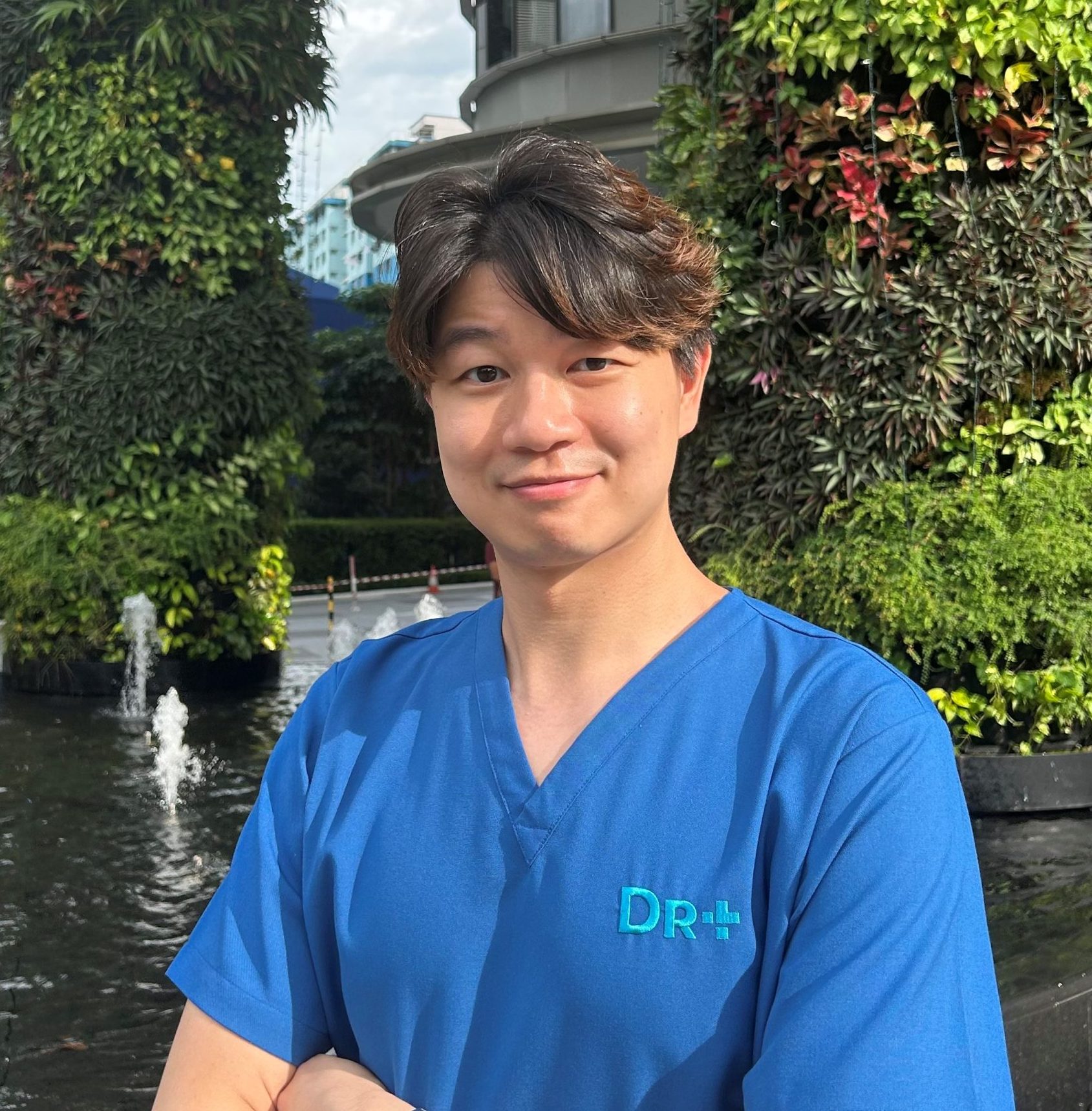
Our Doctors
Our doctors are experienced in assessing shoulder and musculoskeletal conditions, helping patients identify the underlying cause of shoulder pain and guiding appropriate treatment or referral when necessary. All DR+ doctors undergo additional training through the Singapore Paincare Academy, where they develop skills in performing specialised injection therapies and related procedures aimed at relieving pain and improving shoulder function. This structured training allows our doctors to provide targeted, evidence-based care for patients experiencing shoulder pain while ensuring appropriate referral when more complex specialist management is required.






Treatment Modalities
Pain Medication
Non-steroidal anti-inflammatory drugs (NSAIDs) and muscle relaxants are used to manage acute pain and reduce inflammation. Our doctors prescribe appropriately based on your medical history and will advise on duration of use.
Myospan
Minimally invasive treatments aim to effectively relieve common pain conditions by targeting pain sources.
- Coreflex Injections: combine a corticosteroid with a local anaesthetic to rapidly reduce inflammation in affected tendons, bursae, or joints. They are effective for bursitis, impingement syndrome, tendinitis, and inflammatory arthritis, and are administered with precision at the clinic.
- Platelet-Rich Plasma (PRP) injections: uses a concentrated preparation of the patient’s own platelets to promote healing of damaged tendons, muscles, and ligaments. It is a well-established option for rotator cuff tendinitis, shoulder sprains, and chronic shoulder pain that has not responded to other treatments.
- Intra-Articular Injections: Injections directly into the glenohumeral joint can deliver hyaluronic acid or corticosteroids to address osteoarthritis and inflammatory joint conditions. These are particularly beneficial for patients with shoulder arthritis seeking non-surgical pain relief.
For chronic pain conditions originating from spinal issues, Neurospan can be performed by our team of pain specialists from Singapore Paincare Center.
Prevention and Management
While not all shoulder conditions are preventable, these evidence-based steps reduce your risk:
- Strength training — Regular exercises targeting the rotator cuff muscles, deltoids, and scapular stabilisers improve joint stability and reduce injury risk. Incorporate external rotation and scapular retraction exercises.
- Maintain good posture — Poor desk posture (rounded shoulders, forward head) places chronic stress on the shoulder. Set your workstation to keep your screen at eye level and your forearms supported.
- Avoid repetitive strain — Take regular breaks from overhead or repetitive tasks. Warm up before exercise or sport, and cool down afterward.
- Sleep positioning — If your shoulder is painful, avoid sleeping on the affected side. A pillow under the arm can reduce overnight stress on the joint.
- Seek early assessment — Treating pain early prevents minor injuries from becoming structural damage.
Importance of early diagnosis and treatment
- Timely intervention: Seeking medical advice at the onset of pain can lead to a quicker diagnosis, preventing complications and chronic conditions.
- Adherence to treatment: Following the recommended treatment plan, whether it involves physiotherapy exercises, medications, or rest, can significantly improve recovery outcomes.
- Regular check-ups: Periodic consultations with doctors can help monitor the progress and make necessary adjustments to the treatment.
Frequently Asked Questions
Should I see a GP or a shoulder specialist for shoulder pain?
In many cases, a general practitioner (GP) is the first doctor patients consult for shoulder pain. A GP can assess common causes such as muscle strain, tendon inflammation, bursitis, frozen shoulder, or overuse injuries. If the condition requires further evaluation or specialised treatment, the GP may recommend referral to an orthopaedic or pain specialist. At DR+ Medical & Paincare, our doctors are trained in musculoskeletal and pain management, allowing them to assess shoulder conditions and provide targeted treatment where appropriate.
Can a GP treat shoulder pain?
Yes. Many shoulder pain conditions can be assessed and managed by a GP. Treatment may include medication, activity modification, rehabilitation advice, and targeted therapies to reduce inflammation and improve mobility. At DR+ Medical & Paincare, our doctors also receive additional training through the Singapore Paincare Academy, enabling them to provide more advanced pain management approaches, including specialised injection therapies when appropriate. If the shoulder condition requires more complex specialist care, the doctor may recommend referral for further evaluation.
Are there specific exercises I can do at home to alleviate mild shoulder pain?
Yes, there are several exercises designed to relieve shoulder pain, such as pendulum stretches and wall push-ups. However, consult with our doctor before starting any exercise regimen to ensure they are suitable for your specific condition.
How long does it typically take to recover from a rotator cuff injury?
Recovery time for a rotator cuff injury varies based on the severity of the injury. Mild strains may heal within a few weeks, while more severe tears might require surgical intervention and a longer recovery period of several months. In cases of persistent pain, the use of Coreflex or Platelet-rich Plasma Injections can be beneficial in alleviating discomfort and reducing inflammation.
Can poor posture lead to chronic shoulder pain?
Yes, maintaining poor posture, especially during activities like sitting at a desk or lifting heavy objects, can put undue stress on the shoulder muscles and ligaments, potentially leading to chronic pain and other complications.
Are there any alternative therapies effective for shoulder pain?
Some individuals find relief from shoulder pain through alternative therapies such as acupuncture, chiropractic care, or massage therapy. It’s important to discuss with a doctor before trying any alternative treatments to ensure they are safe and appropriate for your condition.
Can dietary changes or supplements help in managing shoulder pain?
Certain dietary changes, like including anti-inflammatory foods or taking supplements such as omega-3 fatty acids, might help reduce inflammation and alleviate pain. However, consult with a nutritionist or doctor before making significant dietary changes or starting any supplements.
Our Clinics
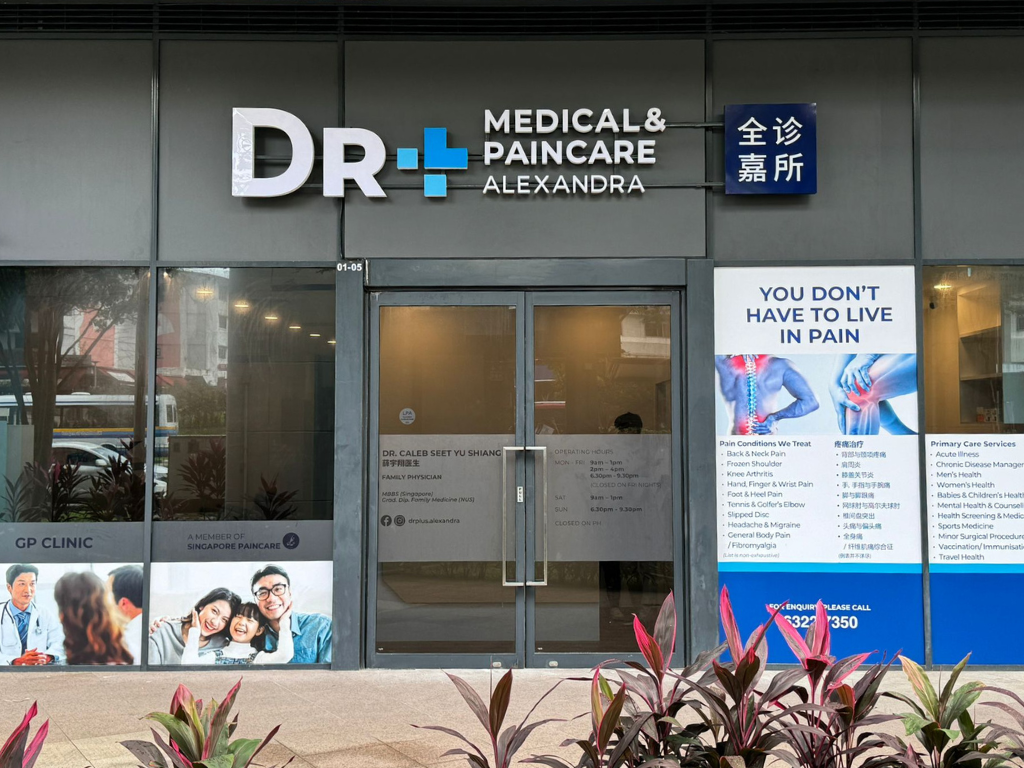
- Mon & Tue: 9am to 1pm, 2pm to 4pm, 6:30pm to 9:30pm
- Wed, Thu & Fri: 9am to 1pm, 2pm to 5pm
- Sat: 9am to 1pm
- Closed on Sun & PH
-
(Kindly note that clinic’s last registration is 15 minutes before closing time.)
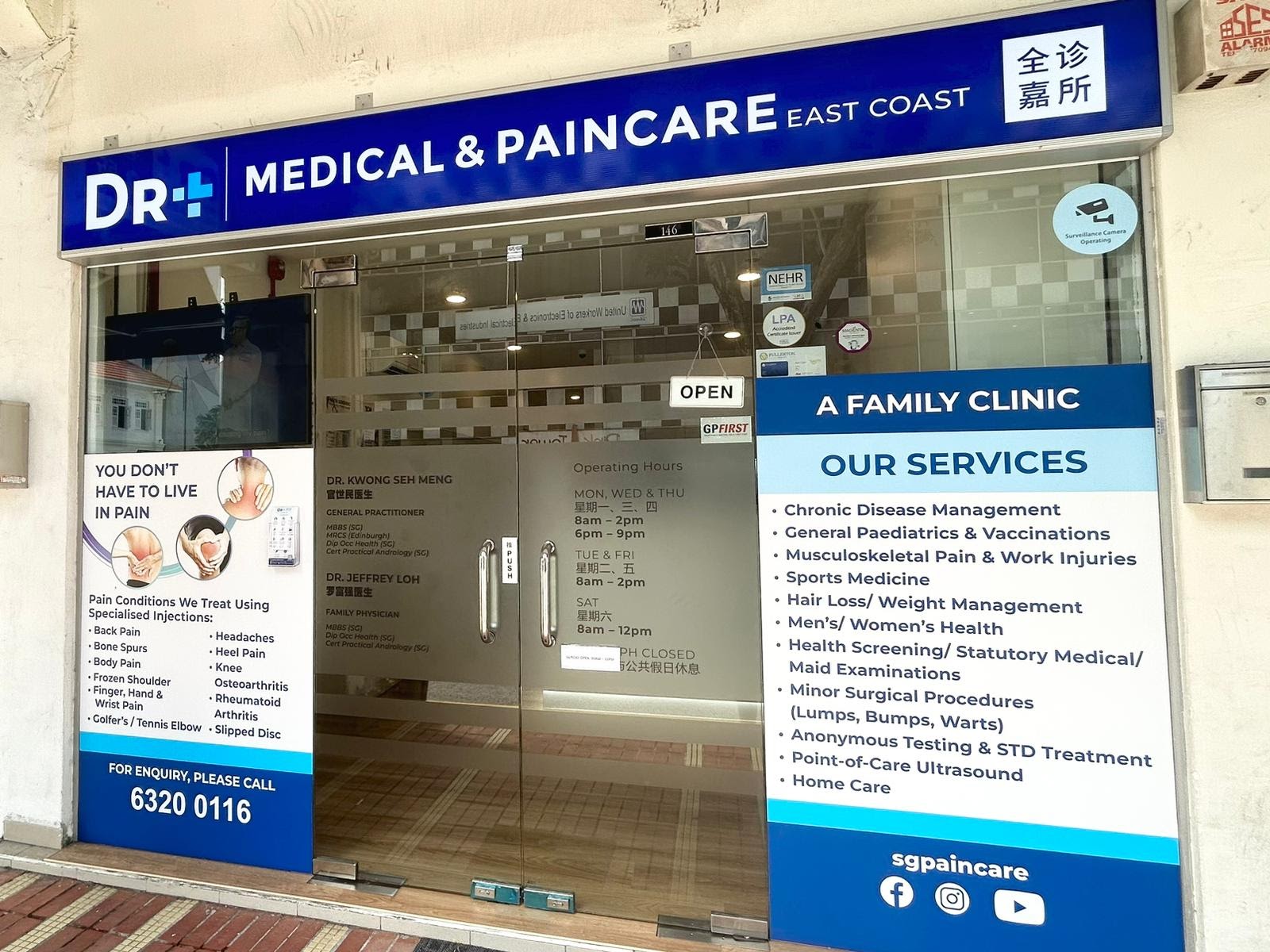
- Mon: 8:00am – 2:00pm, 6:00pm – 9:00pm
- Tue & Wed: 8:00am – 3:00pm
- Thu: 8:00am – 3:00pm, 6:00pm – 9:00pm
- Fri: 8:00am – 2:00pm
- Sat: 8:00am – 12:00pm
- Sun: 10:00am – 1:00pm
- PH: Closed

#01-54 The Midtown, Singapore 533971
- Mon & Tue: 8:00am – 12:30pm, 1:30pm – 5:00pm, 6:00pm – 9:00pm
- Wed: 8:00am – 12:30pm, 6:00pm – 9:00pm
- Thu: 8:00am – 12:30pm, 1:30pm – 5:00pm
- Fri: 8:00am – 12:30pm, 6:00pm – 9:00pm
- Sat: 8:00am – 12:00pm
- Sun & PH: Closed
(Kindly note that clinic’s last registration is 15 minutes before closing time.)

988 Upper Serangoon Rd, Singapore 534733
- Mon to Fri: 8:30am – 2:30pm, 6:00pm – 10:00pm
- Sat & Sun: 8:30am – 12:30pm
- PH: Closed
-
(Kindly note that clinic’s last registration is 15 minutes before closing time.)

Singapore 730018
- Mon: 8:00am – 9:00pm
- Tue – Fri: 8:00am – 4:30pm, 7:00pm – 9:00pm
- Sat: 8:00am – 12:30pm
- Sun & PH: Closed
-
Kindly note that clinic’s last registration is 15 minutes before closing time.
-
(Last registration timing – Mon: 8:45pm, Tue – Fri: 4:15pm & 8:45pm, Sat: 12:15pm)

Thomson Imperial Court, Singapore 574424
- Mon to Wed: 8:30am – 10:00pm
- Thu: 8:30am – 3:00pm, 6:00pm-9:30pm
- Fri: 8:30am – 6:00pm
- Sat & Sun: 9:00am – 3:00pm
- PH: Closed
-
(Kindly note that clinic’s last registration is 15 minutes before closing time.)

- Mon, Wed & Fri: 8:30am – 12:30pm, 1:30pm – 4:30pm, 6:00pm – 9:00pm
- Tue & Thu: 8:30am – 12:30pm, 1:30pm – 4:30pm
- Sat: 8:30am – 12:30pm
- Closed on Sun & PH
-
(Kindly note that clinic’s last registration is 15 minutes before closing time.)

#01-95, Singapore 570121
- Mon, Wed, Thu & Fri: 8:00am – 5:00pm, 6:00pm – 9:00pm
- Tue: 8:00am – 5:00pm
- Sat & Sun: 8:00am – 1:00pm
- PH: Closed
-
(Kindly note that clinic’s last registration is 15 minutes before closing time but may close earlier if the queue is unusually long.)
Need Advice On Your Condition?
Please fill out the form and we will be in touch with you shortly.