
Plantar Fasciitis

Overview
Plantar fasciitis is the most common cause of heel pain, affecting an estimated 10% of people during their lifetime. It involves degeneration and inflammation of the plantar fascia, the thick band of tissue connecting the heel bone to the toes. The hallmark symptom is sharp heel pain with the first steps in the morning. At DR+, our GPs with specialised training in pain management provide a thorough assessment of plantar fasciitis to identify the root cause of heel pain and create a personalised, non-surgical treatment plan.
What is Plantar Fasciitis?
Plantar fasciitis is one of the leading causes of heel pain. The thick, web-like ligament known as the plantar fascia supports the foot’s arch and relieves strain when you run or walk. Tiny tears may form in this tissue as a result of strain or overuse, causing pain and inflammation in the foot’s arch and heel.
What Are the Symptoms of Plantar Fasciitis?
Symptoms vary depending on the underlying cause and severity. Common presentations include:
Sharp pain in the bottom of the foot
This is the most common symptom, often felt first thing in the morning or after sitting for a long time. The pain is usually intense with the first few steps and may improve with movement but can return after prolonged activity.
Pain in the arch of the foot
Many individuals also experience discomfort in the arch, which can be stiff and tender, especially after standing or walking for long periods.
Worsening pain after exercise
The pain tends to be sharper after physical activity, especially after jogging or walking extensively. Flare-ups are common after such activities, making daily movements more difficult.
When to Seek Urgent Medical Attention
Seek assessment if heel pain is accompanied by significant redness, warmth, and swelling suggesting infection, if pain was sudden in onset following a specific injury (possible calcaneal fracture), or if you develop progressive numbness in the heel and sole (possible tarsal tunnel nerve entrapment). These require investigations beyond routine plantar fasciitis management.
Struggling With Persistent Pain?
Consult one of our DR+ today for a detailed consultation & personalised treatment plan.
What Causes Plantar Fasciitis?
Plantar Fasciitis has several possible causes. Understanding the underlying reason is the first step toward effective, targeted treatment.
Biomechanical Overload
The plantar fascia absorbs repetitive compressive and tensile forces during walking and running. Excessive loading from prolonged standing, sudden increase in activity, or running on hard surfaces exceeds the tissue’s capacity to repair itself, leading to micro-tears and degeneration of the fascia at its heel bone attachment.
Flat Feet or High Arches
Abnormal foot arch mechanics alter the distribution of forces through the plantar fascia. Flat feet (overpronation) cause the fascia to be stretched excessively with each step. High arches (supination) cause reduced shock absorption and concentrated load at the heel. Both biomechanical patterns increase plantar fasciitis risk.
Tight Calf Muscles and Achilles Tendon
Restricted ankle dorsiflexion from tight gastrocnemius and soleus muscles increases the load on the plantar fascia during the push-off phase of gait. Stretching the calf muscles is one of the most important preventive and therapeutic interventions for plantar fasciitis.
Obesity and Prolonged Standing
Excess body weight increases the compressive load on the plantar fascia, particularly during standing and walking. Occupations requiring prolonged standing on hard surfaces (teachers, retail workers, food stall operators) are associated with a significantly higher incidence of plantar fasciitis.
How Is Plantar Fasciitis Diagnosed?
At DR+, every plantar fasciitis consultation follows the Painostic® methodology: a structured assessment to identify the root cause, not just manage the symptom.
Clinical Examination
Doctor will palpate the medial calcaneal tuberosity for point tenderness, assess ankle dorsiflexion range, evaluate foot arch type (flat or high), and rule out other heel pain causes such as Achilles tendon insertion, sinus tarsi syndrome, and heel pad atrophy.
Imaging
X-ray of the heel may show a calcaneal spur: a bony projection at the plantar fascia attachment. The spur itself is often not the pain source but indicates chronic plantar fascia stress. Point-of-Care Ultrasound (POCUS) at DR+ measures plantar fascia thickness and identifies areas of degeneration, guiding injection targeting.
What Are the Treatment Options for Plantar Fasciitis?
Pain Medication
This involves the use of medications such as Non-Steroidal Anti-Inflammatory Drugs (NSAIDs), opioids, and other specialised medications designed for pain management. The type and dosage are tailored to the individual’s condition and medical history.
Myospan
Minimally invasive treatments aim to effectively relieve common pain conditions by targeting pain sources.
- Coreflex Injections: Typically contain a corticosteroid and are used for inflamed joints or tissues.
- Platelet-Rich Plasma (PRP) injections: Utilise own platelets to promote healing in damaged tissues.
- Intra-Articular Injections: Most commonly used to treat osteoarthritis in the hip or knee, but they can also be given in other joints, including shoulders, wrists, ankles, hands, and fingers.
For chronic pain conditions originating from spinal issues, Neurospan can be performed by our team of pain specialists from Singapore Paincare Center.
Our Doctors
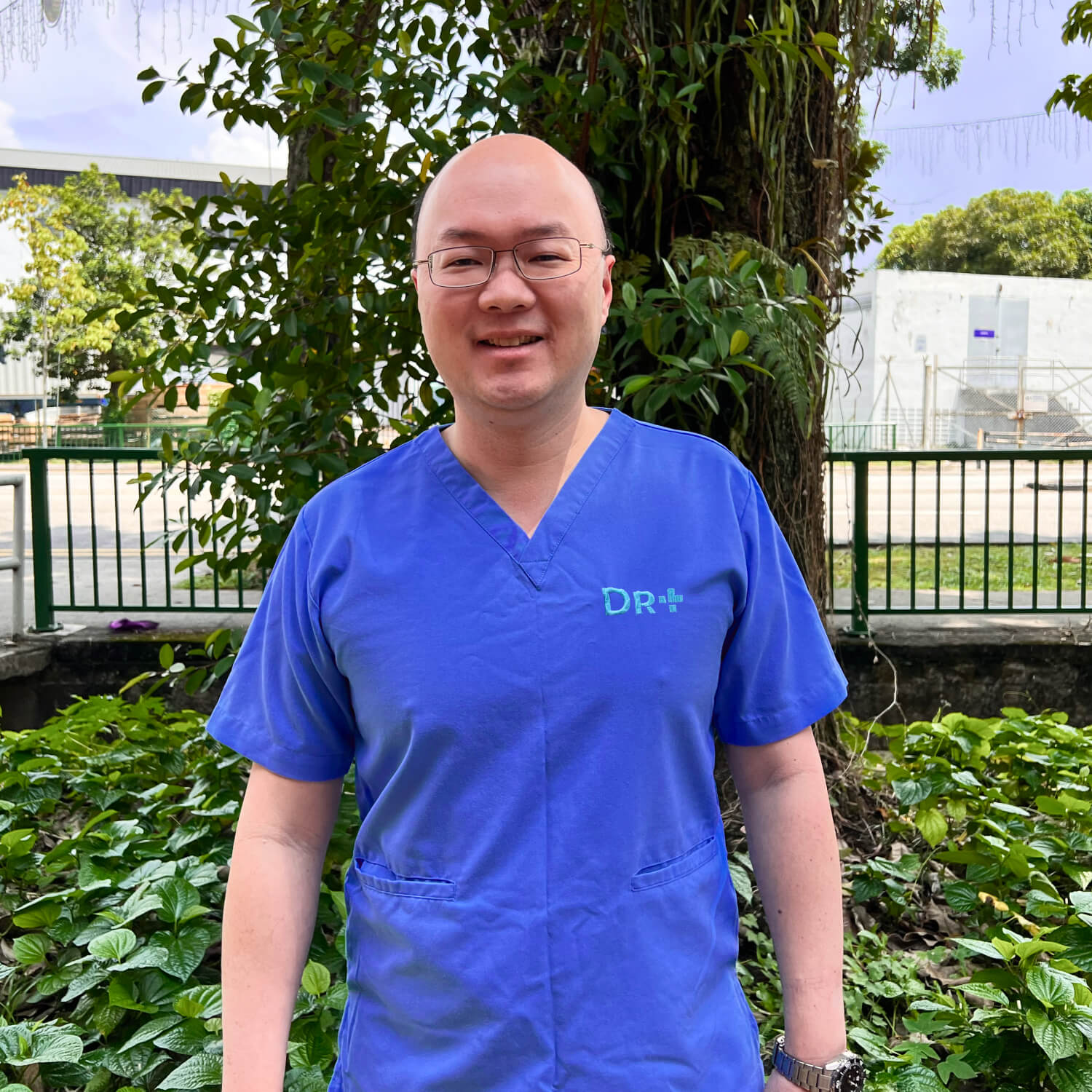
Our doctors are experienced in assessing musculoskeletal and foot pain, helping patients identify the underlying cause of heel discomfort and guiding appropriate treatment or referral when necessary. All DR+ doctors undergo additional training through the Singapore Paincare Academy, where they develop skills in performing specialised therapies and procedures aimed at relieving plantar fasciitis pain and improving foot function. This structured training allows our doctors to provide targeted, evidence-based care for patients experiencing plantar fasciitis while ensuring appropriate referral when more complex specialist management is required.










Prevention Strategies
Plantar fasciitis prevention depends on good foot health, proper footwear, and attentiveness to activity amount. The following are plantar fasciitis prevention strategies that works best:
- Wear supportive shoes with adequate arch support to prevent plantar fasciitis.
- Maintain normal body weight to reduce stress and pressure on the feet.
- Regular stretching, especially strengthening the calf muscles and Achilles tendon, to prevent fascia from becoming overly tight.
- Avoid high-impact activities like running or jumping to maintain activity without additional stress.
- Use orthotics or insoles for additional arch support in flat feet or high arches.
- Strengthen foot and ankle muscles to improve stability and reduce injury risk.
Frequently Asked Questions
Can A GP Doctor Treats Plantar Fasciitis?
Yes. A GP doctor can assess and manage plantar fasciitis, especially in the early and moderate stages. Treatment may include pain relief measures, activity modification, footwear adjustments, stretching exercises, and rehabilitation advice to reduce heel pain and improve foot function.
At DR+ Medical & Paincare, our doctors receive additional training through the Singapore Paincare Academy and may also provide targeted therapies or injections when appropriate. If the condition becomes severe or requires specialist care, the doctor may recommend referral to a podiatrist or orthopaedic specialist.
Are There Any Home Remedies to Relieve Plantar Fasciitis?
Home remedies include icing of the inflamed area, stretching exercises of the feet and calves, use of over-the-counter orthotics, and night splints that keep the foot in alignment during sleep. Even simple changes in lifestyle, such as proper selection of footwear, can make a big difference.
What are the Non-Surgical Treatment for Plantar Fasciitis?
If home remedies such as rest, stretching exercises, and supportive footwear do not relieve your plantar fasciitis symptoms, it’s important to see a doctor for further evaluation and treatment.
Does Rest Cure Plantar Fasciitis?
Rest can dramatically reduce the symptoms of plantar fasciitis by taking the stress off the inflamed tissue. However, rest alone does not usually cure the condition. Combining rest with stretching, supportive footwear and other treatments is usually the most effective way to manage the condition.
Can Plantar Fasciitis be prevented?
Yes, plantar fasciitis can most of the time be prevented by maintaining healthy weight, using supportive shoes, performing regular stretching on the feet and calf muscles, and carefully avoiding high-impact activities that can put extra stress on the feet.
Our Clinics

- Mon & Tue: 9am to 1pm, 2pm to 4pm, 6:30pm to 9:30pm
- Wed, Thu & Fri: 9am to 1pm, 2pm to 5pm
- Sat: 9am to 1pm
- Closed on Sun & PH
-
(Kindly note that clinic’s last registration is 15 minutes before closing time.)

- Mon: 8:00am – 2:00pm, 6:00pm – 9:00pm
- Tue & Wed: 8:00am – 3:00pm
- Thu: 8:00am – 3:00pm, 6:00pm – 9:00pm
- Fri: 8:00am – 2:00pm
- Sat: 8:00am – 12:00pm
- Sun: 10:00am – 1:00pm
- PH: Closed

#01-54 The Midtown, Singapore 533971
- Mon & Tue: 8:00am – 12:30pm, 1:30pm – 5:00pm, 6:00pm – 9:00pm
- Wed: 8:00am – 12:30pm, 6:00pm – 9:00pm
- Thu: 8:00am – 12:30pm, 1:30pm – 5:00pm
- Fri: 8:00am – 12:30pm, 6:00pm – 9:00pm
- Sat: 8:00am – 12:00pm
- Sun & PH: Closed
(Kindly note that clinic’s last registration is 15 minutes before closing time.)

988 Upper Serangoon Rd, Singapore 534733
- Mon to Fri: 8:30am – 2:30pm, 6:00pm – 10:00pm
- Sat & Sun: 8:30am – 12:30pm
- PH: Closed
-
(Kindly note that clinic’s last registration is 15 minutes before closing time.)

Singapore 730018
- Mon: 8:00am – 9:00pm
- Tue – Fri: 8:00am – 4:30pm, 7:00pm – 9:00pm
- Sat: 8:00am – 12:30pm
- Sun & PH: Closed
-
Kindly note that clinic’s last registration is 15 minutes before closing time.
-
(Last registration timing – Mon: 8:45pm, Tue – Fri: 4:15pm & 8:45pm, Sat: 12:15pm)

Thomson Imperial Court, Singapore 574424
- Mon to Wed: 8:30am – 10:00pm
- Thu: 8:30am – 3:00pm, 6:00pm-9:30pm
- Fri: 8:30am – 6:00pm
- Sat & Sun: 9:00am – 3:00pm
- PH: Closed
-
(Kindly note that clinic’s last registration is 15 minutes before closing time.)

Singapore 640221
- Mon to Fri: 8:00am – 4:00pm
- Sat: 8:00am – 12:00pm
Sun: Closed - PH: Closed
-
(Kindly note that clinic’s last registration is 15 minutes before closing time.)

- Mon, Wed & Fri: 8:30am – 12:30pm, 1:30pm – 4:30pm, 6:00pm – 9:00pm
- Tue & Thu: 8:30am – 12:30pm, 1:30pm – 4:30pm
- Sat: 8:30am – 12:30pm
- Closed on Sun & PH
-
(Kindly note that clinic’s last registration is 15 minutes before closing time.)
Need Advice On Your Condition?
Please fill out the form and we will be in touch with you shortly.