
Neck Pain
Get an accurate diagnosis and personalised treatment for neck pain from Singapore’s experienced pain doctors. Whether your pain is from poor posture, a sports injury, or a cervical spine condition — DR+ Medical & Paincare can help.

Overview
Neck pain is a common reason people seek medical care in Singapore. It may develop suddenly after an injury or gradually due to prolonged poor posture, repetitive strain, or age-related changes in the cervical spine. When neck discomfort persists or begins to affect daily activities such as work, sleep, or head movement, proper assessment by a neck pain doctor is important to identify the underlying cause and guide appropriate treatment for lasting relief and improved quality of life.
What is Neck Pain?
Neck pain is a common musculoskeletal complaint in Singapore, affecting many people due to prolonged desk work, mobile device use, and poor posture. It can arise from the cervical spine joints, muscles, ligaments, intervertebral discs, or nearby nerves. Symptoms may range from a mild stiffness after long periods of sitting to sharp or persistent pain that limits neck movement and daily activities.
The neck, also known as the cervical spine, is made up of seven vertebrae that support the weight of the head and allow a wide range of motion including bending, turning, and tilting. These vertebrae are supported by a complex network of muscles, ligaments, discs, and nerves that work together to maintain stability and mobility. Because of this delicate balance between movement and support, the neck is vulnerable to muscle strain, joint irritation, disc problems, and nerve compression.
Neck pain can develop suddenly after an accident, fall, or sudden movement, or gradually due to prolonged poor posture, repetitive strain, or age-related changes in the cervical spine. If left untreated, persistent neck problems may worsen and lead to symptoms such as headaches, shoulder pain, or numbness in the arms. Early assessment by a pain-trained GP can help identify the underlying cause and guide appropriate treatment before the condition progresses.
What Are the Signs and Symptoms of Neck Pain?
Neck pain presents differently depending on the underlying cause. Common signs and symptoms include:
- Localised neck pain — a persistent ache or stiffness confined to one area of the neck, often worsened by certain movements or prolonged positions
- Radiating pain (cervical radiculopathy) — pain that travels from the neck into the shoulders, arms, or fingers, suggesting nerve root compression
- Cervicogenic headaches — headaches originating from the neck, typically felt at the base of the skull and radiating towards the forehead or temples
- Muscle tightness and spasms — involuntary muscle contractions that can significantly restrict range of motion
- Numbness or tingling in the arms or hands — often described as a ‘pins and needles’ sensation; a sign of nerve involvement
- Weakness in the arms or hands — may indicate nerve compression or cervical myelopathy requiring urgent assessment
- Crepitus (clicking or grinding sounds) — grating sensations when rotating the head, often due to worn joint surfaces in cervical spondylosis
- Dizziness or visual changes — in some cases of cervical spondylosis, bony changes may affect blood supply or the spinal cord
What Are the Common Causes of Neck Pain?
Neck pain can arise from a wide range of conditions — from everyday muscle strain to structural issues in the cervical spine. The most common causes include:
Muscle Strain & Poor Posture
One of the most prevalent causes, especially among office workers and those using mobile devices for extended periods (‘tech neck’). Sustained forward head posture increases the effective weight on the cervical spine significantly.
Cervical Spondylosis (Neck Arthritis)
Age-related wear and tear of the cervical discs and facet joints. Bone spurs (osteophytes) may form and compress nearby nerves. Common in adults over 40.
Herniated Cervical Disc
When the inner gel of an intervertebral disc pushes through its outer casing and presses on a nerve root, causing radiating pain, numbness, or weakness in the arm (cervical radiculopathy).
Cervical Spinal Stenosis
Narrowing of the spinal canal in the neck, which can compress the spinal cord (cervical myelopathy) — a serious condition requiring prompt specialist attention.
Whiplash Injury
A rapid back-and-forth movement of the neck, typically from road traffic accidents, causing soft tissue strain. Symptoms may be delayed by hours or days and can become chronic without proper management.
Facet Joint Dysfunction
The small joints at the back of each cervical vertebra can become inflamed or arthritic, causing localised neck pain and stiffness, particularly on turning the head.
Other Causes
Less common causes include fibromyalgia, rheumatoid arthritis, infections, and in rare cases, tumours. These require thorough investigation to exclude.
When Should You See a Neck Pain Doctor in Singapore?
Mild neck discomfort from poor posture or muscle strain may improve with rest, stretching, and simple pain relief. However, certain symptoms suggest it is time to seek medical assessment from a doctor:
- Neck pain that persists for more than 2–3 weeks without improvement
- Pain that spreads from the neck into the shoulder, arm, or upper back
- Numbness, tingling, or weakness in the arm or hand
- Stiffness that makes it difficult to turn or tilt your head
- Headaches associated with neck tightness or movement
- Pain following a fall, accident, or sudden neck injury
- Neck pain that interferes with sleep, work, or daily activities
In many cases, a GP with specialised training in pain management can evaluate the source of neck pain and recommend appropriate treatment. At DR+, our doctors are trained through the Singapore Paincare Academy to assess musculoskeletal and nerve-related neck conditions and provide targeted treatments, including guided injections, rehabilitation advice, or referral to a specialist when required. Early assessment can help prevent neck pain from becoming a persistent problem.
What Are the Treatment Options for Neck Pain at DR+?
Pain Medication
This involves the use of medications such as Non-Steroidal Anti-Inflammatory Drugs (NSAIDs), opioids, and other specialised medications designed for pain management. The type and dosage are tailored to the individual’s condition and medical history.
Myospan (Minimally Invasive Procedures)
Myospan encompasses a range of targeted injections designed to treat pain at its source with minimal downtime:
- Coreflex Injections — corticosteroid-based injections delivered to inflamed joints or soft tissues to reduce swelling and pain
- Platelet-Rich Plasma (PRP) Injections — your own platelets are concentrated and injected to promote tissue healing in damaged structures
- Intra-Articular Injections — injections directly into the cervical facet joints to treat joint inflammation
For chronic pain conditions originating from spinal issues, Neurospan can be performed by our team of pain specialists from Singapore Paincare Center.
Our Doctors
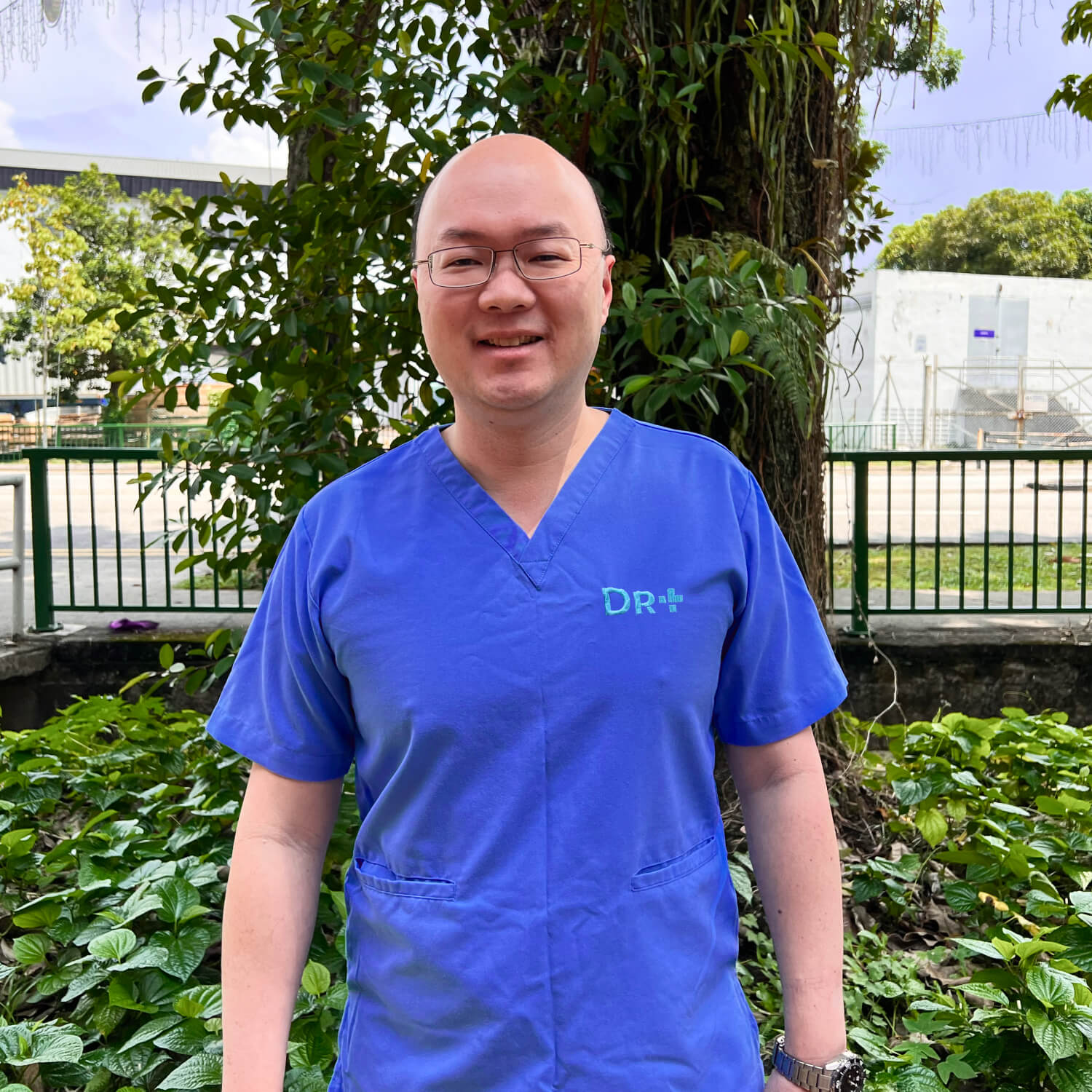
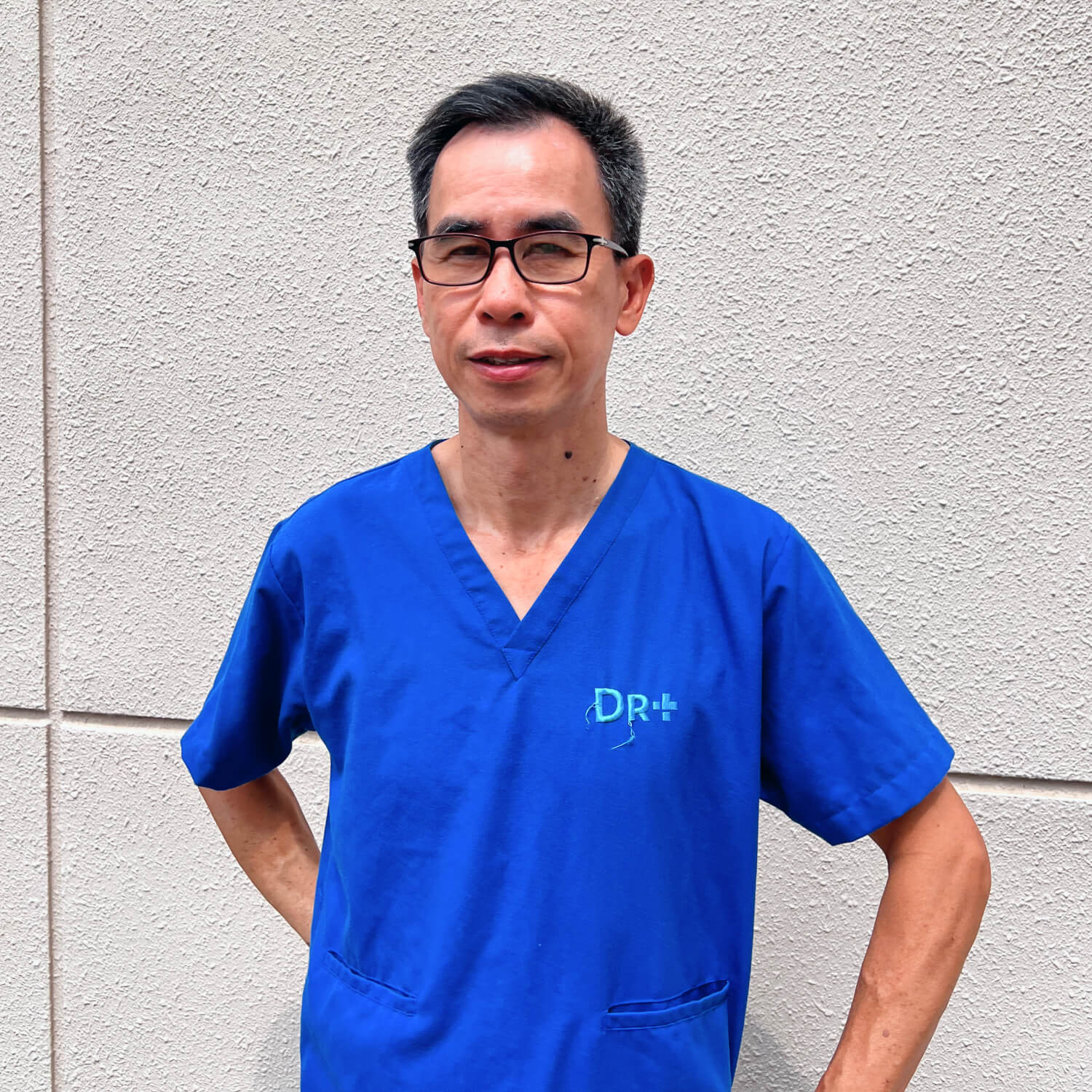
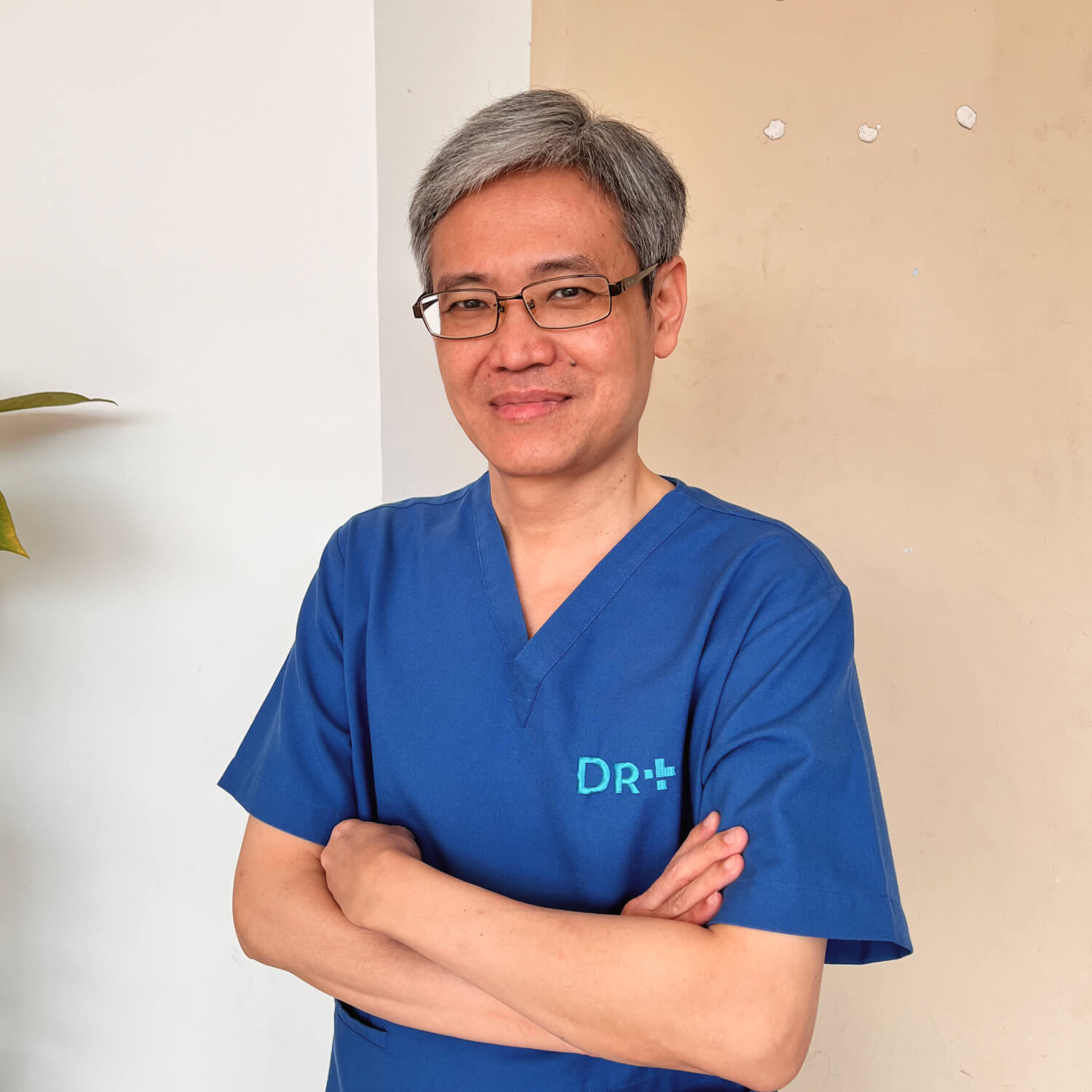
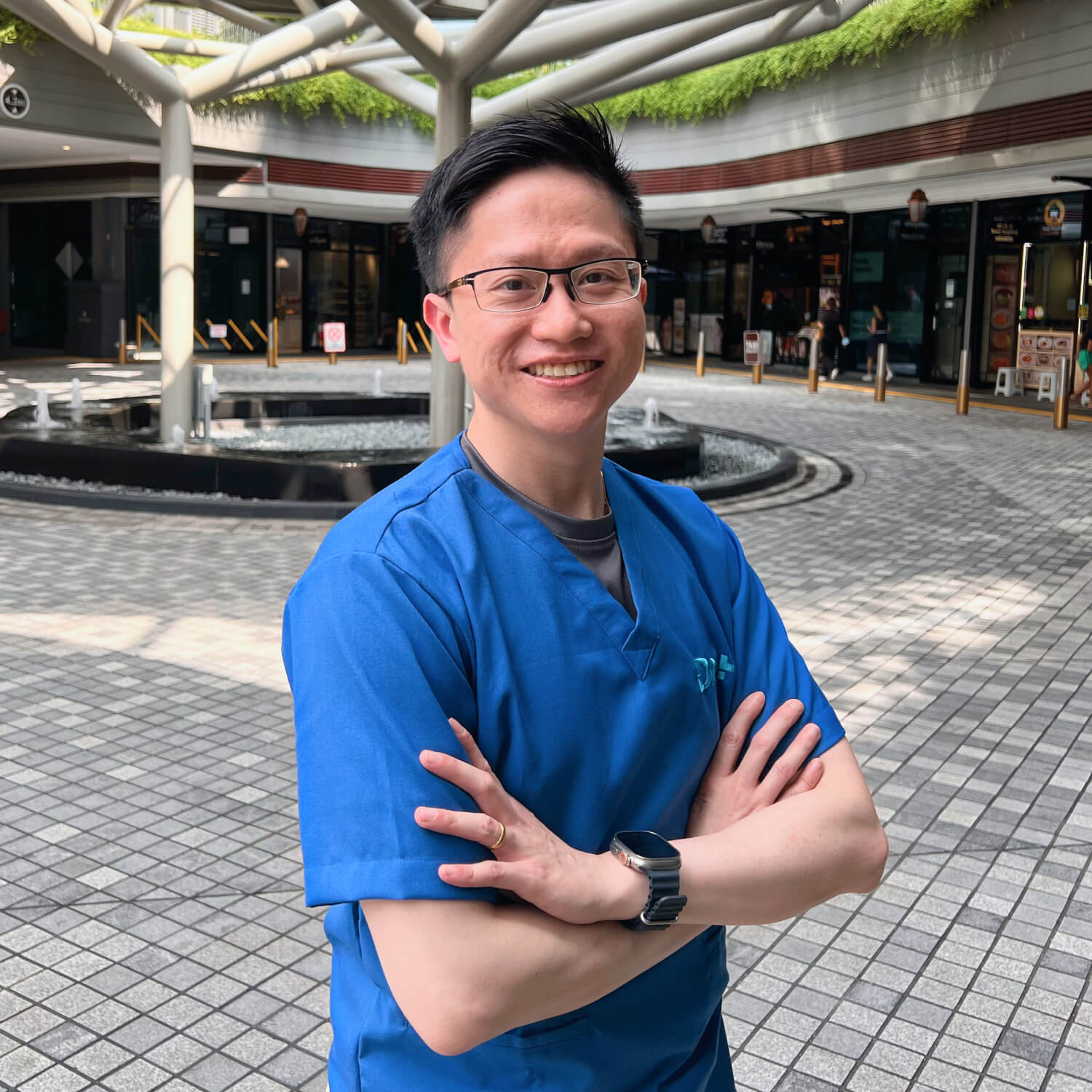
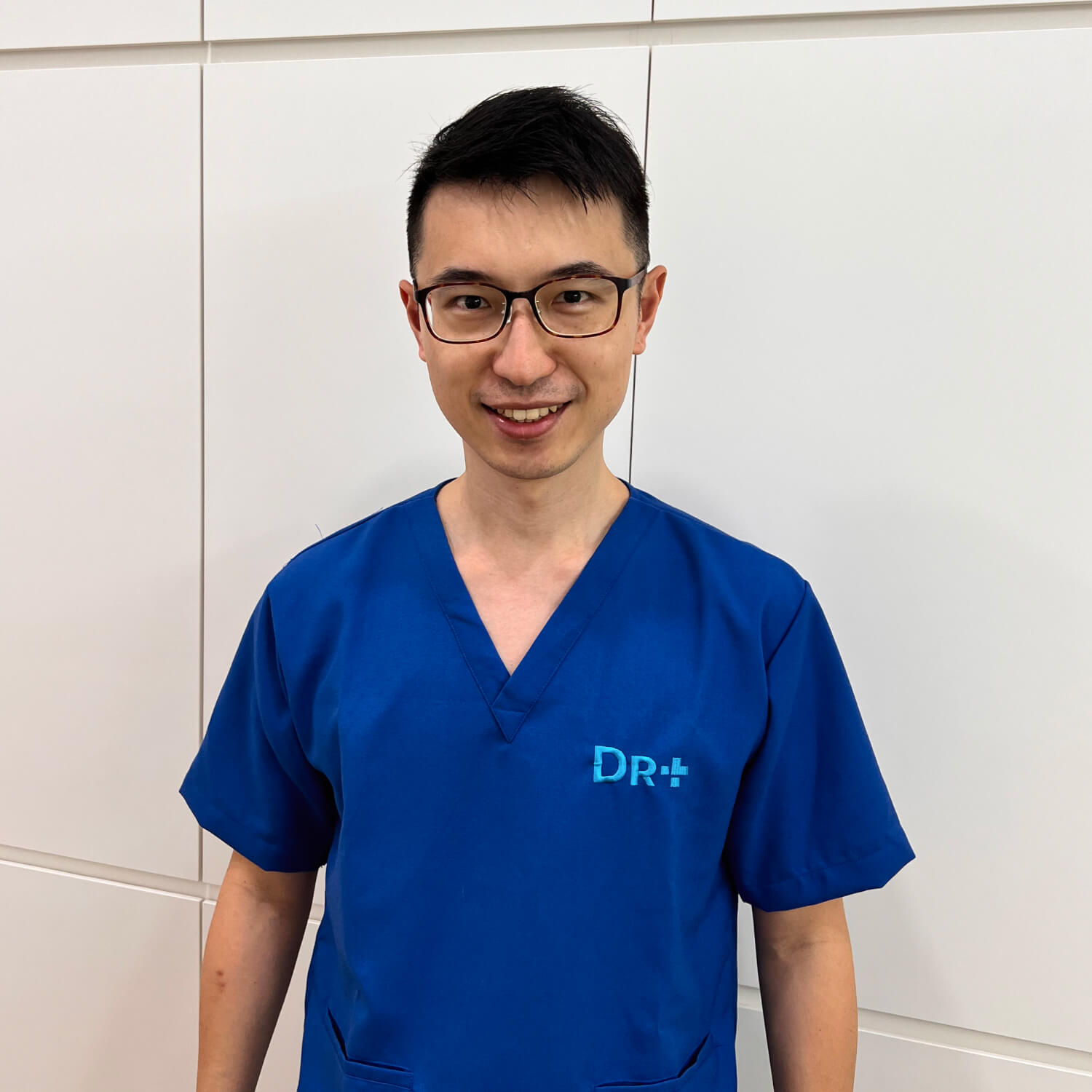
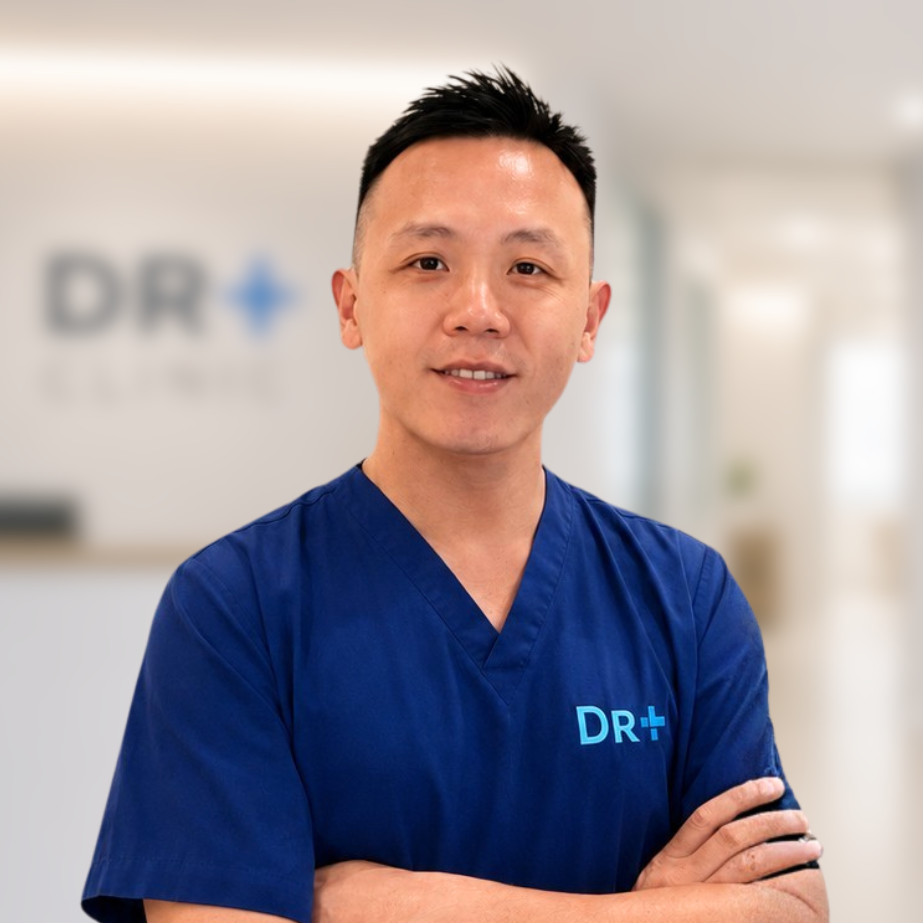
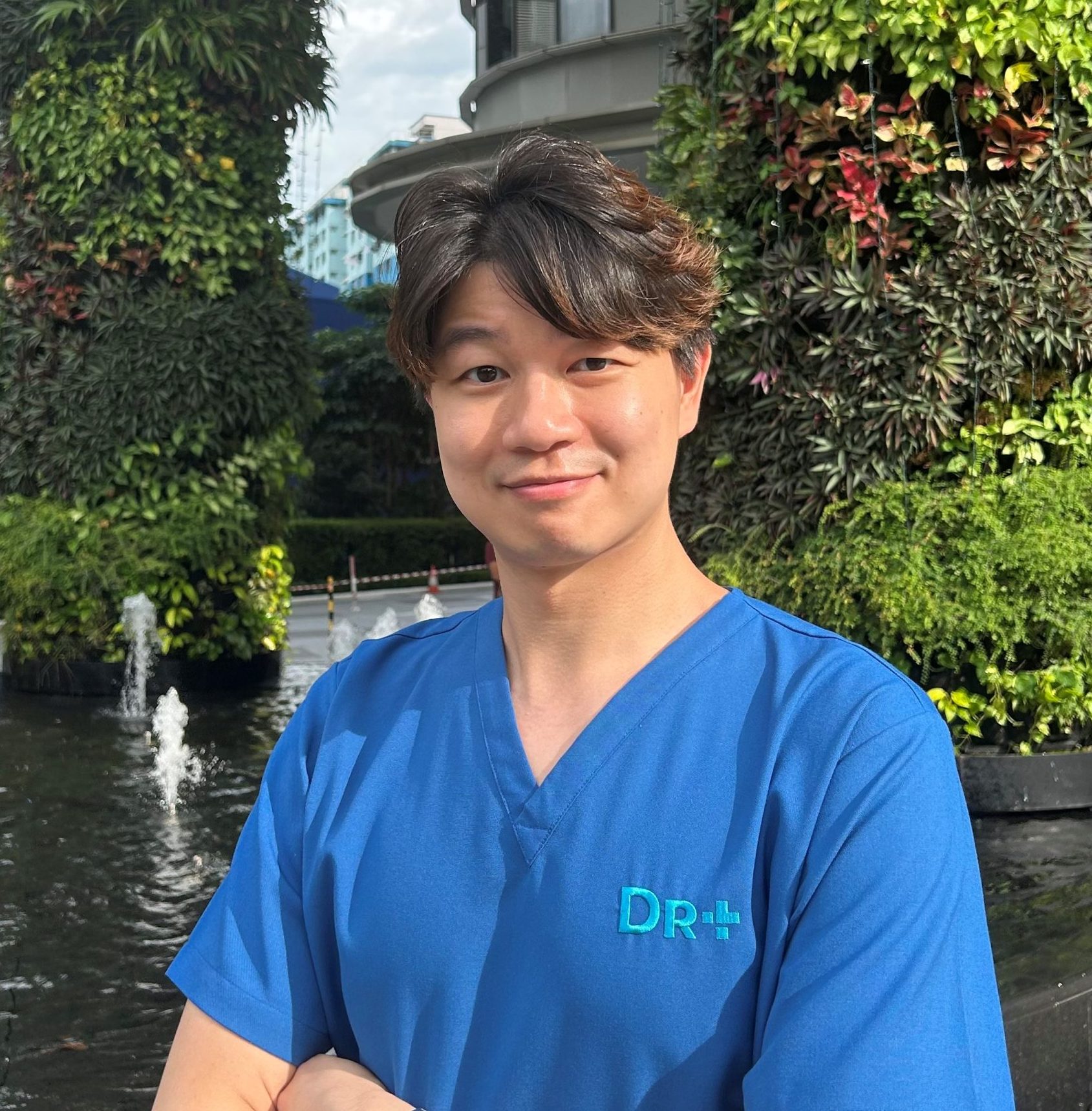
Our doctors are experienced in assessing neck and cervical spine conditions, helping patients identify the underlying cause of neck discomfort and related symptoms such as stiffness, headaches, or pain radiating to the shoulders or arms. They guide patients toward appropriate treatment or referral when necessary. All DR+ doctors undergo additional training through the Singapore Paincare Academy, where they develop skills in performing specialised injection therapies and related procedures aimed at relieving pain and improving neck mobility. This structured training allows our doctors to provide targeted, evidence-based care for patients experiencing neck pain while ensuring appropriate referral when more complex specialist management is required.




Struggling With Persistent Pain?
Consult one of our doctors today for a detailed consultation & personalised treatment plan.
How Can You Prevent Neck Pain?
Preventing neck pain or reducing its recurrence involves building sustainable habits that protect the cervical spine:
- Workstation ergonomics — position your monitor at eye level, use a chair with lumbar support, and keep your keyboard at elbow height to avoid sustained forward head posture
- Take regular movement breaks — every 30-45 minutes, stand, stretch, and gently rotate your neck to relieve sustained muscle tension
- Cervical strengthening exercises — a physiotherapist can guide you through exercises targeting the deep neck flexors and upper back muscles, which provide vital support to the cervical spine
- Sleeping posture — use a supportive pillow that keeps the neck in neutral alignment; avoid sleeping on your stomach
- Screen time awareness — hold mobile devices at eye level; avoid prolonged ‘chin-down’ postures when using smartphones (tech neck)
- Healthy weight management — reduces mechanical load on the cervical spine
- Stay hydrated — adequate hydration maintains disc elasticity and joint fluid
- Quit smoking — smoking accelerates intervertebral disc degeneration and impairs healing
- Stress management — chronic stress leads to muscle tension in the neck and shoulders; mindfulness, breathing exercises, and yoga can help
Frequently Asked Questions (FAQ) About Neck Pain in Singapore
Should I see a GP or a neck specialist for knee pain?
In many cases, a general practitioner (GP) is the first doctor patients consult for neck pain. A GP can assess common causes such as muscle strain, ligament irritation, cervical joint degeneration, nerve irritation, or posture-related overuse. At DR+ Medical & Paincare, our doctors are trained in pain management and musculoskeletal care, allowing them to evaluate neck pain and provide targeted treatments, including specialised injection therapies where appropriate.
Can a GP treat neck pain?
Yes, a GP can assess and treat many common causes of neck pain. This includes conditions such as muscle strain, ligament irritation, cervical joint degeneration, nerve irritation, or posture-related overuse. A GP will usually begin with a clinical assessment to identify the possible cause of the discomfort and recommend appropriate treatment, which may include medication, activity modification, physiotherapy, or targeted pain relief procedures.
At DR+ Medical & Paincare, our doctors have additional training in pain management and musculoskeletal conditions. Through training under the Singapore Paincare Academy, they are equipped to perform selected specialised injections and other procedures that can help relieve neck pain and improve function.
What causes sudden sharp neck pain on one side?
Sudden sharp pain on one side of the neck is commonly caused by acute muscle spasm, a trapped nerve (cervical radiculopathy), or a facet joint injury — sometimes triggered by an awkward sleeping position or abrupt movement. If the pain is severe, doesn’t improve within 24-48 hours, or spreads down the arm with numbness, see a specialist promptly.
How can I tell if my neck pain is serious?
Warning signs that indicate serious neck pain include: pain following trauma or a fall, numbness or weakness spreading into both arms or legs, loss of bladder or bowel control, fever with neck stiffness (possible meningitis), or pain that is progressively worsening despite rest. These require urgent medical attention.
Is neck pain treatment in Singapore covered by insurance or Medisave?
Coverage depends on your specific insurance plan and the nature of your condition. Certain pain management procedures may be claimable under Medisave or private health insurance in Singapore. We recommend contacting your insurer or speaking to our clinic team, who can advise on available payment options.
How long does neck pain treatment take to work?
Recovery timelines vary by condition and treatment type. Acute muscle-related neck pain may resolve within days to weeks with medication and physiotherapy. Cervical disc conditions or spondylosis may require several weeks of treatment. Injection-based therapies such as myospan often provide relief within days to two weeks.
Can neck pain cause headaches?
Yes. Cervicogenic headaches originate from problems in the cervical spine — particularly the upper three vertebrae (C1–C3) — and are referred to the head. They typically feel like a dull ache starting at the base of the skull, often on one side, and may radiate to the forehead, eye, or temple. Treating the underlying neck condition usually resolves these headaches.
What is the difference between a slipped disc and cervical spondylosis?
A slipped (herniated) disc occurs when the soft inner material of an intervertebral disc protrudes outward and presses on a nearby nerve, often causing acute, radiating arm pain. Cervical spondylosis is a broader degenerative condition involving age-related changes to discs, joints, and bones of the cervical spine. Both can coexist; an MRI scan helps distinguish between them.
Do I need surgery for my neck pain?
Most cases of neck pain do not require surgery. At DR+, we take a conservative and minimally invasive approach first — using targeted injections, physiotherapy, and medication. Surgery is typically only considered when there is significant nerve or spinal cord compression that has not responded to non-surgical treatment, or when there is progressive neurological deficit.
Our Clinics
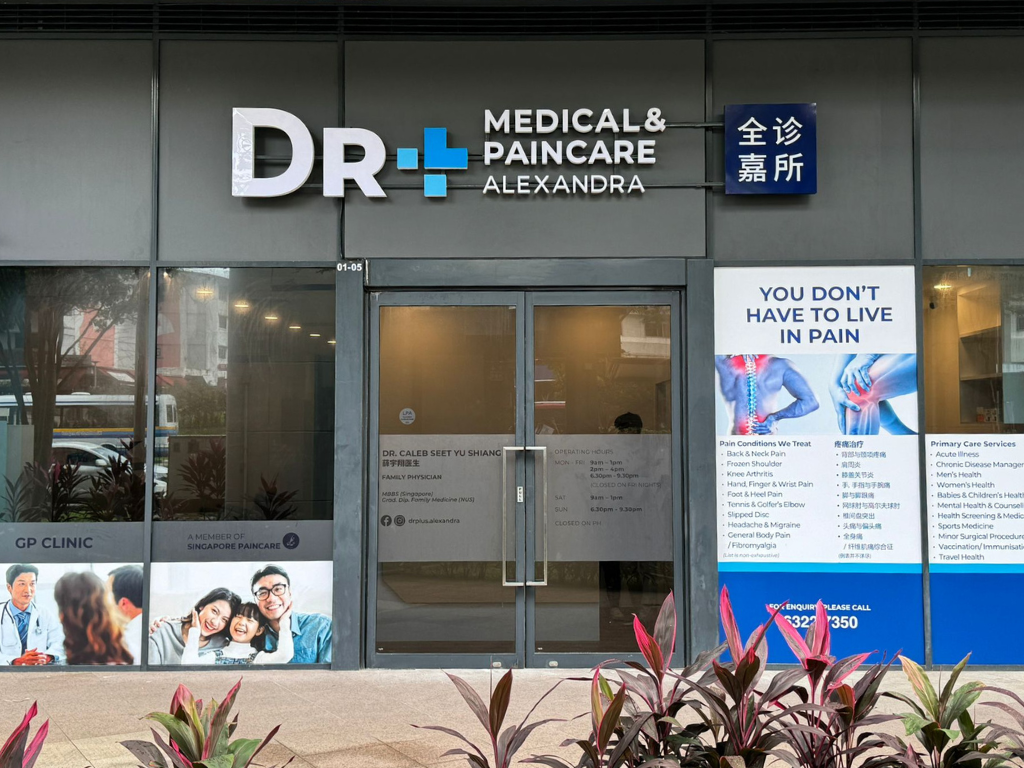
- Mon & Tue: 9am to 1pm, 2pm to 4pm, 6:30pm to 9:30pm
- Wed, Thu & Fri: 9am to 1pm, 2pm to 5pm
- Sat: 9am to 1pm
- Closed on Sun & PH
-
(Kindly note that clinic’s last registration is 15 minutes before closing time.)
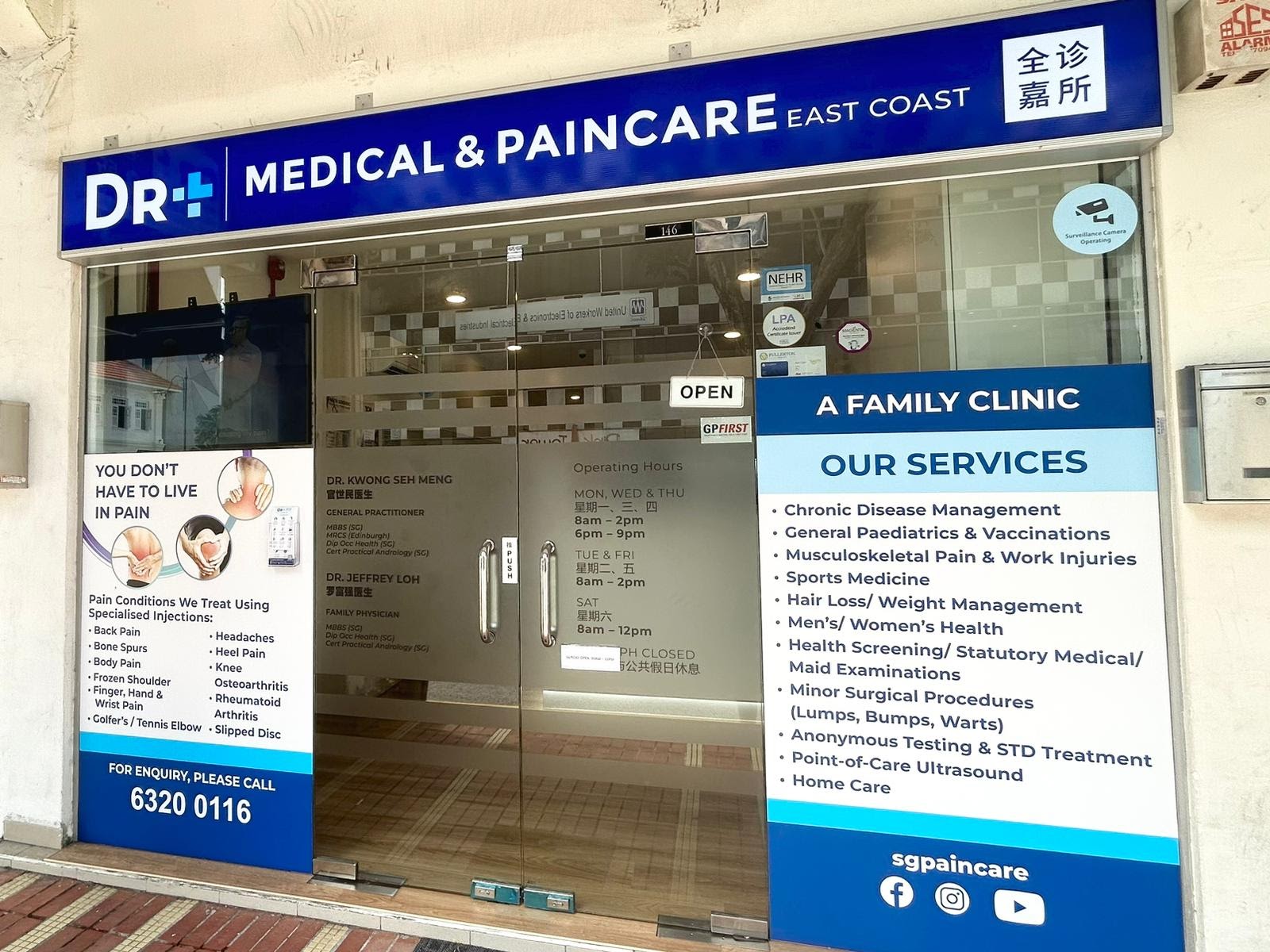
- Mon: 8:00am – 2:00pm, 6:00pm – 9:00pm
- Tue & Wed: 8:00am – 3:00pm
- Thu: 8:00am – 3:00pm, 6:00pm – 9:00pm
- Fri: 8:00am – 2:00pm
- Sat: 8:00am – 12:00pm
- Sun: 10:00am – 1:00pm
- PH: Closed

#01-54 The Midtown, Singapore 533971
- Mon & Tue: 8:00am – 12:30pm, 1:30pm – 5:00pm, 6:00pm – 9:00pm
- Wed: 8:00am – 12:30pm, 6:00pm – 9:00pm
- Thu: 8:00am – 12:30pm, 1:30pm – 5:00pm
- Fri: 8:00am – 12:30pm, 6:00pm – 9:00pm
- Sat: 8:00am – 12:00pm
- Sun & PH: Closed
(Kindly note that clinic’s last registration is 15 minutes before closing time.)
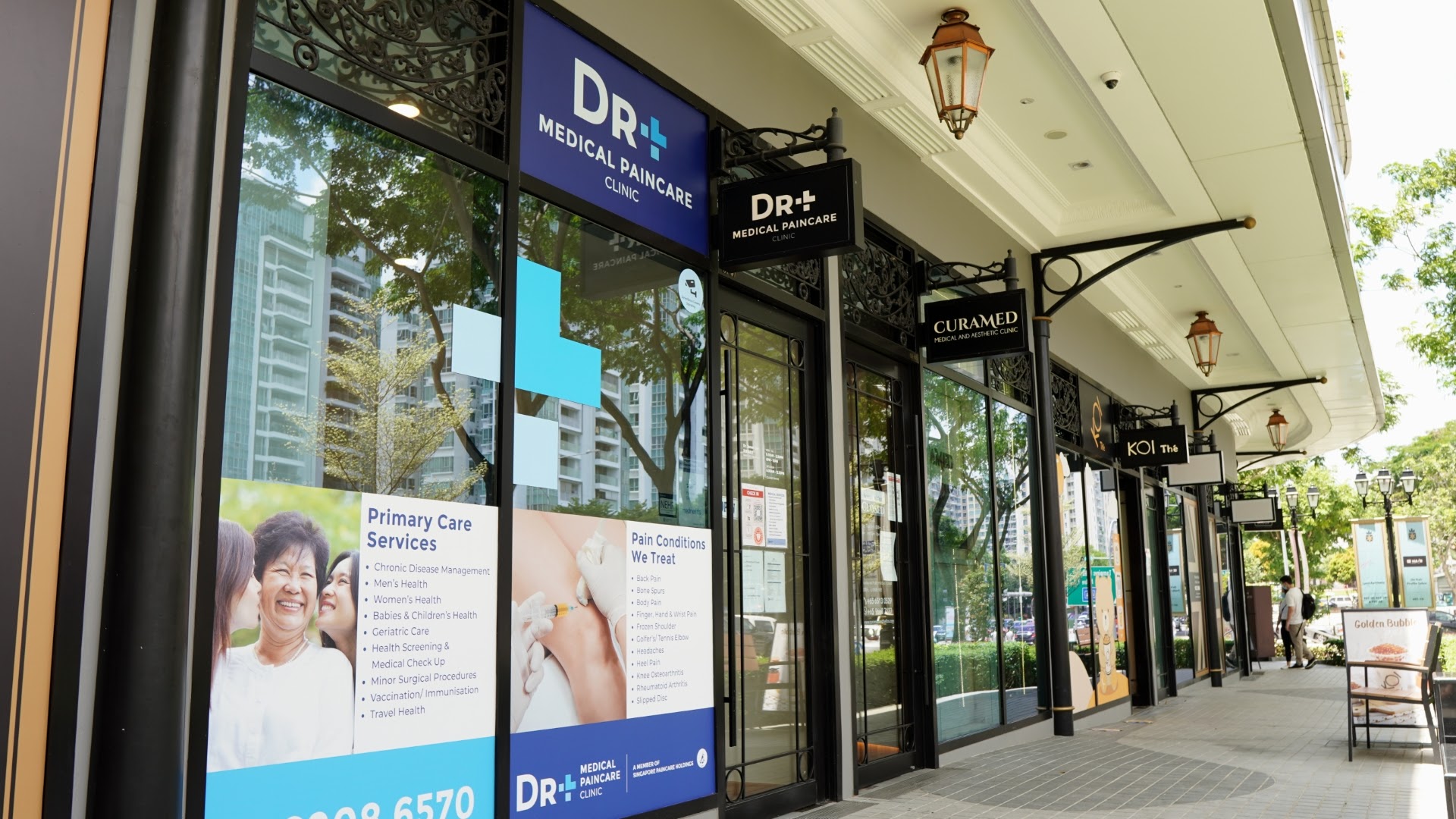
988 Upper Serangoon Rd, Singapore 534733
- Mon to Fri: 8:30am – 2:30pm, 6:00pm – 10:00pm
- Sat & Sun: 8:30am – 12:30pm
- PH: Closed
-
(Kindly note that clinic’s last registration is 15 minutes before closing time.)
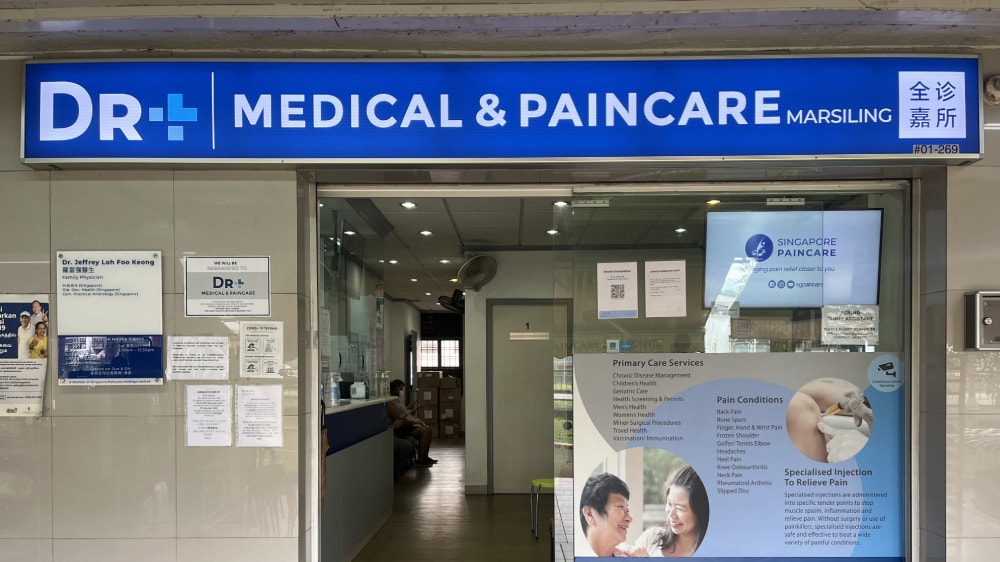
Singapore 730018
- Mon: 8:00am – 9:00pm
- Tue – Fri: 8:00am – 4:30pm, 7:00pm – 9:00pm
- Sat: 8:00am – 12:30pm
- Sun & PH: Closed
-
Kindly note that clinic’s last registration is 15 minutes before closing time.
-
(Last registration timing – Mon: 8:45pm, Tue – Fri: 4:15pm & 8:45pm, Sat: 12:15pm)

Thomson Imperial Court, Singapore 574424
- Mon to Wed: 8:30am – 10:00pm
- Thu: 8:30am – 3:00pm, 6:00pm-9:30pm
- Fri: 8:30am – 6:00pm
- Sat & Sun: 9:00am – 3:00pm
- PH: Closed
-
(Kindly note that clinic’s last registration is 15 minutes before closing time.)

- Mon, Wed & Fri: 8:30am – 12:30pm, 1:30pm – 4:30pm, 6:00pm – 9:00pm
- Tue & Thu: 8:30am – 12:30pm, 1:30pm – 4:30pm
- Sat: 8:30am – 12:30pm
- Closed on Sun & PH
-
(Kindly note that clinic’s last registration is 15 minutes before closing time.)
Need Advice On Your Condition?
Please fill out the form and we will be in touch with you shortly.