
Myofascial Pain Syndrome

Overview
Myofascial pain syndrome (MPS) is a chronic muscle pain condition characterised by hyperirritable trigger points: taut, tender nodules within muscle that produce local and referred pain when pressed. It affects people of all ages and is frequently associated with poor posture, repetitive strain, and stress. At DR+, our GPs with specialised training in pain management provide a comprehensive assessment to identify myofascial trigger points and underlying causes of pain, allowing them to develop a personalised, non-surgical treatment plan tailored to each patient’s condition.
What Is Myofascial Pain Syndrome?
Myofascial Pain Syndrome (MPS) is a chronic condition affecting the musculoskeletal system, characterised by pain and inflammation in the body’s myofascial tissues. Pain comes from the shortening and contraction of injured muscle fibres.
MPS differs from other muscle pain in its manifestation in specific areas known as trigger points or “knots”.
Trigger points are sensitive areas in the muscle or fascia (the strong and thin layer of connective tissue) that, when stimulated, cause pain often described as aching, burning, or throbbing. This pain can be localised to the trigger point or may radiate to other areas of the body, a phenomenon termed referred pain. In MPS, the pain is typically persistent and worsens with muscle use.
What Are the Symptoms of Myofascial Pain Syndrome?
MPS manifests a range of signs and symptoms, primarily centred around muscle pain and discomfort.
Localised Muscle Pain
The pain associated with MPS is typically confined to specific areas where the trigger points are located. This pain is often described as deep, aching, and persistent.
Referred Pain
A distinctive feature of MPS is that stimulation of a trigger point can lead to pain in other parts of the body. This is generally predictable and follows specific patterns.
Muscle Stiffness and Tenderness
Individuals with MPS frequently experience stiffness and tenderness in the affected muscles, which can be exacerbated by activity or stress.
Reduced Range of Motion
The stiffness and pain can lead to a reduced range of motion in the affected muscles and joints.
Muscle Weakness
Over time, the affected muscles may exhibit signs of weakness, not necessarily due to muscle atrophy but due to pain-induced inhibition of muscle use.
Autonomic Phenomena
In some cases, stimulation of trigger points can lead to autonomic phenomena such as sweating, tearing, or a sensation of flushing.
Twitch Response
When a trigger point is palpated, it can elicit a local twitch response, which is a brief contraction of the muscle fibres in that area.
When to Seek Urgent Medical Attention
Seek assessment if widespread pain is accompanied by significant fatigue, sleep disturbance, cognitive difficulties, and emotional symptoms: this may indicate fibromyalgia, which shares features with MPS but represents a distinct condition with a systemic central sensitisation pattern. Also seek assessment if muscle pain is associated with fever, significant weakness, or unexplained weight loss.
What Causes Myofascial Pain Syndrome?
Myofascial Pain Syndrome has several possible causes. Understanding the underlying reason is the first step toward effective, targeted treatment.
- Muscle Injury: An acute muscle injury or continuous muscle strain can lead to the development of trigger points. These can be due to repetitive motions, heavy lifting, or sudden exertion.
- Poor Posture: Sustained poor posture, whether sitting or standing, can place prolonged stress on muscles and fascia, potentially leading to MPS.
- Stress and Emotional Factors: Emotional stress and tension can contribute to chronic muscle tension and the formation of trigger points.
- Skeletal Abnormalities: Structural abnormalities such as leg length discrepancy or scoliosis can create uneven muscle strain, predisposing individuals to MPS.
- Lack of Activity: A sedentary lifestyle can lead to muscle weakness and poor conditioning, increasing the risk of trigger point development. Immobilisation, such as having an arm or leg placed in a cast, could also lead to MPS.
- Repetitive Stress: Occupations or activities involving repetitive motions can lead to muscle overuse and the development of MPS.
- Nutritional Deficiencies: Some evidence suggests that deficiencies in vitamins and minerals, such as vitamin D or iron, may be linked to muscle pain and weakness.
- Medical Conditions: Certain medical conditions, such as stomach irritation or heart attack, may lead to the development of secondary trigger points in the muscles.
- Age and Gender: MPS can occur at any age but is more common in middle-aged individuals. It also appears to be more prevalent in females, although the reason for this is not fully understood.
- Prior Injury: A history of muscle injuries can predispose an individual to MPS, as previously injured muscles may be more susceptible to the development of trigger points.
Struggling With Persistent Pain?
Consult one of our DR+ today for a detailed consultation & personalised treatment plan.
What Are the Treatment Options for Myofascial Pain Syndrome?
Pain Medication
This involves the use of medications such as Non-Steroidal Anti-Inflammatory Drugs (NSAIDs), opioids, and other specialised medications designed for pain management. The type and dosage are tailored to the individual’s condition and medical history.
Myospan
Minimally invasive treatments aim to effectively relieve common pain conditions by targeting pain sources.
- Coreflex Injections: Typically contain a corticosteroid and are used for inflamed joints or tissues.
- Platelet-Rich Plasma (PRP) injections: Utilise own platelets to promote healing in damaged tissues.
- Intra-Articular Injections: Most commonly used to treat osteoarthritis in the hip or knee, but they can also be given in other joints, including shoulders, wrists, ankles, hands, and fingers.
For chronic pain conditions originating from spinal issues, Neurospan can be performed by our team of pain specialists from Singapore Paincare Center.
When Should You See a Doctor for Myofascial Pain Syndrome?
Not all cases need immediate medical attention, but some situations do. See a DR+ doctor if your condition:
- Muscle pain persisting for more than 4-6 weeks despite rest and self-care
- Pain following a reproducible pattern when specific muscle areas are pressed
- Stiffness and restricted movement in the neck, shoulder, back, or hip not explained by injury
- Referred pain patterns: headaches starting in the neck and shoulders, or arm or leg pain with muscle tightness
- Muscle pain significantly affecting work productivity, exercise, or sleep
- Pain failing to improve with stretching, physiotherapy, or rest alone
Our Doctors
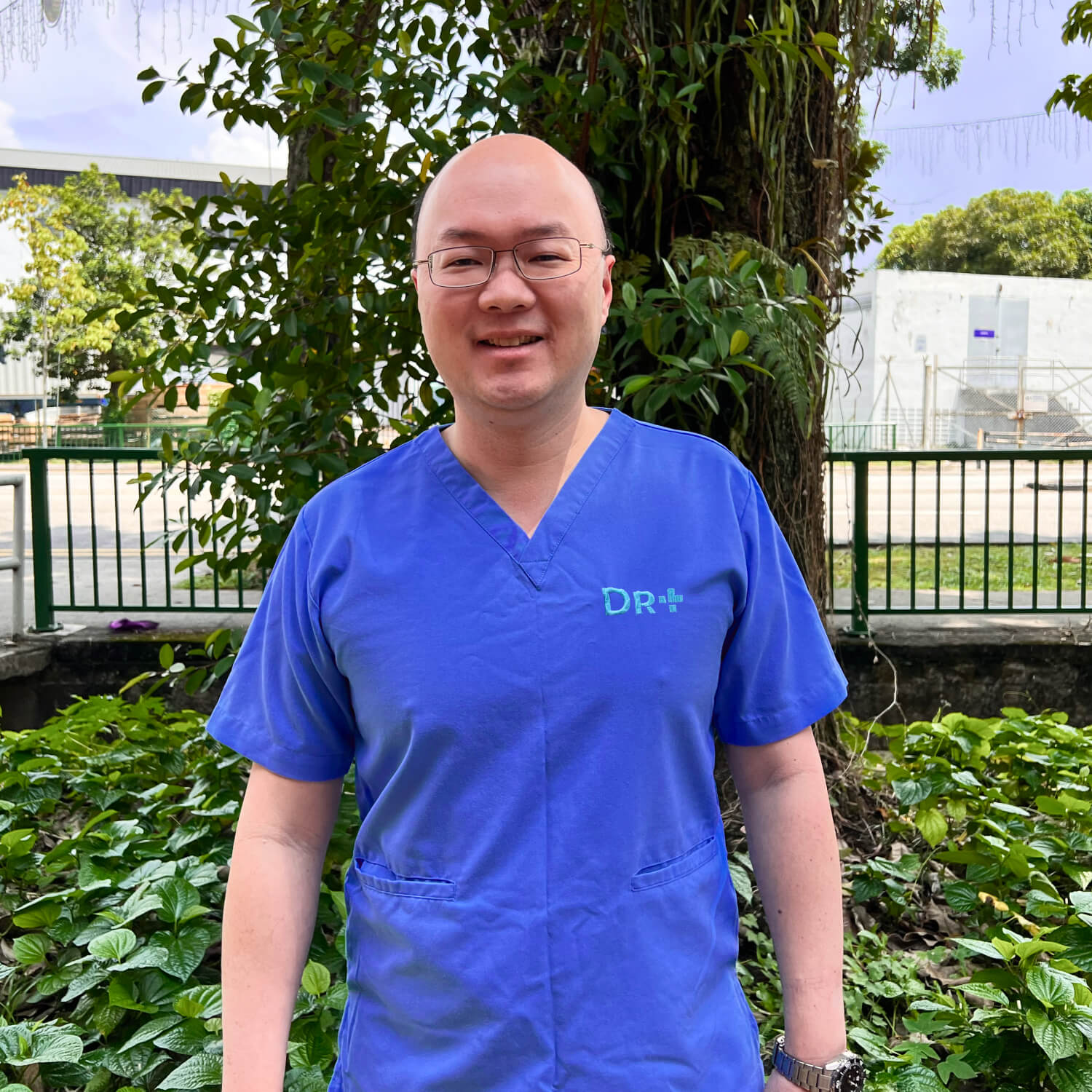
Our doctors are experienced in assessing myofascial pain syndrome and other musculoskeletal causes of pain. Through a comprehensive clinical evaluation, they identify myofascial trigger points, muscle tightness, and contributing factors that may be causing localised or referred pain, and guide appropriate treatment or referral when needed.
All DR+ doctors undergo additional training through the Singapore Paincare Academy, where they develop skills in performing targeted injections that may be used in selected cases of myofascial pain syndrome. These treatments aim to release trigger points, reduce muscle tension, relieve pain, and support improved function and mobility.










Frequently Asked Questions (FAQ)
Can a GP Doctors treats myofascial Pain Syndrome?
Yes. A GP doctor can assess and manage many cases of myofascial pain syndrome, especially in the earlier stages. During the consultation, the doctor will evaluate symptoms such as localised muscle pain, tenderness, tight bands, and referred pain patterns, and determine whether the condition is likely to be myofascial pain syndrome or another musculoskeletal issue.
Treatment may include pain management medications, advice on stretching and physiotherapy, or targeted injection therapies where appropriate. If more complex care is required, the GP doctor may refer to a pain specialist or other relevant specialist if further evaluation is required
What is Myofascial Pain Syndrome?
MPS is a chronic condition characterised by pain and tenderness in the muscle and fascia. The primary feature is the presence of trigger points—sensitive spots in the muscles causing pain when pressed.
How is Myofascial Pain Syndrome diagnosed?
Diagnosis of MPS is primarily clinical, based on the patient’s history and physical examination. The identification of trigger points, coupled with the pattern of pain and symptoms, aids in diagnosis. Imaging or lab tests may be used to rule out other conditions.
Does stress affect the problem?
Yes, stress can exacerbate MPS. Stress leads to increased muscle tension, which can aggravate trigger points and muscle pain.
What are the treatment options for Myofascial Pain Syndrome?
Treatment for MPS includes physical therapy, medication, trigger point injections, stretching and exercise, stress management, and heat therapy. A multidisciplinary approach is often most effective.
Can lifestyle changes alleviate symptoms of Myofascial Pain Syndrome?
Yes, lifestyle changes such as regular exercise, stress management, proper posture, and a balanced diet can help alleviate symptoms of MPS.
Is Myofascial Pain Syndrome a chronic condition?
MPS can be a chronic condition, but its course varies. Some patients experience episodic symptoms, while others may have persistent pain. Management and lifestyle changes can impact the course of the syndrome.
How does Myofascial Pain Syndrome differ from Fibromyalgia?
While both MPS and Fibromyalgia involve chronic pain, MPS is characterised by localised pain with specific trigger points, whereas Fibromyalgia is associated with widespread pain and additional symptoms like fatigue and cognitive disturbances. The nature and location of pain are key differentiators between the two conditions.
Our Clinics
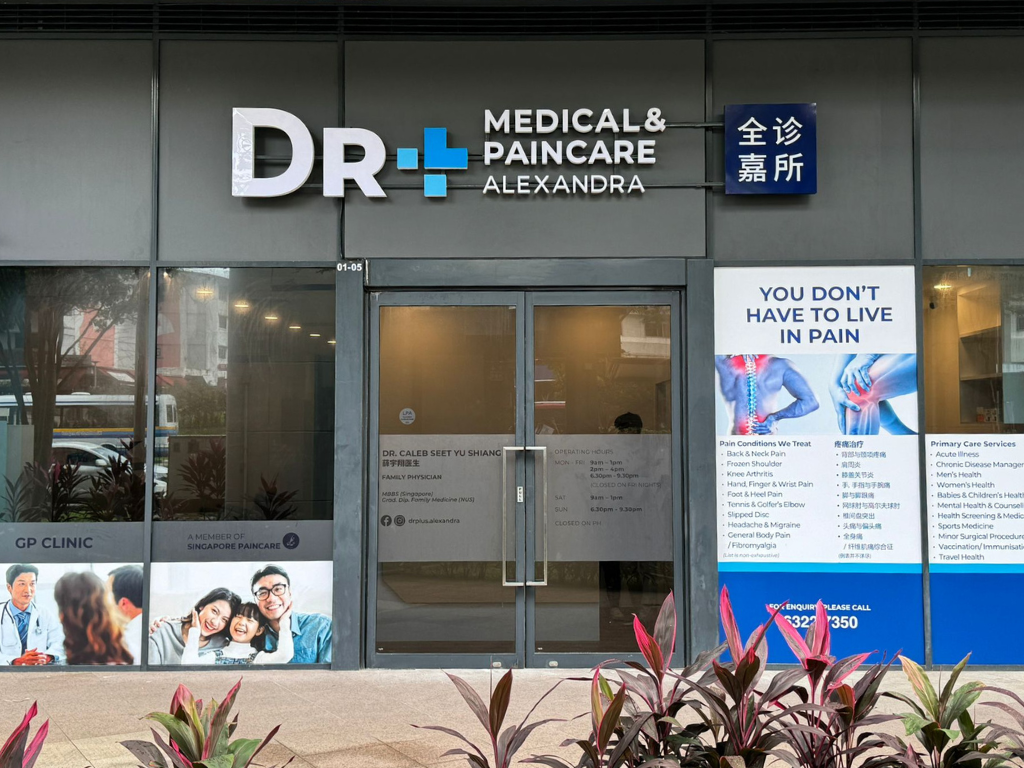
- Mon & Tue: 9am to 1pm, 2pm to 4pm, 6:30pm to 9:30pm
- Wed, Thu & Fri: 9am to 1pm, 2pm to 5pm
- Sat: 9am to 1pm
- Closed on Sun & PH
-
(Kindly note that clinic’s last registration is 15 minutes before closing time.)
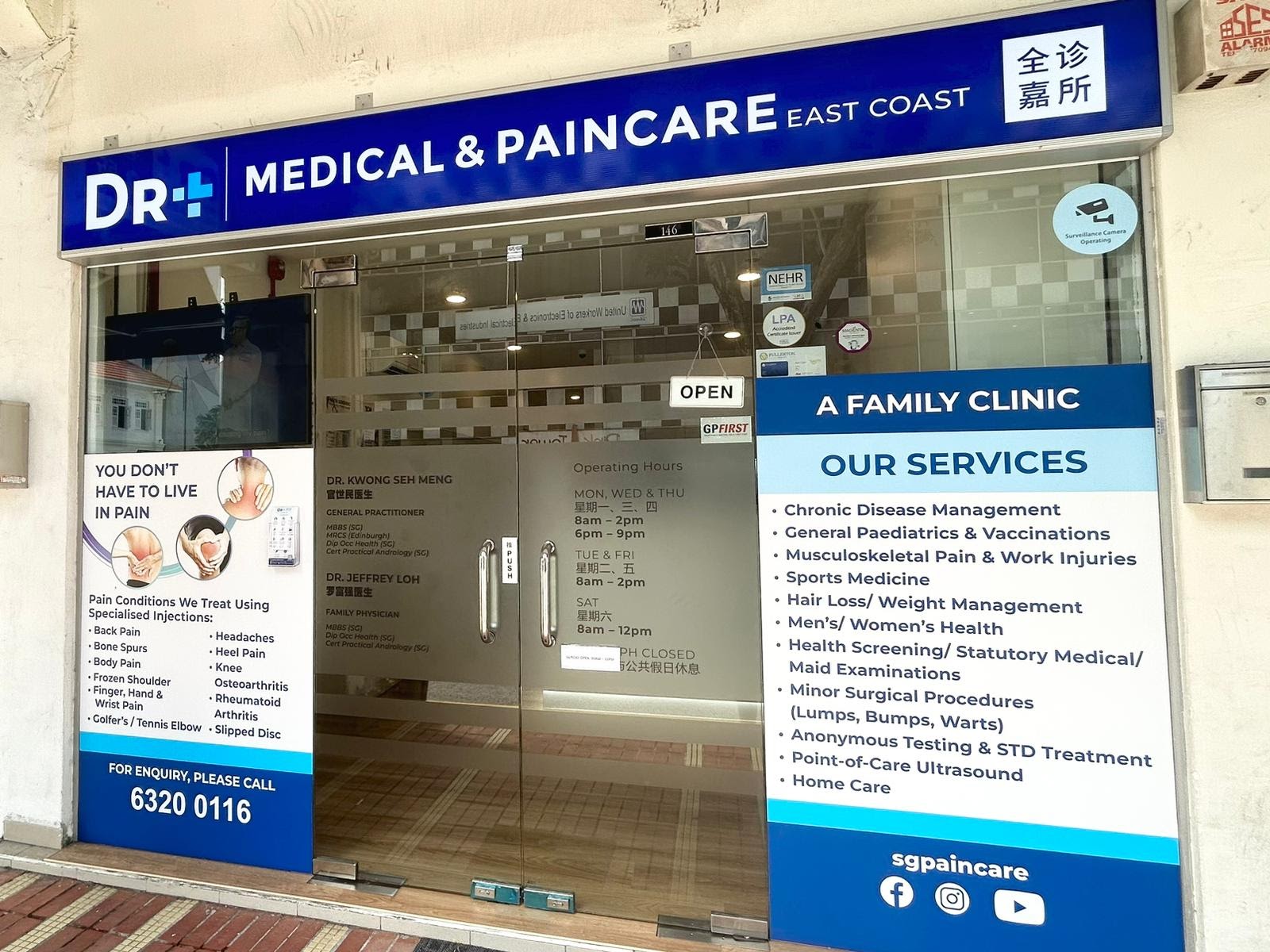
- Mon: 8:00am – 2:00pm, 6:00pm – 9:00pm
- Tue & Wed: 8:00am – 3:00pm
- Thu: 8:00am – 3:00pm, 6:00pm – 9:00pm
- Fri: 8:00am – 2:00pm
- Sat: 8:00am – 12:00pm
- Sun: 10:00am – 1:00pm
- PH: Closed

#01-54 The Midtown, Singapore 533971
- Mon & Tue: 8:00am – 12:30pm, 1:30pm – 5:00pm, 6:00pm – 9:00pm
- Wed: 8:00am – 12:30pm, 6:00pm – 9:00pm
- Thu: 8:00am – 12:30pm, 1:30pm – 5:00pm
- Fri: 8:00am – 12:30pm, 6:00pm – 9:00pm
- Sat: 8:00am – 12:00pm
- Sun & PH: Closed
(Kindly note that clinic’s last registration is 15 minutes before closing time.)

988 Upper Serangoon Rd, Singapore 534733
- Mon to Fri: 8:30am – 2:30pm, 6:00pm – 10:00pm
- Sat & Sun: 8:30am – 12:30pm
- PH: Closed
-
(Kindly note that clinic’s last registration is 15 minutes before closing time.)

Singapore 730018
- Mon: 8:00am – 9:00pm
- Tue – Fri: 8:00am – 4:30pm, 7:00pm – 9:00pm
- Sat: 8:00am – 12:30pm
- Sun & PH: Closed
-
Kindly note that clinic’s last registration is 15 minutes before closing time.
-
(Last registration timing – Mon: 8:45pm, Tue – Fri: 4:15pm & 8:45pm, Sat: 12:15pm)

Thomson Imperial Court, Singapore 574424
- Mon to Wed: 8:30am – 10:00pm
- Thu: 8:30am – 3:00pm, 6:00pm-9:30pm
- Fri: 8:30am – 6:00pm
- Sat & Sun: 9:00am – 3:00pm
- PH: Closed
-
(Kindly note that clinic’s last registration is 15 minutes before closing time.)

- Mon, Wed & Fri: 8:30am – 12:30pm, 1:30pm – 4:30pm, 6:00pm – 9:00pm
- Tue & Thu: 8:30am – 12:30pm, 1:30pm – 4:30pm
- Sat: 8:30am – 12:30pm
- Closed on Sun & PH
-
(Kindly note that clinic’s last registration is 15 minutes before closing time.)
Need Advice On Your Condition?
Please fill out the form and we will be in touch with you shortly.