
Knee Pain Doctor in Singapore
Get an accurate diagnosis and personalised treatment for knee pain from experienced knee pain doctors in Singapore. Whether your knee pain is caused by sports injuries, overuse, ageing joints, ligament strain, or underlying knee conditions — DR+ Medical & Paincare can help with targeted treatment and recovery support.

Overview
Knee pain is one of the most common musculoskeletal complaints in Singapore, affecting people of all ages. The causes range from acute injuries such as meniscal tears and ligament sprains to chronic conditions such as osteoarthritis and patellofemoral pain. At DR+ , our GPs with specialised training in pain management provide a comprehensive knee assessment to determine the underlying cause and develop a personalised, non-surgical treatment plan.
What Is Knee Pain?
Knee pain is one of the most common musculoskeletal complaints in Singapore, affecting people of all ages from active individuals to older adults. It can arise from the joint itself, as well as surrounding muscles, tendons, ligaments, cartilage, or bursae. Symptoms may range from a mild ache after physical activity to sharp pain, swelling, or stiffness that affects walking, climbing stairs, or daily movement.
The knee is the largest and one of the most complex joints in the body. It functions as a hinge joint formed by three main bones: the femur (thigh bone), tibia (shin bone), and patella (kneecap). These structures work together with ligaments, tendons, cartilage, and cushioning tissues such as the meniscus to allow smooth bending, straightening, and weight-bearing movement. Because the knee supports much of the body’s weight and absorbs impact during activities like walking, running, and climbing, it is particularly vulnerable to strain, injury, and degeneration over time.
Knee pain can occur suddenly after a fall, sports injury, or twisting movement, or develop gradually due to repetitive stress, joint inflammation, or age-related wear and tear. When knee problems are left untreated, symptoms may worsen and begin to limit mobility and daily activities. Early assessment by a pain-trained GP can help identify the underlying cause and guide appropriate treatment before the condition progresses.
What Causes Knee Pain?
Common Knee Injuries
ACL injury: The anterior cruciate ligament (ACL) is one of four key ligaments that keep your knee stable. An ACL tear typically happens during sudden pivoting or high-impact movements — common in sports like football, basketball, and running.
Fractures: Knee fractures involve breaks in the patella (kneecap), femur, or tibia. They usually result from a fall, direct trauma, or — in older adults with weakened bones — even a minor impact.
Knee Bursitis: Small fluid-filled sacs called bursae cushion the bones and tendons around your knee. When these become inflamed — through overuse, prolonged kneeling, or infection — you’ll feel pain, swelling, and tenderness around the joint.
Torn meniscus: The meniscus is a C-shaped piece of cartilage acting as a shock absorber between your thigh and shin bones. A meniscal tear often happens during a twisting motion and can cause pain, swelling, and a sensation of locking in the knee.
Mechanical problems
Dislocated kneecap: The patella (kneecap) normally sits in a groove at the front of the knee. When it slips out of place — usually from a sudden change of direction — it causes sharp pain and visible displacement.
Loose body: Fragments of bone or cartilage can break off after an injury and float inside the joint space. These fragments may cause intermittent pain, locking, or catching sensations when they get in the way of joint movement.
Hip or foot pain: Pain originating from the hip or foot can change how you walk. Over time, this altered gait places increased stress on your knee — even though the knee itself may not be the primary problem.
Types of arthritis
Osteoarthritis: Often called “wear and tear” arthritis, osteoarthritis is the most common cause of knee pain in Singapore’s ageing population. Cartilage gradually wears away, leaving bones to rub against each other and causing pain, stiffness, and swelling.
Rheumatoid arthritis: An autoimmune condition where the body’s immune system mistakenly attacks the knee joint lining, causing chronic inflammation, swelling, and progressive joint damage.
Gout: Gout triggers sudden, intense joint pain — often affecting the big toe first but capable of striking the knee. It results from a build-up of uric acid crystals in the joint.
Pseudogout: Similar to gout but caused by calcium pyrophosphate crystals forming within the joint. It tends to affect larger joints like the knee and can cause sudden swelling and pain.
Other causes
Infections: Bacteria can enter the knee joint through a wound, surgery, or bloodstream spread, causing significant inflammation, warmth, swelling, and pain. Septic arthritis is a medical emergency requiring prompt treatment.
Tumours: While uncommon, benign or malignant growths can develop in or around the knee, producing persistent pain and swelling that doesn’t follow a typical injury pattern.
What Are The Risk Factors For Knee Pain
Several factors increase your likelihood of developing knee pain. Knowing your risk profile helps you take preventive steps — and helps your doctor better understand your condition.
Age: As we get older, the cartilage in the knee gradually wears down, making conditions like osteoarthritis more likely.
Weight: Carrying excess body weight puts additional pressure on your knees with every step — accelerating cartilage breakdown over time.
Muscle weakness or inflexibility: When the muscles surrounding your knee are weak or tight, the joint lacks adequate support — increasing the risk of injury and chronic discomfort.
Certain sports: High-impact activities involving repetitive knee movements — like running, football, or squatting — place greater stress on the joint.
Previous injuries: A past knee injury makes you more susceptible to re-injury or degenerative changes in the affected joint.
What Are The Symptoms of Knee Pain?
Pain
Ranges from a dull background ache during daily activities to sharp, stabbing pain with sudden movements.
Swelling or stiffness
Fluid accumulation in the knee, often accompanied by difficulty in movement.
Redness and warmth
Indicative of inflammation in the knee.
Popping or crunching noises
Sounds heard during knee movement, suggesting potential damage.
Inability to fully straighten the knee
Restriction in the knee’s range of motion.
When Should You See a Knee Pain Doctor in Singapore?
Knee pain that you can manage with rest and basic pain relief will often resolve on its own. But there are clear signs that it’s time to see a doctor:
- Pain that persists for more than 2–3 weeks without improvement
- Significant swelling, redness, or warmth around the knee
- A popping or cracking sound at the time of injury
- Instability — feeling like your knee might “give way” when you walk or stand
- Inability to fully bend or straighten the knee
- Night pain that disrupts your sleep
- Knee pain that is limiting your daily activities, work, or exercise
Struggling With Persistent Pain?
Consult one of our DR+ today for a detailed consultation & personalised treatment plan.
Treatment Modalities
Pain Medication
This involves the use of medications such as Non-Steroidal Anti-Inflammatory Drugs (NSAIDs), opioids, and other specialised medications designed for pain management. The type and dosage are tailored to the individual’s condition and medical history.
Myospan
Minimally invasive treatments aim to effectively relieve common pain conditions by targeting pain sources.
- Coreflex Injections: Typically contain a corticosteroid and are used for inflamed joints or tissues.
- Platelet-Rich Plasma (PRP) injections: Utilise own platelets to promote healing in damaged tissues.
- Intra-Articular Injections: Most commonly used to treat osteoarthritis in the hip or knee, but they can also be given in other joints, including shoulders, wrists, ankles, hands, and fingers.
For chronic pain conditions originating from spinal issues, Neurospan can be performed by our team of pain specialists from Singapore Paincare Center.
Our Doctor
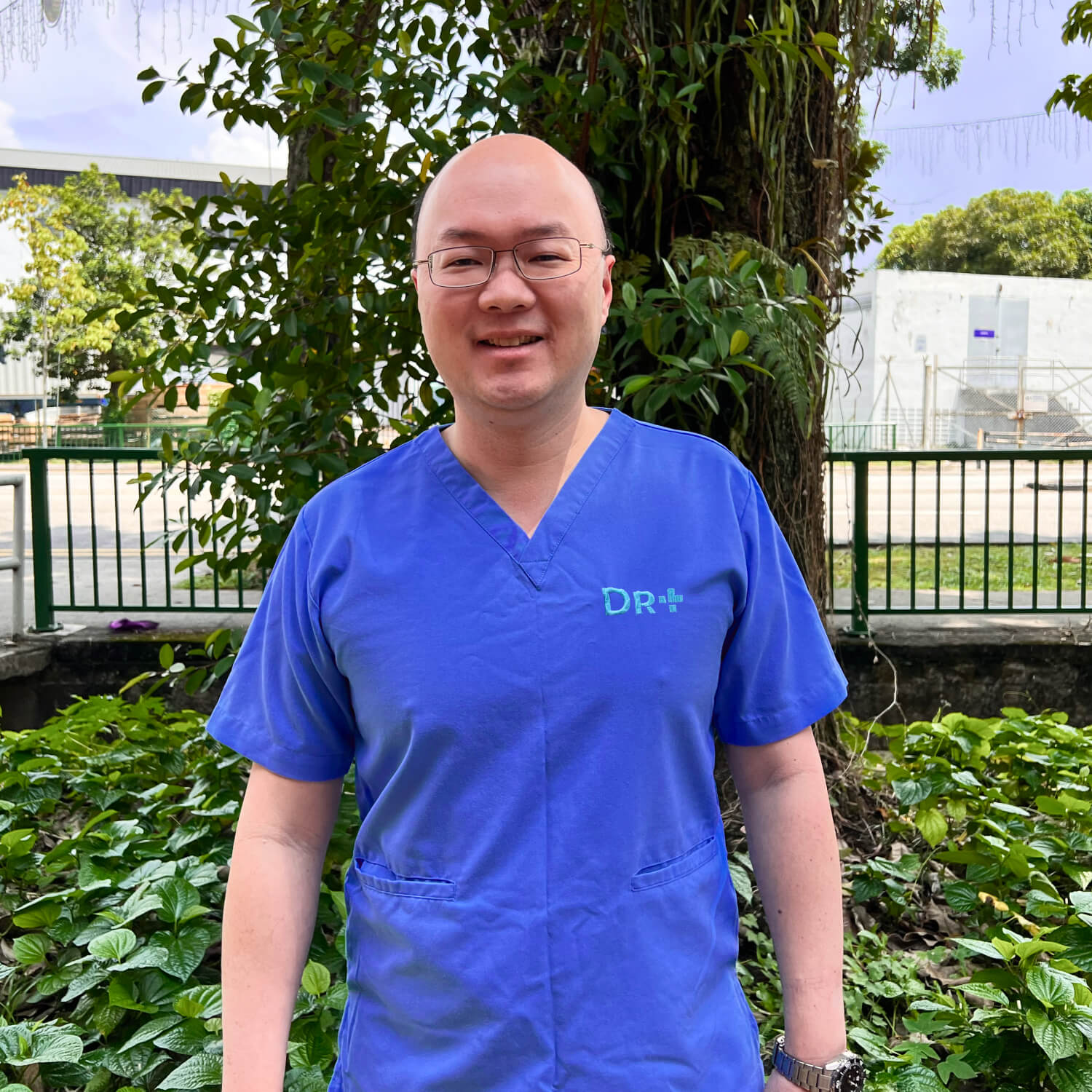
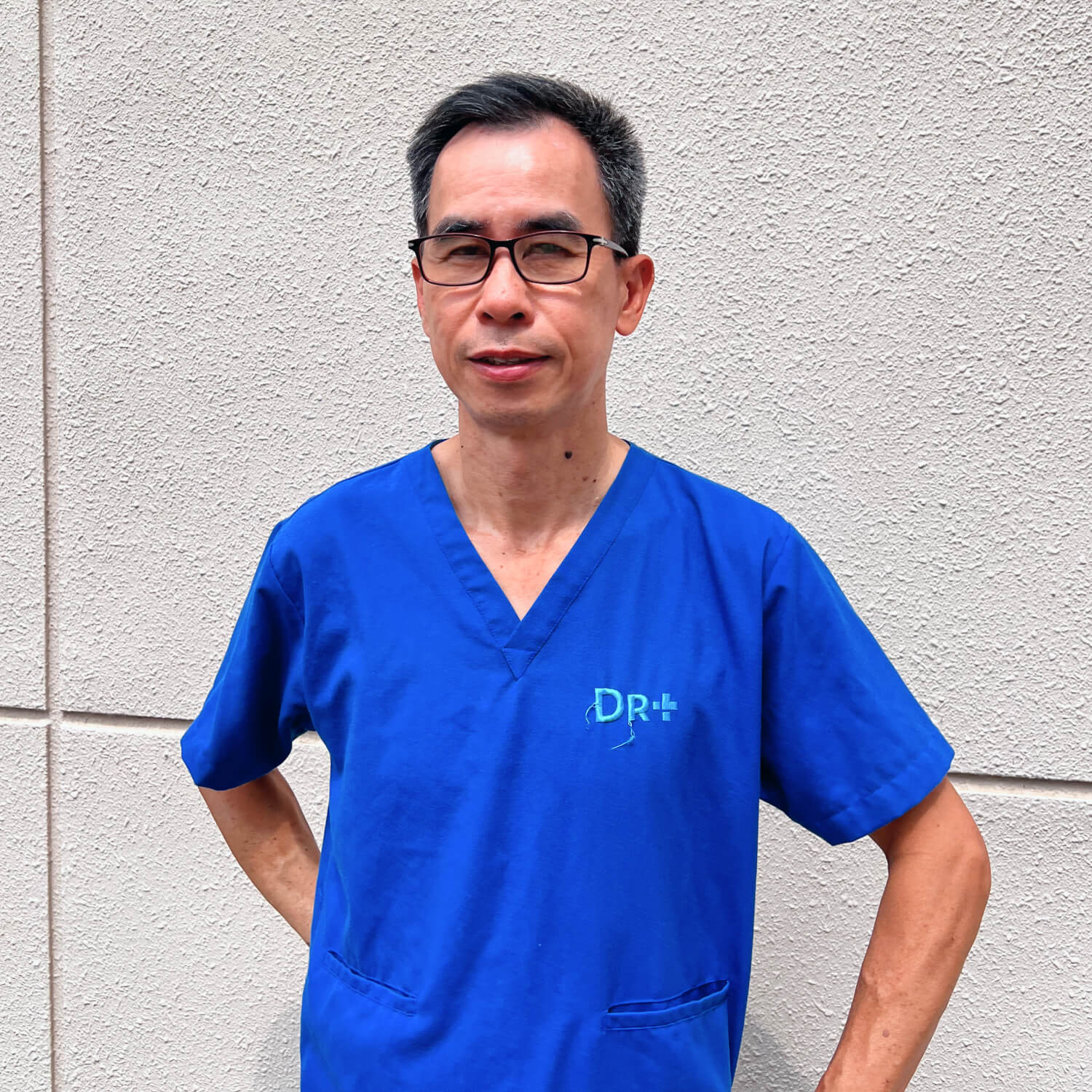
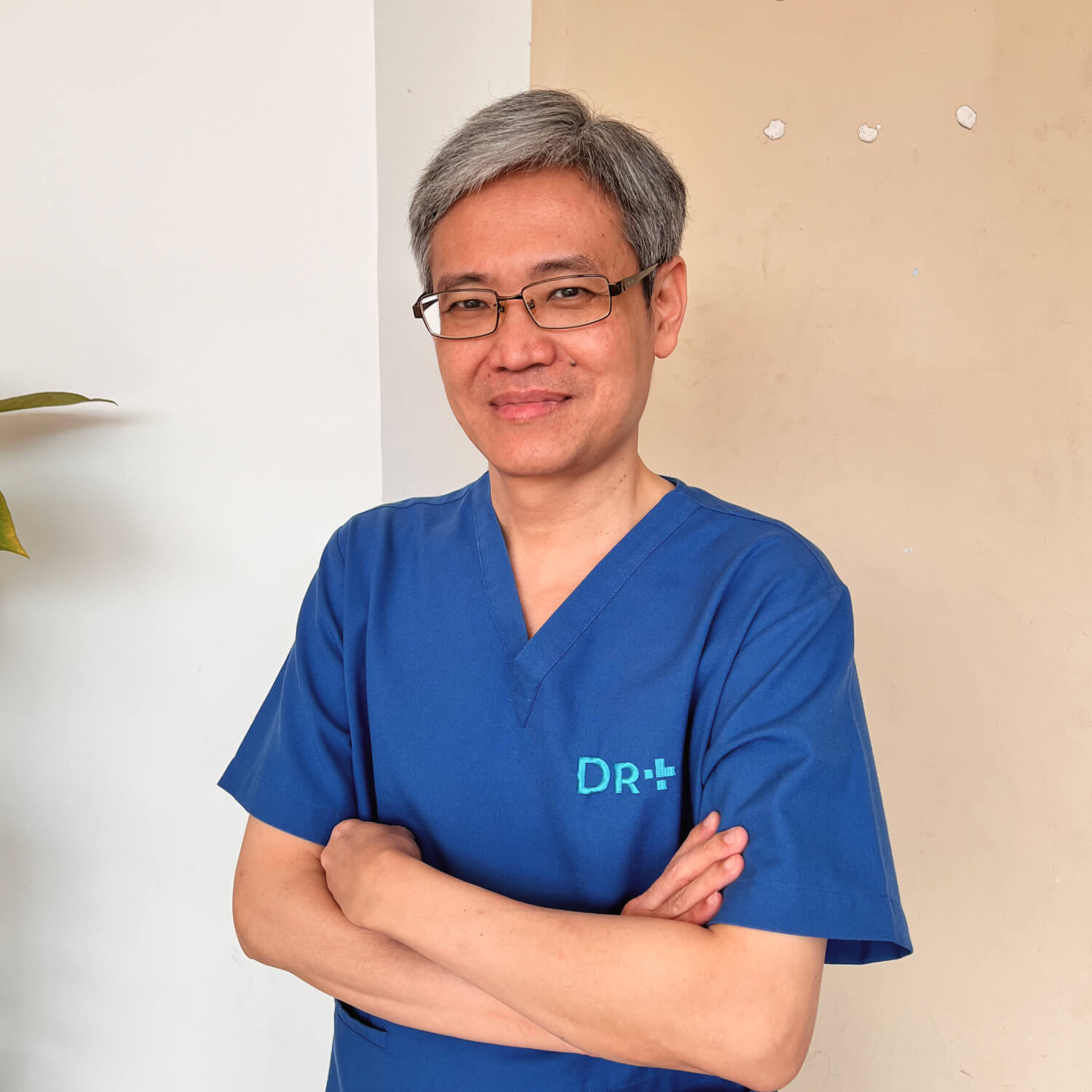
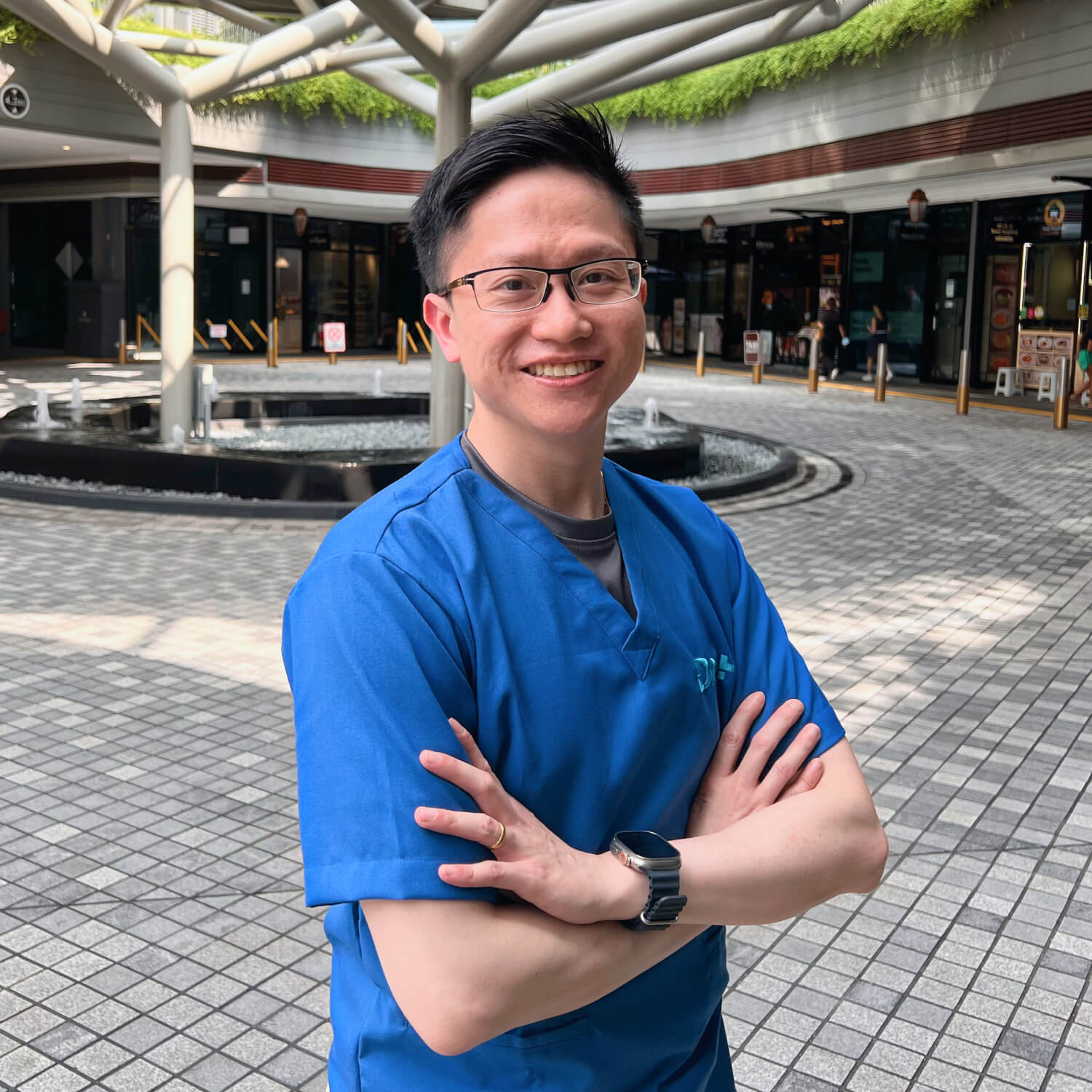
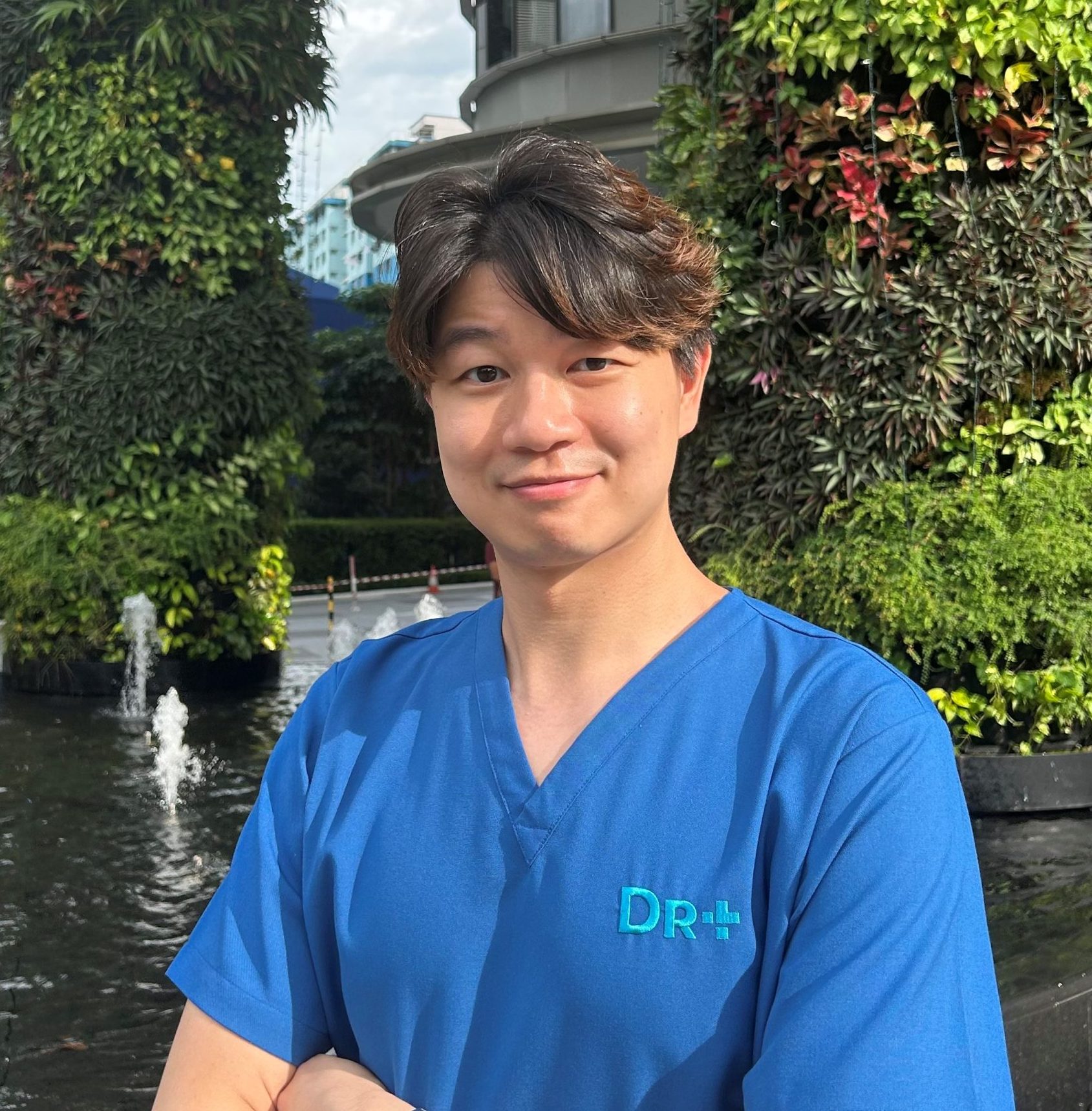
Our doctors are experienced in assessing musculoskeletal and joint pain, helping patients identify the underlying cause of knee discomfort and guiding appropriate treatment or referral when necessary. All DR+ doctors undergo additional training through the Singapore Paincare Academy, where they develop skills in performing specialised injection therapies and related procedures aimed at relieving pain and improving function. This structured training allows our doctors to provide targeted, evidence-based care for patients experiencing knee pain while ensuring appropriate referral when more complex specialist management is required.








Knee Pain Management
Lifestyle changes
- Exercise: Engaging in low-impact exercises can strengthen the muscles around the knee, providing better support and reducing strain on the joint. Activities like swimming, cycling, and walking can be beneficial.
- Weight loss: Reducing body weight can significantly decrease the pressure exerted on the knees, especially during daily activities like walking or climbing stairs. Every pound of weight loss can reduce the knee load by four pounds.
Prevention
Regular exercise: Ensure knee joints remain flexible and strengthen the surrounding muscles to provide better support.
Weight management: Maintain a healthy weight to reduce pressure on the knees, preventing wear-and-tear injuries and conditions like osteoarthritis.
Protective gear: Use knee pads, braces, or other protective equipment during sports or physical activities to minimise injury risk.
Avoid repetitive motions: Be mindful of tasks that stress the knee, such as prolonged kneeling. Alternate activities or take breaks to lessen strain.
Frequently Asked Questions
Should I see a GP or a knee specialist for knee pain?
In many cases, a general practitioner (GP) is the first doctor patients consult for knee pain. A GP can assess common causes such as ligament strain, tendon inflammation, early arthritis, or overuse injuries. At DR+ Medical & Paincare, our doctors are trained in pain management and musculoskeletal care, allowing them to evaluate knee pain and provide targeted treatments, including specialised injection therapies where appropriate.
Can a GP treat knee pain?
Yes, a GP can assess and treat many common causes of knee pain. This includes conditions such as ligament strain, tendon inflammation, early osteoarthritis, overuse injuries, or pain related to daily activities and sports. A GP will usually begin with a clinical assessment to identify the possible cause of the discomfort and recommend appropriate treatment, which may include medication, activity modification, physiotherapy, or targeted pain relief procedures.
At DR+ Medical & Paincare, our doctors have additional training in pain management and musculoskeletal conditions. Through training under the Singapore Paincare Academy, they are equipped to perform selected specialised injections and other procedures that can help relieve knee pain and improve function.
Are there specific exercises I can do at home to strengthen my knee muscles?
Yes, exercises such as leg raises, wall squats, and step-ups can be beneficial for knee strength. It’s advisable to consult with a physiotherapist for a tailored exercise regimen.
How often should I replace my running shoes to prevent knee pain?
It’s generally recommended to replace running shoes every 300-500 miles, but this can vary based on running style and shoe wear.
Can dietary changes help in managing knee pain?
Certain foods with anti-inflammatory properties, like turmeric and omega-3 rich fish, may help manage knee pain.
Are there any natural remedies or supplements beneficial for knee pain?
Some individuals find relief with supplements like glucosamine or chondroitin. However, discuss with a doctor before starting any new supplement.
How do I know if my knee pain is temporary or a sign of a more serious condition?
If knee pain persists for more than a few weeks, is severe, or is accompanied by other symptoms like swelling or redness, seek medical advice to rule out more serious conditions.
How much does knee pain treatment cost in Singapore?
The cost of knee pain treatment in Singapore depends on the type of procedure and the condition being treated.
At DR+ Medical & Paincare, pain treatments using Coreflex specialised injections start from $250, depending on where the injection is administered.
Platelet-Rich Plasma (PRP) Therapy starts from $800, while intra-articular knee injections start from $600.
The exact cost may vary based on the severity of the condition, the number of injections required, and the doctor’s clinical assessment. A consultation with a knee pain doctor will help determine the most suitable treatment plan for your condition.
Can I use MediSave for knee pain treatment?
In Singapore, patients may be able to use Chronic Disease Management Programme (CDMP) to help pay for certain knee pain treatments if the condition is recognised as a complication of a chronic disease.
Under this programme, patients may use $500 to $700 per year from their MediSave to co-pay for eligible treatments.
At DR+ Medical & Paincare, our clinic team can assist in checking your eligibility to use MediSave to defray your pain treatment fees and advise you accordingly.
Our Clinics
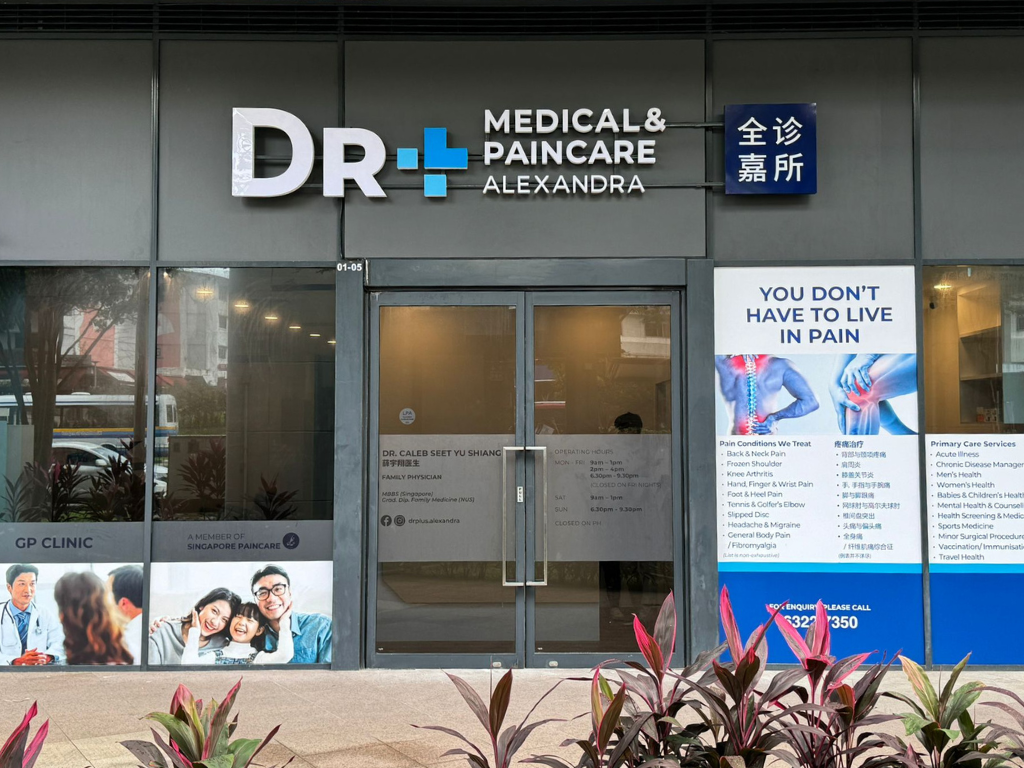
- Mon & Tue: 9am to 1pm, 2pm to 4pm, 6:30pm to 9:30pm
- Wed, Thu & Fri: 9am to 1pm, 2pm to 5pm
- Sat: 9am to 1pm
- Closed on Sun & PH
-
(Kindly note that clinic’s last registration is 15 minutes before closing time.)
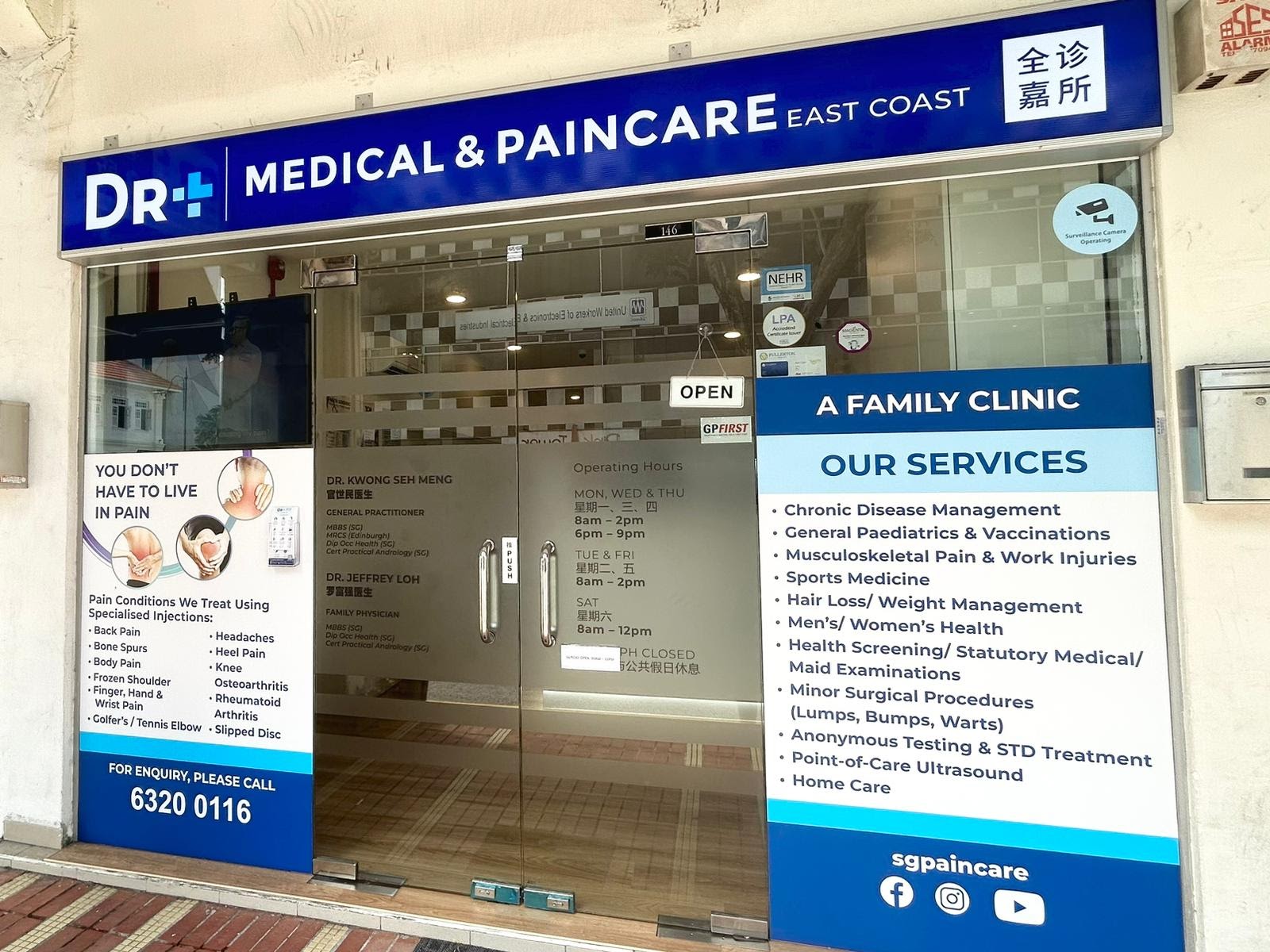
- Mon: 8:00am – 2:00pm, 6:00pm – 9:00pm
- Tue & Wed: 8:00am – 3:00pm
- Thu: 8:00am – 3:00pm, 6:00pm – 9:00pm
- Fri: 8:00am – 2:00pm
- Sat: 8:00am – 12:00pm
- Sun: 10:00am – 1:00pm
- PH: Closed

#01-54 The Midtown, Singapore 533971
- Mon & Tue: 8:00am – 12:30pm, 1:30pm – 5:00pm, 6:00pm – 9:00pm
- Wed: 8:00am – 12:30pm, 6:00pm – 9:00pm
- Thu: 8:00am – 12:30pm, 1:30pm – 5:00pm
- Fri: 8:00am – 12:30pm, 6:00pm – 9:00pm
- Sat: 8:00am – 12:00pm
- Sun & PH: Closed
(Kindly note that clinic’s last registration is 15 minutes before closing time.)
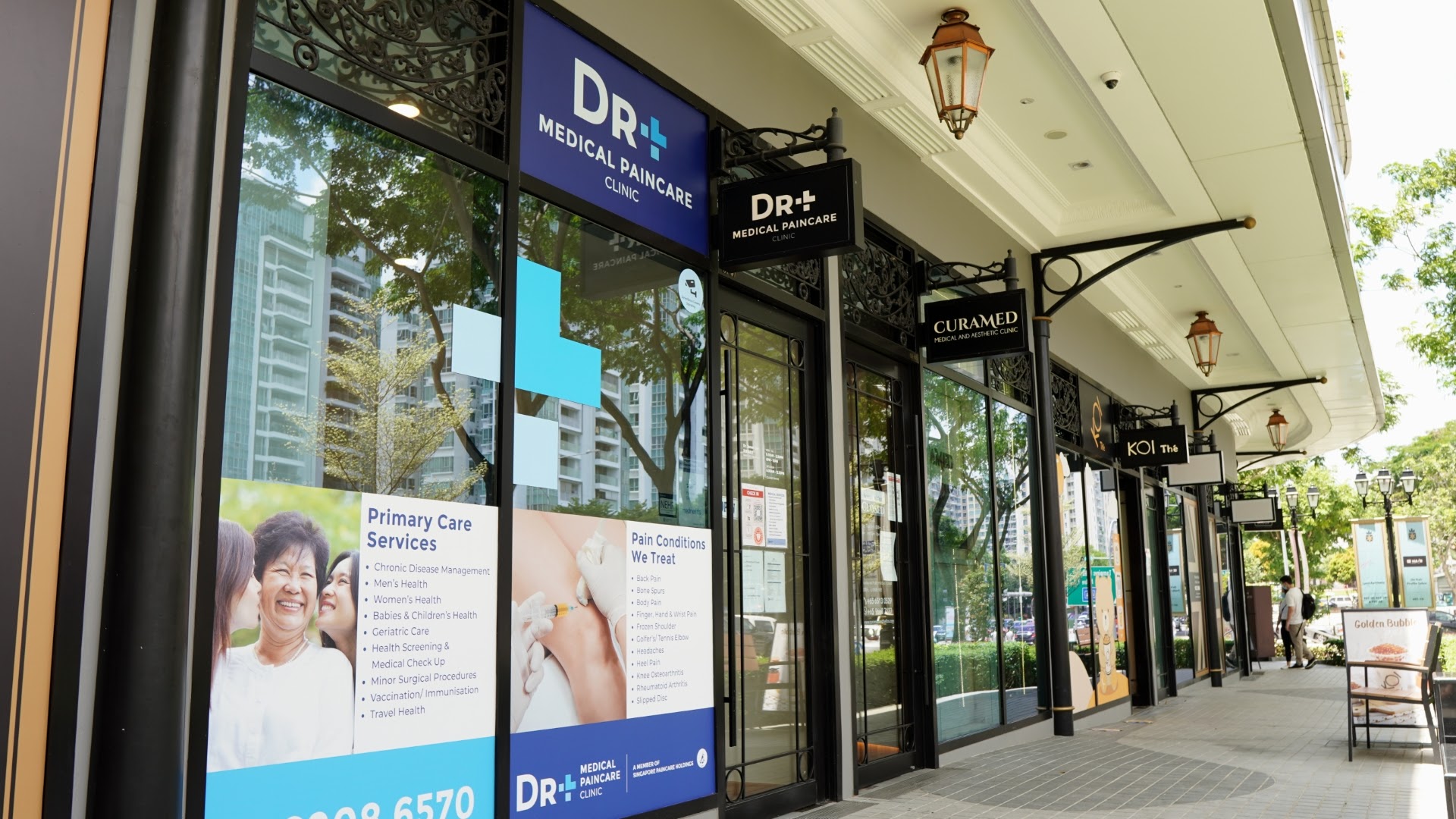
988 Upper Serangoon Rd, Singapore 534733
- Mon to Fri: 8:30am – 2:30pm, 6:00pm – 10:00pm
- Sat & Sun: 8:30am – 12:30pm
- PH: Closed
-
(Kindly note that clinic’s last registration is 15 minutes before closing time.)

Singapore 730018
- Mon: 8:00am – 9:00pm
- Tue – Fri: 8:00am – 4:30pm, 7:00pm – 9:00pm
- Sat: 8:00am – 12:30pm
- Sun & PH: Closed
-
Kindly note that clinic’s last registration is 15 minutes before closing time.
-
(Last registration timing – Mon: 8:45pm, Tue – Fri: 4:15pm & 8:45pm, Sat: 12:15pm)

Thomson Imperial Court, Singapore 574424
- Mon to Wed: 8:30am – 10:00pm
- Thu: 8:30am – 3:00pm, 6:00pm-9:30pm
- Fri: 8:30am – 6:00pm
- Sat & Sun: 9:00am – 3:00pm
- PH: Closed
-
(Kindly note that clinic’s last registration is 15 minutes before closing time.)

- Mon, Wed & Fri: 8:30am – 12:30pm, 1:30pm – 4:30pm, 6:00pm – 9:00pm
- Tue & Thu: 8:30am – 12:30pm, 1:30pm – 4:30pm
- Sat: 8:30am – 12:30pm
- Closed on Sun & PH
-
(Kindly note that clinic’s last registration is 15 minutes before closing time.)

- Mon & Wed: 8:30am – 3:30pm, 5pm – 8pm
- Tue , Thu & Fri: 8:30am – 3:30pm
- Sat: 8:30am – 12:30pm
- Closed on Sun & PH
-
(Kindly note that clinic’s last registration is 15 minutes before closing time.)
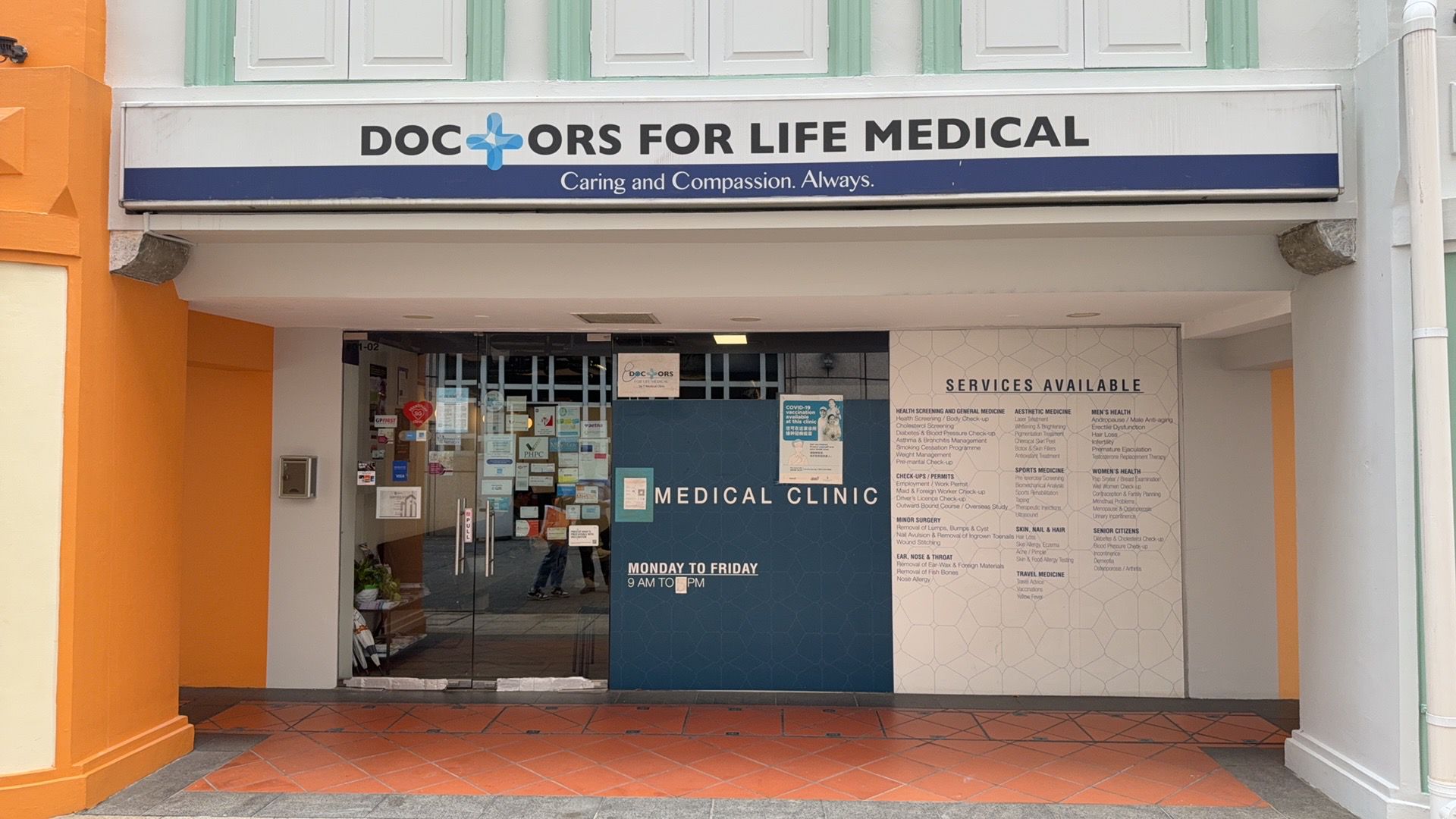
- Mon – Fri: 9:00 am–5:30 pm
- Closed on Sat, Sun & PH
-
(Kindly note that clinic’s last registration is 15 minutes before closing time.)
Need Advice On Your Condition?
Please fill out the form and we will be in touch with you shortly.