
Knee Osteoarthritis

Overview
Knee osteoarthritis (OA) is the most common joint disease in Singapore, affecting an estimated 10-15% of adults over 60. It occurs when the protective cartilage within the knee joint wears down over time, causing pain, stiffness, and reduced mobility. At DR+ , our GPs with specialised training in pain management provide a comprehensive knee assessment to determine the underlying cause and develop a personalised, non-surgical treatment plan.
What is Knee Osteoarthritis?
Knee osteoarthritis represents an incurable, progressive degenerative disorder. It includes the gradual wear and tear of the cartilage in the knee joint, causing pain and inflammation when the bones finally begin to rub against one another. The knee is considered a weight-bearing joint and hence is under constant stress, particularly while walking, running, and standing. As the cartilage deteriorates, the joint loses its smooth gliding movement and may subsequently feel stiff, swell, and lose some range of motion.
Whereas all joints are at risk for osteoarthritis, the knee is a particularly vulnerable joint because it bears much use. Individuals with knee OA usually experience anything from mild pain with movement to severe pain in the joint that may interfere even with sleep. While knee osteoarthritis is generally common among the elderly, young people can suffer from it because of trauma, obesity, and family background.
What Are the Symptoms of Knee Osteoarthritis?
Symptoms vary depending on the underlying cause and severity. Common presentations include:
Pain in the Knee
Pain can range from mild to severe, worsening with activities like walking, climbing stairs, or squatting.
Stiffness
Joint stiffness is most noticeable after periods of inactivity, such as in the morning or after sitting for long periods.
It can be triggered by physical activities or prolonged sitting, and can lead to loss of motion and difficulty in bending or straightening the leg.
Swelling
The knee may appear swollen due to inflammation or fluid buildup, contributing to discomfort and reduced mobility.
Grinding or Cracking Sounds
A grating sensation or cracking sounds occur when moving the knee, caused by roughened or exposed bone surfaces rubbing against each other due to cartilage wear.
Joint Deformity
Over time, changes in joint structure can lead to visible deformities, such as misalignment or bowing of the knee (varus or valgus deformity).
When to Seek Urgent Medical Attention
Seek urgent assessment if you experience: sudden severe knee swelling and warmth with fever (possible septic arthritis, a joint infection requiring emergency care), or acute severe pain after a fall with inability to bear weight (possible fracture). Also seek prompt assessment if knee pain and swelling develop rapidly and are accompanied by other joint symptoms or systemic illness.
Struggling With Persistent Pain?
Consult one of our DR+ today for a detailed consultation & personalised treatment plan.
What Causes Knee Osteoarthritis?
Knee Osteoarthritis has several possible causes. Understanding the underlying reason is the first step toward effective, targeted treatment.
Aging
Knee OA primarily results from the gradual breakdown of articular cartilage over decades of use. Without the smooth cartilage buffer, the bones of the femur, tibia, and patella rub against each other during movement, causing pain, inflammation, and progressive joint damage.
Obesity
For every kilogram of excess body weight, the knee joint experiences 3-5 kg of additional compressive load during walking. Obesity accelerates cartilage breakdown and promotes inflammatory pathways that worsen OA. Weight reduction is the single most modifiable risk factor for knee OA.
Past Knee Injuries
Post-traumatic knee OA develops years or decades after a significant knee injury including meniscal tears, ACL rupture, or fractures. The altered joint mechanics following injury accelerate cartilage wear in affected compartments.
Overuse of the Joint
Repetitive kneeling, squatting, stair climbing, and heavy physical labour increase knee OA risk. Traditional cleaning, floor work, and manual trades requiring frequent crouching or standing on hard surfaces are common occupational contributors in Singapore.
Genetics
Women are more likely than men to develop knee OA, particularly after menopause. Genetic factors influence cartilage quality and repair capacity. A family history of knee OA increases individual risk.
Bone Deformities
Structural abnormalities predispose the joint to uneven wear.
Rheumatoid Arthritis History
Inflammatory conditions can predispose to secondary osteoarthritis
How Is Knee Osteoarthritis Diagnosed?
Clinical Examination
Your DR+ doctor will assess the knee for effusion, range of motion, joint line tenderness, alignment, and muscle strength. The degree of functional limitation is also evaluated. Clinically, knee OA is classified on a severity scale that guides treatment planning.
X-Ray
Standing X-rays of the knee show joint space narrowing, osteophyte formation (bone spurs), subchondral sclerosis, and subchondral cysts: the hallmark features of OA. X-ray severity does not always correlate with pain severity: some patients with minimal X-ray changes have severe pain, and vice versa.
MRI
MRI provides detailed assessment of cartilage, menisci, and soft tissues, particularly useful in younger patients with atypical presentations.
POCUS
Point-of-Care Ultrasound (POCUS) is available at specific DR+ clinics to assess knee effusion and guide injection procedures more accurately.
What Are the Treatment Options for Knee Osteoarthritis?
Pain Medication
This involves the use of medications such as Non-Steroidal Anti-Inflammatory Drugs (NSAIDs), opioids, and other specialised medications designed for pain management. The type and dosage are tailored to the individual’s condition and medical history.
Myospan
Minimally invasive treatments aim to effectively relieve common pain conditions by targeting pain sources.
- Coreflex Injections: Typically contain a corticosteroid and are used for inflamed joints or tissues.
- Platelet-Rich Plasma (PRP) injections: Utilise own platelets to promote healing in damaged tissues.
- Intra-Articular Injections: Most commonly used to treat osteoarthritis in the hip or knee, but they can also be given in other joints, including shoulders, wrists, ankles, hands, and fingers.
For chronic pain conditions originating from spinal issues, Neurospan can be performed by our team of pain specialists from Singapore Paincare Center.
When Should You See a Doctor for Knee Osteoarthritis?
Not all cases need immediate medical attention, but some situations do. See a DR+ doctor if your condition:
• Knee pain lasting more than 6 weeks and interfering with daily activities
• Knee pain requiring daily or near-daily use of pain medication
• Knee swelling that is recurrent or persistent
• Progressive loss of knee range of motion or walking distance
• Knee pain waking you from sleep regularly
• Knee deformity or alignment change developing over months
Our Doctors
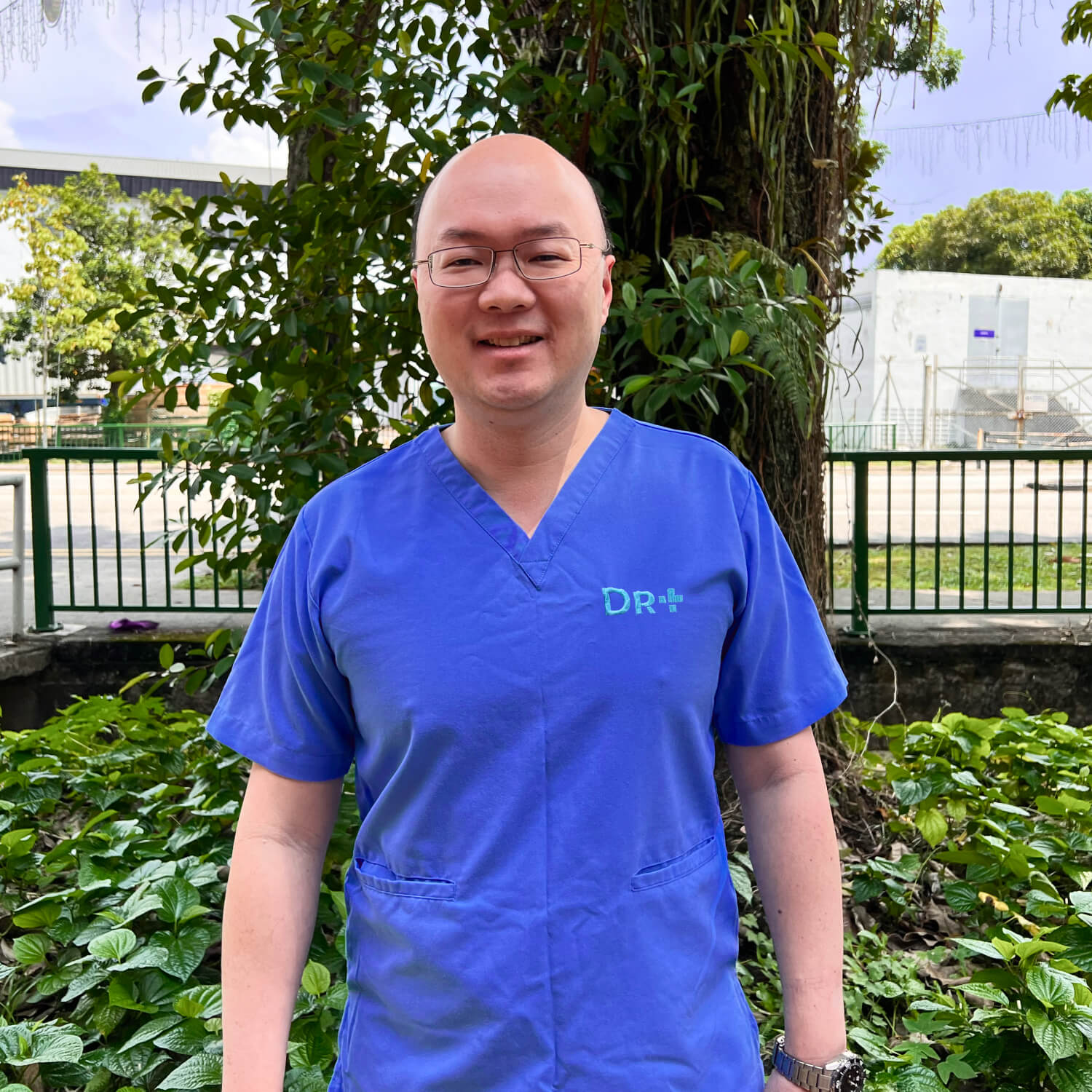
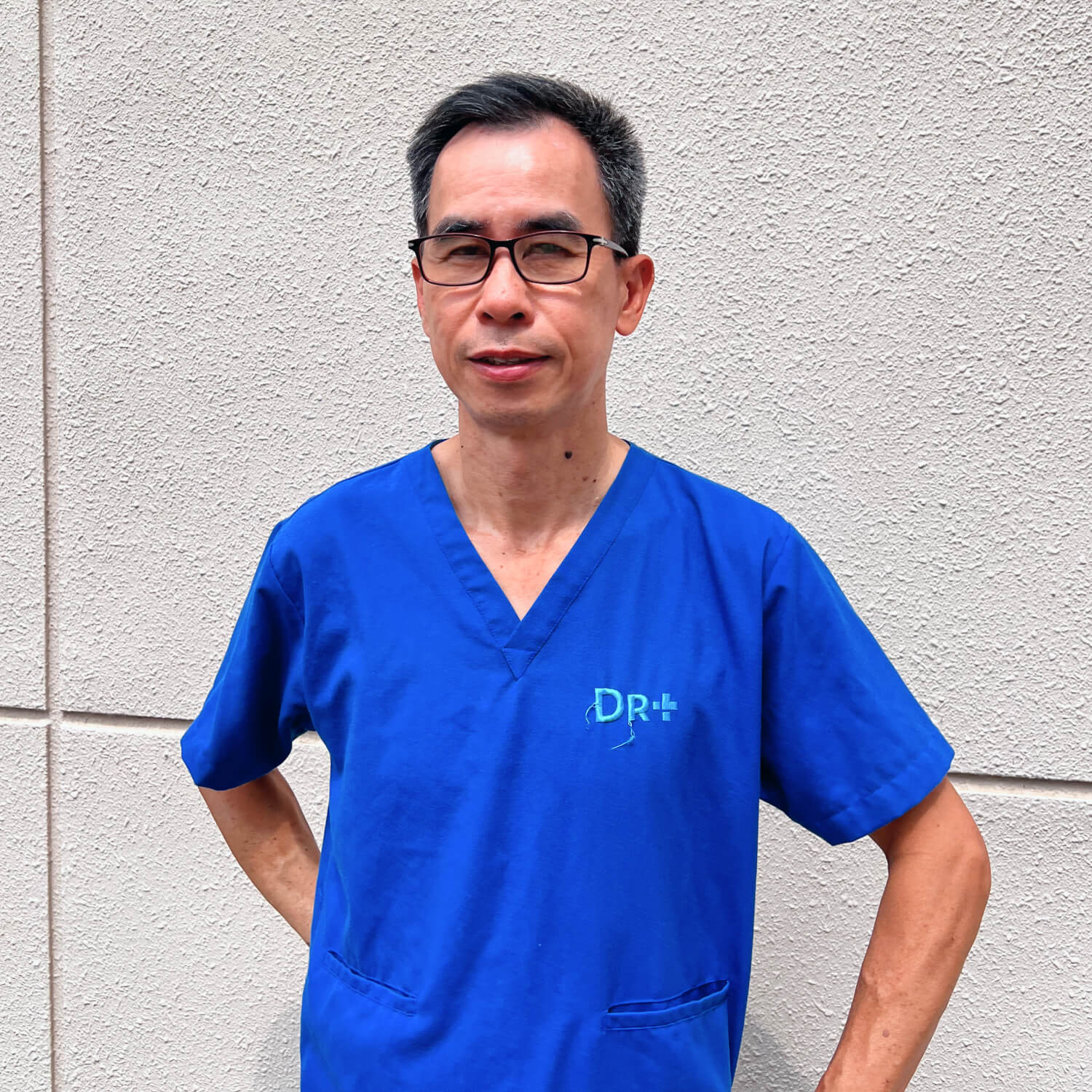
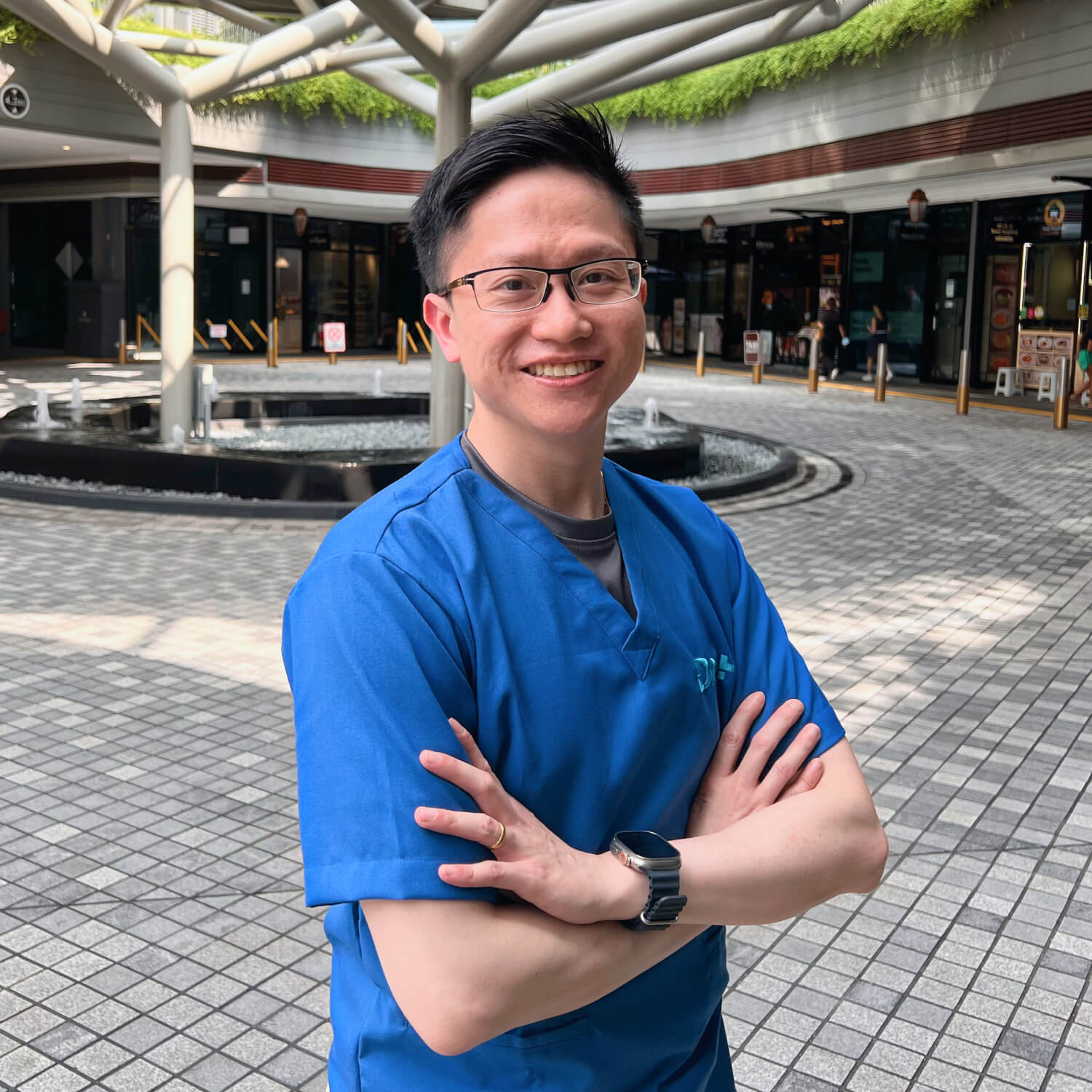
Our doctors are experienced in assessing musculoskeletal and joint pain, helping patients identify the underlying cause of knee discomfort and guiding appropriate treatment or referral when necessary. All DR+ doctors undergo additional training through the Singapore Paincare Academy, where they develop skills in performing specialised injection therapies and related procedures aimed at relieving pain and improving function. This structured training allows our doctors to provide targeted, evidence-based care for patients experiencing knee pain while ensuring appropriate referral when more complex specialist management is required.








How Can I Prevent Knee Osteoarthritis?
Knee osteoarthritis can be prevented through lifestyle changes and specific measures. First, maintaining a healthy weight is crucial as excess weight can cause excessive stress on knee joints, leading to accelerated cartilage breakdown. Moderate weight loss can reduce pain and improve function.
Also, regular exercise, such as flexibility exercises like swimming, biking, and walking, can help maintain range and prevent stiffness in the knee. Low-impact aerobics, such as swimming, biking, and walking, are also beneficial. Proper footwear, such as supportive shoes with good arch supports, can distribute weight properly and reduce knee stress. Avoid jolting exercises like running and jumping, which can lead to joint injury. Instead, focus on mild exercises without potential harm to the knees. Protecting joints during physical activities with knee pads or knee braces can minimize injury occurrences.
Nevertheless, regular stretching can loosen musculature around the knee, allowing ease of motion. By implementing these tips, individuals can protect their knees in the long term and prevent further deterioration of joints due to osteoarthritis.
Frequently Asked Questions
Can a GP doctor treat knee osteoarthritis?
Yes. A GP doctor can assess and manage Knee Osteoarthritis, especially in the early and moderate stages. Treatment may include medication, activity modification, weight management, and rehabilitation advice to help reduce pain and improve knee function.
At DR+ Medical & Paincare, our doctors receive additional training through the Singapore Paincare Academy and may also provide targeted injection therapies when appropriate. If the condition becomes severe or requires surgical evaluation, the doctor may recommend referral to a specialist.
Does Rest Cure Knee Osteoarthritis?
While rest alone cannot cure knee osteoarthritis, it nonetheless does alleviate its symptoms in the short term by minimising stress on the knee joint. Rest is part of managing the condition, but one has to balance it with regular low-impact exercises to maintain the flexibility and strength of the joint. Prolonged resting will certainly result in muscle weakening, which may aggravate the symptoms of osteoarthritis. If resting does not provide sufficient relief or if symptoms persist, it’s important to consult a doctor. At our clinic, we offer a range of minimally invasive treatments to help manage knee osteoarthritis
How Do You Stop Knee Osteoarthritis from Worsening?
The strategies that will help prevent worsening of knee osteoarthritis include maintaining a healthy weight, being physically active with low-impact exercises-swimming, biking, and walking-using assistive devices as necessary, proper shoes with support, diet to reduce inflammation. Besides, one should avoid activities that place undue stress on the knees, such as running on hard surfaces or jumping, in order to minimize further progression of the disease. See a doctor to get personalised advice and explore treatment options that can help manage symptoms and slow the progression of osteoarthritis.
Can I Avoid Total Knee Replacement?
Generally, Total Knee Replacement is often considered when all the other conservative modes of treatments fail to relieve the symptoms. Many individuals find significant improvement with non-surgical options, including minimally invasive injections that target pain and inflammation directly. These treatments can help delay or avoid the need for surgery while improving mobility and quality of life.
What is the best treatment for knee osteoarthritis?
There is no single “best” treatment for knee osteoarthritis, as management should be personalised based on the severity of each individual’s condition. For those in the early to mid stages of arthritis, doctors at DR+ Medical & Paincare Clinics may recommend minimally invasive options such as intra-articular injections, platelet-rich plasma (PRP), or Coreflex injections to reduce inflammation and improve joint function. Strengthening exercises after treatment are also important to support knee mobility and stability. In more advanced cases, surgical options may be considered following a thorough medical evaluation.
Treatments
How can I prevent knee osteoarthritis?
You can’t totally prevent osteoarthritis, but you can reduce stress on your knees and slow progression. Key steps include:
- Maintaining a healthy weight to reduce stress on your knees
- Staying active with gentle exercises like walking, swimming, or cycling
- Protecting your joints from injury and avoiding repetitive strain
- Keeping your health in check, such as managing blood sugar and cholesterol levels to support joint health
How to reduce swelling in osteoarthritic knees?
Swelling usually signals active joint inflammation. To manage it:
- Rest and elevate the knee
- Use cold compresses or anti-inflammatory medication
- Perform gentle movement and muscle activation (as tolerated)
- In persistent cases, targeted joint injections (e.g. coreflex, platelet-rich plasma or intra-articular injections) can help control inflammation and improve joint mobility.
If swelling doesn’t settle, see a doctor for a medical evaluation and treatments.
Our Clinics
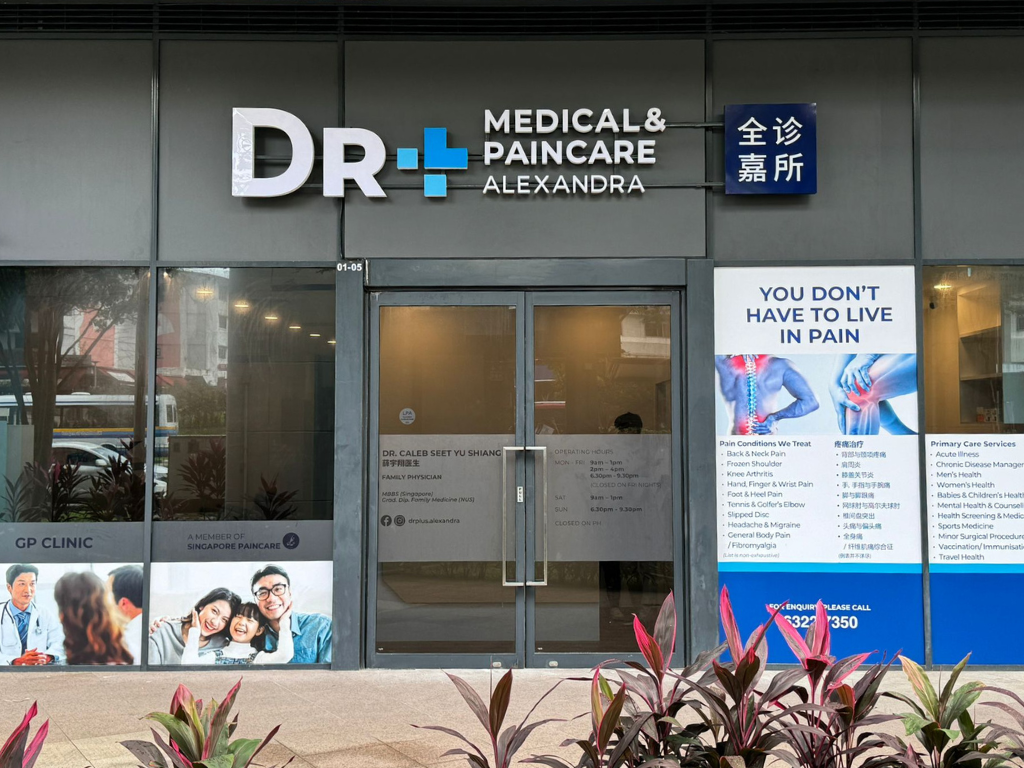
- Mon & Tue: 9am to 1pm, 2pm to 4pm, 6:30pm to 9:30pm
- Wed, Thu & Fri: 9am to 1pm, 2pm to 5pm
- Sat: 9am to 1pm
- Closed on Sun & PH
-
(Kindly note that clinic’s last registration is 15 minutes before closing time.)
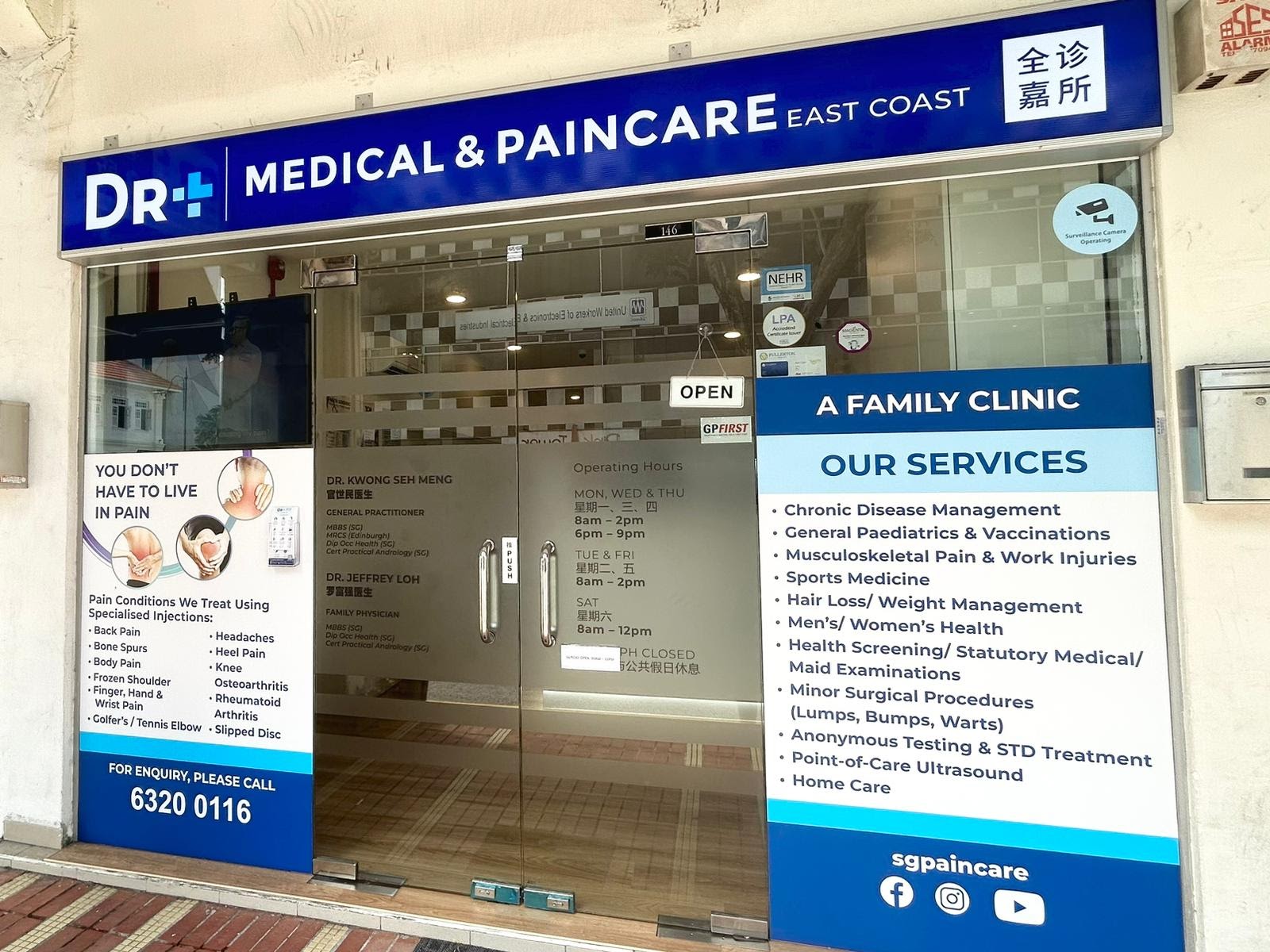
- Mon & Thu: 8:00am – 2:00pm, 6:00pm – 9:00pm
- Tue, Wed & Fri: 8:00am – 2:00pm
- Sat: 8:00am – 12:00pm
- Sun: 10:00am – 1:00pm
- PH: Closed

#01-54 The Midtown, Singapore 533971
- Mon & Tue: 8:00am – 12:30pm, 1:30pm – 5:00pm, 6:00pm – 9:00pm
- Wed: 8:00am – 12:30pm, 6:00pm – 9:00pm
- Thu: 8:00am – 12:30pm, 1:30pm – 5:00pm
- Fri: 8:00am – 12:30pm, 6:00pm – 9:00pm
- Sat: 8:00am – 12:00pm
- Sun & PH: Closed
(Kindly note that clinic’s last registration is 15 minutes before closing time.)

988 Upper Serangoon Rd, Singapore 534733
- Mon to Fri: 8:30am – 2:30pm, 6:00pm – 10:00pm
- Sat & Sun: 8:30am – 12:30pm
- PH: Closed
-
(Kindly note that clinic’s last registration is 15 minutes before closing time.)
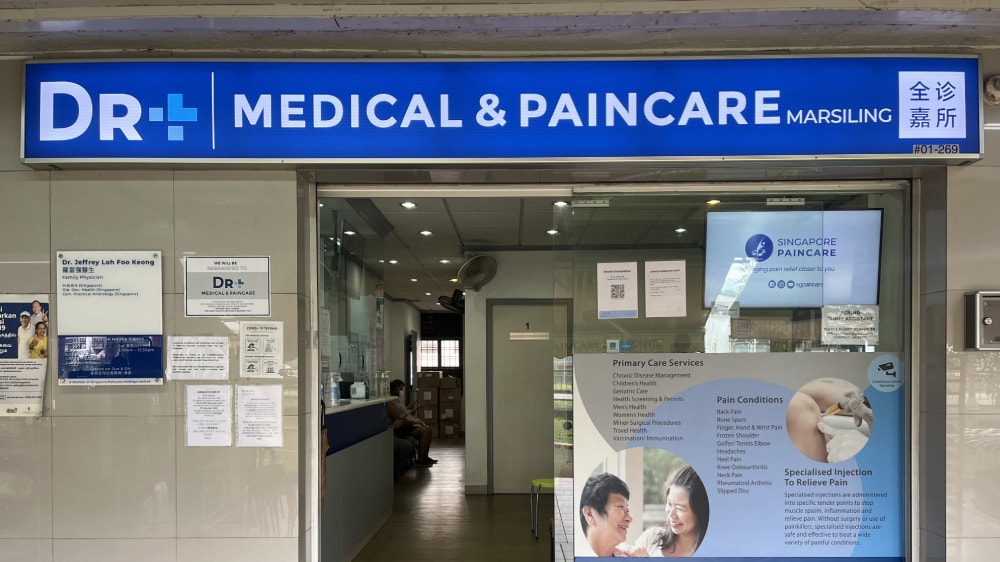
Singapore 730018
- Mon: 8:00am – 9:00pm
- Tue – Fri: 8:00am – 4:30pm, 7:00pm – 9:00pm
- Sat: 8:00am – 12:30pm
- Sun & PH: Closed
-
Kindly note that clinic’s last registration is 15 minutes before closing time.
-
(Last registration timing – Mon: 8:45pm, Tue – Fri: 4:15pm & 8:45pm, Sat: 12:15pm)

Thomson Imperial Court, Singapore 574424
- Mon to Wed: 8:30am – 10:00pm
- Thu: 8:30am – 3:00pm, 6:00pm-9:30pm
- Fri: 8:30am – 6:00pm
- Sat & Sun: 9:00am – 3:00pm
- PH: Closed
-
(Kindly note that clinic’s last registration is 15 minutes before closing time.)

Singapore 640221
- Mon to Fri: 8:00am – 4:00pm
- Sat: 8:00am – 12:00pm
Sun: Closed - PH: Closed
-
(Kindly note that clinic’s last registration is 15 minutes before closing time.)

- Mon, Wed & Fri: 8:30am – 12:30pm, 1:30pm – 4:30pm, 6:00pm – 9:00pm
- Tue & Thu: 8:30am – 12:30pm, 1:30pm – 4:30pm
- Sat: 8:30am – 12:30pm
- Closed on Sun & PH
-
(Kindly note that clinic’s last registration is 15 minutes before closing time.)
Need Advice On Your Condition?
Please fill out the form and we will be in touch with you shortly.