
Knee Meniscus Tear

Overview
A knee meniscus tear is an injury to the crescent-shaped cartilage pads (menisci) that cushion and stabilise the knee joint. Tears can occur from a sudden twisting injury in sport or from age-related degeneration. Not all meniscus tears require surgery. At DR+ , our GPs with specialised training in pain management provide a comprehensive knee assessment to determine the underlying cause and develop a personalised, non-surgical treatment plan.
What is Knee Meniscus Tear?
The knee meniscus is a fibrocartilaginous structure that provides cushioning and stability to the knee joint. A meniscus tear, one of the most common knee injuries, occurs when this cartilage is torn, often due to twisting or turning quickly, especially with the foot planted and the knee bent.
Meniscus tears are classified into three types: minor, moderate, and severe. Minor tears might cause slight pain and swelling, but generally, the knee maintains its stability. Moderate tears can lead to pain at the side or centre of the knee, swelling, and stiffness, often worsening over several days. Severe tears involve pieces of the torn meniscus moving into the joint space, leading to a locked knee that cannot be fully straightened, pain, and swelling.
What Are the Symptoms of Knee Meniscus Tear?
Symptoms vary depending on the underlying cause and severity. Common presentations include:
Pain in the Knee
The most immediate and noticeable symptom often occurs at the point of injury or on the inside or outside of the knee. Additional pressure placed on the knee could lead to prolonged or intensifying pain.
Swelling
This can occur immediately or may develop over several days post-injury. Swelling is a reaction to the knee injury and an indicator of joint inflammation.
Stiffness and Reduced Range of Motion
Difficulty in fully straightening or bending the knee is common, often due to pain or swelling. This can cause complications in everyday activities, such as walking, bending, going up or down the stairs, wearing trousers, or getting out of the car.
Locking or Catching Sensation
In severe cases, torn pieces of the meniscus can lodge in the knee joint, causing it to lock up or catch during movement.
Sensation of the Knee Giving Way
Instability or the feeling of the knee not being able to support weight reliably, especially when making twisting or turning motions
When to Seek Urgent Medical Attention?
Seek urgent assessment if the knee is locked and cannot be straightened: this may indicate a bucket-handle meniscus tear (a large displaced tear fragment blocking normal joint movement) that requires early orthopaedic evaluation. Also seek prompt care if the knee is severely swollen and painful following an acute injury, especially if you cannot bear weight on the leg.
Struggling With Persistent Pain?
Consult one of our DR+ today for a detailed consultation & personalised treatment plan.
What Causes Knee Meniscus Tear?
Knee Meniscus Tear has several possible causes. Understanding the underlying reason is the first step toward effective, targeted treatment.
Acute Twisting Injury (Sports-Related)
The most common cause of meniscus tears in younger patients is a sudden twisting or pivoting motion of the knee while the foot is planted: common in football, basketball, badminton, and martial arts. The force applied to the knee during these movements can exceed the tensile strength of the meniscal tissue.
Degenerative Tears (Age-Related)
In adults over 40, the meniscal tissue gradually weakens and becomes more brittle with age. Degenerative meniscus tears can occur from seemingly minor activities such as squatting, kneeling deeply, or stepping off a step. They are frequently found alongside early knee osteoarthritis.
Repetitive Squatting and Kneeling
Occupations and activities requiring frequent deep squatting, kneeling, or lifting (floor layers, construction workers, traditional cleaning tasks) place chronic compressive stress on the menisci, accelerating degeneration and increasing tear risk over time.
Previous Knee Ligament Injuries
An ACL (anterior cruciate ligament) tear often co-occurs with a meniscus tear at the time of injury, and also increases the risk of subsequent meniscal damage due to altered knee stability. Any history of significant knee injury is a relevant risk factor for meniscal problems.
What Are the Treatment Options for Knee Meniscus Tear?
Pain Medication
This involves the use of medications such as Non-Steroidal Anti-Inflammatory Drugs (NSAIDs), opioids, and other specialised medications designed for pain management. The type and dosage are tailored to the individual’s condition and medical history.
Myospan
Minimally invasive treatments aim to effectively relieve common pain conditions by targeting pain sources.
- Coreflex Injections: Typically contain a corticosteroid and are used for inflamed joints or tissues.
- Platelet-Rich Plasma (PRP) injections: Utilise own platelets to promote healing in damaged tissues.
- Intra-Articular Injections: Most commonly used to treat osteoarthritis in the hip or knee, but they can also be given in other joints, including shoulders, wrists, ankles, hands, and fingers.
For chronic pain conditions originating from spinal issues, Neurospan can be performed by our team of pain specialists from Singapore Paincare Center.
When Should You See a Doctor for Knee Meniscus Tear?
Not all cases need immediate medical attention, but some situations do. See a DR+ doctor if your condition:
• Knee pain following a twisting or pivoting injury during sports
• Knee clicking, locking, or giving way
• Significant knee swelling after an injury or after routine activity
• Inability to fully bend or straighten the knee
• Knee pain persisting more than 4-6 weeks after an injury despite rest
• Recurring knee pain during squatting or going down stairs
Our Doctors
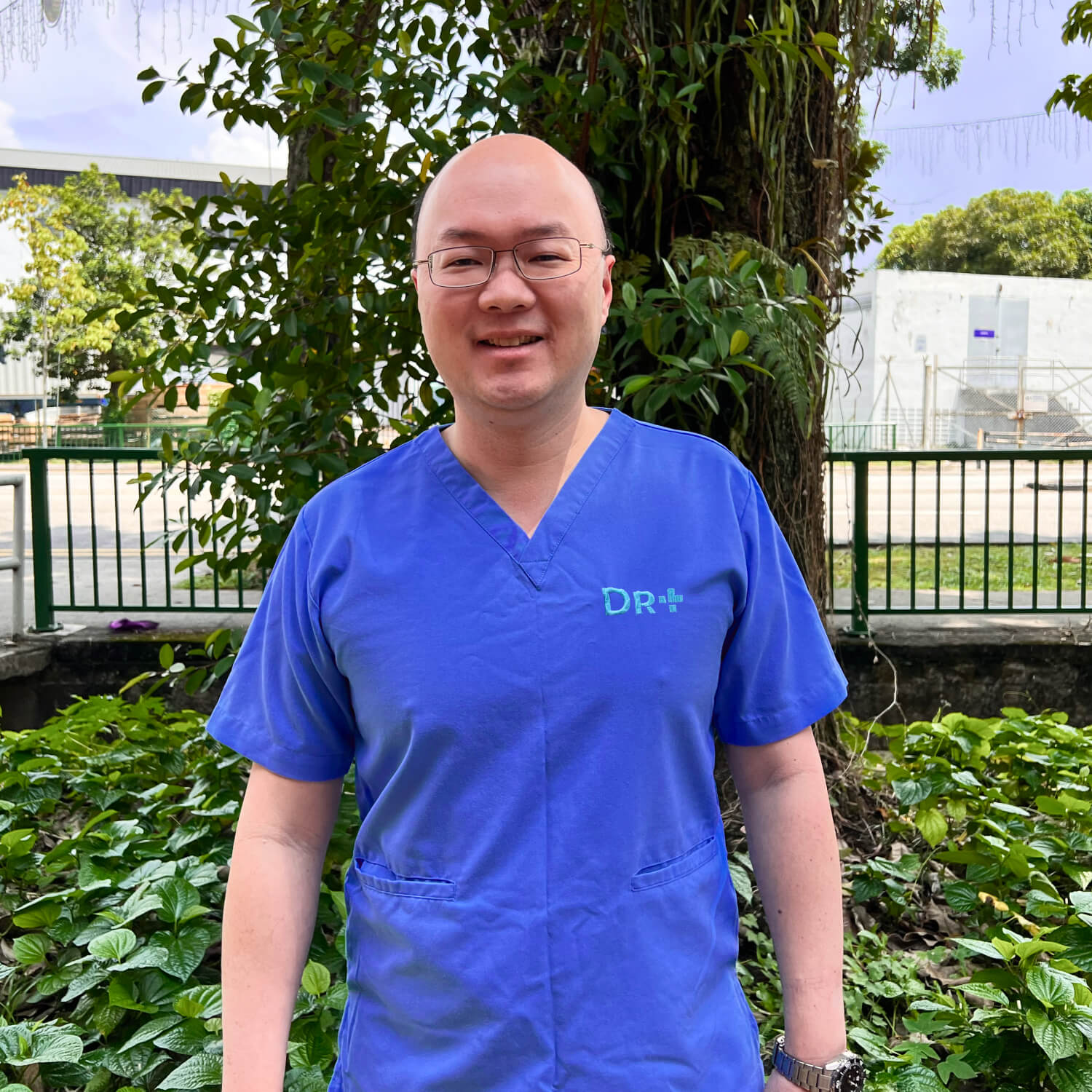
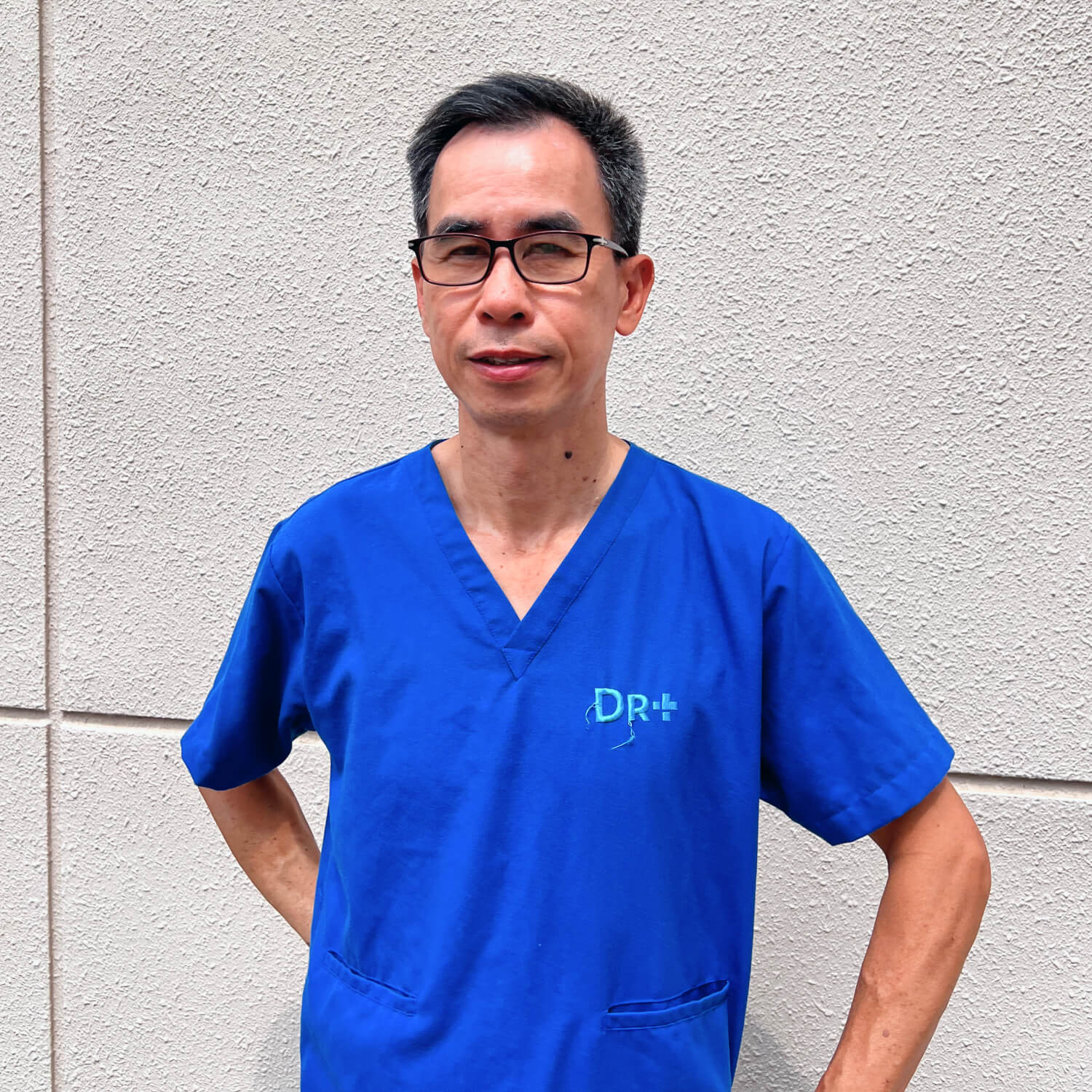
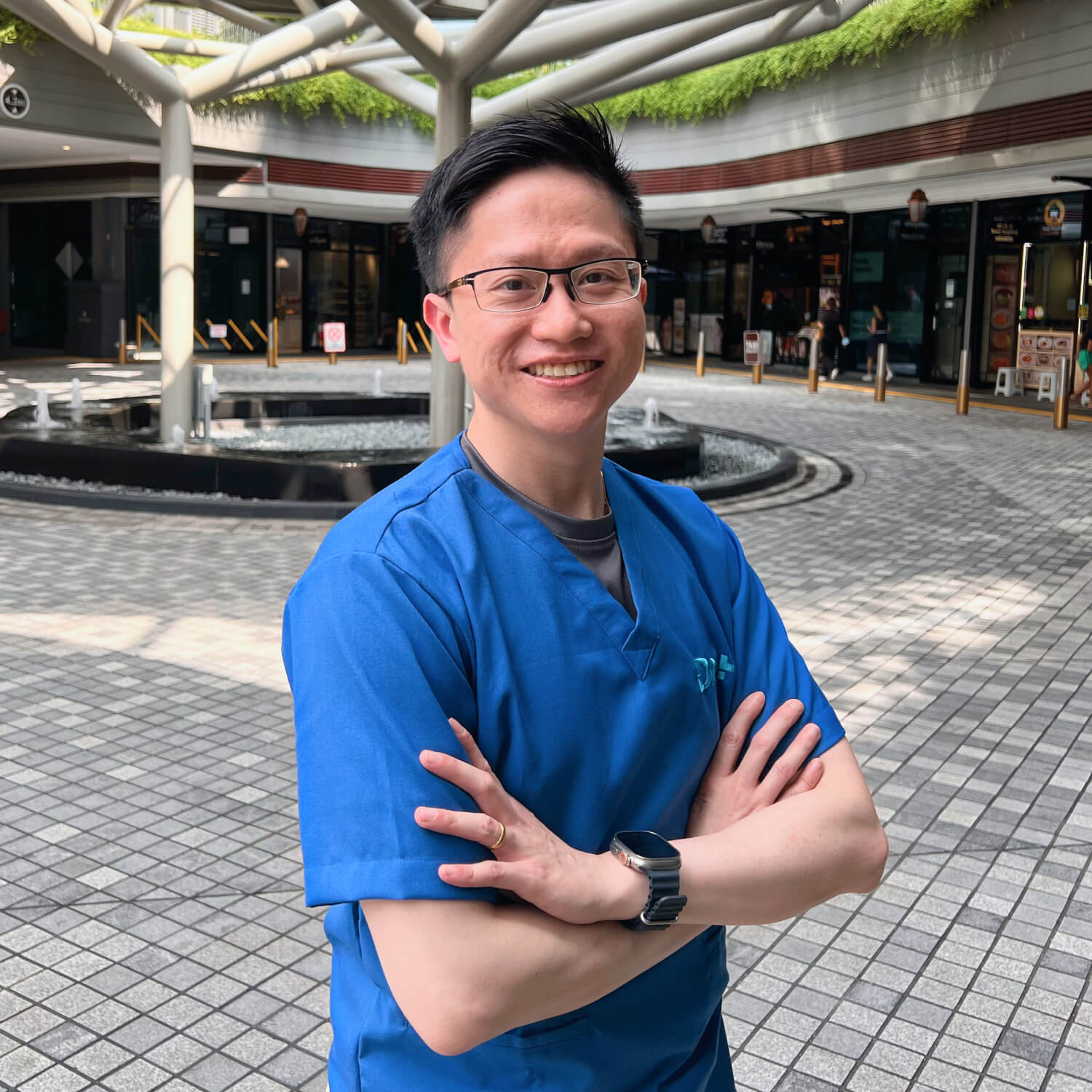
Our doctors are experienced in assessing musculoskeletal and joint pain, helping patients identify the underlying cause of knee discomfort and guiding appropriate treatment or referral when necessary. All DR+ doctors undergo additional training through the Singapore Paincare Academy, where they develop skills in performing specialised injection therapies and related procedures aimed at relieving pain and improving function. This structured training allows our doctors to provide targeted, evidence-based care for patients experiencing knee pain while ensuring appropriate referral when more complex specialist management is required.








How Can I Prevent Knee Meniscus Tear?
Preventing knee meniscus tears involves strategies aimed at reducing the risk factors and strengthening the knee joint.
- Regular Exercise: Engaging in regular exercise helps maintain muscle strength and joint flexibility, leading to knee stability and injury prevention.
- Muscle Strengthening and Conditioning: Exercises that strengthen the quadriceps and hamstrings can help protect the meniscus by stabilising the knee joint.
- Proper Technique and Equipment: Athletes, particularly in sports that involve jumping, pivoting, and quick changes of direction, should use proper techniques. Using appropriate sports gear and footwear can also help reduce the risk.
- Knee Brace: Wearing a knee brace can be beneficial if the knee feels weak or unstable.
- Maintain Healthy Weight: Excess weight puts additional stress on the knees. Maintaining a healthy weight can reduce the risk of meniscus tears and other knee injuries.
- Warm-Up Before Exercise: Proper warm-up exercises before sports or intense physical activity can reduce the risk of knee injuries.
- Avoid Overuse: Limit repetitive stress on the knees by avoiding excessive squatting, kneeling, and lifting heavy objects. Take regular breaks and vary your routines.
Frequently Asked Questions
Can a GP doctor treat a knee meniscus tear?
Yes. A GP doctor can assess and manage Meniscus Tear, especially in mild to moderate cases. Treatment may include medication, activity modification, rehabilitation advice, and therapies to reduce pain and improve knee function.
At DR+ Medical & Paincare, our doctors receive additional training through the Singapore Paincare Academy, allowing them to provide more advanced pain management approaches, including specialised injection therapies when appropriate. If the injury is severe or requires surgery, the doctor may recommend referral to a specialist for further evaluation.
Can a meniscus tear heal on its own?
Some meniscus tears, particularly minor ones, can heal on their own with rest and conservative treatment. This healing potential largely depends on the tear’s location and size.
Is surgery always necessary for a meniscus tear?
Surgery is not always necessary. Many tears can be managed effectively with non-surgical treatments, especially if the tear is small and on the outer edge of the meniscus.
How long does it take to recover from a meniscus tear?
Recovery time varies depending on the tear’s severity and treatment. Conservative treatment usually requires several weeks, while recovery from surgery might take several months.
Can I return to sports after a meniscus tear?
Many people return to their previous level of activity after a meniscus tear, but this depends on the injury’s severity, the treatment chosen, and the rehabilitation process.
What are the long-term effects of a meniscus tear?
If not properly managed, a meniscus tear can lead to complications like chronic knee pain, swelling, and an increased risk of developing knee arthritis.
How can I reduce the risk of future meniscus tears?
Strengthening the muscles around the knee, maintaining a healthy weight, using proper sports techniques, and avoiding activities that put excessive stress on the knee can help reduce the risk.
Our Clinics
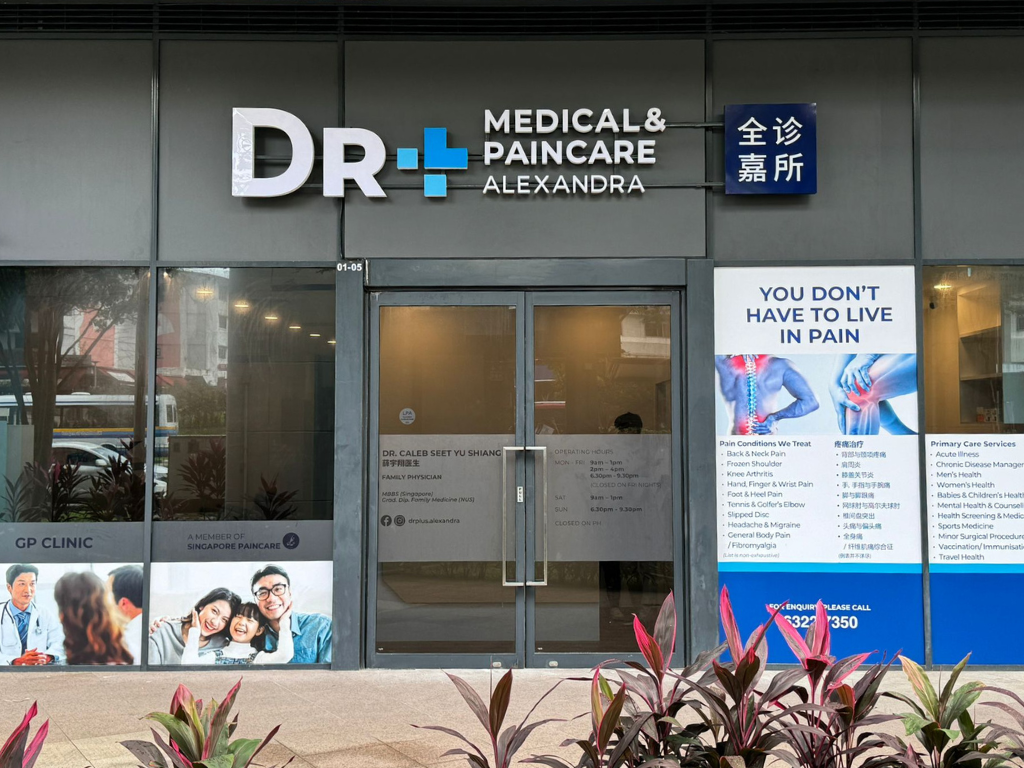
- Mon & Tue: 9am to 1pm, 2pm to 4pm, 6:30pm to 9:30pm
- Wed, Thu & Fri: 9am to 1pm, 2pm to 5pm
- Sat: 9am to 1pm
- Closed on Sun & PH
-
(Kindly note that clinic’s last registration is 15 minutes before closing time.)
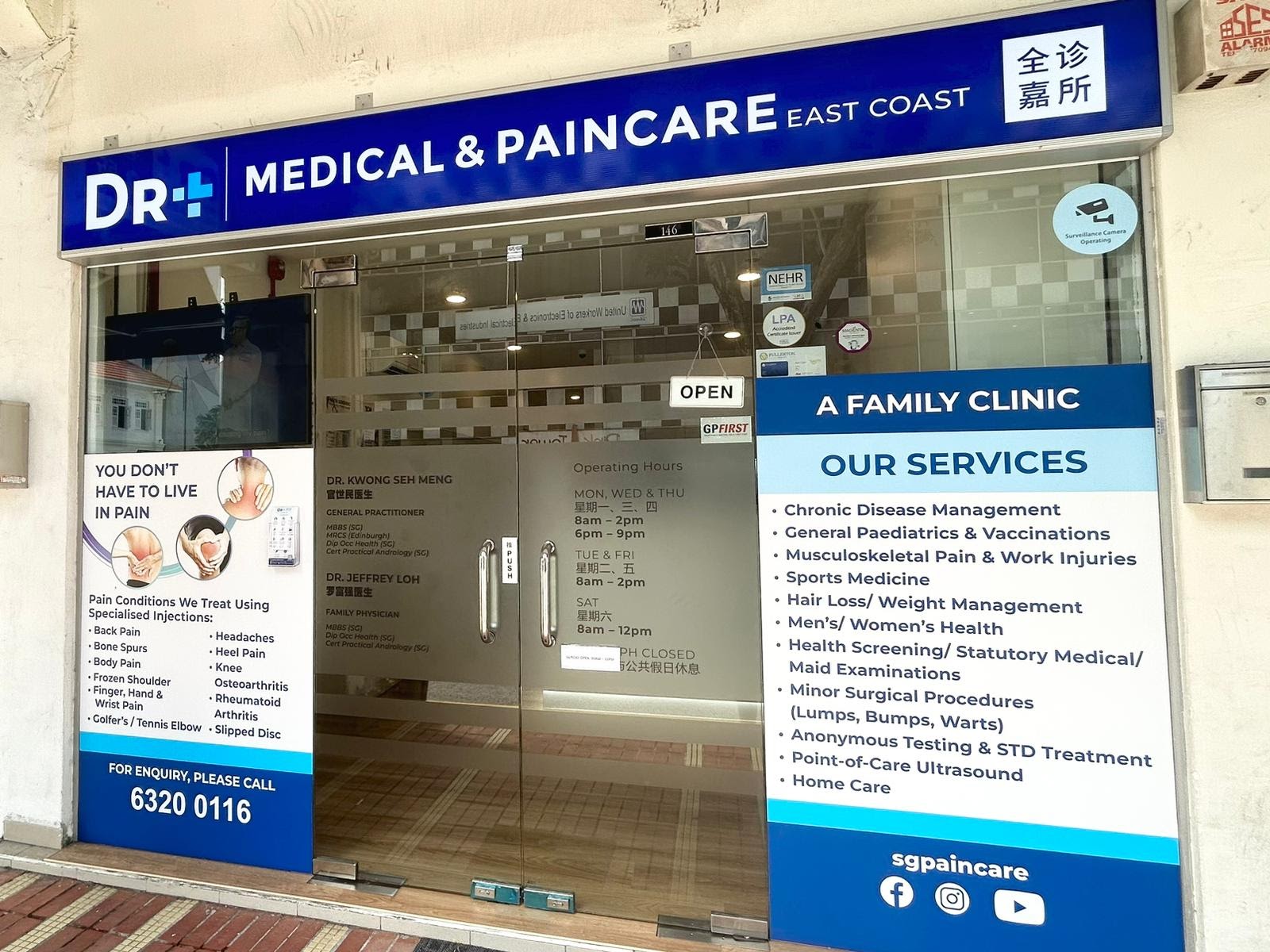
- Mon & Thu: 8:00am – 2:00pm, 6:00pm – 9:00pm
- Tue, Wed & Fri: 8:00am – 2:00pm
- Sat: 8:00am – 12:00pm
- Sun: 10:00am – 1:00pm
- PH: Closed

#01-54 The Midtown, Singapore 533971
- Mon & Tue: 8:00am – 12:30pm, 1:30pm – 5:00pm, 6:00pm – 9:00pm
- Wed: 8:00am – 12:30pm, 6:00pm – 9:00pm
- Thu: 8:00am – 12:30pm, 1:30pm – 5:00pm
- Fri: 8:00am – 12:30pm, 6:00pm – 9:00pm
- Sat: 8:00am – 12:00pm
- Sun & PH: Closed
(Kindly note that clinic’s last registration is 15 minutes before closing time.)

988 Upper Serangoon Rd, Singapore 534733
- Mon to Fri: 8:30am – 2:30pm, 6:00pm – 10:00pm
- Sat & Sun: 8:30am – 12:30pm
- PH: Closed
-
(Kindly note that clinic’s last registration is 15 minutes before closing time.)
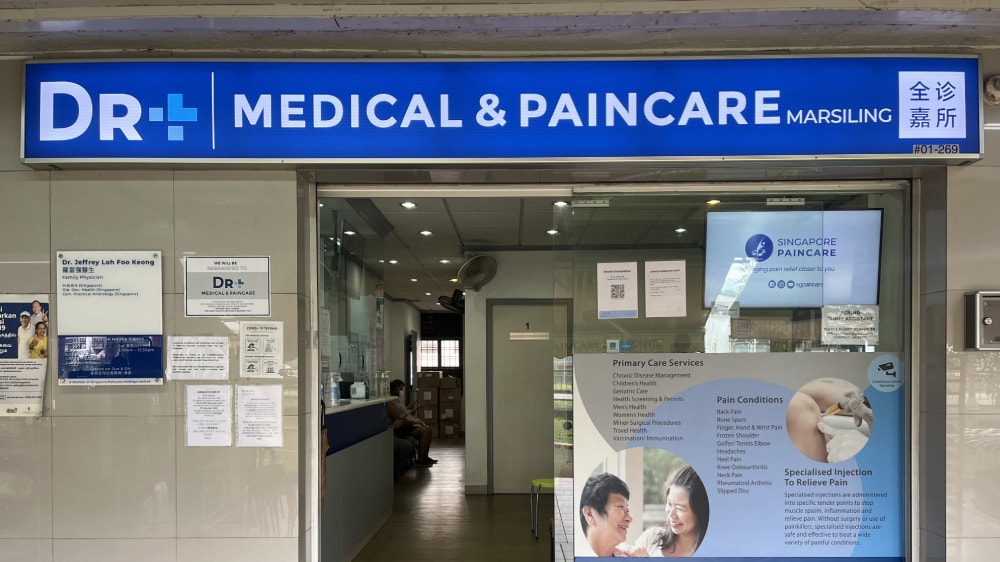
Singapore 730018
- Mon: 8:00am – 9:00pm
- Tue – Fri: 8:00am – 4:30pm, 7:00pm – 9:00pm
- Sat: 8:00am – 12:30pm
- Sun & PH: Closed
-
Kindly note that clinic’s last registration is 15 minutes before closing time.
-
(Last registration timing – Mon: 8:45pm, Tue – Fri: 4:15pm & 8:45pm, Sat: 12:15pm)

Thomson Imperial Court, Singapore 574424
- Mon to Wed: 8:30am – 10:00pm
- Thu: 8:30am – 3:00pm, 6:00pm-9:30pm
- Fri: 8:30am – 6:00pm
- Sat & Sun: 9:00am – 3:00pm
- PH: Closed
-
(Kindly note that clinic’s last registration is 15 minutes before closing time.)

- Mon, Wed & Fri: 8:30am – 12:30pm, 1:30pm – 4:30pm, 6:00pm – 9:00pm
- Tue & Thu: 8:30am – 12:30pm, 1:30pm – 4:30pm
- Sat: 8:30am – 12:30pm
- Closed on Sun & PH
-
(Kindly note that clinic’s last registration is 15 minutes before closing time.)
Need Advice On Your Condition?
Please fill out the form and we will be in touch with you shortly.