
Golfer's | Tennis Elbow

Overview
Tennis elbow (lateral epicondylitis) and golfer’s elbow (medial epicondylitis) are overuse tendon conditions causing pain on the outer or inner side of the elbow respectively. Despite their names, these conditions commonly affect non-athletes: office workers, manual tradespeople, and anyone performing repetitive forearm movements. At DR+, our GPs with specialised training in pain management provide a thorough assessment for tennis or golfer’s elbow, identifying the underlying cause and creating a personalised, non-surgical treatment plan.
What Is Golfer's / Tennis Elbow
Epicondylitis, commonly known as Golfer’s Elbow (Medial Epicondylitis) and Tennis Elbow (Lateral Epicondylitis), is a condition characterised by pain and inflammation of the tendons that join the forearm muscles on the outside or inside of the elbow. The condition stems from the overuse of muscles and tendons in the forearm, leading to strain and microtears.
Golfer’s Elbow affects the tendons attached to the medial epicondyle, the inner part of the elbow, whereas Tennis Elbow impacts the lateral epicondyle, the elbow’s outer part. Despite their names, these conditions are not limited to golfers and tennis players, and can occur in anyone engaging in activities involving repetitive arm, elbow, and wrist use.
What Are the Symptoms of Golfer's / Tennis Elbow?
The primary symptoms of Golfer’s / Tennis Elbow revolve around pain and discomfort in the elbow region.
Pain and Tenderness
Radiating Discomfort
Pain might extend along the forearm, worsening with certain movements such as lifting, gripping, or twisting motions. In some cases, the discomfort can radiate down to the wrist.
Stiffness
Individuals may experience stiffness in the elbow, particularly in the morning or after periods of inactivity.
Weakness
There might be a noticeable weakness in the hands and wrists, making tasks such as opening jars or gripping objects challenging.
Numbness or Tingling
Some individuals report a sensation of numbness or tingling, usually extending into the fingers, typically a sign of nerve involvement.
Elbow Joint Swelling
In some cases, especially with prolonged irritation or injury, there can be swelling around the elbow joint.
Decreased Range of Motion
Advanced cases of Golfer’s / Tennis Elbow may lead to a reduction in the range of motion in the elbow joint, affecting daily activities.
When to Seek Urgent Medical Attention
Seek assessment if elbow pain is accompanied by significant swelling and warmth (may indicate infection or gout), numbness or tingling radiating into the fingers (may indicate nerve compression), or if the pain is severe after a fall or impact (may indicate a fracture or ligament injury). These require investigation beyond routine tendinopathy management.
What Causes Golfer’s / Tennis Elbow?
The development of Golfer’s / Tennis Elbow can be attributed to the following causes and risk factors:
- Repetitive Motion: The primary cause of Golfer’s / Tennis Elbow is the repetitive motion of the wrist and arm. Activities that require constant gripping, twisting, or lifting can strain the muscles and tendons, leading to irritation and inflammation.
- Sports Participation: As the names suggest, Golfer’s Elbow and Tennis Elbow are common in golfers and tennis players. They can also occur in other sports where similar arm motions are prevalent, such as baseball or bowling.
- Occupational Hazards: Certain professions that involve repetitive hand, wrist, and arm motions, such as construction work, plumbing, painting, and computer use, have a higher risk of developing Golfer’s / Tennis Elbow.
- Age Factor: These conditions are more commonly diagnosed in individuals between the ages of 30 and 50, although they can occur at any age.
- Improper Technique or Equipment: Using incorrect techniques in sports or work, or using equipment that is not suitable, such as tools that are too large, too heavy, or that vibrate, can increase the risk.
- Prior Injury: A previous elbow or arm injury can predispose an individual to Golfer’s / Tennis Elbow, especially if the injury has led to altered movements that increase strain on the elbow.
- Genetic Factors: There may be genetic predispositions that contribute to susceptibility, although specific genes associated with Golfer’s / Tennis Elbow have not been conclusively identified.
- Lifestyle Factors: General health and fitness levels, including muscle strength and flexibility, play a role in the risk of developing Golfer’s / Tennis Elbow. Poor general fitness can contribute to the condition.
How Is Golfer’s / Tennis Elbow Diagnosed?
Diagnosing Golfer’s / Tennis Elbow involves a series of steps undertaken by a healthcare professional to accurately identify the condition and rule out other potential causes of elbow pain.
- Medical History: The diagnosis process begins with a comprehensive review of the patient’s medical history. This includes discussing symptoms, their duration, any preceding injuries, and activities that might have contributed to the condition.
- Physical Examination: The physician will palpate (examine by touch) the affected area to pinpoint the source of pain and may ask the patient to perform certain movements or exercises to assess pain levels and range of motion.
- Specialised Tests: The ‘golfer’s elbow test’ and ‘tennis elbow test’ involve movements that specifically engage the tendons affected by each condition, helping in distinguishing between them.
- Imaging Tests: While not always necessary, imaging tests like X-rays can be used to rule out other causes of elbow pain, such as a fracture or arthritis. In some cases, an MRI (Magnetic Resonance Imaging) or ultrasound might be recommended to assess the soft tissue structures around the elbow.
- Differential Diagnosis: Golfer’s / Tennis Elbow should be differentiated from other conditions like nerve entrapment syndromes, which may present with similar symptoms.
- Severity Assessment: In cases where the condition has been present for an extended period, doctors may assess the severity of the tendon damage. This can help in planning appropriate treatment and management strategies.
What Are the Treatment Options for Golfer's / Tennis Elbow?
Pain Medication
This involves the use of medications such as Non-Steroidal Anti-Inflammatory Drugs (NSAIDs), opioids, and other specialised medications designed for pain management. The type and dosage are tailored to the individual’s condition and medical history.
Myospan
Minimally invasive treatments aim to effectively relieve common pain conditions by targeting pain sources.
- Coreflex Injections: Typically contain a corticosteroid and are used for inflamed joints or tissues.
- Platelet-Rich Plasma (PRP) injections: Utilise own platelets to promote healing in damaged tissues.
- Intra-Articular Injections: Most commonly used to treat osteoarthritis in the hip or knee, but they can also be given in other joints, including shoulders, wrists, ankles, hands, and fingers.
For chronic pain conditions originating from spinal issues, Neurospan can be performed by our team of pain specialists from Singapore Paincare Center.
When Should You See a Doctor for Golfer's / Tennis Elbow?
Not all cases need immediate medical attention, but some situations do. See a DR+ doctor if your condition:
- Elbow pain persisting for more than 4-6 weeks despite rest and self-management
- Pain preventing you from performing your work or recreational activities
- Progressive worsening of grip weakness
- Numbness or tingling radiating from the elbow into the fingers
- Pain returning repeatedly after each period of activity
- No improvement after using a counterforce brace for 4-6 weeks
Our Doctors
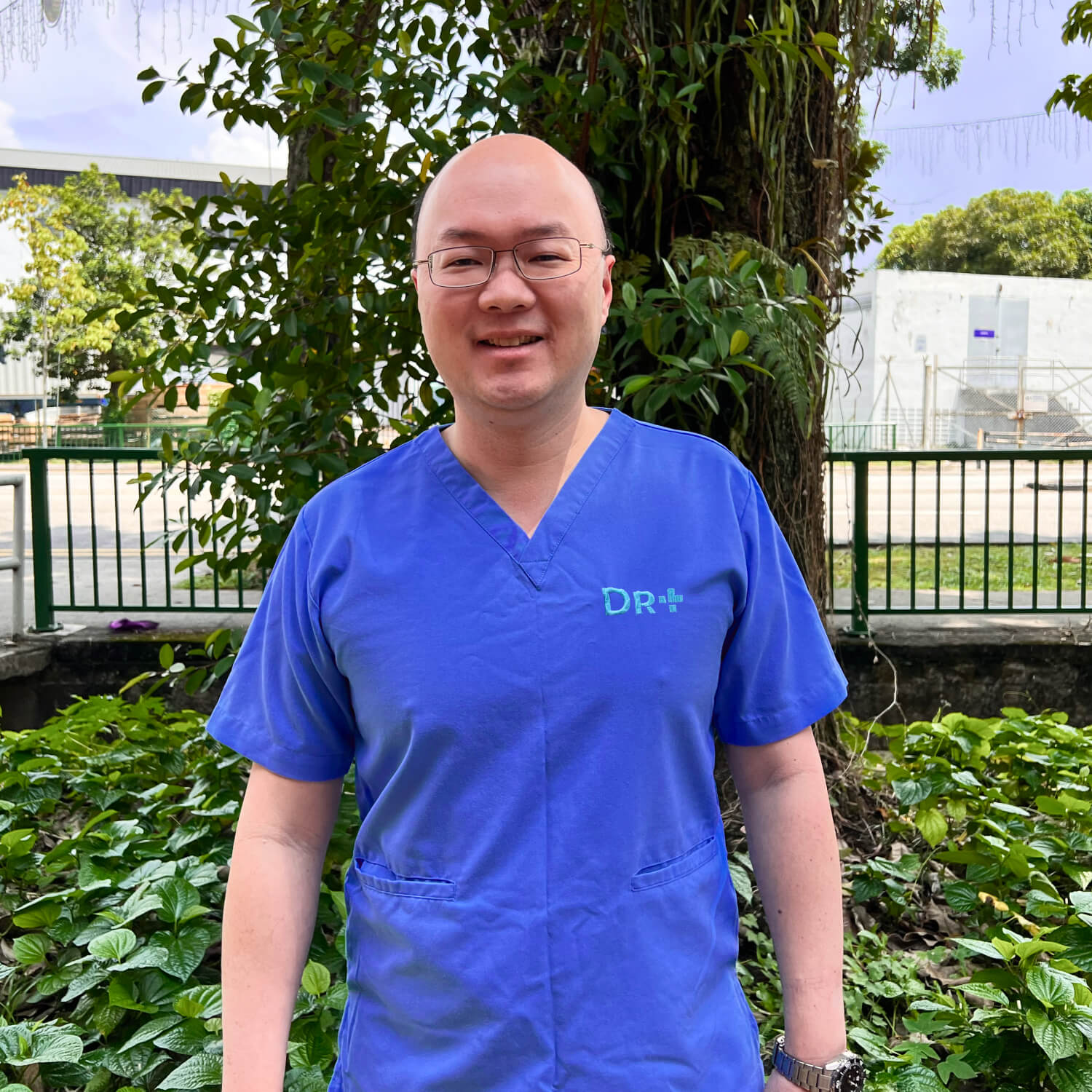
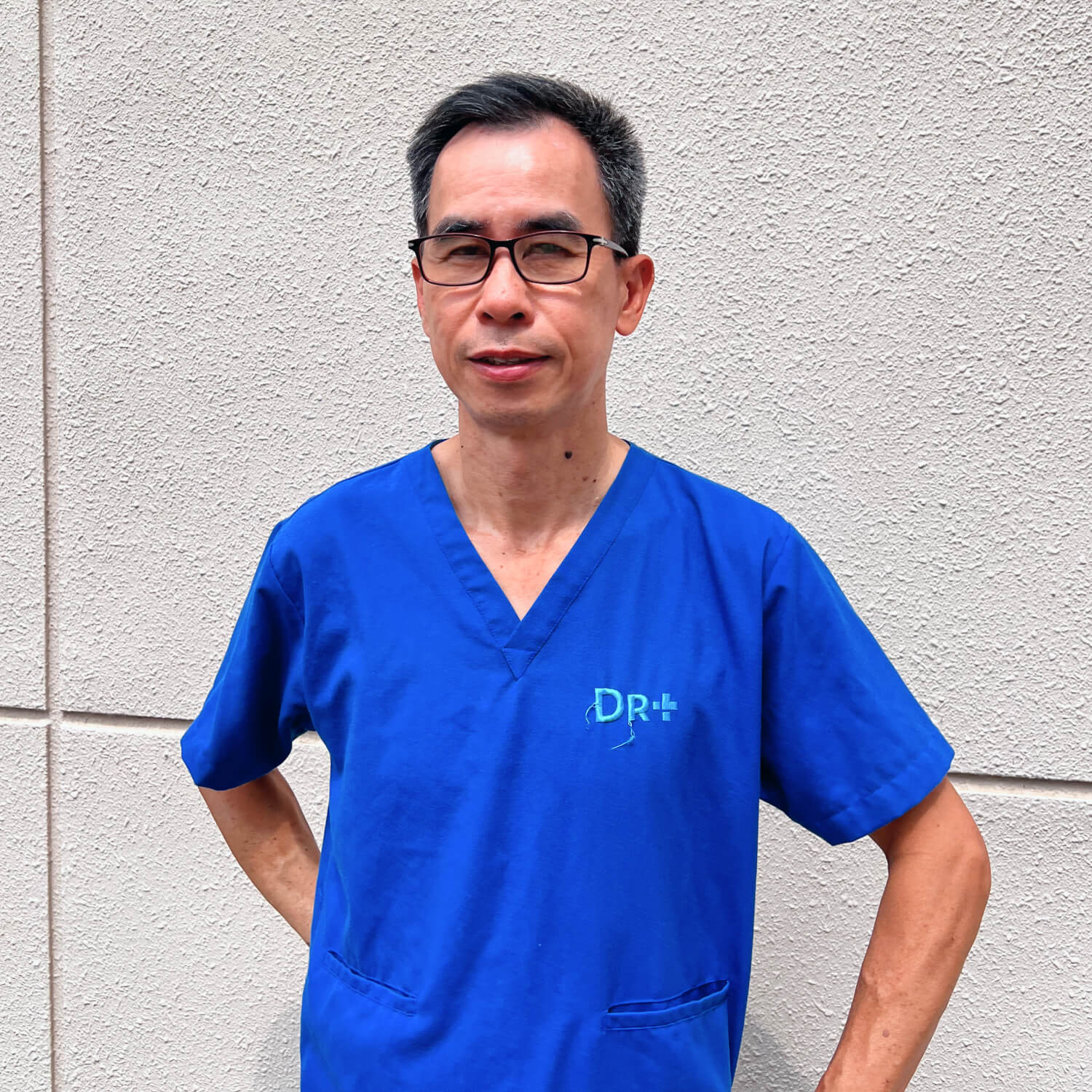
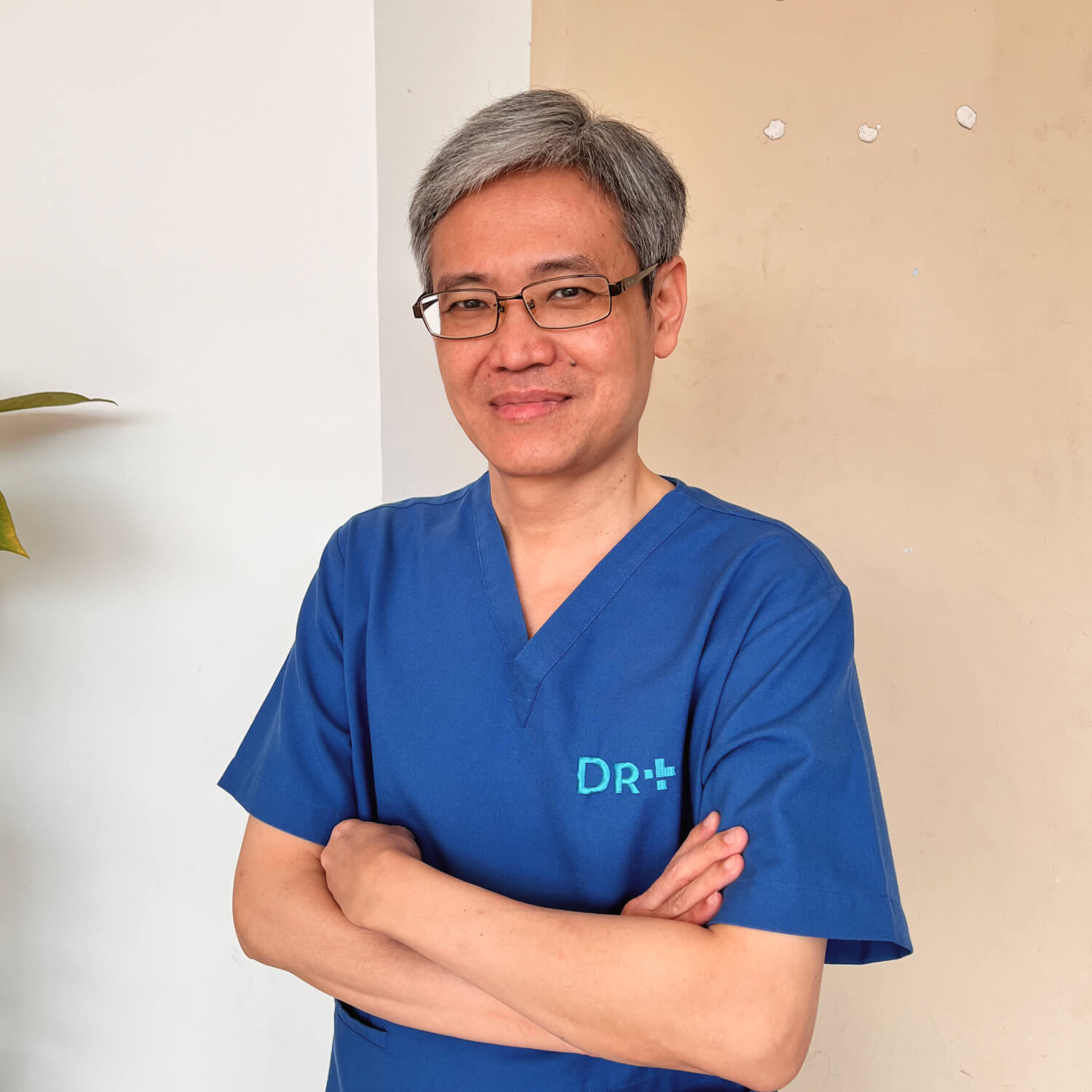
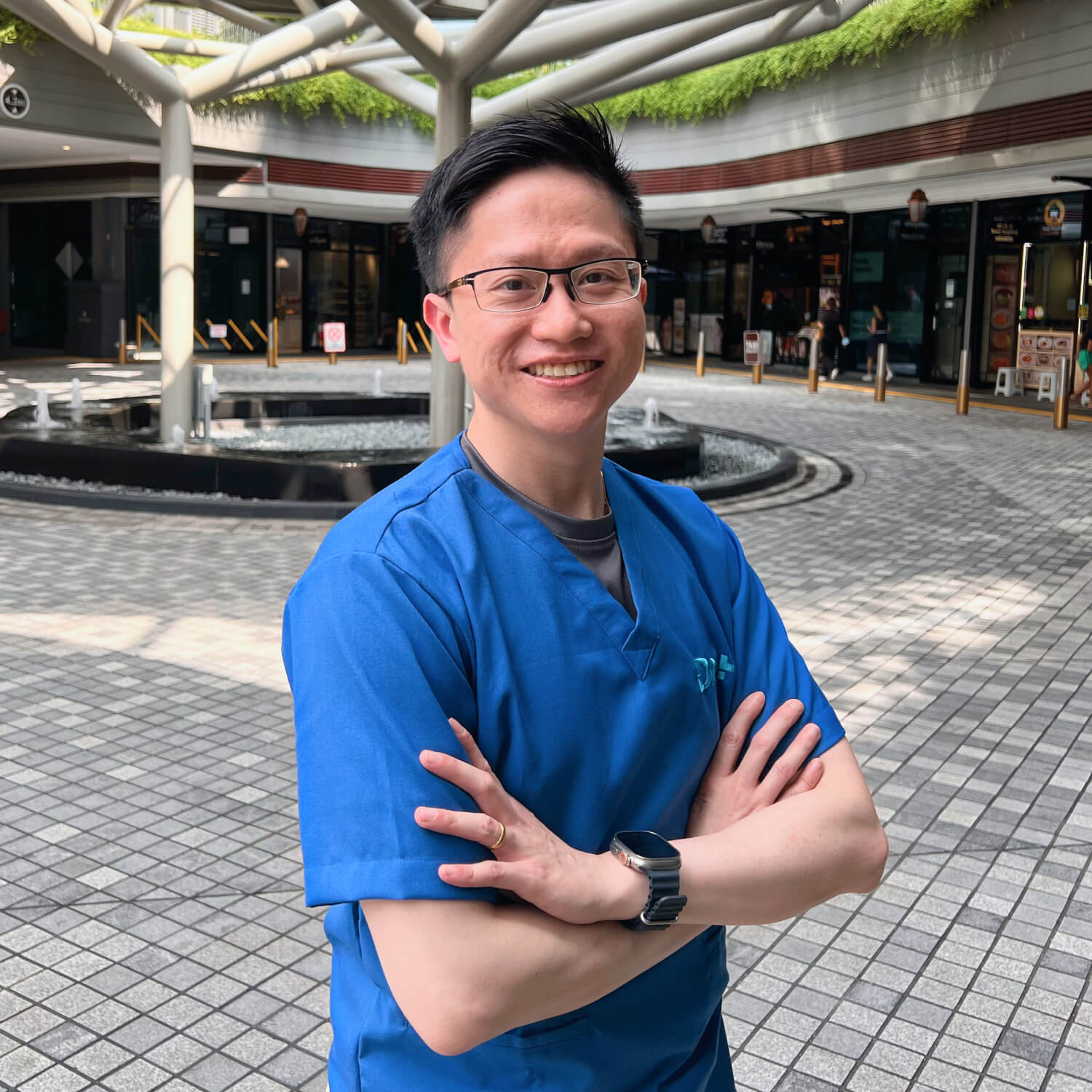
Our doctors are experienced in assessing elbow conditions such as tennis elbow (lateral epicondylitis) and golfer’s elbow (medial epicondylitis), as well as other musculoskeletal causes of elbow pain. Through a comprehensive clinical assessment, they help identify the underlying cause of pain, tenderness, and reduced function, and guide appropriate treatment or referral when necessary.
All DR+ doctors undergo additional training through the Singapore Paincare Academy, where they develop skills in performing specialised injections that may be used in selected cases of tennis or golfer’s elbow. These procedures aim to reduce inflammation, relieve pain, and support faster recovery and improved elbow function.


Struggling With Persistent Pain?
Consult one of our doctors today for a detailed consultation & personalised treatment plan.
Frequently Asked Questions (FAQ)
What is Golfer's / Tennis Elbow?
Golfer’s / Tennis Elbow is caused by overuse of the forearm muscles, leading to pain and tenderness around the elbow joint. Golfer’s Elbow affects the inner side, whereas Tennis Elbow affects the outer side of the elbow.
Cam a G{P Doctor treats Tennis / Golfer's Elbow?
Yes. A GP can assess and manage many cases of tennis or golfer’s elbow, particularly in the early stages. During the consultation, the doctor will evaluate symptoms such as elbow pain, tenderness, and reduced grip or arm function, and determine whether the condition is likely to be tennis or golfer’s elbow or another elbow or musculoskeletal problem.
Treatment may include pain-relieving medications, activity modification, physiotherapy guidance, or injection therapies where appropriate. If the condition is more complex or does not respond to initial management, the GP may refer the patient to a pain specialist, orthopaedic or sports medicine specialist.
Can Golfer's / Tennis Elbow affect both arms?
While it is more common for these conditions to affect one arm, they can indeed affect both arms, especially in individuals who engage in repetitive activities that strain both arms equally.
How is Golfer's / Tennis Elbow diagnosed?
Diagnosis typically involves a medical history review, a physical examination, and specific tests designed to elicit pain in the affected tendons. Imaging tests like X-rays or MRIs may be used to rule out other conditions.
What are the most effective treatments for Golfer’s / Tennis Elbow?
Treatment usually starts with rest, ice therapy, NSAIDs, and physical therapy. Braces or straps might be used for support. In instances of prolonged symptoms, alternatives like Coreflex or Platelet-rich Plasma (PRP) injections are considered. Surgery is considered when non-surgical treatments are ineffective.
How long does recovery from Golfer's / Tennis Elbow typically take?
Most patients recover with non-surgical treatment within several weeks to a few months. Surgical recovery may take longer, requiring extensive physical therapy.
Are there any exercises to prevent Golfer’s / Tennis Elbow?
Yes, exercises focusing on strengthening and stretching the forearm muscles can help prevent these conditions. Performing these exercises regularly can help, especially if engaging in high-risk activities.
When is surgery necessary for Golfer's / Tennis Elbow?
Surgery is considered when pain persists for 6-12 months despite non-surgical treatment, and it affects daily activities. The decision for surgery is based on a thorough evaluation by a healthcare provider.
Can Golfer's / Tennis Elbow recur after treatment?
Yes, there is a possibility of recurrence, especially if the individual returns to the activities that caused the condition without proper preventative measures or modifications.
Is it safe to continue sports or activities with Golfer’s / Tennis Elbow?
Continuing activities that exacerbate the condition is not recommended until pain and inflammation are adequately managed. Gradual reintroduction of activities, along with proper technique, supportive devices, and exercises, can help safely resume sports or other activities.
Is tennis elbow permanent?
Tennis elbow is usually not permanent. Most people recover with rest, stretching, and gradual strengthening over time. If pain persists or limits daily activity, a medical evaluation is important to assess the severity and plan appropriate treatment for lasting recovery. Our doctors at DR+ Medical & Paincare Clinics can advise on the most suitable minimally-invasive treatment options to support recovery and prevent recurrence.
How long does golfer’s elbow take to heal?
Most patients improve within 6–12 weeks, depending on the extent of injury and adherence to rest and exercise. In some cases, specialised injections or focused rehabilitation may be recommended to restore strength and prevent recurrence.
Our Clinics
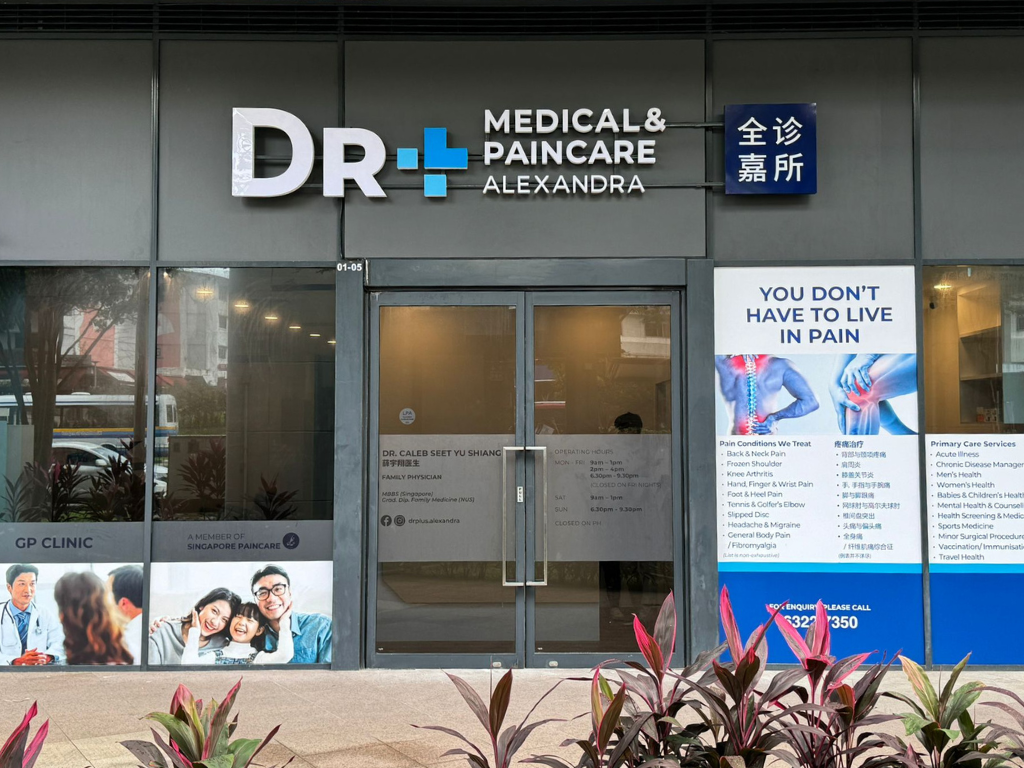
- Mon & Tue: 9am to 1pm, 2pm to 4pm, 6:30pm to 9:30pm
- Wed, Thu & Fri: 9am to 1pm, 2pm to 5pm
- Sat: 9am to 1pm
- Closed on Sun & PH
-
(Kindly note that clinic’s last registration is 15 minutes before closing time.)
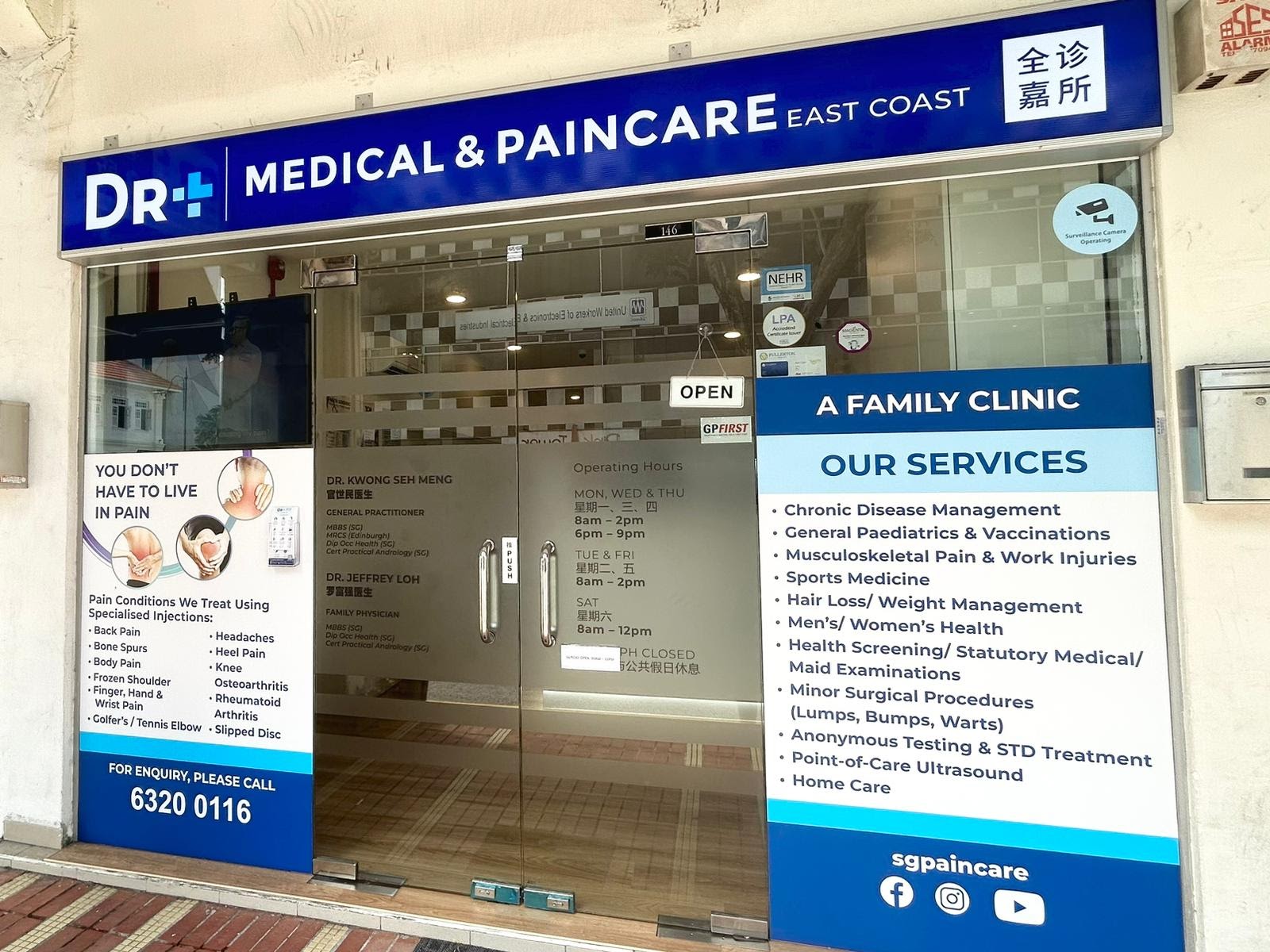
- Mon: 8:00am – 2:00pm, 6:00pm – 9:00pm
- Tue & Wed: 8:00am – 3:00pm
- Thu: 8:00am – 3:00pm, 6:00pm – 9:00pm
- Fri: 8:00am – 2:00pm
- Sat: 8:00am – 12:00pm
- Sun: 10:00am – 1:00pm
- PH: Closed

#01-54 The Midtown, Singapore 533971
- Mon & Tue: 8:00am – 12:30pm, 1:30pm – 5:00pm, 6:00pm – 9:00pm
- Wed: 8:00am – 12:30pm, 6:00pm – 9:00pm
- Thu: 8:00am – 12:30pm, 1:30pm – 5:00pm
- Fri: 8:00am – 12:30pm, 6:00pm – 9:00pm
- Sat: 8:00am – 12:00pm
- Sun & PH: Closed
(Kindly note that clinic’s last registration is 15 minutes before closing time.)
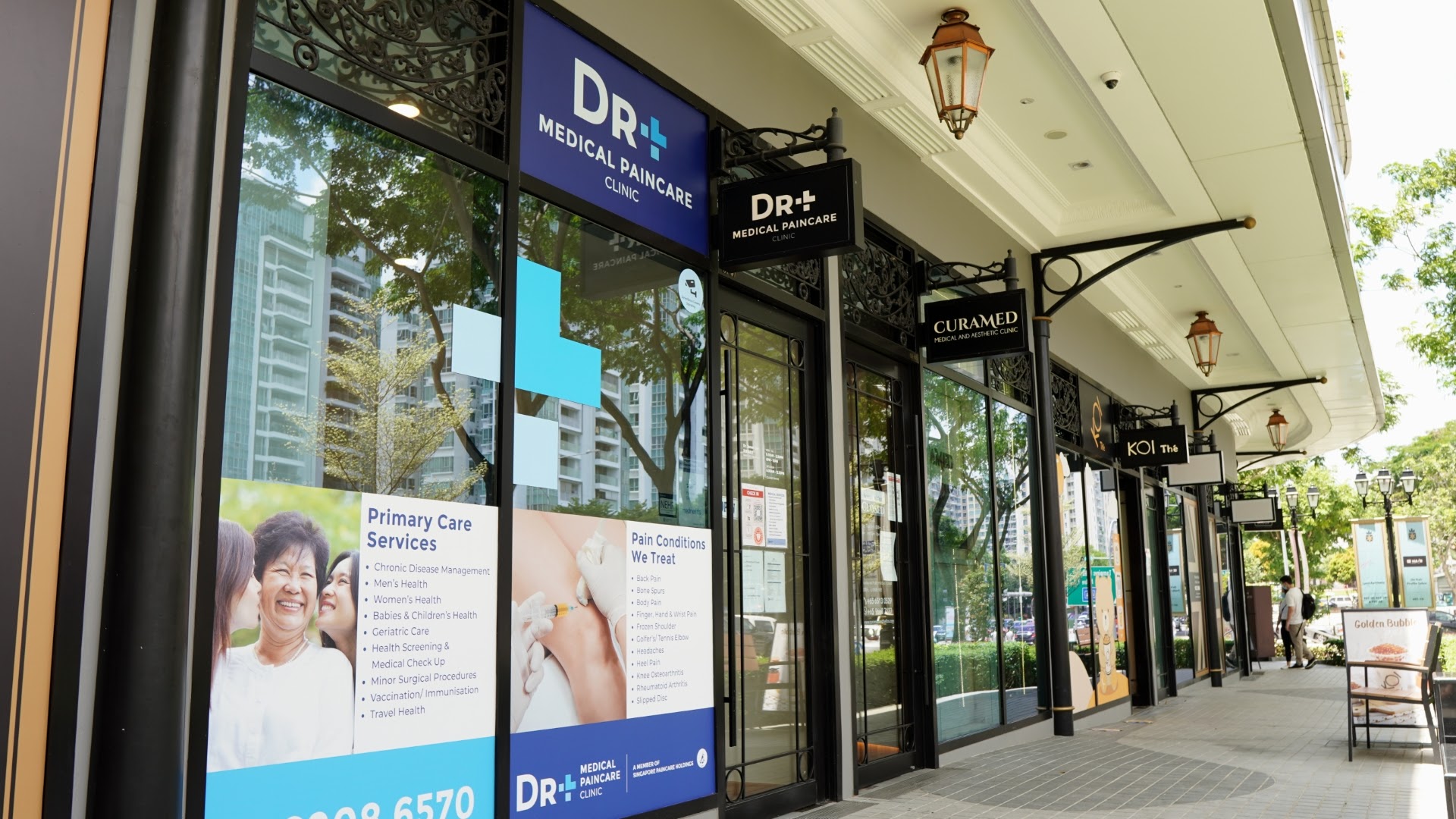
988 Upper Serangoon Rd, Singapore 534733
- Mon to Fri: 8:30am – 2:30pm, 6:00pm – 10:00pm
- Sat & Sun: 8:30am – 12:30pm
- PH: Closed
-
(Kindly note that clinic’s last registration is 15 minutes before closing time.)
Singapore 730018
- Mon: 8:00am – 9:00pm
- Tue – Fri: 8:00am – 4:30pm, 7:00pm – 9:00pm
- Sat: 8:00am – 12:30pm
- Sun & PH: Closed
-
Kindly note that clinic’s last registration is 15 minutes before closing time.
-
(Last registration timing – Mon: 8:45pm, Tue – Fri: 4:15pm & 8:45pm, Sat: 12:15pm)

Thomson Imperial Court, Singapore 574424
- Mon to Wed: 8:30am – 10:00pm
- Thu: 8:30am – 3:00pm, 6:00pm-9:30pm
- Fri: 8:30am – 6:00pm
- Sat & Sun: 9:00am – 3:00pm
- PH: Closed
-
(Kindly note that clinic’s last registration is 15 minutes before closing time.)

- Mon, Wed & Fri: 8:30am – 12:30pm, 1:30pm – 4:30pm, 6:00pm – 9:00pm
- Tue & Thu: 8:30am – 12:30pm, 1:30pm – 4:30pm
- Sat: 8:30am – 12:30pm
- Closed on Sun & PH
-
(Kindly note that clinic’s last registration is 15 minutes before closing time.)
Need Advice On Your Condition?
Please fill out the form and we will be in touch with you shortly.