
Frozen Shoulder

Overview
Frozen shoulder, medically known as adhesive capsulitis, is a condition that causes pain, stiffness and restricted movement in the shoulder joint.
It typically develops gradually and may significantly affect daily activities such as dressing, lifting the arm or sleeping comfortably.
At DR+, our GPs with specialised training in pain management provide a comprehensive knee assessment to determine the underlying cause and develop a personalised, non-surgical treatment plan.
What is Frozen Shoulder
Frozen shoulder occurs when the capsule surrounding the shoulder joint becomes inflamed, thickened and tight. This reduces the space within the joint and restricts movement.
The condition often develops slowly and may progress through several stages over months.
Frozen shoulder commonly affects adults aged 40–60 years and may be more common in individuals with diabetes or thyroid disorders.
What Causes Frozen Shoulder?
The shoulder is a ball-and-socket joint made up of three bones: the humerus (upper arm bone), the scapula (shoulder blade), and the clavicle (collarbone). The joint is encased in a capsule of connective tissue. In the frozen shoulder, this capsule thickens and tightens around the shoulder joint, restricting its movement.
The following causes may trigger a frozen shoulder condition:
Shoulder Injury: Trauma or injury at the shoulder due to heavy lifting, falling & landing on the shoulder or weight lifting may cause shoulder injuries. Excessive exercises may also strain the shoulder muscles.
Menopausal Syndrome: Fluctuation of estrogen hormones during perimenopause will cause stiffness and loss of suppleness in the muscles and ligaments. This can increase the chance of developing a frozen shoulder, without the need for any shoulder injuries.
Ageing: As one ages, muscles and ligaments tend to be less supple, weaker and less able to tolerate stress. Minor injuries can cause sprains and may progress to frozen shoulder condition.
What Are the Symptoms of Frozen Shoulder?
Symptoms of frozen shoulder often develop gradually and worsen over time. Common symptoms include:
Sharp, aching pain
The pain is usually a sharp aching pain, when moving the arm. There may also be pain experienced when trying to sleep on the affected shoulder.
Limitation in movement
As the condition progresses, there may be decreased motion of the shoulder joint. One may also experience difficulty with day-to-day activities, such as putting on clothes or brushing hair.
Struggling With Persistent Pain?
Consult one of our DR+ today for a detailed consultation & personalised treatment plan.
Risk Factors
- Age and gender predisposition: Most people who develop frozen shoulders are between the ages of 40 and 60. Women are more likely to develop it than men.
- Medical conditions associated with increased risk: Individuals with certain diseases such as diabetes, thyroid disorders, or heart disease are more at risk.
- Previous shoulder surgeries or injuries: Having had surgery or an injury that requires the arm to be immobilised can lead to a frozen shoulder.
Treatment Modalities
Pain Medication
This involves the use of medications such as Non-Steroidal Anti-Inflammatory Drugs (NSAIDs), opioids, and other specialised medications designed for pain management. The type and dosage are tailored to the individual’s condition and medical history.
Myospan
Minimally invasive treatments aim to effectively relieve common pain conditions by targeting pain sources.
- Coreflex Injections: Typically contain a corticosteroid and are used for inflamed joints or tissues.
- Platelet-Rich Plasma (PRP) injections: Utilise own platelets to promote healing in damaged tissues.
- Intra-Articular Injections: Most commonly used to treat osteoarthritis in the hip or knee, but they can also be given in other joints, including shoulders, wrists, ankles, hands, and fingers.
For chronic pain conditions originating from spinal issues, Neurospan can be performed by our team of pain specialists from Singapore Paincare Center.
When Should You See a Doctor for Frozen Shoulder?
Not all cases need immediate medical attention, but some situations do. See a DR+ doctor if your condition:
• Shoulder pain and stiffness starting or progressively worsening over weeks
• Inability to raise the arm above shoulder height
• Difficulty with daily tasks such as dressing, washing hair, or reaching behind the back
• Night pain from shoulder consistently waking you from sleep
• Shoulder stiffness developing after a period of immobilisation, injury, or surgery
• Shoulder pain in a person with diabetes, thyroid disease, or recent stroke
Our Doctors
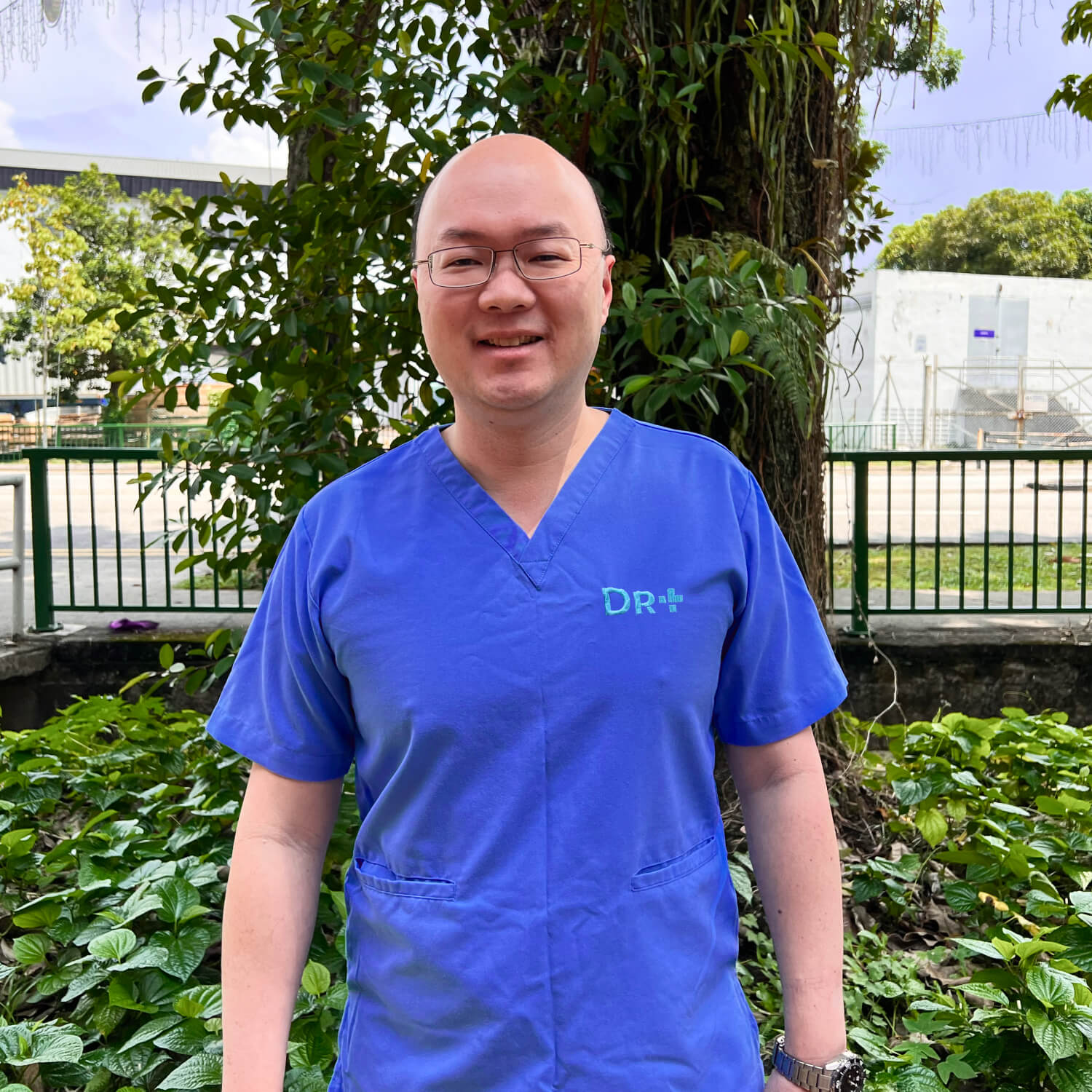
Our doctors are experienced in assessing shoulder conditions such as frozen shoulder (adhesive capsulitis) and other musculoskeletal causes of shoulder pain. Through a comprehensive clinical assessment, they help identify the underlying cause of shoulder stiffness, pain, and restricted movement, and guide appropriate treatment or referral when necessary.
All DR+ doctors undergo additional training through the Singapore Paincare Academy, where they develop skills in performing specialised injections that may be used in selected cases of frozen shoulder. These procedures aim to help reduce inflammation, relieve pain, and support improved shoulder mobility.










Recovery and Rehabilitation for Frozen Shoulder
Expected Recovery Timeline
Frozen shoulder typically progresses through three stages:
- Freezing Stage: This is the initial stage where pain gradually increases, and the range of motion starts to become limited. It can last anywhere from 6 weeks to 9 months.
- Frozen Stage: Pain might begin to diminish during this stage, but the shoulder becomes stiffer, and its functionality decreases. This stage can last from 4 to 6 months.
- Thawing Stage: The range of motion in the shoulder begins to improve during this stage. It can take anywhere from 6 months to 2 years for the shoulder to return to normal.
Importance of Physiotherapy
- Restore Range of Motion: Through guided exercises and stretches, physiotherapy can help increase flexibility and movement in the shoulder.
- Strengthen the Shoulder: Targeted exercises can help strengthen the muscles around the shoulder, providing better support and preventing future injuries.
- Reduce Pain: Techniques such as ultrasound therapy or electrical stimulation can be used by physiotherapists to manage and reduce pain.
Prevention of Frozen Shoulder
Regular Shoulder Exercises
Engaging in exercises that target the shoulder can help maintain its flexibility and strength. These exercises can range from simple stretches to more structured routines that work on the rotator cuff muscles and other parts of the shoulder.
Pendulum Stretch: Stand and lean slightly forward, allowing one arm to hang down. Swing the arm gently in small circles, gradually increasing the diameter of the circles. Repeat with the other arm.
Towel Stretch: Hold one end of a towel behind your back and grab the opposite end with your other hand. Pull the towel upward with the top hand, stretching the arm behind your back.
Cross-Body Reach: Use one hand to gently pull the opposite arm across the body, stretching the shoulder.
Manage Underlying Health Conditions
Certain medical conditions, such as diabetes or thyroid disorders, can increase the risk of frozen shoulder. Regular medical check-ups and proper management of these conditions can reduce the risk.
Blood Sugar Control: For diabetic individuals, maintaining blood sugar levels within the recommended range can help prevent various complications, including musculoskeletal issues like frozen shoulder.
Thyroid Monitoring: Regularly monitoring thyroid hormone levels and ensuring they are within the normal range can help in preventing associated musculoskeletal problems.
Our Clinics
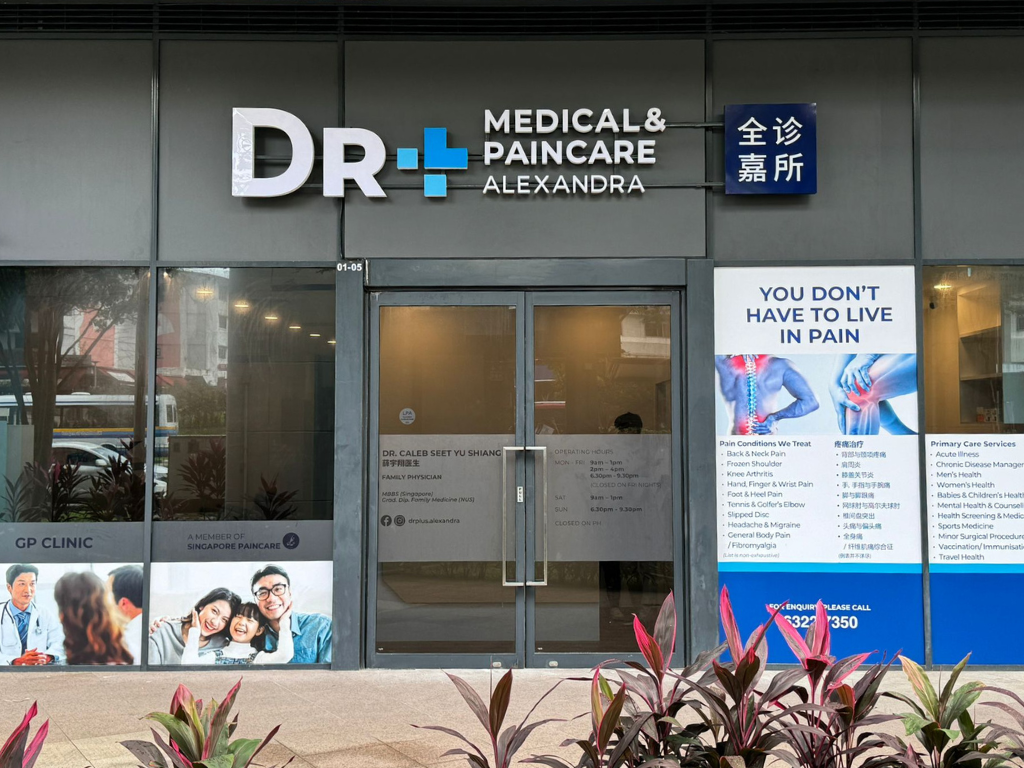
- Mon & Tue: 9am to 1pm, 2pm to 4pm, 6:30pm to 9:30pm
- Wed, Thu & Fri: 9am to 1pm, 2pm to 5pm
- Sat: 9am to 1pm
- Closed on Sun & PH
-
(Kindly note that clinic’s last registration is 15mins before closing time.)
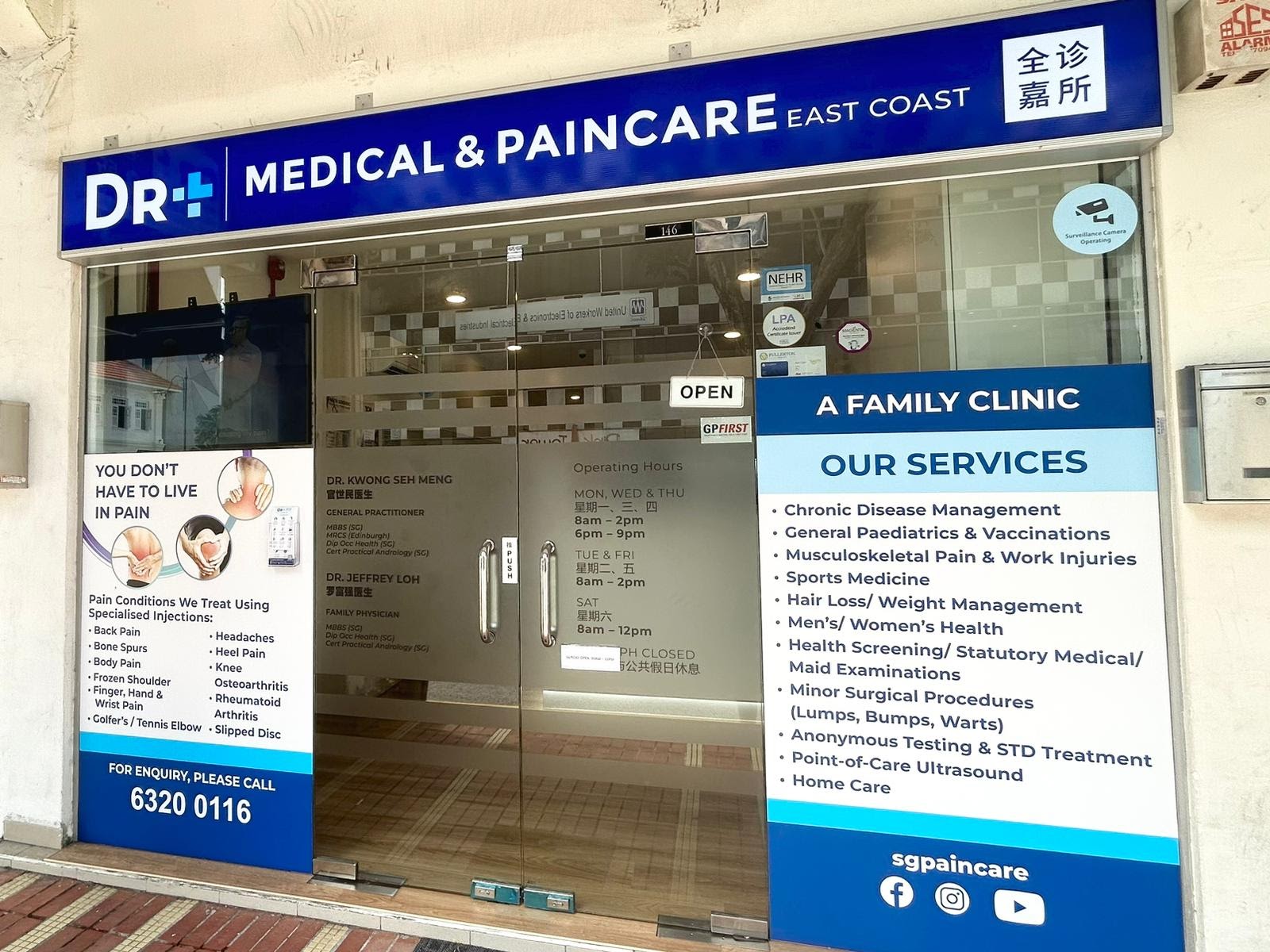
- Mon & Thu: 8:00am – 2:00pm, 6:00pm – 9:00pm
- Tue, Wed & Fri: 8:00am – 2:00pm
- Sat: 8:00am – 12:00pm
- Sun: 10:00am – 1:00pm
- PH: Closed

#01-54 The Midtown, Singapore 533971
- Mon & Tue: 8:00am – 12:30pm, 1:30pm – 5:00pm, 6:00pm – 9:00pm
- Wed: 8:00am – 12:30pm, 6:00pm – 9:00pm
- Thu: 8:00am – 12:30pm, 1:30pm – 5:00pm
- Fri: 8:00am – 12:30pm, 6:00pm – 9:00pm
- Sat: 8:00am – 12:00pm
- Sun & PH: Closed
(Kindly note that clinic’s last registration is 15mins before closing time.)

988 Upper Serangoon Rd, Singapore 534733
- Mon to Fri: 8:30am – 2:30pm, 6:00pm – 10:00pm
- Sat & Sun: 8:30am – 12:30pm
- PH: Closed
-
(Kindly note that clinic’s last registration is 15mins before closing time.)

Singapore 730018
- Mon: 8:00am – 9:00pm
- Tue – Fri: 8:00am – 4:30pm, 7:00pm – 9:00pm
- Sat: 8:00am – 12:30pm
- Sun & PH: Closed
-
Kindly note that clinic’s last registration is 15mins before closing time.
-
(Last registration timing – Mon: 8:45pm, Tue – Fri: 4:15pm & 8:45pm, Sat: 12:15pm)

Thomson Imperial Court, Singapore 574424
- Mon to Wed: 8:30am – 10:00pm
- Thu: 8:30am – 3:00pm, 6:00pm-9:30pm
- Fri: 8:30am – 6:00pm
- Sat & Sun: 9:00am – 3:00pm
- PH: Closed
-
(Kindly note that clinic’s last registration is 15mins before closing time.)

- Mon, Wed & Fri: 8:30am – 12:30pm, 1:30pm – 4:30pm, 6:00pm – 9:00pm
- Tue & Thu: 8:30am – 12:30pm, 1:30pm – 4:30pm
- Sat: 8:30am – 12:30pm
- Closed on Sun & PH
-
(Kindly note that clinic’s last registration is 15mins before closing time.)
Need Advice On Your Condition?
Please fill out the form and we will be in touch with you shortly.
Frequently Asked Questions
Can a GP doctor treat frozen shoulder?
Yes. A GP doctor can assess and manage many cases of frozen shoulder, especially in the early stages. During the consultation, the doctor will evaluate symptoms such as shoulder pain, stiffness and limited movement, and determine whether the condition is likely to be frozen shoulder or another shoulder problem.
Treatment may include pain management medications, physiotherapy advice, or injection therapies where appropriate. If more complex treatment is required, the GP doctor may also refer the patient to an orthopaedic specialist.
Are there any specific diets or foods that can help in the prevention or management of frozen shoulder?
While there’s no specific diet for frozen shoulder, a balanced diet rich in anti-inflammatory foods like omega-3 fatty acids, turmeric, and green leafy vegetables may help manage inflammation. It’s always advisable to consult with a healthcare professional for personalised advice.
How often should one perform shoulder exercises to prevent frozen shoulder, especially if they are at risk?
Regular shoulder exercises, performed 3-5 times a week, can help maintain flexibility and strength. However, the frequency might vary based on individual needs and risk factors.
Is it common for frozen shoulder to recur in the same shoulder or affect the opposite shoulder?
While it’s possible for frozen shoulder to recur or affect the opposite shoulder, it’s relatively rare. Maintaining shoulder mobility and strength through exercises can help reduce the risk of recurrence.
Can frozen shoulder be a side effect of certain medications or treatments?
Some medications, especially those that cause fluid retention or impact hormonal balance, might increase the risk of musculoskeletal issues. Speak to our doctors if you suspect a medication might be contributing to shoulder problems.