
Abdominal Pain

Overview
Abdominal pain is one of the most common reasons Singaporeans visit a GP. It can range from a short-lived stomach cramp to chronic pain linked to conditions such as irritable bowel syndrome, gastritis, or musculoskeletal causes. At DR+, our GPs with specialised training in pain management provide a comprehensive abdominal assessment to identify the underlying cause of your discomfort and develop a personalised, non-surgical treatment plan tailored to your condition.
What is Abdominal Pain?
Abdominal pain refers to discomfort or pain anywhere between the chest and the groyne. This region, known as the abdomen, houses organs such as the stomach, liver, intestines, gallbladder, pancreas, and kidneys.
Abdominal pain may be acute, arising suddenly and intensely, or chronic, persisting over a longer period of time. While some abdominal pain is benign and transient, stemming from non-serious issues such as indigestion or mild infections, other instances may be indicative of more serious conditions requiring medical attention.
What Are the Symptoms of Abdominal Pain?
Pain and cramps are the main symptoms of abdominal pain. This includes:
- Localised Pain: Confined to a specific area of the abdomen, usually indicating a problem in a particular organ such as the appendix or gallbladder.
- Cramping: Often not serious and can be due to gas, bloating, or menstrual pain, but if persistent, it might indicate something severe.
- Generalised Pain: Spread across a larger area, typically associated with viral infections, indigestion, or gas. If it becomes more intense, it could signify a blockage or an organ dysfunction.
- Severe Pain: Sudden and intense pain could be a sign of a serious issue, such as a perforated organ or appendicitis.
Additional symptoms can include nausea, vomiting, fever, bloating, gas, diarrhoea, or constipation.
In serious cases, the location of the pain can potentially indicate which condition you have.
- Right Upper Quadrant: This is usually caused by liver or gallbladder diseases. Conditions include gallstones, gallbladder inflammation, bile duct cancer, liver cancer, hepatitis, kidney infection, kidney stones, or duodenal ulcer.
- Left Upper Quadrant: This pain comes from the stomach, pancreas, and spleen. This could indicate gastritis, bile reflux, pancreatitis, kidney stone, kidney infection, stomach ulcer, splenomegaly, stomach cancer, or pancreatic cancer.
- Right Lower Quadrant: Pain may come from an infection in the appendix. This includes inflammation (appendicitis) or appendix cancer.
- Left Lower Quadrant: This is likely caused by diverticulosis or diverticulitis.
What Causes Abdominal Pain?
Common causes of abdominal pain include:
- Digestive Issues: Conditions such as gastroenteritis, indigestion, irritable bowel syndrome (IBS), and inflammatory bowel diseases like Crohn’s disease or ulcerative colitis.
- Inflammation: Urinary tract infection (UTI), viral gastroenteritis, chronic acid reflux (GERD), or peptic ulcer disease.
- Infections: Bacterial, viral, or parasitic infections affecting the stomach and intestines.
- Chronic Conditions: Diseases like diabetes, reflux, or ulcers.
- Obstructions: Such as kidney stones or gallstones can cause severe pain.
- Gynaecological Disorders: In women, menstrual cramps, endometriosis, or ectopic pregnancy.
- Food-related Issues: Food poisoning or food allergies.
Struggling With Persistent Pain?
Consult one of our DR+ today for a detailed consultation & personalised treatment plan.
What Are the Treatment Options for Abdominal Pain?
Pain Medication (Pharmacotherapy)
This involves the use of medications such as Non-Steroidal Anti-Inflammatory Drugs (NSAIDs), opioids, and other specialised medications designed for pain management. The type and dosage are tailored to the individual’s condition and medical history.
Myospan
Minimally invasive treatments aim to effectively relieve common pain conditions by targeting pain sources.
- Coreflex Injections: Typically contain a corticosteroid and are used for inflamed joints or tissues.
- Platelet-Rich Plasma (PRP) injections: Utilise own platelets to promote healing in damaged tissues.
- Intra-Articular Injections: Most commonly used to treat osteoarthritis in the hip or knee, but they can also be given in other joints, including shoulders, wrists, ankles, hands, and fingers.
For chronic pain conditions originating from spinal issues, Neurospan can be performed by our team of pain specialists from Singapore Paincare Center.
When Should You See a Doctor for Abdominal Pain?
Not all cases need immediate medical attention, but some situations do. See a DR+ doctor if your condition:
-
• Abdominal pain persisting for more than 2 weeks without a clear cause
• Recurring episodes of pain affecting your daily routine or sleep
• Unintentional weight loss alongside abdominal discomfort
• Abdominal pain accompanied by change in bowel habits lasting more than 3 weeks
• Pain that is progressively worsening rather than improving
• New abdominal pain in anyone over 50 years old
Our Doctors
Our doctors are experienced in assessing abdominal conditions, including common causes such as gastritis, acid reflux, muscle strain, and other sources of abdominal pain. Through a comprehensive clinical assessment, they help identify the underlying cause of discomfort, whether it is sharp, cramping, or persistent, and guide appropriate treatment or referral when necessary.
All DR+ doctors undergo additional training through the Singapore Paincare Academy, where they develop skills in performing targeted treatments that may be used in selected cases of abdominal pain. These approaches aim to help reduce inflammation, relieve pain, and support improved function and overall comfort.











Prevention Strategies
Abdominal pain cannot be fully prevented, but several factors can reduce the likelihood of developing the condition.
Balanced Diet
Consuming a variety of foods rich in fibre, vitamins, and minerals and avoiding excessive intake of fatty, spicy, or highly processed foods.
Regular Exercise
Engaging in regular physical activity to maintain a healthy digestive system and overall health.
Hydration
Drinking adequate water to facilitate digestion and avoid constipation.
Moderate Alcohol and Caffeine
Limiting the consumption of alcohol and caffeine, which can irritate the digestive system.
Stress Management
Implementing stress-reduction techniques such as meditation, yoga, or deep breathing exercises.
Avoid Smoking
Smoking can lead to digestive problems, so should be avoided.
Frequently Asked Questions
When should I see a doctor?
Seek immediate medical attention if you experience severe pain, pain lasting more than a few days, or pain accompanied by symptoms like fever, persistent nausea or vomiting, yellowing of the skin, or unexplained weight loss.
Can stress cause abdominal pain?
Yes, stress can trigger or worsen abdominal pain, particularly in conditions like irritable bowel syndrome (IBS).
Are there any home remedies for mild abdominal pain?
Mild abdominal pain can often be relieved with rest, heat application (like a warm bath or a heating pad), hydration, and over-the-counter pain relief medications. Consult with us if symptoms persist.
Is abdominal pain a sign of a serious condition?
Abdominal pain can sometimes be a symptom of a serious underlying condition, necessitating medical evaluation. While occasional mild discomfort may be harmless, persistent or severe abdominal pain could indicate more significant issues such as appendicitis, gallstones, or intestinal obstruction.
If you experience abdominal pain accompanied by other concerning symptoms like fever, vomiting, difficulty breathing, or blood in the stool, it’s important to seek prompt medical attention.
Can changes in diet help prevent abdominal pain?
Yes, dietary changes can prevent certain types of abdominal pain, especially those related to digestive issues. A balanced diet high in fibre and low in fatty and spicy foods is beneficial.
Our Clinics
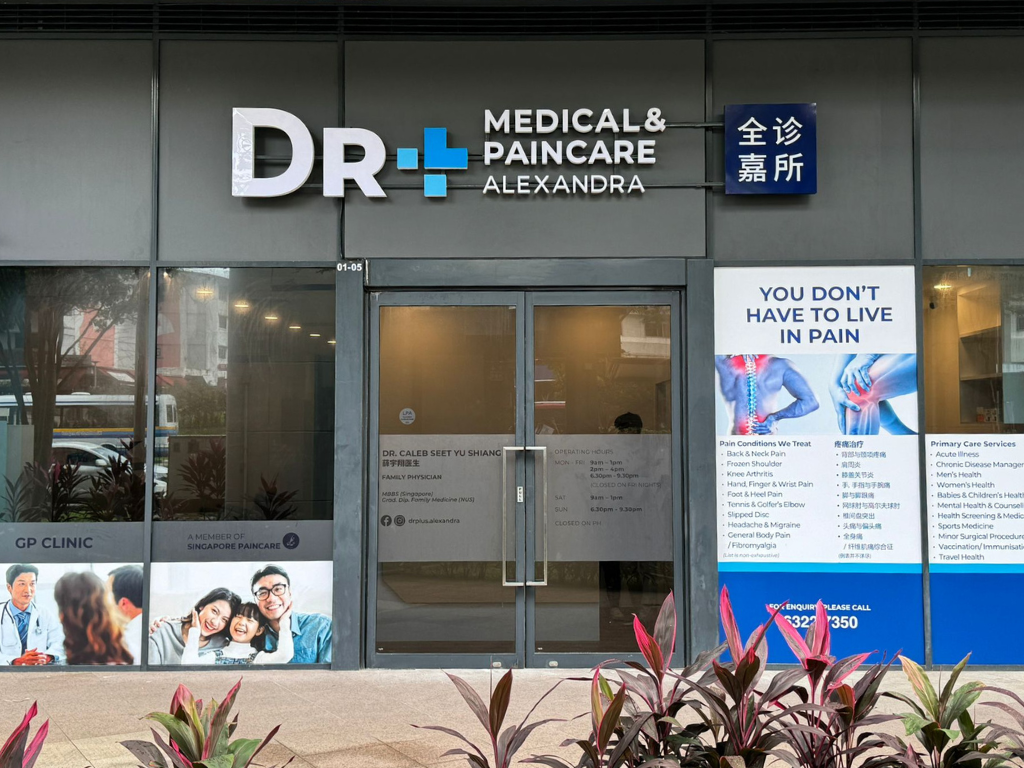
- Mon & Tue: 9am to 1pm, 2pm to 4pm, 6:30pm to 9:30pm
- Wed, Thu & Fri: 9am to 1pm, 2pm to 5pm
- Sat: 9am to 1pm
- Closed on Sun & PH
-
(Kindly note that clinic’s last registration is 15 minutes before closing time.)
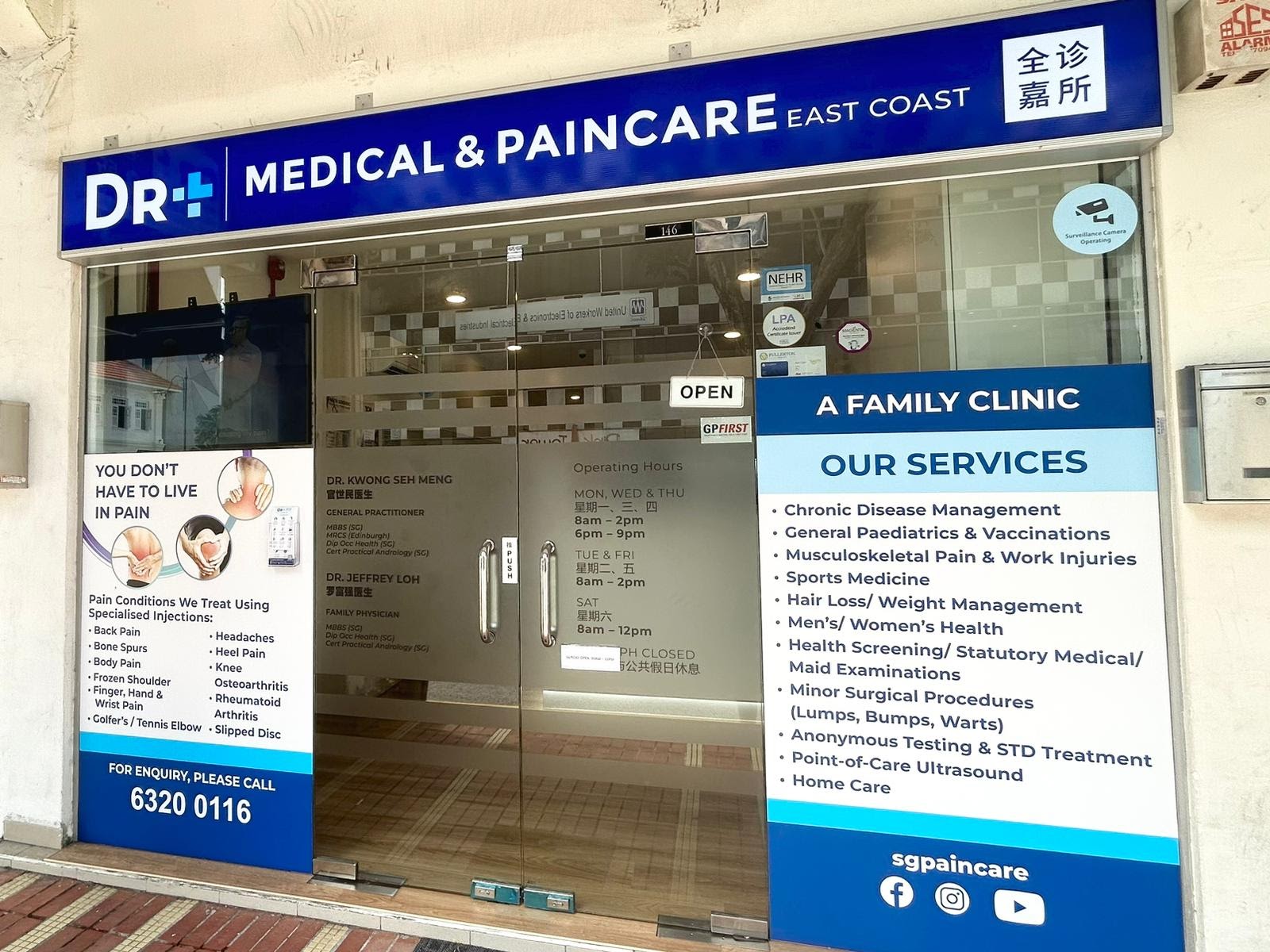
- Mon: 8:00am – 2:00pm, 6:00pm – 9:00pm
- Tue & Wed: 8:00am – 3:00pm
- Thu: 8:00am – 3:00pm, 6:00pm – 9:00pm
- Fri: 8:00am – 2:00pm
- Sat: 8:00am – 12:00pm
- Sun: 10:00am – 1:00pm
- PH: Closed

#01-54 The Midtown, Singapore 533971
- Mon & Tue: 8:00am – 12:30pm, 1:30pm – 5:00pm, 6:00pm – 9:00pm
- Wed: 8:00am – 12:30pm, 6:00pm – 9:00pm
- Thu: 8:00am – 12:30pm, 1:30pm – 5:00pm
- Fri: 8:00am – 12:30pm, 6:00pm – 9:00pm
- Sat: 8:00am – 12:00pm
- Sun & PH: Closed
(Kindly note that clinic’s last registration is 15 minutes before closing time.)

988 Upper Serangoon Rd, Singapore 534733
- Mon to Fri: 8:30am – 2:30pm, 6:00pm – 10:00pm
- Sat & Sun: 8:30am – 12:30pm
- PH: Closed
-
(Kindly note that clinic’s last registration is 15 minutes before closing time.)

Singapore 730018
- Mon: 8:00am – 9:00pm
- Tue – Fri: 8:00am – 4:30pm, 7:00pm – 9:00pm
- Sat: 8:00am – 12:30pm
- Sun & PH: Closed
-
Kindly note that clinic’s last registration is 15 minutes before closing time.
-
(Last registration timing – Mon: 8:45pm, Tue – Fri: 4:15pm & 8:45pm, Sat: 12:15pm)

Thomson Imperial Court, Singapore 574424
- Mon to Wed: 8:30am – 10:00pm
- Thu: 8:30am – 3:00pm, 6:00pm-9:30pm
- Fri: 8:30am – 6:00pm
- Sat & Sun: 9:00am – 3:00pm
- PH: Closed
-
(Kindly note that clinic’s last registration is 15 minutes before closing time.)

- Mon, Wed & Fri: 8:30am – 12:30pm, 1:30pm – 4:30pm, 6:00pm – 9:00pm
- Tue & Thu: 8:30am – 12:30pm, 1:30pm – 4:30pm
- Sat: 8:30am – 12:30pm
- Closed on Sun & PH
-
(Kindly note that clinic’s last registration is 15 minutes before closing time.)
Need Advice On Your Condition?
Please fill out the form and we will be in touch with you shortly