CONTENTS
Quick Answer:
Blood clot therapy for diabetic wounds, also called autologous blood clot therapy, is a treatment that uses a small amount of your own blood to help a slow-healing wound. We turn the blood into a clot in the clinic and place it over the wound, where it acts as a natural covering filled with the cells and proteins your body uses to heal. It is used together with your usual wound care, for long-lasting wounds that are not infected and have good blood flow.
If you have been caring for a diabetic wound for weeks and it still has not closed, you may be feeling tired and worried. You are not alone, and there are still options to explore. One of them is blood clot therapy.
What makes blood clot therapy different is that it uses your own blood. We take a small amount, turn it into a clot, and place it over the wound to help restart healing. Nothing from a donor or animal is used, and everything is done in the clinic, so there is no hospital stay.
In this article, we explain what blood clot therapy is, how it helps, who it may suit, what happens during a visit and how to look after your wound in between.
What Is Blood Clot Therapy?
Blood clot therapy is a wound treatment made from your own blood. You may also hear it called autologous blood clot therapy. “Autologous” simply means it comes from your own body.
It starts with a small blood sample from your arm, much like a routine blood test. We mix the blood with a clotting agent in a single-use kit, and within minutes it forms a soft clot. Our doctor then shapes the clot to fit your wound, places it over the wound and covers it with a dressing.
Because the clot is made from your whole blood, it contains red and white blood cells, platelets, plasma and fibrin. Fibrin is a natural protein that forms a fine mesh and holds the clot together. The platelets and white blood cells carry the proteins your body normally sends out when it starts to heal. A fresh clot is made for you at every visit.
Blood clot therapy has been studied in clinical trials, including a randomised controlled trial in people with long-lasting diabetic foot ulcers.
Why Is Blood Clot Therapy Used for Diabetic Wounds?
When you get a cut, your body heals it in four stages. First a clot forms, then the area becomes inflamed as your body clears germs, then new tissue grows, and finally the new skin becomes stronger. Diabetes can get in the way of this. Nerve damage, poor blood flow and high blood sugar can leave a wound stuck at the inflamed stage, so it stops getting better.
This is something many families in Singapore face. About 9.1% of Singapore residents aged 18 to 74 have diabetes, according to the Ministry of Health’s National Population Health Survey 2024.
Blood clot therapy aims to give a stuck wound a fresh start. Instead of adding something new to the wound, it brings back your body’s own first step of healing, which can help the wound move forward again.
How Does Blood Clot Therapy Help a Wound Heal?
Think of the clot as a natural, protective cover for your wound. Its fine mesh gives new cells something to hold on to as they grow. Over the next few days, the cells inside the clot release proteins that help your body repair the wound.
Blood clot therapy does not replace good wound care. It works together with it. Keeping the wound clean, removing dead tissue, treating any infection, resting the foot and keeping your blood sugar under control all still matter. Everyone heals differently, and how well a wound responds depends on its size and depth, your blood flow, your blood sugar and your general health.
Benefits of Blood Clot Therapy
Uses your own blood. Nothing from a donor or animal is used. A fresh clot is made from a small blood sample at every visit.
Performed in the clinic. The clot is made and placed during the same visit, so you can go home the same day.
Minimal discomfort. Most people feel only a small needle prick when we take the blood sample.
Tailored to your wound. We shape each clot to match the size and shape of your wound.
Complements your wound care plan. It works alongside the wound cleaning, footwear advice, infection care and blood sugar support you already receive.
Who May Be Suitable for Blood Clot Therapy?
Blood clot therapy is used for long-lasting skin wounds that are slow to heal and produce some fluid. These include diabetic foot ulcers, pressure sores and leg ulcers. It can also be used on wounds that have just been cleaned of dead tissue.
For diabetic foot ulcers, it is usually considered when the wound is not infected and has good blood flow, especially if it has been slow to improve with regular wound care.
Before we start, our doctor will check your wound, the blood flow to your foot and your blood sugar control. If everything looks suitable, the first treatment can sometimes be done on the same day.
When Blood Clot Therapy Is Not Suitable
Blood clot therapy is not used on wounds caused by cancer. It is also not used on infected wounds, because the infection needs to be treated first.
The treatment needs good blood flow to the wound to work. If your foot has very poor circulation, we will usually check and treat your blood flow first. Wounds with gangrene or a deep bone infection need hospital care. And for a small, new wound, good everyday wound care may be all you need.
Please go to the nearest Emergency Department the same day if your foot wound has any of these signs:
- Fever or chills
- Redness or swelling that is spreading quickly
- Black or grey skin around the wound
- Pus or a bad-smelling discharge
- A foot that is suddenly cold, pale and painful
What Happens Before Treatment?
At your first visit, we will take time to understand your wound. Our doctor will ask how it started, how it has changed and what you have tried so far. We will also talk about your diabetes, your medicines and your blood sugar.
Our doctor will then look at the wound closely, measure it and check for signs of infection. We will also check the feeling in your foot and how well blood is reaching it, usually by feeling the pulses in your foot or using a small handheld device. If needed, we may suggest a wound swab, blood tests or an X-ray.
After this, we will explain whether blood clot therapy is right for you now. If something else needs attention first, or another treatment would suit your wound better, we will talk you through that too.
What Happens During a Blood Clot Therapy Session?
A session usually takes about 30 to 45 minutes. First, our doctor gently cleans the wound and removes any dead tissue, so the clot can rest on healthy skin. Next, we take a small amount of blood from your arm, up to about 20 ml. We mix it with a clotting agent in a single-use kit and wait a few minutes for the clot to form.
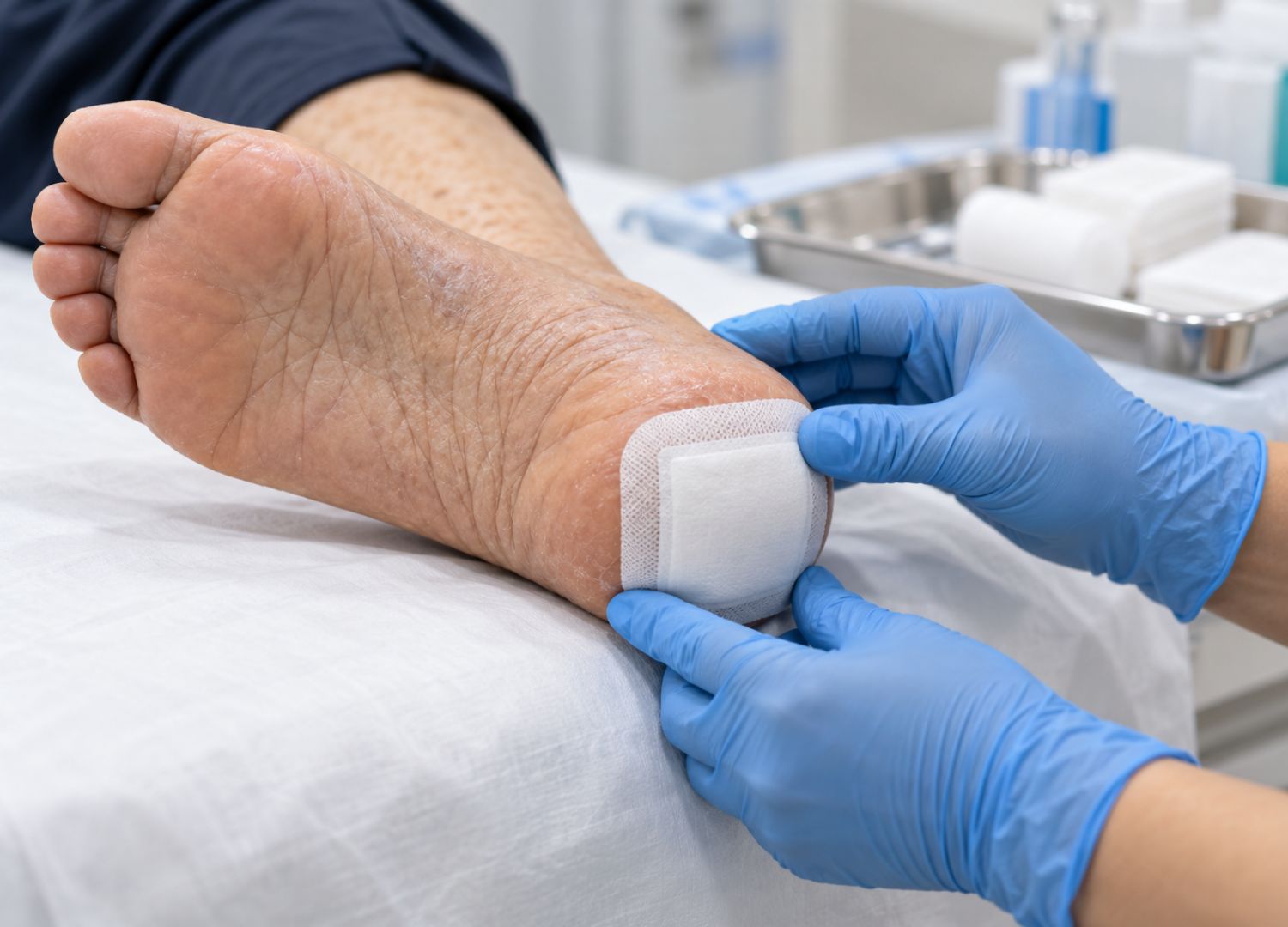
Our doctor then shapes the clot to fit your wound, places it over the wound and covers it with a dressing. You can go home the same day. The clot usually stays on for about a week. You then come back so we can check your wound and, if suitable, apply a fresh clot.
How Many Sessions Will I Need?
Blood clot therapy is usually done once a week. There is no set number of sessions, because every wound is different. It depends on the size and depth of the wound, how it responds, your blood flow, any infection and your blood sugar. We measure your wound at every visit and review the plan together with you.
Is Blood Clot Therapy Safe?
Because blood clot therapy uses your own blood, nothing from a donor or animal is involved. As with any wound treatment, there is a small chance of irritation or infection, so we check your wound carefully at every visit.
If your wound becomes more painful in the days after treatment, please let us know. Our doctor may need to remove the clot and take a closer look. Some parts of the treatment kit are sterilised with a gas called ethylene oxide, which can cause an allergic reaction in a small number of people. Do tell us if you have reacted to sterilised medical products before. You may also notice a small bruise where the blood was taken.
Caring for Your Wound Between Sessions
Keep the dressing clean and dry, and leave it in place unless we tell you otherwise. Try to rest your foot as much as you can, and wear the shoe or boot we recommend, even for short walks to the market or around the block. Avoid going barefoot, even at home.
Keep taking your diabetes medicines as prescribed and check your blood sugar regularly. Eating balanced meals with enough protein, such as fish, eggs, tofu or lean meat, helps your body repair the wound. If you smoke, stopping helps more blood reach your feet. Contact us early if your wound becomes more painful, redder, starts to smell or begins to leak. These tips support your treatment but are not a substitute for a proper check by a doctor.
Where Blood Clot Therapy Fits in Your Wound Care Plan
Blood clot therapy is one part of your overall care, not a treatment on its own. At DR+, diabetic wound care starts with a plan made for you. This may include cleaning the wound, removing dead tissue, choosing the right dressing, treating infection, advice on resting your foot and help with your blood sugar.
When your wound needs more support, blood clot therapy can be added. At the same time, ongoing chronic disease management helps keep your blood sugar, medicines and diet on track while you heal. If we see signs of poor circulation, deep infection or gangrene, we will refer you promptly to a hospital or vascular team.
A Doctor’s Perspective
Patients often ask us if blood clot therapy is just a stronger dressing. We find it more helpful to think of it as giving a stuck wound a fresh start. Many long-lasting diabetic wounds have been stuck at the inflamed stage for weeks. A new clot on a clean wound brings it back to the point where healing normally begins.
The patients who tend to do best are those whose wound is well prepared and whose other health issues are under control. For example, an ulcer under the ball of the foot is usually caused by pressure. If the patient keeps walking on it, it will struggle to heal with any treatment, so resting the foot matters just as much as the clot. A wound on the toes of a cool foot with weak pulses is different. It usually points to poor blood flow, so we check and treat the circulation first, because the clot needs blood reaching the wound to work.
Our advice is simple. Blood clot therapy works best as part of a complete plan, and the earlier a slow-healing wound is checked, the more options you have.
Conclusion
Living with a wound that will not heal can be frustrating and worrying, especially after weeks of dressings. Blood clot therapy offers another way forward. It uses a little of your own blood to help restart healing, and it is done in the clinic, so you can go home the same day.
It is not right for every wound, and it works best alongside good wound care. That is why we always start by checking your wound, your blood flow and any infection. If you would like to find out whether blood clot therapy could help your wound, our doctors are here to help. No referral is needed. Book a consultation with our DR+ team to find out more.
Frequently Asked Questions
What is blood clot therapy for diabetic wounds?
Blood clot therapy, also called autologous blood clot therapy, is a wound treatment that uses a small amount of your own blood. The blood is turned into a clot, which is placed over the wound as a natural, protective cover. The clot contains blood cells, platelets, plasma and fibrin that support healing. It is used together with wound cleaning, dressings, resting the foot and blood sugar control for long-lasting wounds that are slow to heal.
Is blood clot therapy painful?
Most people feel only a small needle prick when blood is taken from the arm, much like a routine blood test. Placing the clot on the wound is usually not painful. Cleaning the wound beforehand may feel a little uncomfortable, and the doctor can use local numbing if needed. A session usually takes about 30 to 45 minutes, and you can go home the same day.
How many sessions of blood clot therapy are needed?
Blood clot therapy is usually done once a week, and the clot stays on the wound for about a week between visits. There is no set number of sessions, because every wound is different. It depends on how the wound responds, its size and depth, your blood flow, any infection and your blood sugar. The doctor checks your wound at every visit and reviews the plan with you.
Is blood clot therapy suitable for everyone?
Not every wound is suitable for blood clot therapy. If your wound is infected or caused by cancer, it may not be the right option. An infection needs to be treated first. The treatment also needs blood to reach the wound, so if your foot has very poor circulation, we will check and treat the blood flow first. Wounds with gangrene or a deep bone infection need hospital care. Our doctor will always check your wound before suggesting any treatment.
Can blood clot therapy be done at a GP clinic in Singapore?
Yes, in suitable cases. Blood clot therapy is done as an outpatient treatment, so it can take place at a GP clinic with no hospital stay. At DR+, a doctor first checks your wound, blood flow and any infection to decide if it is right for you. The first treatment can sometimes be done on the same day. No referral is needed to see a DR+ doctor.
About DR+ Medical & Paincare
DR+ Medical & Paincare is a network of family medicine and pain care clinics in Singapore, part of Singapore Paincare Holdings. DR+ clinics provide GP services, chronic disease management, health screening and pain care, with doctors trained in the Painostic® approach.
Medical Disclaimer
This article is intended for general informational purposes only and does not constitute medical advice. Please consult a qualified healthcare