CONTENTS
Quick Answer:
For most Singaporeans, the current risk is low. There are no direct flights from the affected regions to Singapore, and Singapore’s Communicable Diseases Agency (CDA) has enhanced border surveillance as a precaution. However, if you have recently travelled to the Democratic Republic of the Congo (DRC), Uganda, or surrounding regions and develop symptoms such as fever, muscle pain, or vomiting, seek medical attention promptly and inform your doctor of your travel history.
You may have seen the headlines. A new Ebola outbreak has emerged in Central Africa, and the World Health Organisation (WHO) has declared it a Public Health Emergency of International Concern. For many of us, words like “Ebola” can feel alarming — understandably so.
This article is here to give you accurate, clear information: what this outbreak is, how it spreads, what Singapore is doing about it, and what you should watch out for if you have recently travelled to affected regions.
What Is the 2026 Ebola Outbreak?
On 15 May 2026, the Ministry of Health of the Democratic Republic of the Congo (DRC) confirmed a new outbreak of Ebola disease in Ituri Province, northeastern DRC. This is the 17th recorded Ebola outbreak in the DRC since the virus was first identified in 1976.
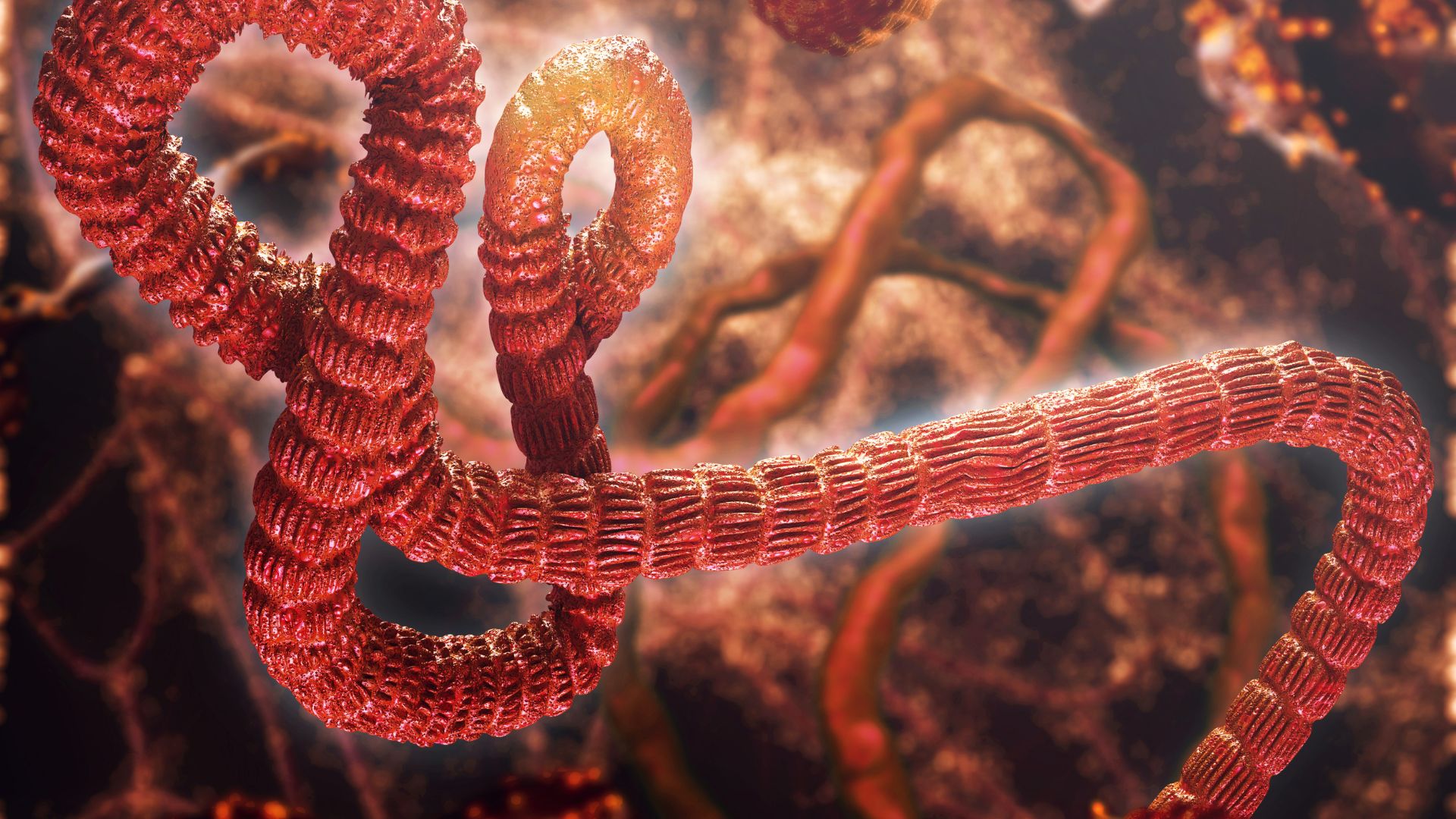
This particular outbreak is caused by the Bundibugyo virus (species Orthoebolavirus bundibugyoense) — a strain of the Ebola virus family. As of 21 May 2026, WHO reported 746 suspected cases and 176 suspected deaths in DRC, plus 85 confirmed cases (including 2 in Uganda) and 10 confirmed deaths (including 1 in Uganda) across both countries
On 17 May 2026, WHO declared this outbreak a Public Health Emergency of International Concern (PHEIC) — a designation that signals the need for a coordinated international response, not necessarily that a global pandemic is imminent.
One additional complexity: the Bundibugyo virus strain is different from the Zaire ebolavirus strain that most approved treatments and vaccines have been developed for. This means existing medical countermeasures may have limited efficacy, making containment efforts more challenging in affected regions.
How Does Ebola Spread?
Understanding transmission is key to understanding why the risk to Singapore remains low.
Ebola is not airborne. It does not spread through casual contact, shared air, or water. Human-to-human transmission occurs through direct contact with the blood, secretions, or bodily fluids of a person who is infected and showing symptoms — or through contact with the body of someone who has died from the disease.
Ebola viruses are also known to originate from animal reservoirs, particularly bats in Central and West Africa. Transmission to humans can occur through contact with infected animals, their carcasses, or bushmeat.
Early symptoms of Ebola disease can be difficult to distinguish from other illnesses and may include:
- Sudden onset of fever
- Severe headache
- Muscle pain and weakness
- Fatigue
- Sore throat
- Followed later by vomiting, diarrhoea, rash, and in some cases, unexplained bleeding
Ebola disease can be fatal in up to 90% of cases, though case fatality rates vary depending on the strain, the speed of diagnosis, and the quality of supportive care received.
What Is the Risk to Singapore?
Singapore’s Communicable Diseases Agency (CDA) has assessed the current risk of Ebola spreading to Singapore as low. Key reasons include:
- There are no direct flights from DRC or Uganda to Singapore
- Travel volumes between Singapore and the affected regions are small
- Singapore already has established systems for the early detection and management of infectious disease
That said, Singapore takes all such situations seriously — particularly given our role as a major aviation hub in Asia.
On 19 May 2026, the CDA announced enhanced border and health surveillance measures to reduce the risk of importation. Doctors across Singapore — including at GP clinics — have been reminded to stay vigilant for patients with symptoms compatible with Ebola disease who have a recent travel history to affected regions.
Singapore Minister for Health Mr Ong Ye Kung, speaking at the 79th World Health Assembly on 18 May 2026, acknowledged the outbreak and reaffirmed Singapore’s commitment to transparency and rapid information sharing with international health partners.
Across the broader Asia-Pacific region, Singapore, Japan, and South Korea have all stepped up health screening measures in response to the WHO alert.
What Should You Do If You Have Recently Travelled to Affected Areas?
If you have travelled to DRC, Uganda, or neighbouring regions in Central/East Africa in the past 21 days, please take the following precautions seriously:
Monitor yourself daily for symptoms, including fever, muscle pain, vomiting, diarrhoea, or unexplained bleeding.
Seek medical attention promptly if you develop any of the above symptoms — and importantly, inform your doctor of your recent travel history and any potential exposure risks (such as contact with sick individuals, healthcare facilities treating Ebola patients, or animal carcasses/bushmeat).
Do not self-medicate or delay seeking care. Early presentation to a medical professional allows for proper assessment and, if necessary, rapid isolation and referral.
Avoid visiting crowded healthcare settings if you are symptomatic. Call ahead to your GP clinic so that appropriate precautions can be taken before your arrival.
For the General Public: Practical Guidance
If you have not recently travelled to affected regions, your risk of exposure is extremely low. You do not need to take extraordinary precautions in your daily life.
That said, it is always a good time to practise general infection prevention habits:
- Wash your hands regularly with soap and water
- Avoid touching your face with unwashed hands
- Stay informed through reliable sources such as the Singapore CDA (cda.gov.sg) and the WHO
- If you feel unwell after international travel, consult a doctor and mention your travel history
A Note on Staying Informed Without Alarm
In an age of fast-moving news and social media, it can be easy to feel overwhelmed. Ebola is a serious disease — but the current outbreak is geographically contained in Central Africa, and Singapore’s public health infrastructure is well-prepared to detect and manage any potential imported cases.
Staying informed and knowing what to watch for — especially if you have recently travelled — is the most practical thing any resident can do. Panic is not helpful. Preparedness is.
Speak to a GP If You Have Concerns
If you have recently returned from DRC, Uganda, or surrounding regions and are feeling unwell, or if you simply have questions about your health and travel history, our GP doctors at DR+ Medical & Paincare are here to help.
Our clinics offer comprehensive primary care consultations, including travel health assessment and infectious disease screening guidance. Book an appointment at your nearest DR+ Medical & Paincare clinic today.
This article is for general health information purposes only and does not constitute medical advice. If you are experiencing symptoms or have specific health concerns, please consult a qualified medical professional. DR+ Medical & Paincare is an MOH-licensed primary care provider in Singapore.