CONTENTS
Human papillomavirus (HPV) is one of the most common sexually transmitted viral infections worldwide. While most HPV infections clear naturally without causing symptoms, certain strains can persist and lead to cancers such as cervical cancer, as well as cancers of the throat, anus, penis, vulva, and vagina. The HPV vaccine is designed to prevent infection from the HPV types most strongly linked to these conditions.
This article provides a detailed, up-to-date overview of the HPV vaccine in Singapore, including how it works, who it is recommended for, and how it fits into long-term health planning.
Understanding HPV and its health impact
HPV is a group of viruses spread mainly through skin-to-skin sexual contact. Most people who are exposed to HPV never develop symptoms, and the immune system usually clears the infection within one to two years. Because of this, many people are unaware they have ever had HPV.
Some HPV types, however, are considered high-risk. When these infections persist, they can cause abnormal changes in cells that may develop into cancer over time. Cervical cancer is the most well-known example, but HPV is also linked to cancers of the throat, anus, penis, vulva, and vagina. Other HPV types cause genital warts, which are not cancerous but can still affect quality of life.
What makes HPV important from a medical perspective is that many of these outcomes are largely preventable through vaccination and appropriate screening.
How the HPV vaccine works
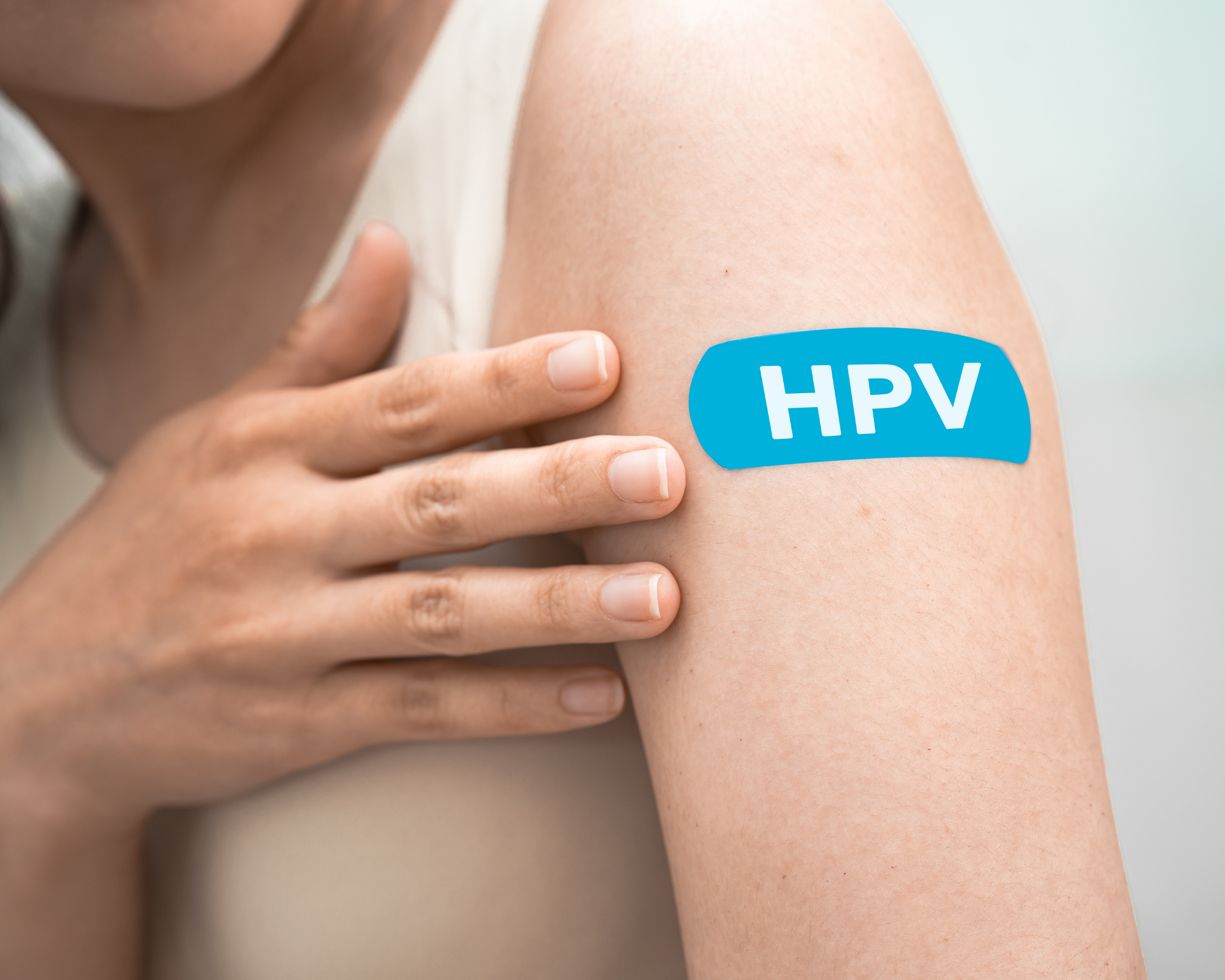
The HPV vaccine helps the immune system recognise specific HPV types before exposure occurs. It does not contain live virus and cannot cause HPV infection. Instead, it stimulates the production of antibodies so that if exposure happens later, the virus is blocked before it can establish infection.
It is important to be clear about what the vaccine does and does not do. The HPV vaccine prevents new infections with the HPV types it covers. It does not treat existing HPV infections, clear abnormal screening results, or protect against every HPV strain. For this reason, vaccination reduces risk but does not eliminate it entirely.
This is also why HPV vaccination does not replace regular cervical screening. The two work together as part of long-term cancer prevention.
HPV vaccination in Singapore
In Singapore, the HPV vaccine most commonly used is Gardasil 9, which protects against nine HPV types, including those responsible for the majority of cervical cancer cases and most genital warts. Earlier vaccines covered fewer HPV strains, but current recommendations favour broader protection.
HPV vaccination forms part of Singapore’s national strategy to reduce the burden of cervical cancer and other HPV-related cancers, guided by the Ministry of Health Singapore. Vaccination is routinely recommended for adolescents, as it is most effective when given before exposure to HPV. Adults who were not vaccinated earlier can still consider vaccination, although the overall benefit may be lower compared to vaccination at a younger age. HPV vaccination is approved for both females and males, and your doctor can explain which vaccine is used locally, what it protects against, and how it fits your age and health profile.
Why age and timing matter
HPV vaccination works best when given before exposure to the virus. This is why it is recommended during adolescence, when prior HPV exposure is unlikely and the immune response is strong.
In adults, vaccination can still provide protection against HPV types not previously encountered. However, because some exposure may already have occurred, the overall benefit may be reduced.
Who can get the HPV vaccine?
Adolescents
HPV vaccination is routinely recommended for adolescents before the onset of sexual activity.
Young adults
Young adults who missed vaccination earlier may still benefit, as they may not have been exposed to all HPV types covered by the vaccine.
Older adults
There is no strict upper age limit. Benefit varies depending on prior exposure and individual risk.
Why HPV vaccination matters for males
HPV infection affects both males and females. In males, HPV is associated with genital warts as well as cancers of the throat, anus, and penis.
Vaccination helps reduce the risk of developing these HPV-related conditions. It also lowers the likelihood of transmitting HPV to sexual partners, contributing to reduced spread of the virus within the population. For these reasons, HPV vaccination is recommended for both males and females.
How many doses are required?
The number of doses depends on the age at which vaccination starts. Younger adolescents usually require two doses, while older adolescents and adults usually require three doses given over several months. Completing the full course is important for optimal protection.
What if HPV vaccine doses are delayed?
If there is a longer gap than planned between doses, the vaccine course does not need to be restarted. The remaining doses can be given later to complete the schedule.
Safety and side effects
The HPV vaccine has been used worldwide for many years and has a strong safety record.
Common side effects are usually mild and temporary and may include pain, redness, or swelling at the injection site, mild fever, headache, or fatigue. Some people, particularly adolescents, may feel dizzy or faint shortly after vaccination. This is a recognised reaction to injections in general rather than the vaccine itself.
Serious allergic reactions are very rare. Ongoing safety monitoring by organisations such as the World Health Organization supports the continued safety of HPV vaccination.
HPV vaccination during pregnancy and breastfeeding
HPV vaccination is not recommended during pregnancy. If pregnancy occurs after starting the vaccine course, remaining doses are usually delayed until after delivery.
Breastfeeding is not a contraindication. The vaccine does not contain live virus and is considered safe for breastfeeding mothers.
For patients receiving HPV vaccination at a CHAS GP clinic, subsidies apply to eligible Singapore Citizens under the national immunisation schedules.
- Singapore Citizens aged 9 to 17 years
HPV vaccination is subsidised at CHAS GP clinics and polyclinics. For many patients in this age group, the vaccine may be fully subsidised or require minimal out-of-pocket payment, depending on CHAS tier. - Singapore Citizens aged 18 to 26 years
HPV vaccination remains subsidised at CHAS GP clinics. Out-of-pocket costs are capped after subsidy, and MediSave can be used to offset part or all of the remaining cost, subject to prevailing limits.
Subsidy levels may differ depending on CHAS card tier (Blue, Orange, or Green), and clinics may apply different net charges within MOH guidelines.
MediSave use for HPV vaccination
For HPV vaccination recommended under the national immunisation schedules, MediSave can generally be used to help pay for vaccination at CHAS GP clinics and polyclinics. This applies primarily to females aged 9 to 26 years, with annual MediSave limits in place.
Not all vaccine brands may be fully claimable under MediSave, and eligibility can change over time. It is advisable to check with the clinic whether MediSave can be used for the specific HPV vaccine being administered.
HPV vaccination and cervical screening
Even after vaccination, cervical screening remains essential. The HPV vaccine does not protect against all HPV types, and screening detects early cellular changes before cancer develops.
Vaccination and screening play complementary roles in cervical cancer prevention.
When in doubt
If you are unsure whether the HPV vaccine is suitable for you or your child, a consultation with our doctor can help clarify benefits, limitations, and timing based on your individual situation.
Frequently asked questions
Can adults still get the HPV vaccine in Singapore?
Yes. Adults who were not vaccinated earlier can still receive the HPV vaccine in Singapore. While the vaccine works best when given before exposure to HPV, many adults may not have been exposed to all HPV types covered by the vaccine. As a result, vaccination can still provide protection against certain high-risk HPV strains.
The potential benefit may be lower compared to vaccination at a younger age, but it is not absent. This is why HPV vaccination in adults is considered an individual preventive option rather than a routine recommendation.
Can the HPV vaccine be given if someone is already sexually active?
Yes. Being sexually active does not mean the HPV vaccine is ineffective. HPV includes many different types, and exposure to one type does not imply exposure to all others.
Vaccination may still protect against HPV types that a person has not previously encountered. This is why the vaccine can still be useful even after sexual activity has begun.
Is there any benefit if someone has had HPV before?
Yes. A previous HPV infection does not rule out benefit from vaccination. The HPV vaccine does not treat existing infections or related conditions, but it may still protect against other HPV types included in the vaccine.
Because people are often exposed to only one or a few HPV types, vaccination can still reduce future risk from additional strains.
Does the HPV vaccine affect fertility or hormone levels?
No. There is no evidence that the HPV vaccine affects fertility, reproductive health, or hormone levels. The vaccine does not contain live virus and does not interfere with the reproductive organs.
Extensive studies and long-term safety monitoring have not shown any association between HPV vaccination and infertility.
Is cervical screening still needed after HPV vaccination?
Yes. Cervical screening remains important even after completing HPV vaccination. The vaccine does not protect against all HPV types that can cause cervical cancer.
Screening allows early detection of abnormal cell changes, including those caused by HPV types not covered by the vaccine. Vaccination and screening work together as part of cervical cancer prevention.
Latest Articles