CONTENTS
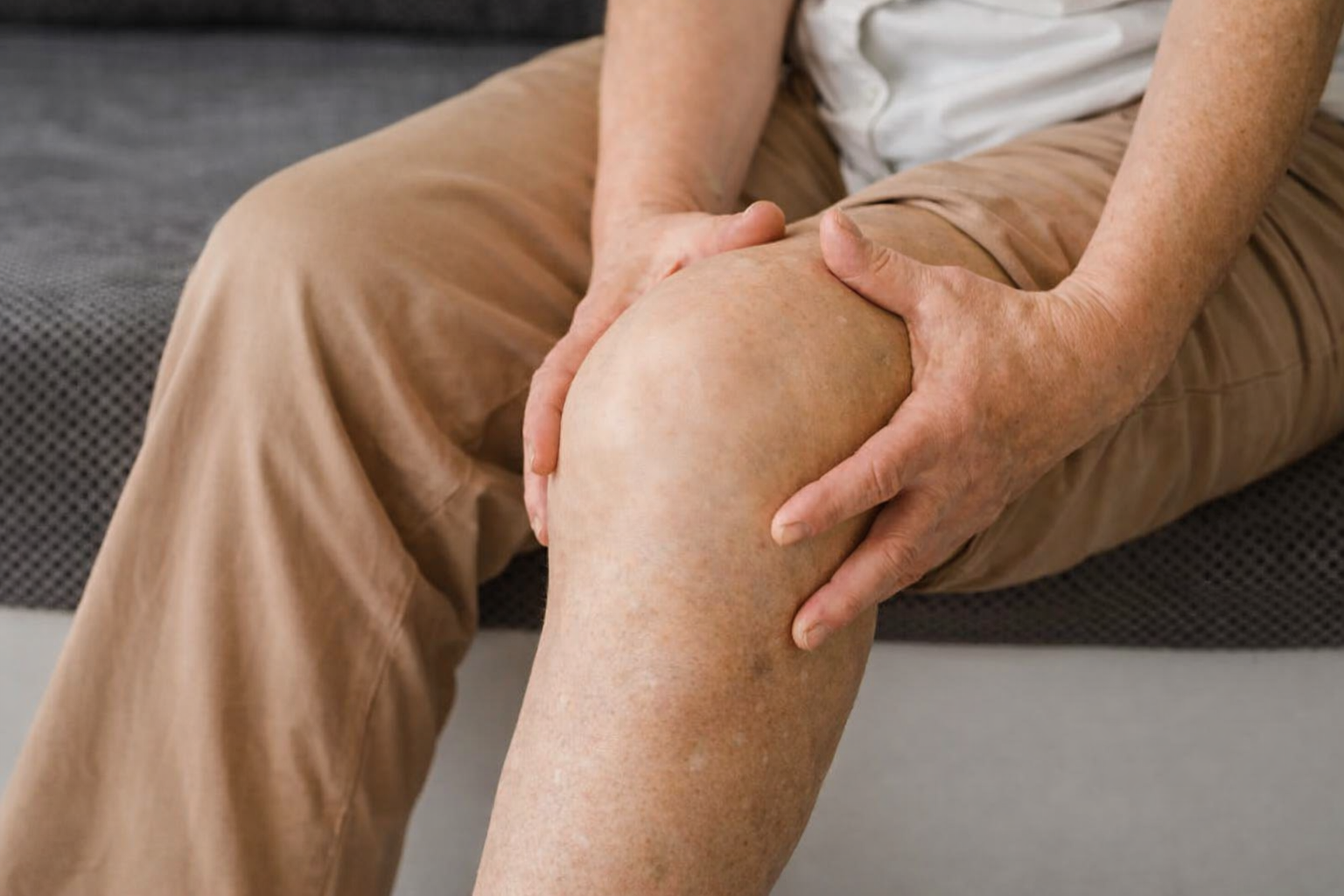
You wake up and notice your knee feels sore. Within hours, the pain becomes intense. The joint looks swollen, feels warm, and even resting is uncomfortable. Walking is difficult, and bending the knee feels almost impossible.
Many people assume they have injured their knee or that arthritis is getting worse. When the pain appears suddenly—often without any injury—it can be confusing and worrying. In these situations, gout affecting the knee is a common and often overlooked cause.
The reassuring news is that gout knee pain is treatable, and with the right approach, most people are able to settle the pain and prevent future attacks.
Why You Might Have Gout Knee Pain
Gout is a type of inflammatory arthritis caused by a build-up of uric acid in the body. When uric acid levels remain high, sharp microscopic crystals can form and collect inside joints. These crystals trigger sudden inflammation, leading to pain, swelling, and stiffness.
Although gout is commonly associated with the big toe, the knee is one of the most frequently affected larger joints. Because the knee bears weight and has a large joint surface, it is particularly vulnerable during a gout flare.
Gout knee pain often behaves differently from other knee conditions. The pain tends to come on quickly, becomes severe within hours, and may feel worse at night or at rest. Unlike typical wear-and-tear arthritis, the discomfort is not linked to overuse or gradual strain.
Common Triggers for Gout Knee Pain
Gout flares are usually triggered by changes in uric acid levels rather than direct injury to the knee.
Factors that may contribute include:
-
Dehydration or sudden alcohol intake
-
Heavy meals, especially after periods of dietary indulgence
-
Certain medications, including some blood pressure treatments
-
Reduced kidney function or metabolic conditions
It is important to note that gout is not simply caused by diet. Many people develop gout despite eating sensibly, which is why medical assessment is important when knee pain keeps returning.
3 Key Steps to Managing Gout Knee Pain
Step 1: Settle the Acute Inflammation Early
When gout affects the knee, inflammation is often intense and builds quickly. Early treatment focuses on calming this inflammation to reduce pain and swelling.
Resting the knee, limiting weight-bearing, and starting anti-inflammatory medication promptly can help shorten the duration of a flare. Cold packs may ease swelling, and keeping the leg elevated can improve comfort. Delaying treatment often allows inflammation to worsen, making movement more difficult and recovery slower.
Step 2: Consider Targeted Treatment When Pain Remains Severe
In some people, gout knee pain remains intense despite oral medication, or swelling significantly limits movement. When this happens, doctors may consider a Coreflex injection into the knee joint.
Coreflex injections are used to:
-
Reduce severe joint inflammation
-
Relieve pain more quickly when oral treatment is insufficient
-
Improve mobility so the knee can be moved comfortably again
Before an injection is considered, doctors carefully assess the knee to confirm that infection has been excluded, as injections are not appropriate when infection is suspected. When used appropriately, steroid injections can be an effective short-term option for controlling severe gout-related knee inflammation.
Step 3: Prevent Future Flares and Restore Knee Function
Once the acute pain settles, attention shifts to preventing recurrence and supporting recovery.
Long-term gout management focuses on lowering uric acid levels to reduce the risk of future flares, including those affecting the knee. This usually involves ongoing medication rather than treating attacks in isolation.
As inflammation improves, gradual return to movement is important. Gentle exercises and guided rehabilitation can help restore knee flexibility, reduce stiffness, and rebuild strength after a painful flare. This step is especially helpful for people who have experienced repeated knee attacks or feel hesitant to move after severe pain.
How Long Does Gout Knee Pain Last
Without treatment, a gout flare in the knee may last from several days to a few weeks. With early and appropriate care, symptoms often settle much faster.
Recovery may take longer if treatment is delayed, if flares occur frequently, or if there is underlying joint disease. This is why managing uric acid levels between attacks is just as important as treating the pain itself.
When Gout Knee Pain Needs Medical Review
While gout is common, knee pain should be reassessed if it is unusually severe, associated with fever, or does not improve with treatment. Pain that feels different from previous flares should also be reviewed.
Doctors are particularly cautious because joint infections and other inflammatory conditions can sometimes resemble gout but require urgent care.
The Bottom Line
Gout knee pain can be sudden, severe, and disruptive—but it is a manageable condition. Early treatment helps settle flares, while long-term uric acid control reduces the risk of future attacks and joint damage.
If knee pain is recurring, worsening, or affecting your ability to move comfortably, don’t wait. Book an appointment with our team today and explore non-surgical solutions for long-term relief.
Latest Articles