CONTENTS
 Quick Answer:
Yes, a GP doctor can help with a twisted knee — and is often the right first step. A pain-trained GP can examine the knee, grade the injury, arrange imaging if needed, prescribe pain relief, and provide targeted injection therapy for persistent cases. You do not need to see an orthopaedic specialist first unless the injury is severe (e.g. inability to bear weight, visible deformity, or suspected complete ligament rupture). Most mild to moderate twisted knee injuries are effectively managed at GP level with the right training and treatment tools.
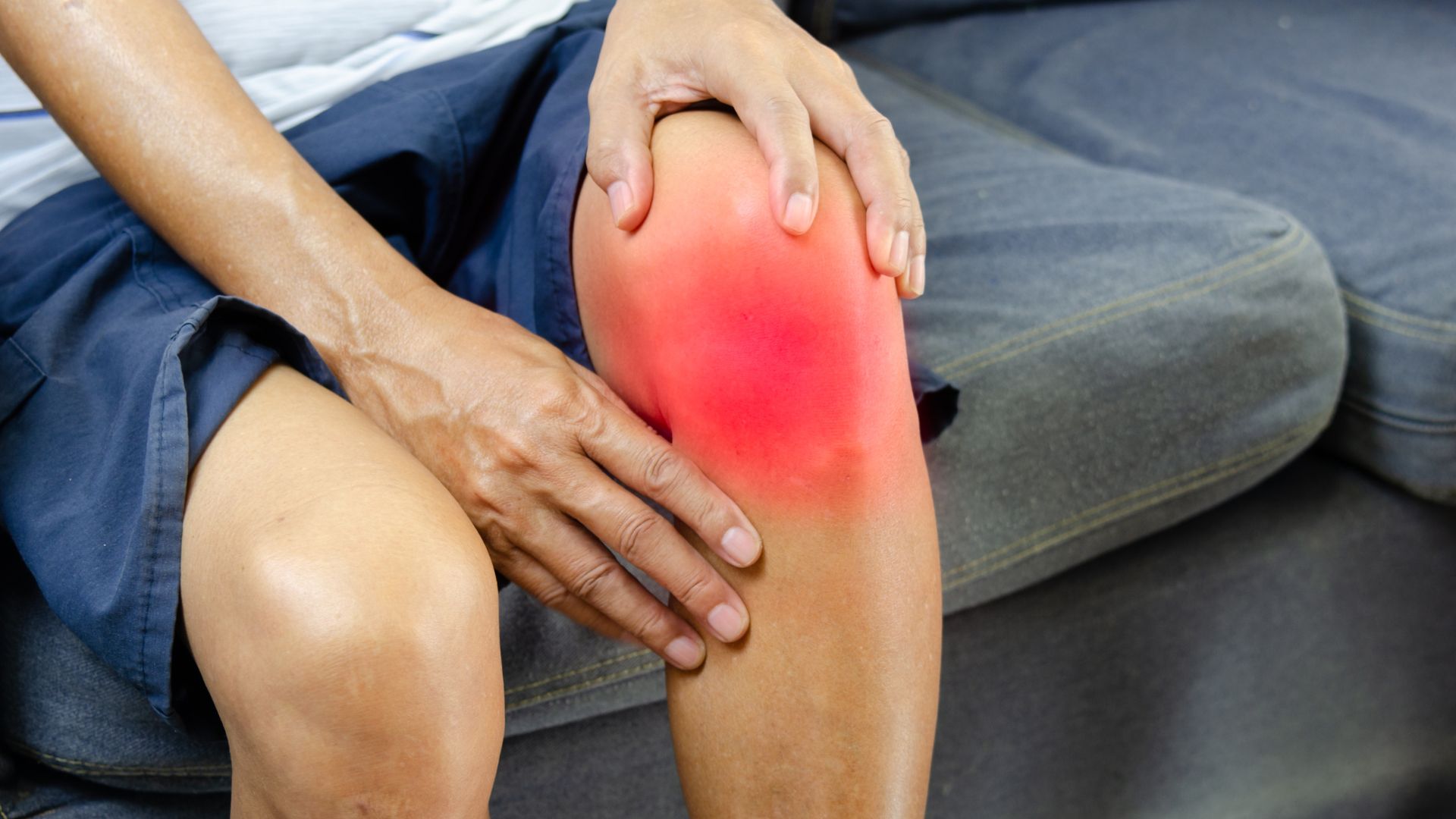
It happened in an instant. One awkward step off the kerb. A sudden change of direction on the badminton court. Or maybe you just landed wrong after jumping for a bus — and now your knee is swollen, painful, and you’re not quite sure if you can walk it off or if something is seriously wrong.
Sound familiar? You’re not alone.
Twisted knee injuries are one of the most common reasons Singaporeans visit a GP clinic, affecting everyone from weekend footballers and gym-goers to older adults going about their daily routine. And the first question almost everyone asks is the same: do I need to see a specialist, or can my regular doctor handle this?
The short answer is that a GP — especially one with pain management training — can assess and treat most twisted knee injuries. But let’s break down what a twisted knee actually is, what structures might be involved, and what good care looks like at every stage of recovery.
What Structures Can Be Injured When You Twist Your Knee?
The knee is the largest and most complex joint in the body. It is stabilised by four major ligaments, two C-shaped cartilage pads (the menisci), tendons, and surrounding muscles. When the knee twists beyond its normal range of motion, one or more of these structures may be overstretched or torn:
| Structure Injured | What It Is | How It Gets Twisted |
|---|---|---|
| ACL (Anterior Cruciate Ligament) | Central stabilising ligament | Sudden pivoting, cutting, or stopping during sports |
| MCL (Medial Collateral Ligament) | Inner-side knee stabiliser | Sideways impact or outward twisting of the lower leg |
| LCL (Lateral Collateral Ligament) | Outer-side knee stabiliser | Less common; direct blow to the inner knee |
| PCL (Posterior Cruciate Ligament) | Rear stabilising ligament | Dashboard impact, hyperextension, or hard fall |
| Medial or Lateral Meniscus | Cartilage shock absorbers | Twisting while bearing weight; common in sport |
| Multiple structures | Combined injury (e.g. unhappy triad: ACL + MCL + Meniscus) | High-impact contact sport injuries |
Key fact: According to orthopaedic literature, the ACL is one of the most commonly injured ligaments in the knee, with meniscal tears frequently occurring alongside it during twisting incidents.
Symptoms of a Twisted Knee: How Do You Know If It Is Serious?
Twisted knee symptoms vary depending on which structure is injured and the severity of the damage. Common signs include:
- Immediate pain at the time of the twist, sometimes accompanied by a popping or snapping sound
- Swelling that develops within minutes to hours of the injury
- Stiffness and reduced ability to bend or straighten the knee fully
- Bruising or discolouration around the joint
- Instability — a feeling that the knee is giving way or cannot be trusted under weight
- Locking — the knee gets stuck and cannot be moved smoothly (often linked to a meniscal tear)
- Tenderness when pressing along the inner or outer joint line
Warning Signs That Need Immediate Medical Attention
Seek assessment from a doctor promptly if you experience:
- Inability to bear weight or walk normally after the injury
- Rapid, significant swelling (especially within the first hour)
- A visible deformity or kneecap that appears displaced
- Severe pain that does not improve with rest and ice
- A feeling that the knee has completely given way
- Persistent instability more than 48 hours after the injury
Can a GP Doctor Help with a Twisted Knee?
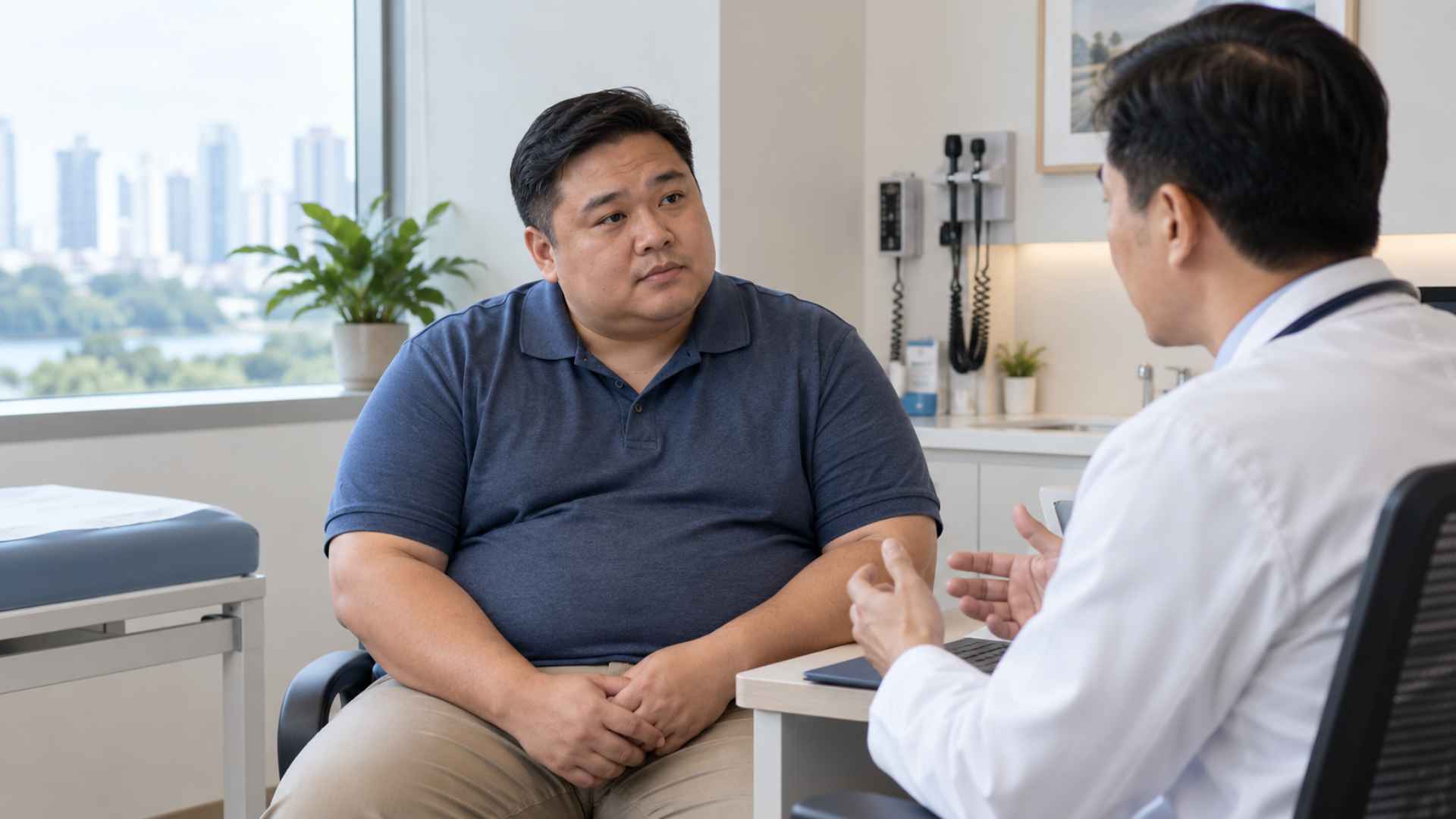
Yes — a GP is often the right first point of contact for a twisted knee, especially for mild to moderate injuries. A GP trained in musculoskeletal assessment can:
- Clinically examine the knee — assessing swelling, tenderness, range of motion, and ligament stability through manual tests
- Grade the severity of the injury — distinguishing between Grade 1 (mild stretch), Grade 2 (partial tear), and Grade 3 (complete rupture)
- Order relevant imaging — referring for X-ray (to rule out fracture) or MRI (to assess soft tissue damage) where indicated
- Provide immediate pain management — prescribing appropriate anti-inflammatory medication and advising on PRICE therapy
- Guide the recovery plan — recommending physiotherapy, activity modification, bracing, or further specialist referral based on the findings
- Administer targeted injection therapy — for persistent pain or inflammation following a twisted knee, GP doctors trained in pain management may offer minimally invasive injection treatments such as Coreflex injections, intra-articular injections, or Platelet-Rich Plasma (PRP) Prolotherapy
At DR+ Medical & Paincare, our GP doctors undergo specialist Painostic® methodology training under the Singapore Paincare Academy, equipping them to diagnose and manage musculoskeletal knee conditions — including twisted knee injuries — with a higher level of clinical depth than a conventional GP consultation.
First Aid for a Twisted Knee: What to Do Before You See a Doctor
Immediately after twisting your knee, follow the PRICE protocol:
P — Protect: Avoid putting full weight on the injured knee. Use crutches if available or necessary.
R — Rest: Stop the activity that caused the injury. Rest the knee for the first 24–48 hours.
I — Ice: Apply an ice pack wrapped in a cloth for 10–15 minutes every 2–3 hours during the first 48 hours to reduce swelling and pain.
C — Compression: Wrap the knee with an elastic bandage to control swelling. Do not wrap too tightly.
E — Elevation: Keep the leg raised above heart level when sitting or lying down to reduce swelling.
Do not: Apply heat in the first 48 hours, massage the swollen area, or attempt to “walk off” significant pain. These actions can worsen inflammation or delay recovery.
Treating a Twisted Knee: From RICE to Minimally Invasive Procedures
Treatment for a twisted knee depends on the structures involved and the severity of the injury. Most Grade 1 and Grade 2 sprains respond well to non-surgical care.
Conservative Treatment (First-Line)
- Rest and activity modification — protecting the knee from further stress during initial healing
- NSAIDs (non-steroidal anti-inflammatory drugs) — prescribed by a doctor to manage pain and swelling
- Knee bracing or taping — providing external stability during the recovery period
- Physiotherapy and rehabilitation — strengthening the muscles around the knee to restore stability and prevent re-injury
Minimally Invasive Injection Therapies (at DR+)
For patients with persistent pain, inflammation, or slow recovery following a twisted knee, DR+ pain-trained GPs offer Myospan injection therapies — a suite of minimally invasive, outpatient procedures:
Coreflex Injections
A targeted mixture of local anaesthetic, anti-inflammatory agents, and muscle relaxants delivered to the injured area. Coreflex injections break the pain cycle and reduce inflammation. Pain relief typically begins immediately, with the most noticeable improvement seen between Week 1 and Week 3 post-treatment.
Intra-Articular Injections
Medication — including anti-inflammatory agents and hyaluronic acid — delivered directly into the knee joint to reduce pain, lower inflammation, and improve mobility. Particularly beneficial where joint swelling and stiffness persist after the initial injury.
Platelet-Rich Plasma (PRP) Prolotherapy
A regenerative treatment using the patient’s own blood platelets to stimulate healing at the injury site. PRP has a low allergy risk (derived from the patient’s own cells) and promotes tissue repair — making it a suitable option for soft tissue injuries such as ligament sprains and meniscal damage where natural healing is slow.
Peripheral Nerve Block
A local anaesthetic and anti-inflammatory injected around the nerve supplying the knee to interrupt pain signals. Used both diagnostically (to confirm the pain source) and therapeutically (to provide sustained relief).
These treatments are outpatient procedures performed in-clinic. Most patients experience minimal downtime and can return home the same day.
When Surgical Referral Is Needed
For Grade 3 (complete) ligament ruptures, large meniscal tears that do not respond to conservative care, or complex multi-structure injuries, surgical intervention — such as ACL reconstruction or arthroscopic meniscal repair — may be required. DR+ pain-trained GPs can refer patients appropriately to orthopaedic surgeons when the injury severity warrants specialist surgical assessment.
How Long Does a Twisted Knee Take to Heal?
Recovery time varies by injury type and severity:
| Injury Type | Approximate Recovery Time |
|---|---|
| Grade 1 Ligament Sprain (mild stretch) | 1–3 weeks with rest |
| Grade 2 Ligament Sprain (partial tear) | 4–8 weeks with physiotherapy |
| Grade 3 Ligament Rupture (complete tear) | 3–12 months, may require surgery |
| Meniscal Tear (minor) | 4–8 weeks with conservative management |
| Meniscal Tear (significant) | 3–6 months; surgery may be considered |
Early assessment and appropriate treatment significantly affect recovery outcomes. Untreated or mismanaged twisted knee injuries can lead to chronic instability, recurring pain, and accelerated joint degeneration.
GP vs Orthopaedic Specialist vs Physiotherapist: Who Should You See?
| Your Situation | Recommended First Step |
|---|---|
| Mild pain, can bear weight, no significant swelling | See a GP first — assess, manage, and guide recovery |
| Moderate swelling and pain, some difficulty walking | See a pain-trained GP who can assess severity and advise on imaging |
| Cannot bear weight, severe swelling, visible deformity | Go to A&E or see a doctor same day |
| Injury not improving after 2 weeks of conservative care | GP referral for MRI, then consider orthopaedic review |
| Persistent instability or pain after initial treatment | Pain-trained GP for injection therapy and rehabilitation guidance |
| Confirmed Grade 3 rupture or complex meniscal tear | Orthopaedic specialist for surgical assessment |
A GP is the most accessible, cost-effective first step for most twisted knee injuries. At DR+ Medical & Paincare, walk-ins are welcome at all 12 clinic locations across Singapore — no referral needed.
Preventing a Twisted Knee: Practical Tips
- Warm up and cool down properly before and after exercise
- Strengthen the quadriceps, hamstrings, and hip muscles — strong surrounding muscles protect the knee joint
- Wear appropriate footwear with good ankle and arch support during physical activity
- Avoid playing on wet or uneven surfaces without proper footwear
- Do not return to sport after a knee injury until cleared by a doctor or physiotherapist
- Maintain a healthy weight — excess body weight increases the load on the knee joint
Frequently Asked Questions About Twisted Knee
Can a GP diagnose a twisted knee?
Yes. A GP can perform a clinical examination of the knee to assess the likely structures involved, grade the severity of the sprain, and determine whether imaging such as an X-ray or MRI is needed. At DR+ Medical & Paincare, our pain-trained GPs apply the Painostic® methodology to conduct a thorough musculoskeletal knee assessment.
Do I need an X-ray or MRI for a twisted knee?
Not always. An X-ray is useful to rule out fractures, particularly after high-impact injuries. An MRI provides detailed images of soft tissue structures (ligaments, menisci, tendons) and is typically recommended if symptoms do not improve within 4–6 weeks, or if there is a high suspicion of ACL or meniscal tear based on clinical examination.
What is the difference between a twisted knee and a knee sprain?
These terms are often used interchangeably. A twisted knee refers to the mechanism of injury — the uncontrolled rotational movement. A knee sprain refers to the resulting damage to one or more ligaments. Not all twisted knees result in a sprain; some may involve only muscle strain or cartilage irritation.
Can a twisted knee heal on its own?
Grade 1 sprains often resolve with rest, ice, compression, and elevation over 1–3 weeks. Grade 2 and Grade 3 injuries require medical assessment and structured rehabilitation. Attempting to walk through significant knee pain after a twisting injury risks worsening the damage and delaying recovery.
Is a twisted knee covered by Medisave in Singapore?
Subsidy eligibility at DR+ Medical & Paincare — including CHAS, Healthier SG, and Medisave — depends on the specific consultation type, procedure, and your personal subsidy status. Please contact your nearest DR+ clinic directly to check what applies to your situation.
When should I stop seeing a GP and see an orthopaedic specialist?
Consider seeing an orthopaedic specialist if: your knee remains significantly unstable or painful after 4–6 weeks of GP-guided conservative management; imaging shows a Grade 3 ligament rupture or significant meniscal tear; or your GP recommends surgical assessment based on clinical findings.
See a Knee Pain Doctor at DR+ Medical & Paincare
If you have twisted your knee and are experiencing pain, swelling, or instability, early assessment helps determine the extent of the injury and supports a more structured recovery.
DR+ Medical & Paincare offers pain-trained GP consultations for twisted knee injuries across 10 clinics in Singapore, including locations in Hougang, Kovan, Upper Thomson, East Coast, Ang Mo Kio, Alexandra, Boon Lay, Marsiling, Telok Blangah, and the CBD.
Our GP doctors are trained in the Painostic® Methodology under the Singapore Paincare Academy and offer comprehensive knee pain assessment, targeted injection therapies, and structured recovery plans — all in an accessible neighbourhood clinic setting.
Medical Disclaimer: This article is intended for general informational purposes only and does not constitute medical advice. Please consult a qualified healthcare professional for diagnosis and treatment tailored to your individual condition.
Read more: Knee Pain | Knee Meniscus Tear
Latest Articles