
Shingles Vaccinations

Overview
The shingles vaccine helps protect against shingles, which is caused by the same virus responsible for chickenpox.
Vaccination helps reduce the risk of shingles and its complications. Eligible Singapore residents may receive up to 75% government subsidy for shingles vaccination.
What Is Shingles (Herpes Zoster)?
Shingles is caused by the reactivation of the varicella-zoster virus — the same virus responsible for chickenpox. Once you recover from chickenpox, the virus does not leave your body. It lies dormant in nerve tissue and can reactivate years or decades later, typically when the immune system is weakened by age, illness, stress, or certain medications. In Singapore, approximately 30,000 new shingles cases are recorded annually. The risk of developing shingles rises sharply after age 50. The typical presentation is a painful, fluid-filled blistering rash on one side of the body or face, following the track of a nerve. Most cases resolve within two to four weeks, but complications — particularly PHN — can persist far longer.
Why Shingles Can Be Serious
Shingles is not only a skin condition. Because it involves the nerves, it may lead to complications that affect long-term comfort and daily function.
Post-Herpetic Neuralgia (PHN)
Irritated nerves may cause persistent pain that feels burning, sharp, or intense. This pain can interfere with sleep, movement, and everyday activities even after the rash has resolved.
Postherpetic neuralgia (PHN) is a chronic nerve pain condition that develops in the skin area where the shingles rash occurred, and persists even after the rash has fully healed. The pain is often described as burning, stabbing, or electric-shock-like in nature, and can significantly impair sleep, concentration, appetite, and day-to-day functioning. PHN can last for months — and in some cases, years. It occurs in an estimated one in three shingles patients, with risk increasing substantially after age 60.
Eye Involvement (Ophthalmic Shingles)
When shingles affects the eye or surrounding area, it may cause pain, light sensitivity, or changes in vision. In some cases, eye involvement may lead to lasting visual problems.
Hearing and Balance Issues
If nerves near the ear are affected, symptoms such as ringing in the ears, dizziness, or unsteadiness may occur and disrupt daily activities.
Skin and Healing Concerns
Affected skin may remain sensitive or painful after recovery. In older adults, skin healing can be slower, and discomfort or visible skin changes may persist.
How Vaccination Helps
Shingles vaccination helps reduce the risk of developing shingles and lowers the likelihood of complications if shingles does occur. While no vaccine offers complete protection, vaccinated individuals are less likely to experience severe or prolonged symptoms.
Vaccination is a preventive measure that supports long-term wellbeing, particularly for those at higher risk.
Who Should Get the Vaccine
The MOH’s NAIS recommends shingles vaccination for all adults aged 50 and above. Groups with elevated risk who should prioritise vaccination include:
- Persons with diabetes, cancer, or autoimmune conditions
- Those on immunosuppressive medications — discuss timing and suitability with a DR+ GP before vaccination
- Adults who have had shingles before — vaccination can help reduce the risk and severity of recurrence
SHINGLES (Shingrix®) VACCINE
IS NOW SUBSIDISED
The MOH’s NAIS recommends shingles vaccination for all adults aged 50 and above. Groups with elevated risk who should prioritise vaccination include:
- Persons with diabetes, cancer, or autoimmune conditions
- Those on immunosuppressive medications — discuss timing and suitability with a DR+ GP before vaccination
- Adults who have had shingles before — vaccination can help reduce the risk and severity of recurrence
From 1 September 2025, the recommended shingles vaccine is included on the NAIS, making eligible patients eligible for CHAS subsidies
*Prices are NETT and inclusive of GST
From mid-2026 — Medisave use for the first time. If you were previously vaccinated against shingles with an older live-virus vaccine, discuss with our GP whether re-vaccination with the current recommended vaccine is appropriate for your situation.
About the Shingles Vaccine
The recommended shingles vaccine is a non-live, recombinant subunit vaccine. It does not contain live virus and cannot cause shingles, which makes it suitable for broader discussion with immunocompromised patients (subject to individual GP assessment). The dose schedule is as follows:
| Timing | Notes | |
|---|---|---|
| Dose 1 | First visit to DR+ | Administered in clinic; no specialist referral needed |
| Dose 2 | 2–6 months after Dose 1 | Clinic will schedule your follow-up appointment |
Clinical evidence shows the vaccine is highly effective at reducing the risk of shingles and PHN. Protection is sustained for at least four years, with evidence suggesting efficacy extending beyond ten years. Common side effects include injection site soreness, fatigue, muscle aches, and occasionally mild fever — these are signs of immune activation and typically resolve within a day or two.
Protect Yourself with Shingles Vaccine
Protect yourself from shingles and its complications with this simple two-dose vaccine:
- Highly Effective : Over 90 percent effective in preventing shingles.
- Long-lasting Protection : Provides protection for at least seven years with two doses, given two to six months apart.
- Prevents Complications: Reduces the risk of postherpetic neuralgia and other shingles-related complications.
Safeguard Your Health
Shingles is preventable. The risk is not worth waiting.
Our Clinics
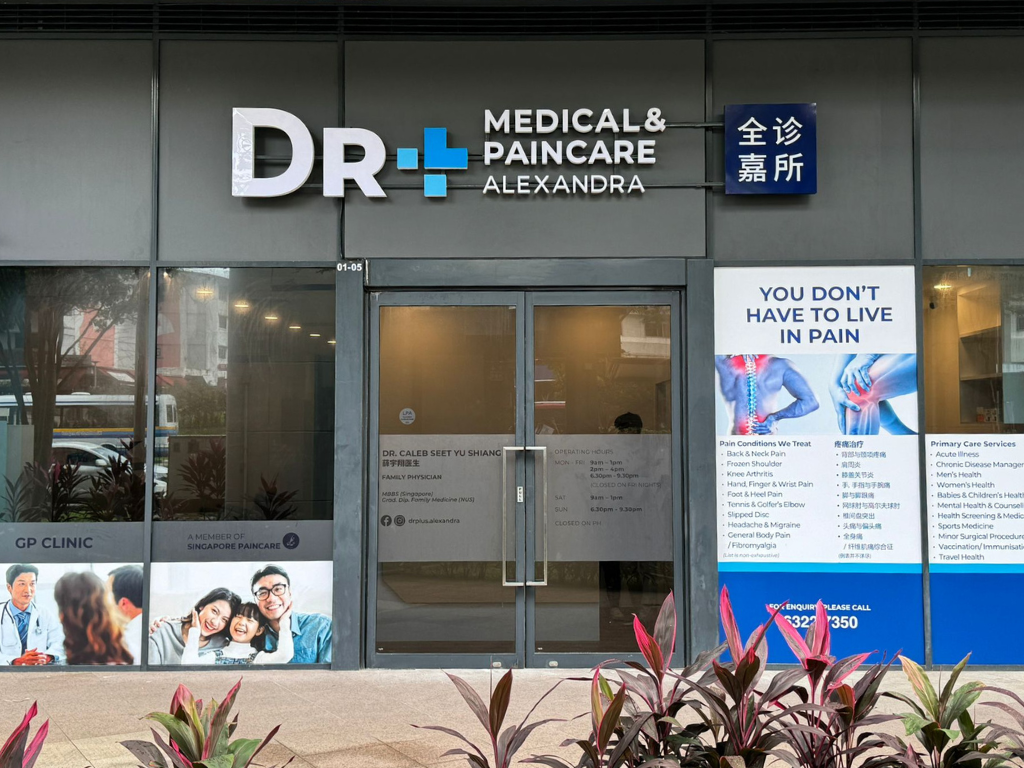
- Mon & Tue: 9am to 1pm, 2pm to 4pm, 6:30pm to 9:30pm
- Wed, Thu & Fri: 9am to 1pm, 2pm to 5pm
- Sat: 9am to 1pm
- Closed on Sun & PH
-
(Kindly note that clinic’s last registration is 15 minutes before closing time.)

#01-95, Singapore 570121
- Mon, Wed, Thu & Fri: 8:00am – 5:00pm, 6:00pm – 9:00pm
- Tue: 8:00am – 5:00pm
- Sat & Sun: 8:00am – 1:00pm
- PH: Closed
-
(Kindly note that clinic’s last registration is 15 minutes before closing time but may close earlier if the queue is unusually long.)
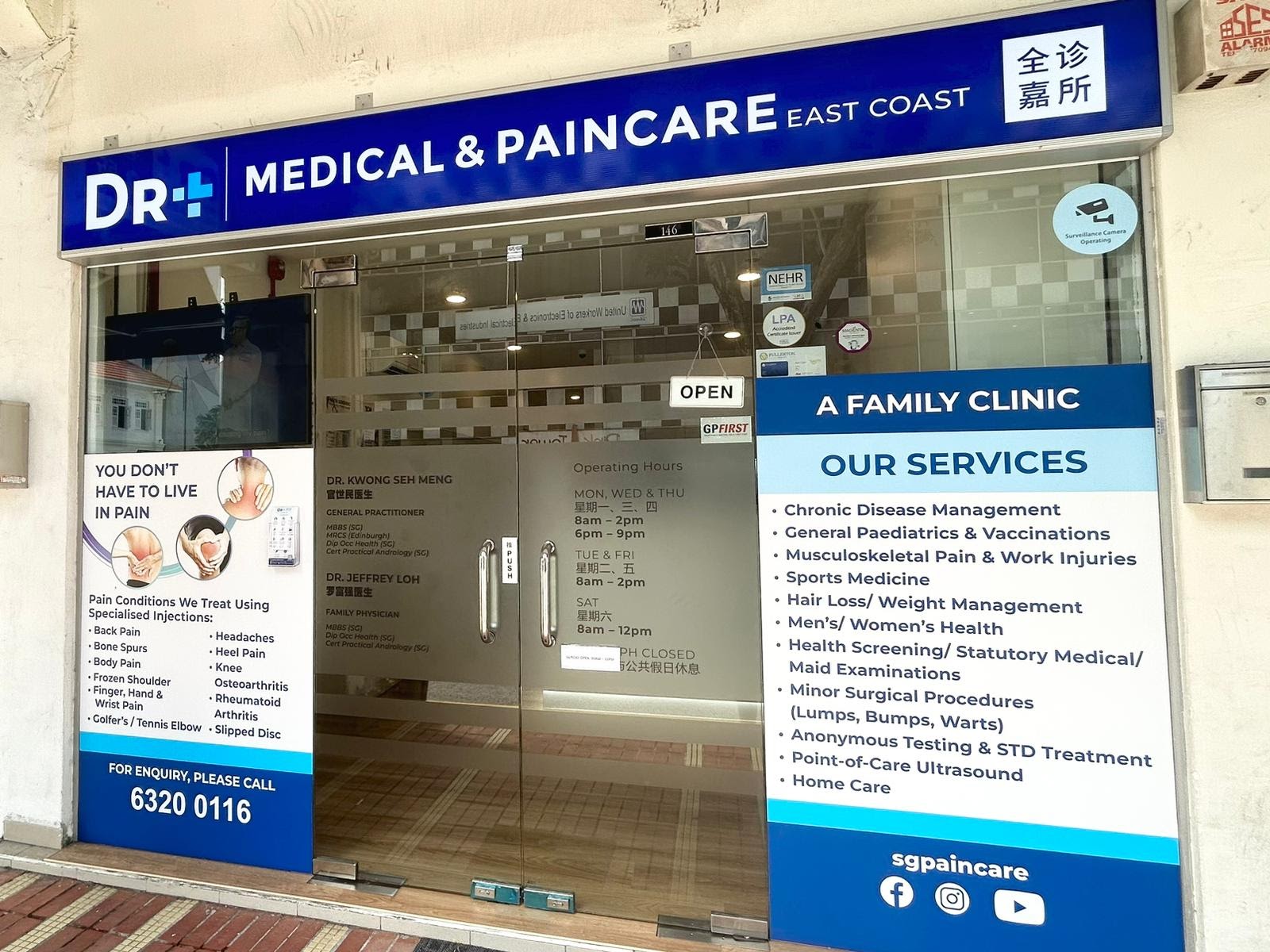
- Mon: 8:00am – 2:00pm, 6:00pm – 9:00pm
- Tue & Wed: 8:00am – 3:00pm
- Thu: 8:00am – 3:00pm, 6:00pm – 9:00pm
- Fri: 8:00am – 2:00pm
- Sat: 8:00am – 12:00pm
- Sun: 10:00am – 1:00pm
- PH: Closed

#01-54 The Midtown, Singapore 533971
- Mon & Tue: 8:00am – 12:30pm, 1:30pm – 5:00pm, 6:00pm – 9:00pm
- Wed: 8:00am – 12:30pm, 6:00pm – 9:00pm
- Thu: 8:00am – 12:30pm, 1:30pm – 5:00pm
- Fri: 8:00am – 12:30pm, 6:00pm – 9:00pm
- Sat: 8:00am – 12:00pm
- Sun & PH: Closed
(Kindly note that clinic’s last registration is 15 minutes before closing time.)
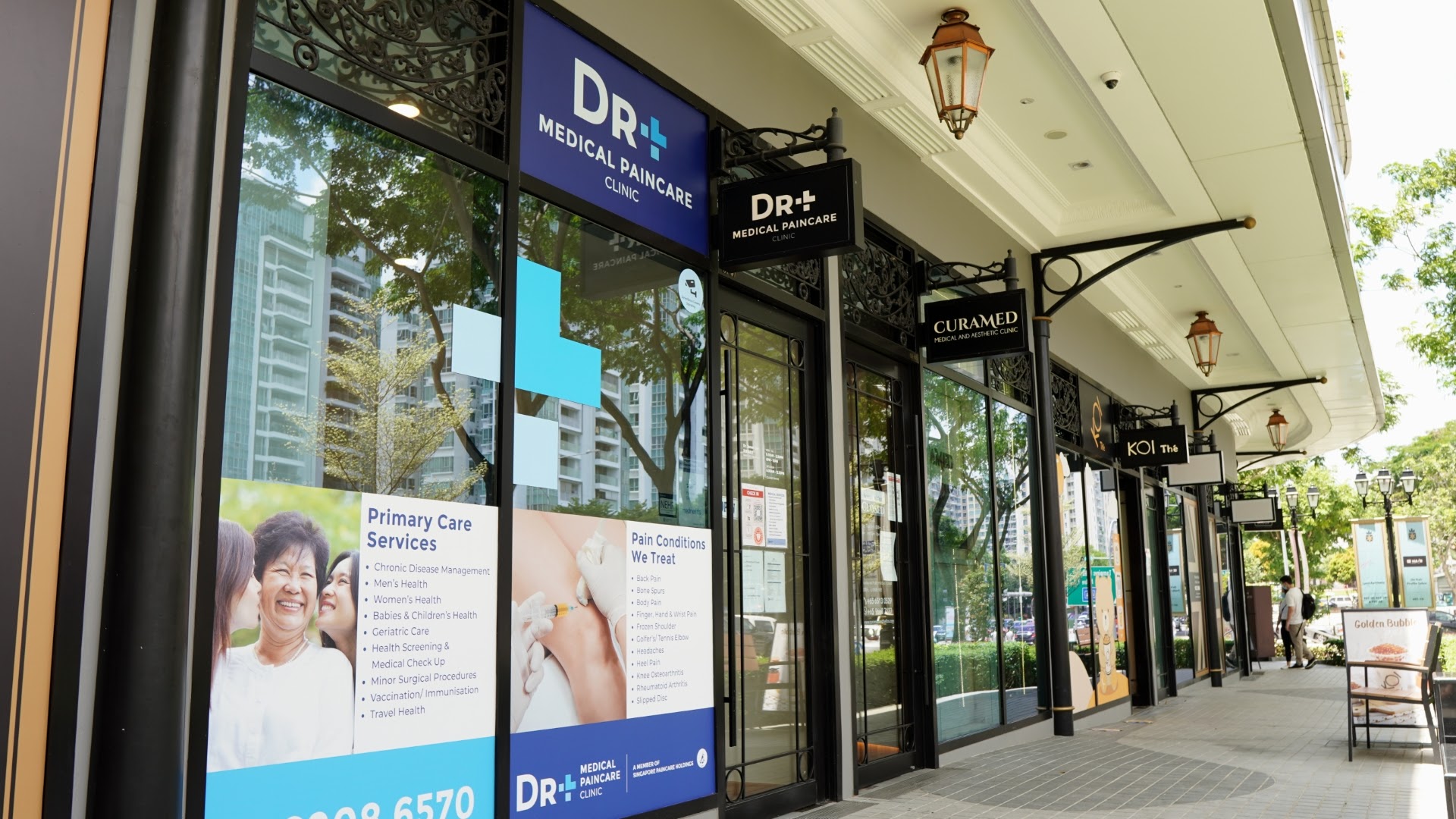
988 Upper Serangoon Rd, Singapore 534733
- Mon to Fri: 8:30am – 2:30pm, 6:00pm – 10:00pm
- Sat & Sun: 8:30am – 12:30pm
- PH: Closed
-
(Kindly note that clinic’s last registration is 15 minutes before closing time.)

Singapore 730018
- Mon: 8:00am – 9:00pm
- Tue – Fri: 8:00am – 4:30pm, 7:00pm – 9:00pm
- Sat: 8:00am – 12:30pm
- Sun & PH: Closed
-
Kindly note that clinic’s last registration is 15 minutes before closing time.
-
(Last registration timing – Mon: 8:45pm, Tue – Fri: 4:15pm & 8:45pm, Sat: 12:15pm)
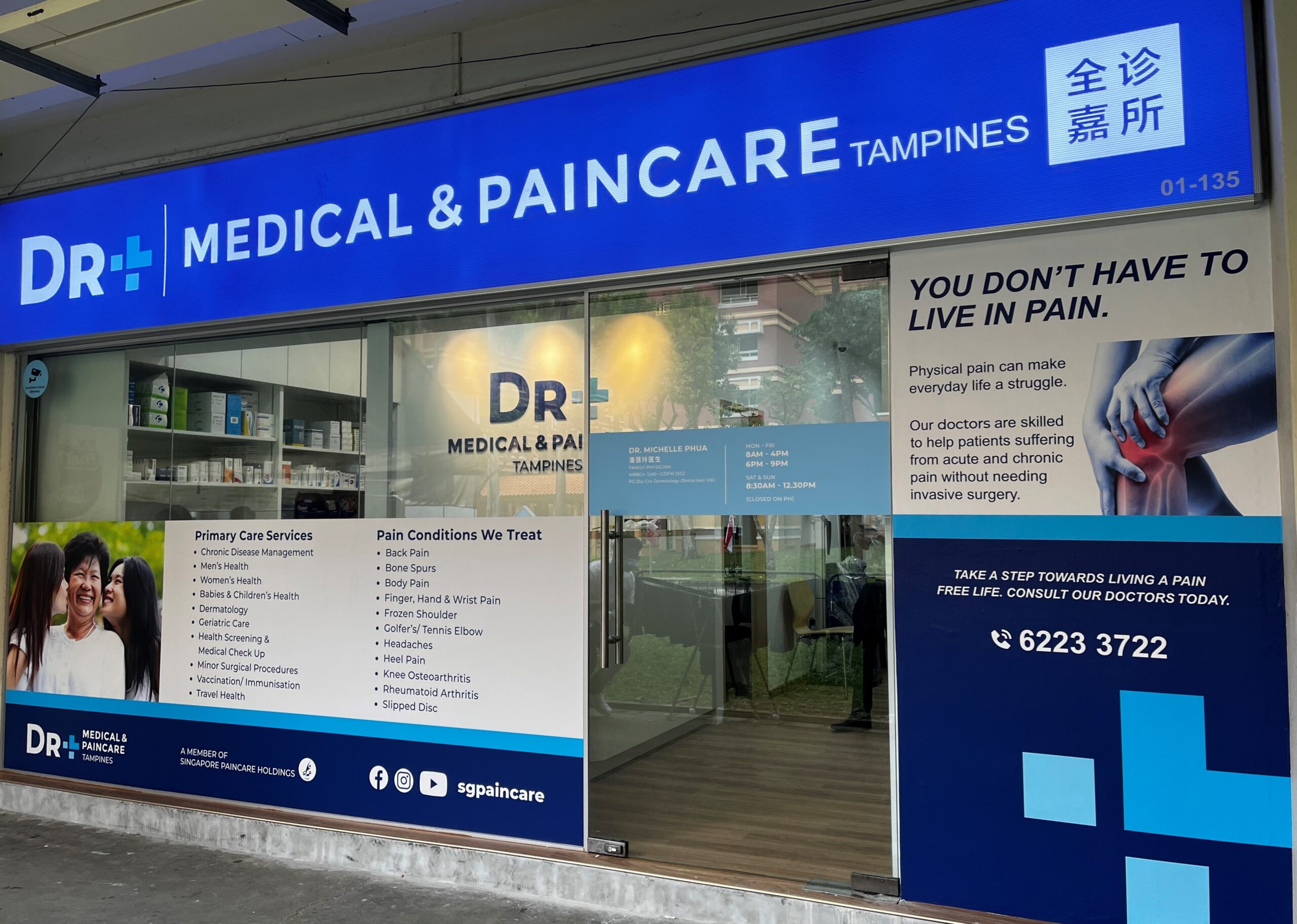
Singapore 520844
- Mon, Tue, Thu, Fri: 8:00am – 4:00pm
- Wed: 8:00am – 4:00pm, 6:00pm – 9:00pm
- Sat: 8:30am – 12:30pm
- Sun & PH: Closed
-
-
(Our clinic is open during lunch hours)

Thomson Imperial Court, Singapore 574424
- Mon to Wed: 8:30am – 10:00pm
- Thu: 8:30am – 3:00pm, 6:00pm-9:30pm
- Fri: 8:30am – 6:00pm
- Sat & Sun: 9:00am – 3:00pm
- PH: Closed
-
(Kindly note that clinic’s last registration is 15 minutes before closing time.)

Singapore 640221
- Mon to Fri: 8:00am – 4:00pm
- Sat: 8:00am – 12:00pm
Sun: Closed - PH: Closed
-
(Kindly note that clinic’s last registration is 15 minutes before closing time.)

- Mon, Wed & Fri: 8:30am – 12:30pm, 1:30pm – 4:30pm, 6:00pm – 9:00pm
- Tue & Thu: 8:30am – 12:30pm, 1:30pm – 4:30pm
- Sat: 8:30am – 12:30pm
- Closed on Sun & PH
-
(Kindly note that clinic’s last registration is 15 minutes before closing time.)
Need Advice On Your Condition?
Please fill out the form and we will be in touch with you shortly.
Frequently Asked Questions
How Severe Is Shingles Pain?
Shingles can trigger excruciating, burning pain that feels sharp and stabbing, often even with the lightest touch. Some continue to suffer for months after the rash heals, with lingering nerve pain that disrupts sleep and daily life.
Is Shingles Contagious?
Shingles itself isn’t contagious, but the virus that causes shingles (the varicella-zoster virus) can spread to others and cause chickenpox in those who have never had it or been vaccinated. If you have shingles, it’s a good idea to keep the rash covered and avoid close contact with pregnant women, newborns, and anyone with a weakened immune system until the rash has crusted over.
When Can I Get The Shingles Vaccine?
You can get the shingles vaccine starting at age 50. It’s given in two doses, with the second dose recommended 2 to 6 months after the first. If you’re unsure about the timing, our clinic is here to help you schedule your appointments.
What are recommended vaccine dosage?
The vaccine is administered in two doses. The second dose is typically given 2 to 6 months following the initial dose.
Is there Shingles (Shingrix®) Vaccine Side Effects?
Some people may experience minor side effects such as dizziness, pain or redness at the injection site, and headaches. These reactions are usually mild and temporary, but you should seek medical advice if they persist or worsen.
Can You Still Get Shingles After Vaccination?
While vaccination against shingles markedly reduces the risk of developing the disease, it is not possible to completely rule out the fact that someone who has been vaccinated may develop shingles. If a person who has been vaccinated does develop shingles, however, symptoms are typically milder, and the risk of complications, such as PHN, is reduced.
Who Should Not Get The Shingles Vaccine?
Most people aged 50 and above are encouraged to get the shingles vaccine. However, there are some exceptions. If you are pregnant, breastfeeding, or have a weakened immune system due to certain conditions (like cancer treatment, organ transplants, or HIV), it’s best to consult your doctor before getting the vaccine. Your doctor will guide you on what’s best for your individual health needs.
How Long Does Shingle Vaccination Last?
The protection from the shingles vaccine (Shingrix®) lasts for at least 4 years, with studies showing that it remains strong during this time. Some evidence suggests it may provide protection for up to 10 years. For the best and longest-lasting protection, it’s important to receive both doses of the vaccine. Your doctor can advise if any additional booster shots are needed as more long-term data becomes available.
I've had shingles before do I still need the vaccine?
Yes. Having had shingles does not prevent recurrence — the varicella-zoster virus remains dormant in your body. Vaccination with Shingrix may reduce the risk of future episodes and their severity. Wait until the active shingles episode has fully resolved, then speak to our DR+ GP about the right timing for your vaccination.