
Umrah/Hajj Vaccination

Umrah/Hajj Vaccination
(Meningococcal Meningitis Vaccination)
For Singapore’s Muslim community, the journey to Mecca for Umrah or Hajj is a deeply spiritual milestone — a pilgrimage of a lifetime. Preparing for it well means attending to your health as an act of care for yourself and your fellow pilgrims. Saudi Arabia mandates meningococcal vaccination as a condition of entry, and the mass gathering conditions at Mecca make additional vaccinations such as the flu jab strongly advisable. At DR+, our GPs are here to support your health journey — from pre-pilgrimage consultation through to vaccination and documentation. This page covers the mandatory and recommended vaccinations for Umrah and Hajj pilgrims from Singapore, key health preparations, and what to expect when you visit DR+.
Why Vaccination Is Mandatory for Umrah & Hajj
The Saudi Arabian government requires all incoming pilgrims to hold proof of meningococcal ACWY vaccination as a condition of visa issuance. This is a formal entry requirement, not a recommendation. The pilgrimage brings together millions of pilgrims from around the world in conditions of close proximity — creating heightened risk for respiratory and meningococcal disease transmission. For Hajj pilgrims from Singapore, MUIS (the Islamic Religious Council of Singapore) also coordinates health assessment requirements as part of the official pilgrimage registration process. The meningococcal ACWY vaccine must be administered at least 10 days before departure. Pilgrims who received the vaccine within the past five years should verify whether re-vaccination is required — our DR+ GP will advise.
What Is Meningococcal Meningitis?
Meningococcal meningitis is a serious bacterial infection of the membranes surrounding the brain and spinal cord, caused by the bacterium Neisseria meningitidis. It spreads through respiratory droplets — through close contact such as coughing, sneezing, or prolonged proximity. In crowded conditions such as those encountered during Hajj or Umrah, the risk of transmission is significantly elevated. The illness can be life-threatening: severe complications include brain damage, hearing loss, limb amputation (from septicaemia), and death. The quadrivalent meningococcal ACWY vaccine protects against four strains most associated with Hajj outbreaks: A, C, Y, and W-135. Early vaccination is the most effective preventive strategy.
Other Health Requirements for Hajj and Umrah
Beyond the mandatory meningococcal jab, our DR+ GPs recommend discussing the following vaccinations at your pre-pilgrimage consultation:
Yellow Fever: Pilgrims from countries at risk of Yellow Fever transmission must provide proof of vaccination.
Polio: Pilgrims from countries affected by Polio should be vaccinated and carry proof of vaccination.
Seasonal Influenza: While not mandatory, the influenza vaccine is recommended, given the large gatherings and potential for transmission.
Health Preparations Beyond Vaccination
Vaccination is essential but not the only preparation needed for a safe pilgrimage. The pilgrimage involves significant physical exertion in the desert climate of Saudi Arabia. Elderly pilgrims and those with chronic conditions — including diabetes, heart disease, hypertension, and respiratory conditions — should receive a pre-pilgrimage health assessment to confirm medical fitness for the journey. DR+ GPs are experienced in advising pilgrims on:
- Hydration: The desert climate demands constant water intake — dehydration is a serious and common risk
- Sun protection: Appropriate head covering and sunscreen; limit direct sun exposure during peak hours
- Hygiene practices: Frequent hand washing and hand sanitiser to reduce respiratory and gastrointestinal illness risk
- Medication management: Bring adequate supply of all chronic medications (at least two weeks beyond your planned stay) with original prescriptions
- Mobility and physical preparation: Discuss with our GP if you have concerns about the physical demands of the pilgrimage, including Tawaf and Sa’i walking distances
Safeguard Your Health
Protect yourself with vaccinations from DR+ today.
Umrah & Hajj Vaccination at DR+ — What to Expect
At DR+, your pre-pilgrimage health appointment begins with a GP consultation to review your medical history, check for contraindications, and advise on all required and recommended vaccines. Following vaccination, you will receive a vaccination certificate (International Certificate of Vaccination) for MUIS submission or visa compliance. Walk-in appointments are welcome at all 12 DR+ clinics across Singapore, or book via drplus.com.sg. Our team understands the timing requirements of the Hajj registration process and will help ensure your vaccination documentation is ready ahead of your departure.
Why Choose DR+ for Your Vaccination?
When preparing for Hajj or Umrah, choose a trusted doctor for your vaccination needs. Here’s why DR+ stands out:
Expertise and Experience in Travel Vaccinations: Our team comprises doctors who specialise in travel vaccinations, ensuring you receive the most up-to-date and effective vaccines.
Comprehensive Health Check-ups and Advice for Pilgrims: Beyond vaccinations, we offer health assessments tailored to the needs of pilgrims, ensuring you are physically prepared for your journey.
Convenient Location and Flexible Appointment Timings: Located centrally, DR+ is easily accessible. We understand the busy schedules of our clients and offer flexible appointment timings to accommodate their needs.
Our Clinics
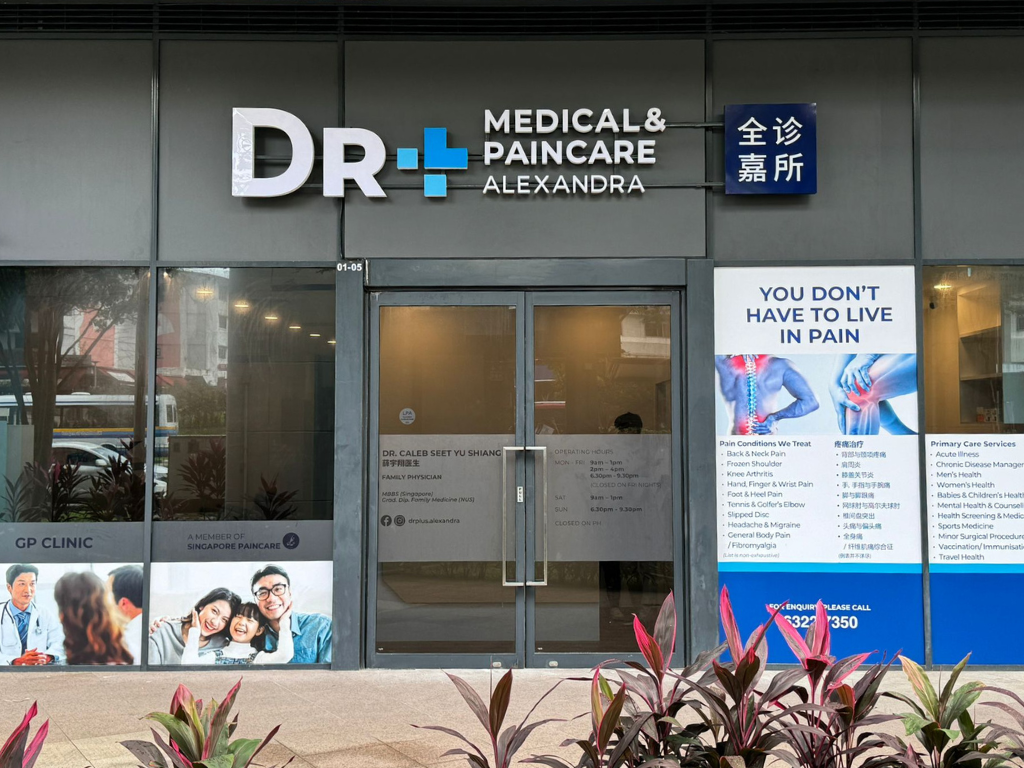
- Mon & Tue: 9am to 1pm, 2pm to 4pm, 6:30pm to 9:30pm
- Wed, Thu & Fri: 9am to 1pm, 2pm to 5pm
- Sat: 9am to 1pm
- Closed on Sun & PH
-
(Kindly note that clinic’s last registration is 15 minutes before closing time.)

#01-95, Singapore 570121
- Mon, Wed, Thu & Fri: 8:00am – 5:00pm, 6:00pm – 9:00pm
- Tue: 8:00am – 5:00pm
- Sat & Sun: 8:00am – 1:00pm
- PH: Closed
-
(Kindly note that clinic’s last registration is 15 minutes before closing time but may close earlier if the queue is unusually long.)
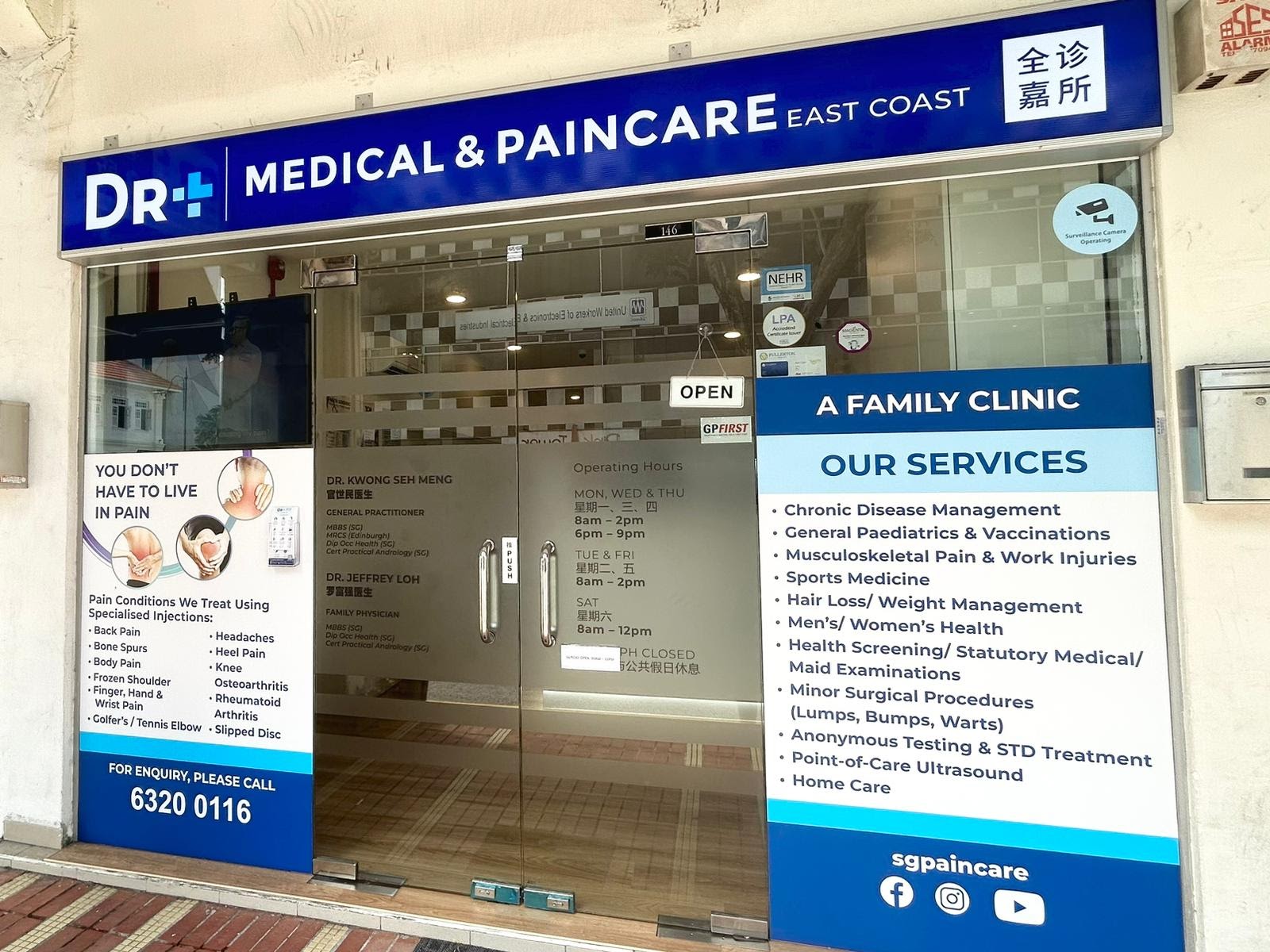
- Mon: 8:00am – 2:00pm, 6:00pm – 9:00pm
- Tue & Wed: 8:00am – 3:00pm
- Thu: 8:00am – 3:00pm, 6:00pm – 9:00pm
- Fri: 8:00am – 2:00pm
- Sat: 8:00am – 12:00pm
- Sun: 10:00am – 1:00pm
- PH: Closed

#01-54 The Midtown, Singapore 533971
- Mon & Tue: 8:00am – 12:30pm, 1:30pm – 5:00pm, 6:00pm – 9:00pm
- Wed: 8:00am – 12:30pm, 6:00pm – 9:00pm
- Thu: 8:00am – 12:30pm, 1:30pm – 5:00pm
- Fri: 8:00am – 12:30pm, 6:00pm – 9:00pm
- Sat: 8:00am – 12:00pm
- Sun & PH: Closed
(Kindly note that clinic’s last registration is 15 minutes before closing time.)
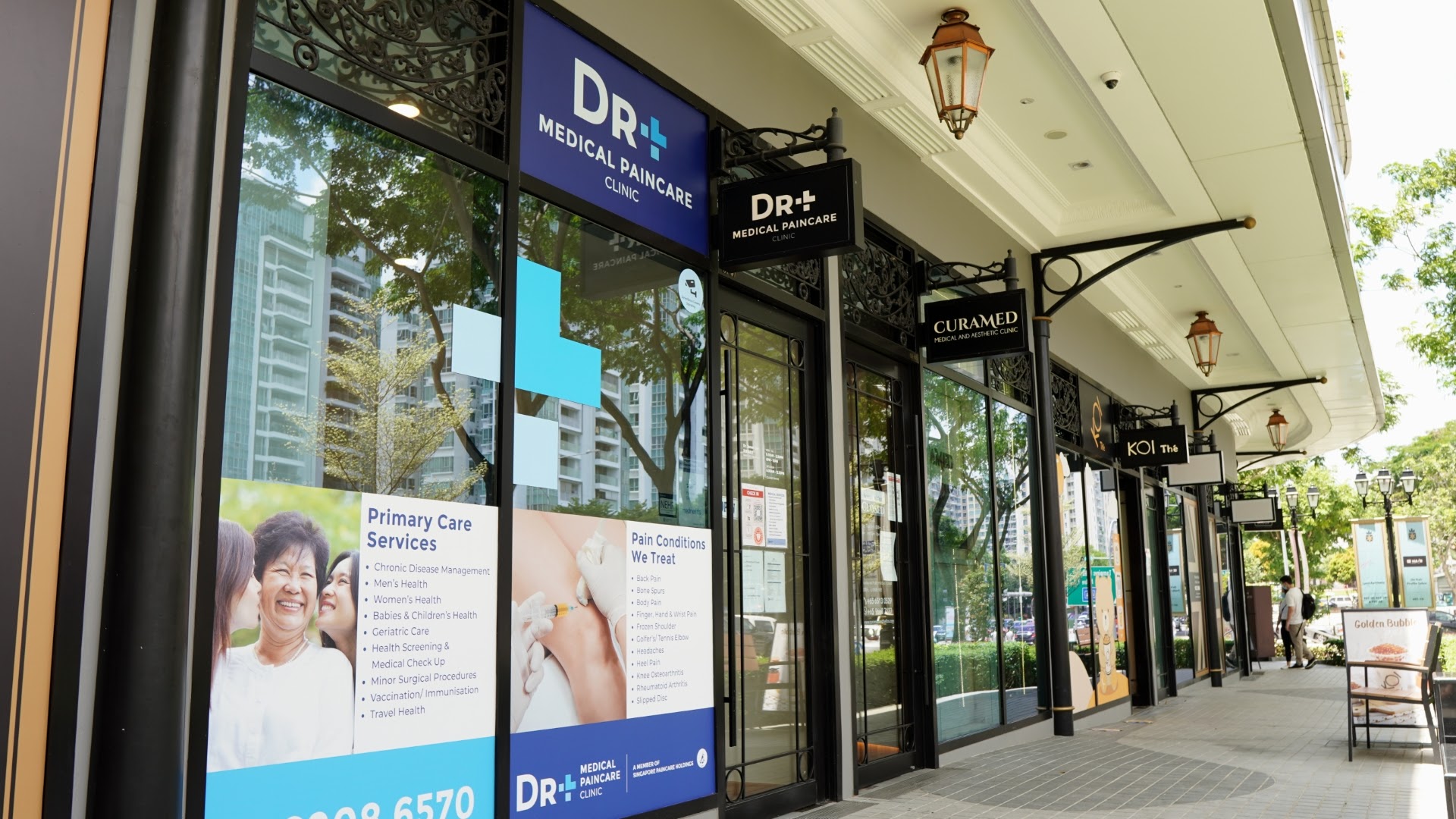
988 Upper Serangoon Rd, Singapore 534733
- Mon to Fri: 8:30am – 2:30pm, 6:00pm – 10:00pm
- Sat & Sun: 8:30am – 12:30pm
- PH: Closed
-
(Kindly note that clinic’s last registration is 15 minutes before closing time.)

Singapore 730018
- Mon: 8:00am – 9:00pm
- Tue – Fri: 8:00am – 4:30pm, 7:00pm – 9:00pm
- Sat: 8:00am – 12:30pm
- Sun & PH: Closed
-
Kindly note that clinic’s last registration is 15 minutes before closing time.
-
(Last registration timing – Mon: 8:45pm, Tue – Fri: 4:15pm & 8:45pm, Sat: 12:15pm)
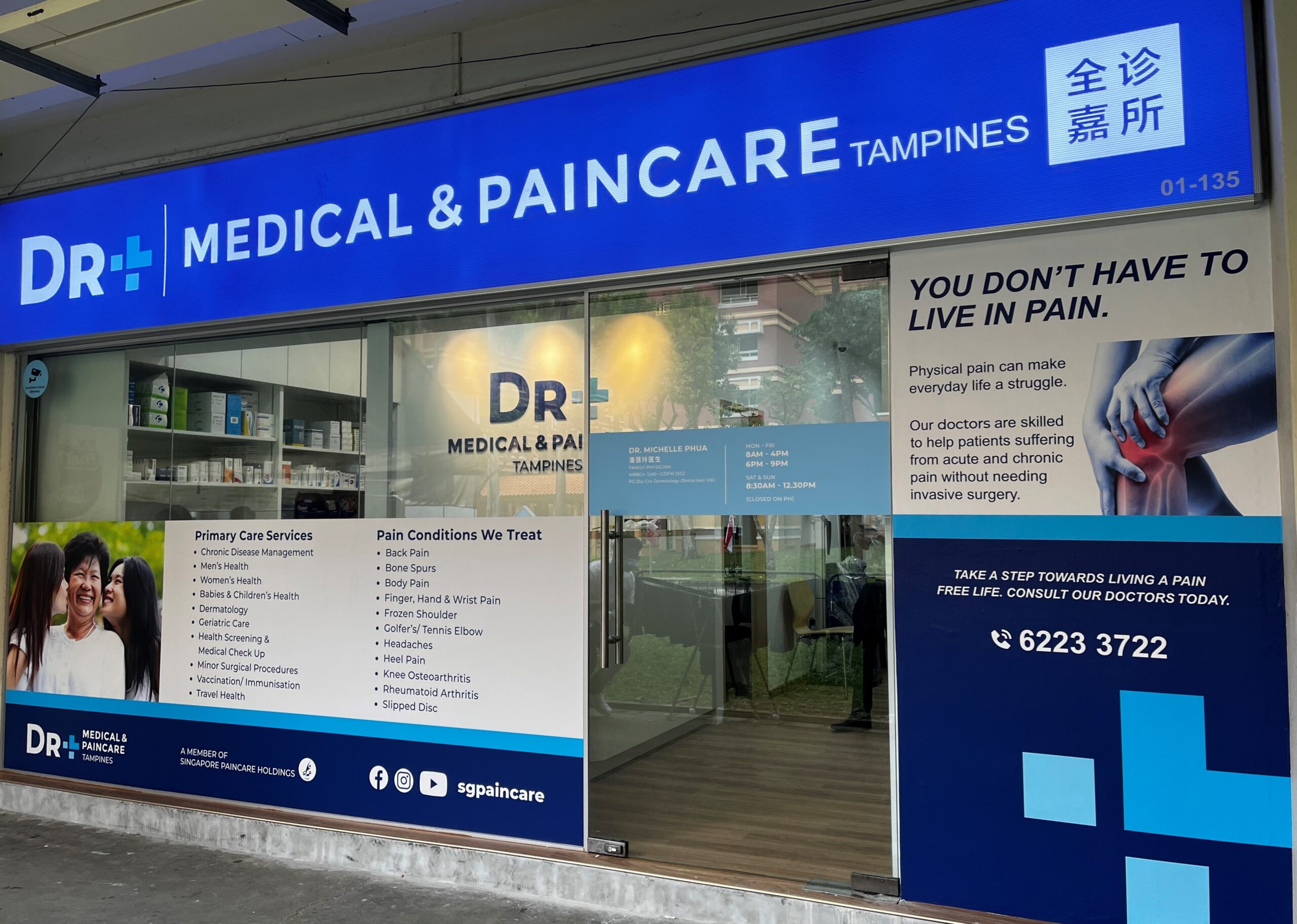
Singapore 520844
- Mon, Tue, Thu, Fri: 8:00am – 4:00pm
- Wed: 8:00am – 4:00pm, 6:00pm – 9:00pm
- Sat: 8:30am – 12:30pm
- Sun & PH: Closed
-
-
(Our clinic is open during lunch hours)

Thomson Imperial Court, Singapore 574424
- Mon to Wed: 8:30am – 10:00pm
- Thu: 8:30am – 3:00pm, 6:00pm-9:30pm
- Fri: 8:30am – 6:00pm
- Sat & Sun: 9:00am – 3:00pm
- PH: Closed
-
(Kindly note that clinic’s last registration is 15 minutes before closing time.)

- Mon, Wed & Fri: 8:30am – 12:30pm, 1:30pm – 4:30pm, 6:00pm – 9:00pm
- Tue & Thu: 8:30am – 12:30pm, 1:30pm – 4:30pm
- Sat: 8:30am – 12:30pm
- Closed on Sun & PH
-
(Kindly note that clinic’s last registration is 15 minutes before closing time.)
Need Advice On Your Condition?
Please fill out the form and we will be in touch with you shortly.
Frequently Asked Questions
Is the meningococcal vaccine mandatory for both Umrah and Hajj?
Yes. Saudi Arabia requires proof of meningococcal ACWY vaccination for all pilgrims performing both Umrah and Hajj. This is a visa entry requirement. The vaccine must be administered at least 10 days before departure, and the certificate is typically accepted for up to five years from the date of vaccination.
Is the vaccine safe for elderly pilgrims or those with chronic conditions?
The meningococcal ACWY vaccine is generally well tolerated across age groups. For elderly patients or those managing chronic conditions, a pre-vaccination consultation with our DR+ GP is recommended to review your health status and overall pilgrimage fitness at the same appointment.
What documentation will I receive after vaccination?
After your meningococcal vaccination at DR+, you will receive an International Certificate of Vaccination as proof for Saudi visa and MUIS purposes. Please verify the exact documentation format required with your travel organiser or MUIS registration coordinator, as requirements may be updated.
Can I walk in to DR+, or do I need an appointment?
Walk-ins are welcome at all DR+ clinic locations during operating hours. You can also book in advance via drplus.com.sg or contact us on WhatsApp. We recommend booking ahead if your vaccination timeline is tight relative to your departure date
Are there any age restrictions for receiving the Meningococcal Meningitis vaccine?
While the vaccine is generally safe for all age groups, it’s always best to consult with a doctor, especially when considering vaccination for infants or the elderly.
I had the Meningococcal Meningitis vaccine a few years ago. Do I need a booster shot before my pilgrimage?
The protection from the vaccine lasts up to three years. If it has been longer than that since your last vaccination, a booster shot is recommended.
Are there any known side effects of the Meningococcal Meningitis vaccine?
Like all vaccines, the Meningococcal Meningitis vaccine can have side effects, though they are generally mild and short-lived. Common side effects include pain at the injection site, fatigue, and headache. Severe reactions are rare, but it’s always best to discuss any concerns with a doctor.
Besides vaccinations, what other health precautions should I consider before my pilgrimage?
In addition to vaccinations, maintain good personal hygiene, stay hydrated, avoid crowded places if feeling unwell, and be aware of the symptoms of common illnesses. Carrying a basic first-aid kit and necessary medications can also be beneficial.
I'm pregnant. Is it safe for me to get the Meningococcal Meningitis and other recommended vaccines?
While many vaccines are safe during pregnancy, consult with a doctor before getting vaccinated. They can provide guidance tailored to your specific situation.