CONTENTS
🔔 Current Situation (May 2026)
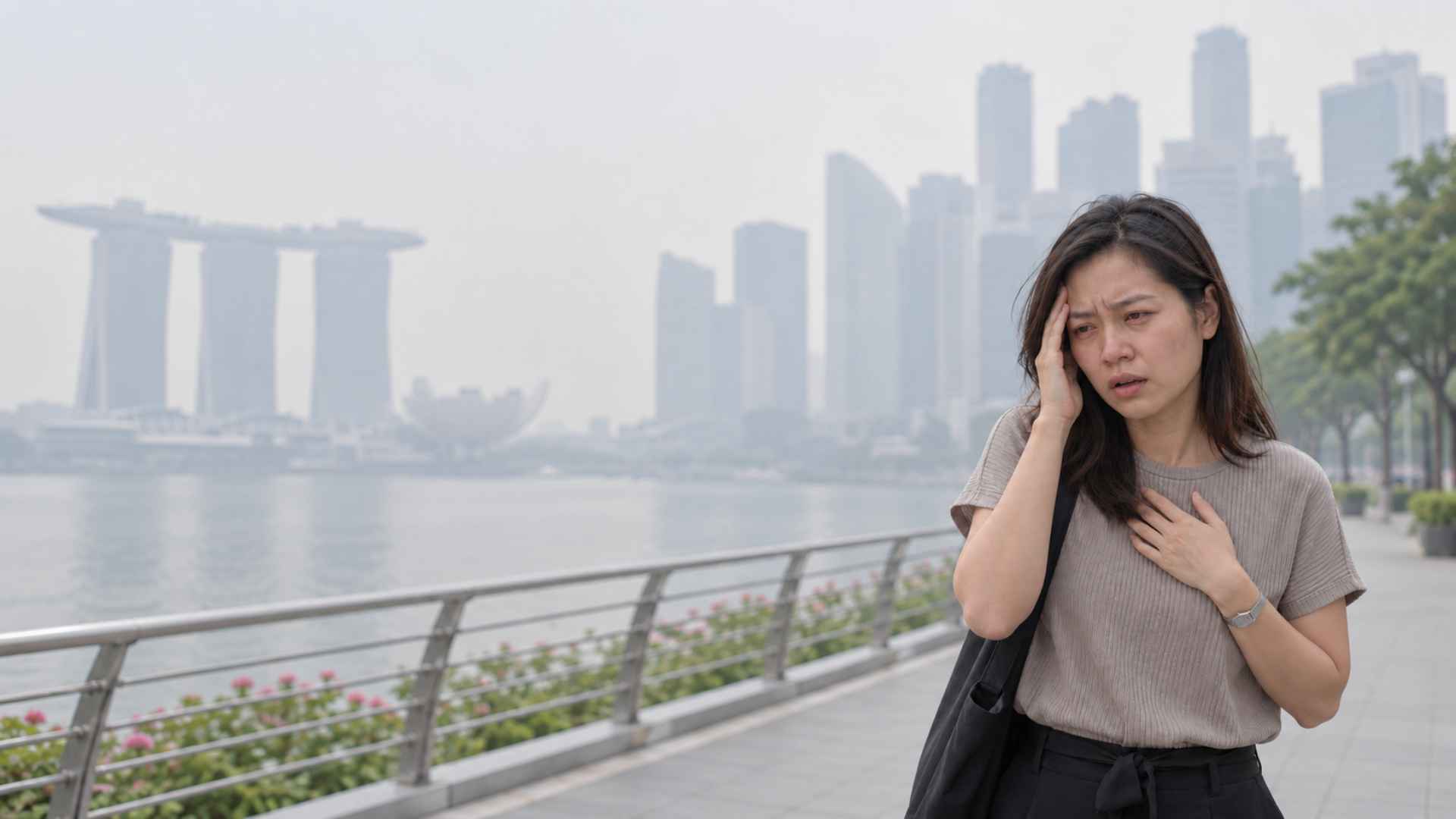
Singapore’s Communicable Diseases Agency (CDA) confirmed that two Singapore residents who were onboard the affected cruise ship MV Hondius have tested negative for hantavirus. The risk to the general public in Singapore remains low. Both individuals continue to be monitored as a precaution. There is no evidence of community transmission in Singapore.
What Is Hantavirus?
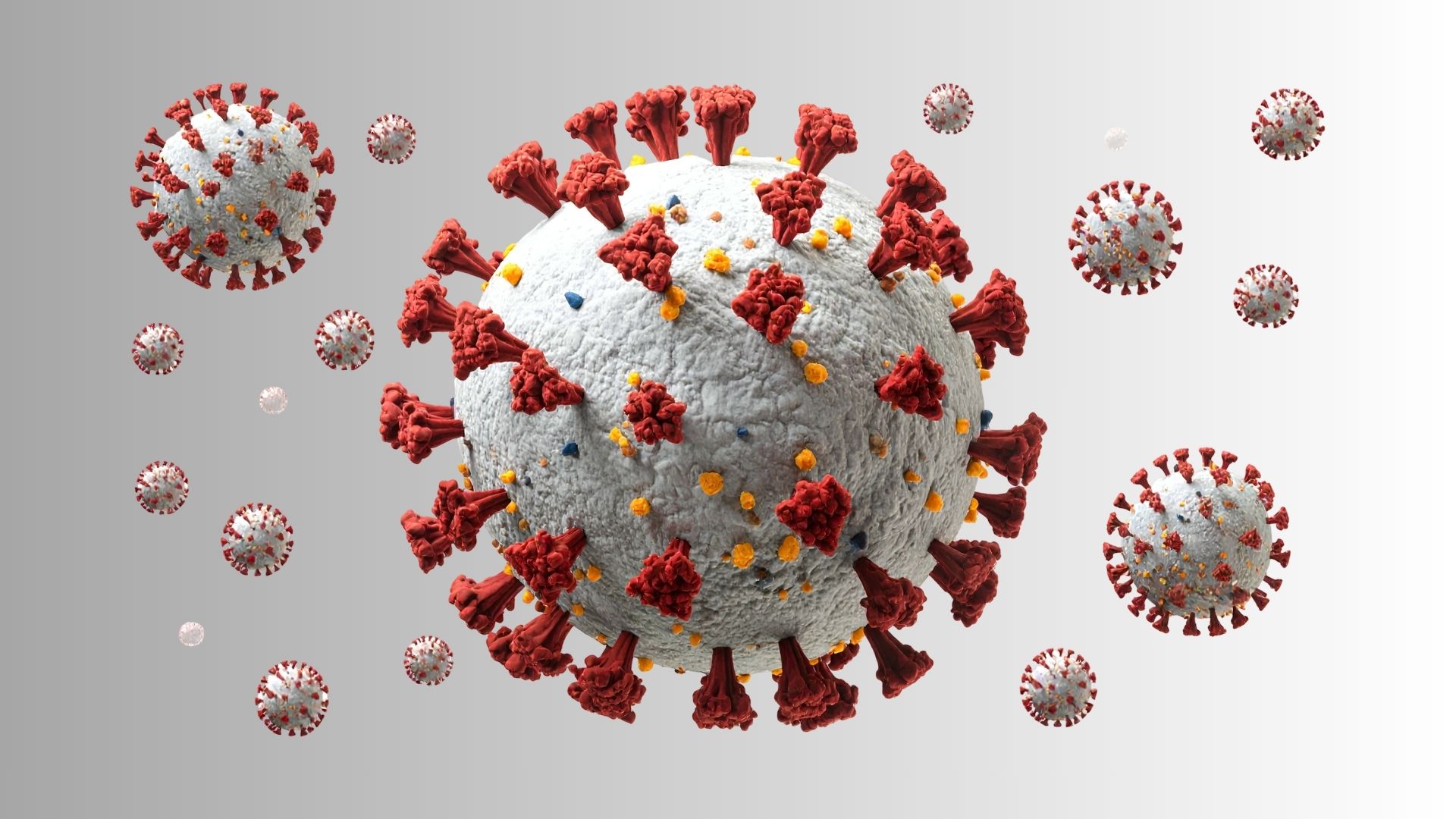
Hantavirus is not a single virus — it is a family of viruses naturally found in rodents, transmitted to humans through exposure to infected animals or their secretions. The name “hantavirus” comes from South Korea’s Hantan River, where scientists in the late 1970s identified a new virus while investigating cases of severe haemorrhagic fever among soldiers during the Korean War. Since then, many different hantavirus strains have been discovered across Asia, Europe, and the Americas.
Different strains cause different diseases. The two main conditions they can cause in humans are:
Hantavirus Pulmonary Syndrome (HPS)
Primarily seen in the Americas. Causes severe fluid accumulation in the lungs and can be life-threatening. The Andes virus, linked to the 2026 cruise ship outbreak, causes HPS.
Haemorrhagic Fever with Renal Syndrome (HFRS)
Common in Europe and Asia, particularly China and South Korea. Causes kidney complications. Seoul hantavirus, found in urban rats, falls under this category.
Hantavirus infections are relatively uncommon worldwide. In 2025, eight countries in the Americas reported 229 cases, while just under 1,900 cases were recorded across Europe in 2023. The highest burden is in East Asia, where thousands of cases are reported annually — though numbers have declined in recent decades.
How Does Hantavirus Spread?
The most common way people get infected is through direct or indirect contact with infected rodents — primarily through their urine, droppings, or saliva. Transmission to humans can occur through:
- Inhaling airborne particles: When rodent droppings or nesting materials are disturbed, tiny infectious particles can become airborne and be breathed in. This is the most common route of infection.
- Direct contact: Touching infected rodent droppings, urine, or saliva — especially if you then touch your mouth, nose, or eyes.
- Rodent bites: Being bitten by an infected rodent, though this is relatively rare
What About Person-to-Person Spread?
For the vast majority of hantavirus strains, there is no documented evidence of human-to-human transmission. However, the Andes virus — the strain responsible for the 2026 cruise ship outbreak — is an exception. It is the only known hantavirus where limited human-to-human spread has been documented, and this has only occurred through prolonged close contact with a symptomatic person, such as sharing a bed or providing close personal care.
Important ContextHantavirus is not airborne in the way that influenza or COVID-19 is. It does not spread through casual contact, sharing meals, or sitting in the same room. The Andes virus is not easily transmissible between people, and transmission requires a specific type of close, sustained exposure.
Symptoms to Watch Out For
Symptoms typically appear within 2 to 4 weeks of exposure, though the maximum incubation period can be up to 45 days. Early symptoms may resemble a common flu, which makes early diagnosis challenging.
| Phase | Timeframe | Typical Symptoms | Severity |
|---|---|---|---|
| Early (Prodromal) | Days 1–5 | Fever, fatigue, muscle aches, headache, chills, nausea, vomiting, abdominal pain, diarrhoea | Flu-like |
| Cardiopulmonary (HPS) | Days 5–10 | Sudden shortness of breath, cough, fluid build-up in lungs, low blood pressure, shock | Severe |
| Renal Phase (HFRS) | Days 5–15 | Decreased urine output, swelling, kidney failure, haemorrhage | Severe |
| Recovery | Weeks to months | Gradual improvement with supportive care; lung and kidney function slowly restores | Variable |
The progression from mild flu-like symptoms to severe breathing difficulties can be rapid, which is why early medical attention is critical. Case fatality rates vary considerably: less than 1% to 15% in Asia and Europe, and up to 50% in the Americas for some strains.
Diagnosis and Treatment
There is currently no licensed specific antiviral treatment or approved vaccine for hantavirus infection. Care is supportive — meaning treatment focuses on managing symptoms and complications while the body fights the infection.
How Is It Diagnosed?
Because early hantavirus symptoms overlap with many common illnesses — including influenza, COVID-19, and gastrointestinal infections — diagnosis requires clinical assessment alongside laboratory testing, especially if the patient has a relevant travel or exposure history. Clinicians will consider this context carefully before ordering specific tests.
How Is It Treated?
Patients with suspected or confirmed hantavirus infection are hospitalised for close monitoring. Supportive care may include:
- Careful fluid management to prevent fluid from accumulating in the lungs
- Respiratory support, including mechanical ventilation for severe cases
- Management of kidney function in HFRS cases
- Intensive care and advanced life support where required
Researchers around the world are actively working on antiviral treatments and vaccines, but none have been approved to date. Early diagnosis and prompt supportive care significantly improve survival outcomes.
How to Protect Yourself
Since there is no vaccine, prevention centres on reducing exposure to rodents and environments where infected rodents may be present — particularly in regions where hantavirus is endemic.
General Precautions (Everyday)
- Keep your home and surroundings clean to discourage rodent nesting and activity
- Seal gaps, holes, or cracks in walls and floors that rodents could enter through
- Store food in rodent-proof containers; do not leave food waste exposed
- Dispose of rubbish promptly and maintain clean rubbish bins
- Wash hands thoroughly with soap and water after handling rodents or cleaning up droppings
If Cleaning Rodent-Infested Areas
- Do not sweep or vacuum dry rodent droppings — this can aerosolise infectious particles. Use a damp cloth or mop instead.
- Wear rubber or plastic gloves and a properly fitted mask (at minimum an N95) before cleaning.
- Spray the area with disinfectant first and allow it to soak before cleaning up.
- Dispose of materials in sealed plastic bags and wash hands thoroughly afterwards.
Travel Precautions (For High-Risk Destinations)
If you are travelling to areas in South America (including Argentina, Chile, and neighbouring countries), rural areas of Europe, or other regions where hantavirus is endemic, the CDA recommends:
- Avoid handling wild rodents or entering areas with visible rodent activity
- Do not camp near or sleep in rodent-infested buildings or open areas without proper precautions
- Use sealed or elevated sleeping arrangements when camping or staying in rural settings
- Ventilate enclosed spaces before entering, especially if they have been unoccupied for a period
- Monitor your health and seek medical attention promptly if you develop fever, fatigue, or respiratory symptoms within 45 days of returning
What This Means for People in Singapore
Singapore’s public health risk from hantavirus remains low. The CDA, World Health Organization, and Singapore infectious disease experts are all aligned on this assessment.
Research studies in Singapore have found that Seoul hantavirus antibodies are present in local rodents, indicating the virus exists in the urban rodent population here. However, Seoul hantavirus typically causes a milder form of disease compared to more virulent strains. Most infections would either be asymptomatic or present only as a flu-like illness.
The Andes virus responsible for the 2026 outbreak is not found locally. The rodents that carry it do not live in Singapore, so there is no ongoing local transmission risk from wildlife.
Singapore’s Response to the MV Hondius OutbreakThe two Singapore residents who returned from the affected cruise ship were promptly isolated and tested at the National Centre for Infectious Diseases (NCID). Both tested negative for hantavirus, including the Andes virus. As a precaution, both individuals continue to be monitored — quarantined for 30 days from last exposure, with phone surveillance extending to 45 days (the maximum incubation period). This response reflects Singapore’s robust communicable disease surveillance framework.
For the general public in Singapore, there is no need for alarm. Practising good hygiene, effective rodent control at home, and being mindful of travel health advisories when visiting high-risk regions are the most effective steps you can take.
When to See a Doctor
If you have recently travelled to a hantavirus-endemic region and develop any of the following symptoms, you should seek medical attention promptly and inform your doctor of your travel history.
- Fever, severe fatigue, or unexplained muscle aches within 45 days of returning from a high-risk region
- Shortness of breath or difficulty breathing that comes on suddenly
- Gastrointestinal symptoms (nausea, vomiting, diarrhoea) combined with fever and fatigue
- Symptoms that worsen rapidly over 24–48 hours
Do not wait to see if symptoms improve on their own. Informing your doctor about your travel history — including any outdoor activities, wildlife exposure, or stays in rural or remote settings — helps them assess your risk accurately and test appropriately.
Visit DR+ Medical & Paincare
If you are feeling unwell after travel, or have concerns about infectious illness, our GP doctors are here to help. DR+ clinics provide comprehensive primary care across 12 locations in Singapore. We follow all Ministry of Health guidelines and practice evidence-based medicine to give you and your family the best care possible.
This article is intended for general informational purposes only and does not constitute medical advice, diagnosis, or treatment. The information is based on publicly available guidance from the World Health Organization (WHO), Singapore’s Communicable Diseases Agency (CDA), the US Centers for Disease Control and Prevention (CDC), and the European Centre for Disease Prevention and Control (ECDC) as of May 2026. Please consult a qualified medical professional for advice specific to your health situation. If you are experiencing a medical emergency, please call 995 immediately.
Latest Articles