Doctor-Supervised IV Iron Therapy

Iron Infusion Treatment Singapore

Medically supervised iron infusion therapy in Singapore for rapid correction of iron deficiency. Delivered intravenously for complete absorption, this treatment effectively restores haemoglobin and ferritin levels, particularly in patients who cannot tolerate or respond to oral supplements.

Overview

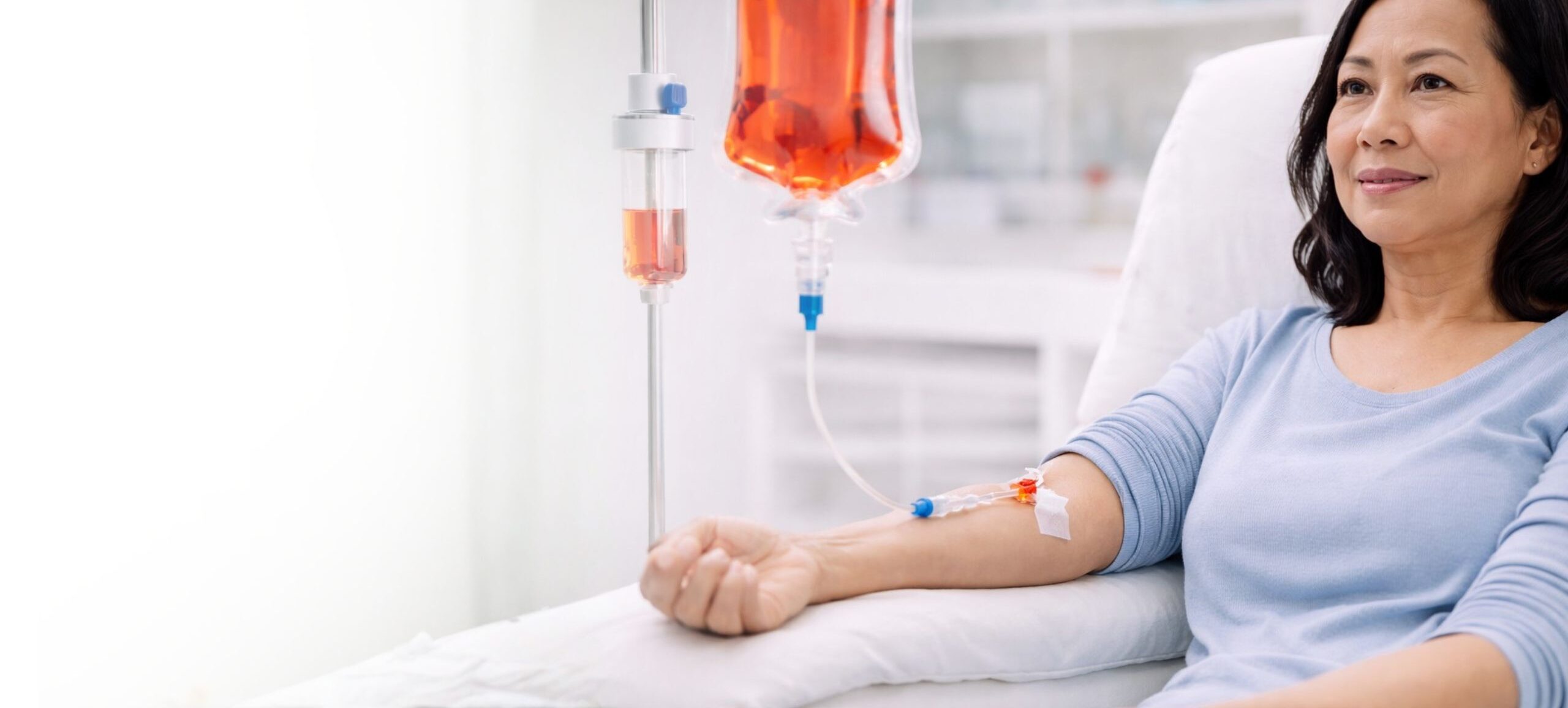
Iron infusion is a medically supervised procedure that delivers iron directly into the bloodstream via intravenous infusion. It enables rapid correction of iron deficiency, particularly when oral supplementation is ineffective or not tolerated. Treatment is typically completed within a single 30–60 minute session, with pre-treatment blood tests performed to confirm iron deficiency and guide appropriate dosing.

A women is fatigue due to iron deficiency

What Is Iron Deficiency?

Iron deficiency occurs when your body lacks sufficient iron to produce haemoglobin — the protein in red blood cells that carries oxygen throughout your body. Without enough iron, your organs and tissues do not receive adequate oxygen, leading to persistent fatigue, brain fog, and breathlessness.

Who Is at Risk?

Iron deficiency occurs when your body lacks sufficient iron to produce haemoglobin — the protein in red blood cells that carries oxygen throughout your body. Without enough iron, your organs and tissues do not receive adequate oxygen, leading to persistent fatigue, brain fog, and breathlessness.

According to a study by SingHealth, approximately 50% of women in Singapore may be affected by iron deficiency. It is especially common in:

Who Is at Risk Why Iron Deficiency Develops
Women with heavy periods Monthly blood loss depletes iron stores faster than diet can replenish
Pregnant / breastfeeding women Iron demand doubles; foetal development draws heavily on maternal stores
IBD / coeliac disease patients Gut inflammation impairs iron absorption even when intake is adequate
Post-bariatric surgery patients Bypassed gut segments reduce iron-absorbing surface area permanently
Chronic kidney disease Reduced erythropoietin and ongoing dialysis blood loss compound deficiency
Vegetarians and vegans Plant-based (non-haem) iron absorbs at 2–10% vs 15–35% for meat-based iron
Pre-surgical patients Optimising haemoglobin before surgery reduces transfusion risk and speeds recovery

What Are the Symptoms of Iron Deficiency?

Iron affects almost every system in your body, so its symptoms can be easy to dismiss as “just stress” or “not sleeping enough.” If you experience several of the following — especially if you’re in a high-risk group — a simple blood test can confirm whether iron deficiency is the cause.

Energy, Mood & Mental Clarity

  • Persistent fatigue that doesn’t improve with rest
  • Brain fog or poor concentration
  • Irritability or low mood
  • Reduced exercise tolerance
  • Shortness of breath on exertion
  • Dizziness or lightheadedness
  • Heart palpitations
  • Restless legs at night

Physical & Visible Signs

  • Pale or sallow skin
  • Unusual hair shedding or thinning
  • Brittle or spoon-shaped nails
  • Frequent headaches
  • Cold hands and feet
  • Sore or swollen tongue
  • Mouth ulcers
  • Dry or itchy skin

Iron Infusion vs Oral Iron Supplements

Oral iron tablets are the first-line treatment for mild deficiency. But they require months of daily dosing and frequently cause digestive side effects. Iron infusion is recommended when oral iron isn’t suitable or hasn’t worked.

Feature Iron Infusion (IV) Oral Iron Supplements
How it works Delivered directly into bloodstream — 100% absorption Taken by mouth; only ~10% absorbed through the gut
Speed of effect Iron levels rise rapidly; energy improvement within 1–2 weeks Slow restoration; takes 3–6 months for normal levels
Number of doses Usually 1 session (500–1,000 mg) Daily tablets for months
Digestive side effects None — bypasses the gut entirely Nausea, constipation, stomach cramps, dark stools — very common
Best suited for Severe deficiency, poor absorption, pregnancy, pre-surgery, oral intolerance Mild deficiency, no GI issues, patient preference
Cost per treatment Higher per session, but fewer sessions needed Lower cost per tablet; longer treatment duration

Who Should Consider Iron Infusion?

Our DR+ GPs recommend IV iron infusion when one or more of the following apply:

Situation Why Iron Infusion Is Appropriate
Oral supplements caused side effects Nausea, constipation, or stomach pain that makes tablets unsustainable
Ferritin or haemoglobin severely low Rapid IV correction is safer than waiting months for tablets to work
Poor gut absorption IBD, coeliac disease, or post-bariatric surgery prevents effective oral uptake
Pregnancy with severe deficiency Safe after first trimester; IV iron does not cross the placenta at therapeutic doses
Pre-surgical optimisation Surgeons prefer Hb ≥130 g/L before elective procedures to minimise transfusion risk
Ongoing blood loss exceeds oral replenishment Heavy periods or chronic disease means tablets can’t keep up with ongoing losses
Oral iron failed to raise levels Non-response after 3 months of compliant oral therapy indicates absorption problem

What Are The Side Effect Of Iron Infusion?

Iron infusion is a safe procedure when administered by trained medical professionals in a clinic setting. Most side effects are mild and short-lived. Serious reactions are rare with modern formulations.

Common · Mild

  • Temporary metallic taste during or after the infusion
  • Mild headache or dizziness
  • Muscle or joint aches in the 1–2 days after (infusion arthralgia)
  • Brief nausea — usually resolves within hours
  • Facial flushing or warmth
  • Minor bruising or tenderness at the cannula site

Uncommon

  • Temporary drop in blood pressure during infusion
  • Fatigue in the first 1–3 days as your body adjusts to higher iron levels
  • Rash or hives after the infusion — manageable with antihistamines
  • Skin discolouration at the injection site if iron leaks from the vein

Rare · Serious

  • Severe allergic reaction (anaphylaxis) — occurs in fewer than 1 in 200,000 infusions with modern agents such as ferric carboxymaltose
  • Higher risk in patients with asthma or prior drug allergies

Book Your Appointment

Administered directly into the bloodstream, IV iron provides full absorption, safely restoring haemoglobin and ferritin levels. Ideal for patients with severe deficiency, poor oral absorption, or intolerance to oral supplements.

Why Choose DR+ Medical & Paincare for Iron Infusion?

icon
CHAS Accredited

Eligible Singaporeans and PRs receive subsidised GP consultations under the Community Health Assist Scheme.

icon
Doctor-Supervised Throughout

Your infusion is prescribed and supervised by a registered GP. Nursing staff monitor you continuously during and after the procedure.

Frequently Asked Questions

How do I know if I need an iron infusion?

Your doctor will review your blood results — specifically your serum ferritin, haemoglobin, and transferrin saturation. An iron infusion is typically recommended if your ferritin is very low (usually below 15–30 µg/L), your symptoms are severe, or oral supplements have caused side effects or failed to raise your iron levels after 3 months of consistent use.

Is iron infusion painful?

The procedure involves a brief pinch when the IV cannula is inserted — similar to a routine blood draw. The infusion itself is not painful. Most patients describe it as comfortable. You’ll be seated for 30–60 minutes and can use your phone, read, or rest throughout.

How quickly will I feel better after an iron infusion?

Most patients notice improved energy levels within 1–2 weeks of their infusion. Full benefit — including improvement in haemoglobin and resolution of all symptoms — typically takes 4–8 weeks, as your body uses the replenished iron stores to produce new red blood cells.

How long does an iron infusion take at DR+?

The infusion itself takes 30–60 minutes depending on the dose. Including consultation, pre-medication if needed, infusion, and post-infusion monitoring, most patients spend 1–2 hours at the clinic in total. Same-day appointments are available at most DR+ locations, subject to availability.

What are the side effects of iron infusion?

Common side effects include a temporary metallic taste, mild headache, muscle aches, or brief nausea — most resolve within 24–48 hours. Skin discolouration at the injection site can occur if iron leaks from the vein. Severe allergic reactions are very rare with modern formulations (fewer than 1 in 200,000). You are monitored by our clinical team throughout the procedure.

Can I get an iron infusion during pregnancy?

Yes. Iron infusions are considered safe after the first trimester and are commonly recommended when oral iron tablets are not tolerated or when deficiency is severe. Always consult your DR+ GP and obstetrician before proceeding. Our GPs will coordinate care with your maternity team to ensure your infusion is managed safely.

Do I need a referral to get an iron infusion at DR+?

No referral is needed. You can walk in or book an appointment at any DR+ clinic. If you have recent ferritin or blood test results, bring them along — this speeds up the process. If you don’t have recent results, your DR+ doctor will arrange a blood test at your consultation before recommending treatment.

Our Clinic Locations

|
529 Ang Mo Kio Ave 10, #01-2353, Singapore 560529
  • Mon, Wed & Fri: 8:30am – 12:30pm, 1:30pm – 4:30pm, 6:00pm – 9:00pm
  • Tue & Thu: 8:30am – 12:30pm, 1:30pm – 4:30pm
  • Sat: 8:30am – 12:30pm
  • Closed on Sun & PH
  • (Kindly note that clinic’s last registration is 15 minutes before closing time.)

Need Advice On Your Condition?

Please fill out the form and we will be in touch with you shortly


    By clicking the “Submit” button below, you agree to send your information to Singapore Paincare Holdings Ltd which agrees to use it according to our privacy policy.